Date posted: 26-10-2024 | Last updated : 05-01-2026
The trend of international clients choosing jaw correction surgery in Vietnam is increasingly growing, thanks to the high level of maxillofacial surgeons’ expertise, reasonable costs, and surgical procedures that meet strict safety standards. At Kangnam, maxillofacial corrective surgeries are performed using personalized treatment protocols, focusing on both functional improvement and aesthetic outcomes, helping international clients feel confident throughout treatment and recovery.
Jaw correction surgery is a procedure that directly intervenes in the upper jaw, lower jaw, or both to adjust the position and structure of the jaw to achieve proper balance and function. This method helps improve facial appearance, correct abnormalities such as protrusion, underbite, or jaw asymmetry, and enhance chewing function.
It is a highly specialized maxillofacial surgical technique that requires surgeons to be thoroughly trained in facial bone surgery and to follow a strictly regulated surgical process.
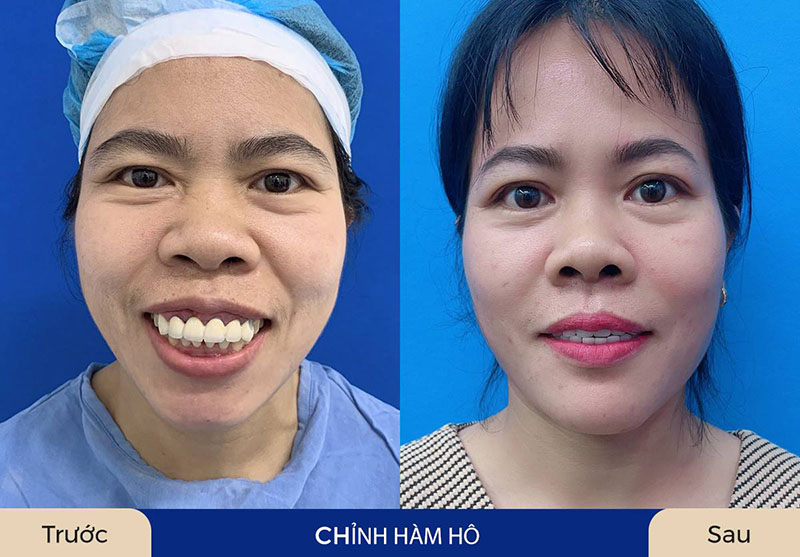
Jaw correction helps improve facial features and boost self-confidence.
Jaw correction surgery in Vietnam is suitable for individuals with misaligned, enlarged, wide, or disproportionate jaw structures between the upper and lower jaws, leading to facial imbalance and aesthetic concerns, and who have been medically indicated for surgery by maxillofacial specialists.
This procedure is appropriate for:
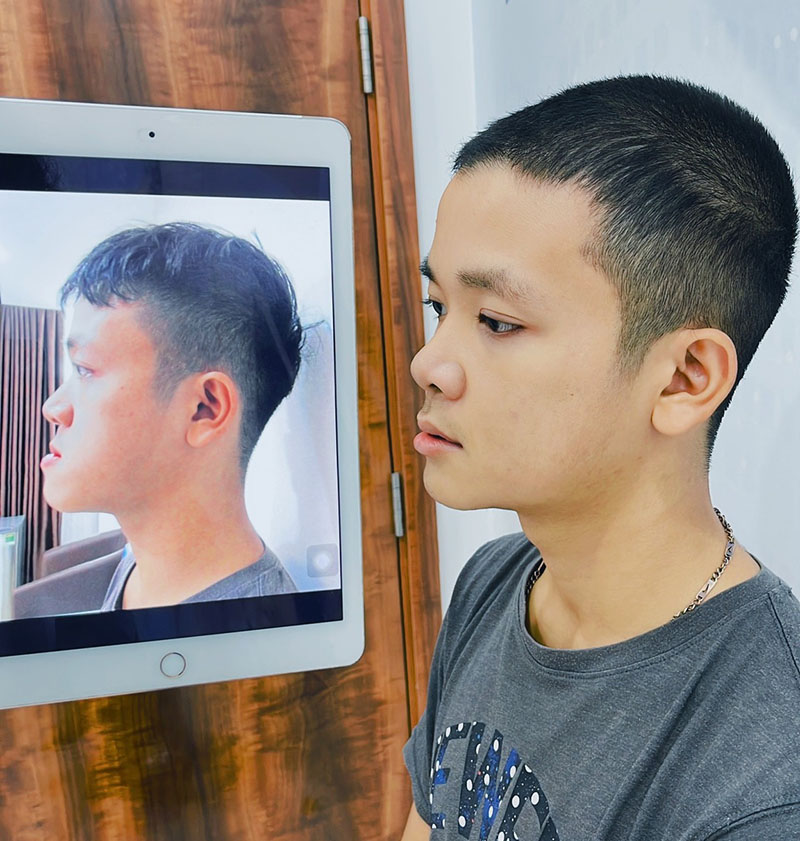
People with malocclusion should have their jaws straightened to improve chewing function.
Common jaw correction procedures in Vietnam include correction of protruding or retruded jaws, V-line chin reduction, 3D autologous chin advancement (sliding genioplasty), V-line jaw angle reduction, and cheekbone reduction. These procedures aim to reshape the facial bone structure for a more balanced and harmonious appearance.
The jaw correction surgery process in Vietnam is developed according to strict medical standards, ensuring accurate evaluation of jawbone conditions, safe surgical intervention, and close postoperative recovery monitoring.
Step 1: Consultation and maxillofacial assessment
A maxillofacial specialist directly examines the jaw structure, assessing the degree of asymmetry, enlargement, width, or imbalance, and determines whether surgical intervention is necessary.
Step 2: X-ray / CT imaging
Diagnostic imaging allows the surgeon to analyze bone structure, occlusion, and jaw–facial relationships in detail, minimizing the risk of surgical inaccuracies.
Step 3: Personalized surgical planning
Based on clinical evaluation and imaging results, the surgeon develops a customized jaw correction plan tailored to each individual, ensuring both functional improvement and aesthetic harmony.
Step 4: Anesthesia
The procedure is performed under general anesthesia, with continuous safety monitoring by a dedicated anesthesiology and resuscitation team.
Step 5: Jaw correction surgery
The surgeon directly operates on the jawbone according to the established plan, repositioning the bone to achieve balance, symmetry, and long-term stability.
Step 6: Postoperative monitoring and follow-up
After surgery, the patient is closely monitored at the medical facility and attends scheduled follow-up visits to manage swelling and discomfort, evaluate healing progress, and assess the surgical outcome.
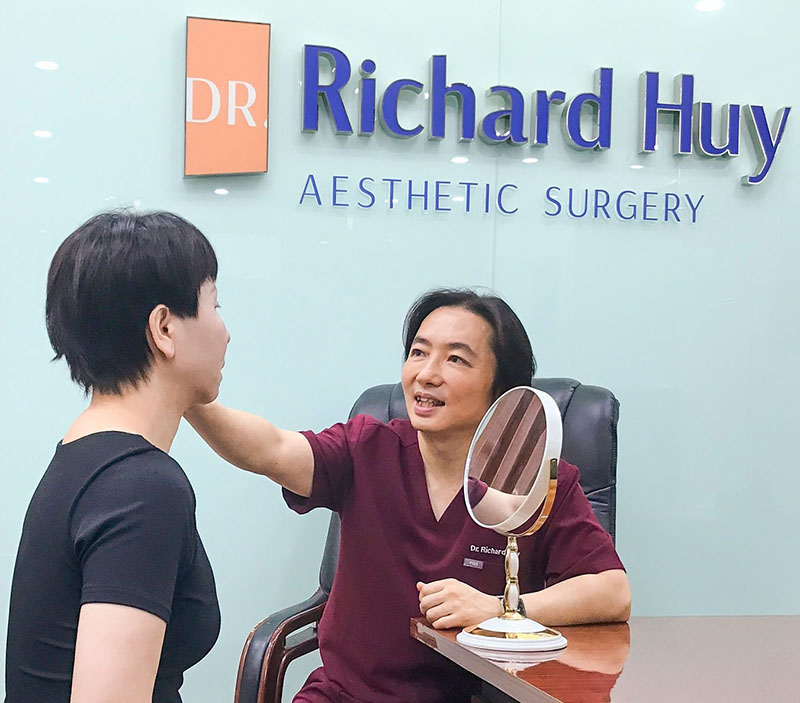
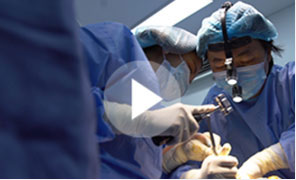
The doctor performs a thorough check-up after the orthodontic procedure to ensure safety and good results.
Jaw correction surgery involves direct intervention on the jawbone and therefore carries certain risks, such as swelling, bruising, temporary numbness in the chin and lip area, or infection. However, these risks are significantly minimized when the procedure is performed by qualified maxillofacial surgeons in accredited hospitals.
Possible risks include:
Recovery after jaw correction surgery typically takes 3–6 months for the jawbone and soft tissues to fully stabilize. However, swelling and discomfort usually decrease significantly after 1–2 weeks, allowing patients to gradually return to daily activities when following medical instructions and attending scheduled follow-ups.

A fast and safe dental restoration process for international patients.
After jaw correction surgery, the face becomes slimmer, more balanced, and harmonious. The jawline appears softer and more natural, while chewing function is significantly improved.
Many international clients choose jaw correction surgery in Vietnam thanks to the country’s highly experienced maxillofacial surgeons, specialized hospital systems, and reasonable treatment costs.
At Kangnam Aesthetic Hospital, international clients enjoy exclusive services such as one-on-one online consultations with surgeons prior to arrival in Vietnam, priority selection of operating surgeons, round-trip airport–hospital transfers, and premium recovery accommodations with private nursing care—ensuring a convenient, safe, and seamless aesthetic journey.
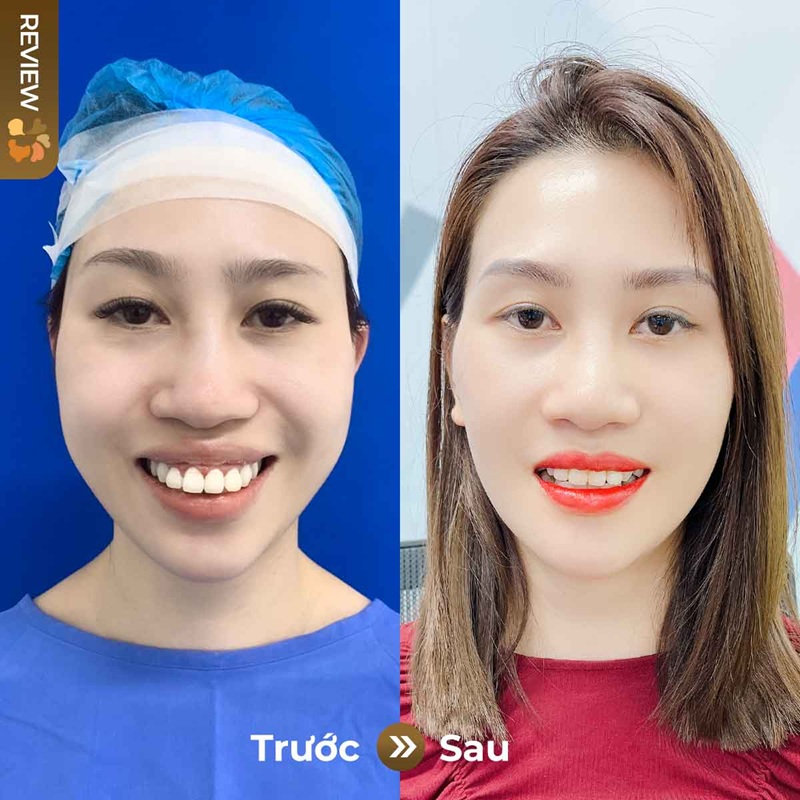
Kangnam offers safe orthodontic treatment for international patients.
During jaw correction surgery in Vietnam, patients are placed under anesthesia, so they do not feel pain during the procedure. After surgery, mild swelling, soreness, and jaw tightness may occur during the first few days; however, these sensations are generally tolerable, gradually subside during recovery, and are effectively managed with prescribed medication.
Typically, patients can resume near-normal eating about one month after jaw correction surgery. During the first 7–10 days, as swelling and numbness gradually decrease, a soft diet such as porridge, soup, or soft rice is recommended. Over the following 2–3 weeks, dietary variety can be gradually increased, while hard or chewy foods should still be avoided.
Jaw correction surgery does not impair chewing function; on the contrary, it often significantly improves it. Once the jaws are properly repositioned, bite force is distributed more evenly, making chewing easier and reducing jaw fatigue or unilateral chewing habits.
Jaw correction results are long-lasting and nearly permanent when the surgery is performed with proper technique and indication, and when patients strictly follow postoperative care instructions and attend scheduled follow-up visits.
International patients are generally advised to stay in Vietnam for approximately 2–3 weeks after surgery to allow for recovery monitoring, follow-up visits, and confirmation of stable healing before returning home.
Jaw correction surgery not only enhances facial aesthetics but also supports proper chewing function when performed with appropriate medical indication. As this is a highly specialized procedure, it requires experienced surgeons and a clearly structured treatment protocol. To ensure safety and long-term harmonious results, patients are strongly encouraged to consult directly with maxillofacial specialists at Kangnam Aesthetic Hospital before making a decision.