Date posted: 21-07-2026 | Last updated : 25-07-2026
Why compression garments must be worn after liposuction is a top concern for many people inquiring about post-operative care. After excess fat is removed, the abdominal area needs to be shaped so that the skin can retract, minimize sagging, and maintain long-lasting aesthetic results.
1. Why Must You Wear a Compression Garment After Liposuction?
Wearing a compression garment after liposuction helps reduce swelling, minimize bruising, support rapid recovery, and effectively shape the abdominal region. Using a compression garment stabilizes the skin and underlying muscles, preventing looseness or sagging after a large amount of fat has been removed, while also reducing the risk of fluid accumulation and creating optimal conditions for the abdomen to achieve the desired aesthetic contours.
Wearing a compression garment after liposuction also helps to:
- Support the recovery process: Helps reduce swelling and bruising, and keeps newly forming tissues stabilized.
- Shape the body contour: Ensures that liposuction results are maintained, preventing the abdomen from returning to an uneven shape.
- Improve blood circulation: Gentle pressure from the compression garment enhances blood and lymphatic circulation, promoting the drainage of inflammatory fluids and hematomas.
2. Main Reasons for Wearing a Compression Garment After Liposuction
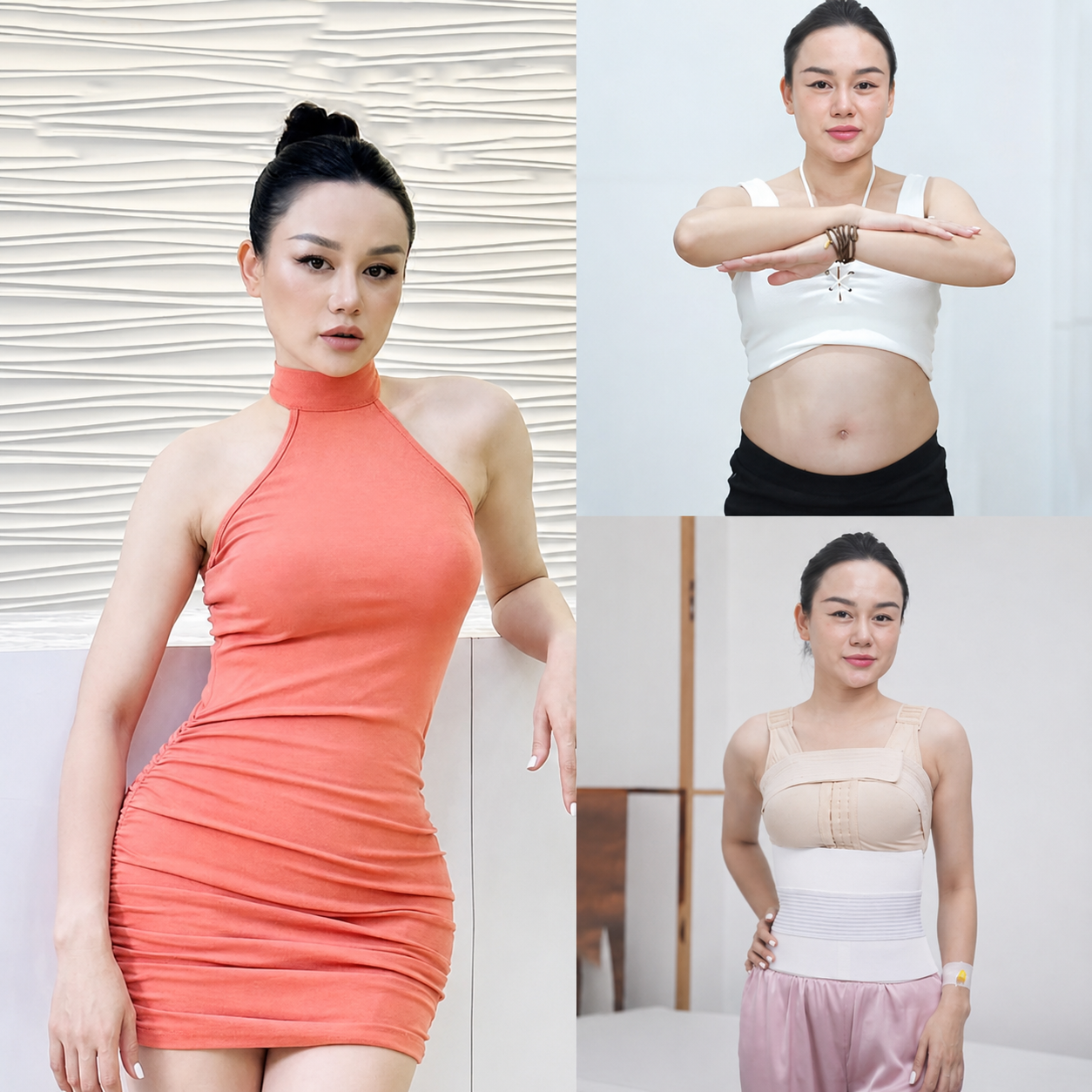
Wearing a compression garment after liposuction helps prevent loose skin, supports recovery, maintains long-term results, and helps the waistline take shape quickly…
- Prevent loose, wrinkled skin after liposuction: When excess fat is removed, the abdominal skin may lose its natural firmness, especially in individuals with poor skin elasticity or advanced age. Compression garments press the skin tightly against the abdominal muscles, thereby reducing the risk of sagging, wrinkled skin and creating a smoother abdominal contour.
- Support recovery and reduce swelling: Liposuction is an invasive procedure that creates empty spaces beneath the skin and can cause swelling and bruising. The compression garment gently compresses tissues, limiting fluid and blood accumulation, helping swelling and bruises resolve faster. At the same time, uniform pressure from the garment reduces post-surgical pain and discomfort.
- Maintain long-lasting aesthetic results: Without compression, remaining fat tissue and loose skin can shift or form uneven clusters, leading to a bumpy or disproportionate abdomen. Compression helps shape the body during the skin and tissue recovery phase, thereby keeping liposuction results stable and naturally beautiful.
- Enhance muscle activity and reduce inflammatory fluid: Pressure from the garment supports abdominal muscles in contracting while enhancing blood and lymphatic circulation, helping the body quickly flush out inflammatory fluids, hematomas, and recovery byproducts. This not only reduces swelling but also minimizes the risk of infection.

3. Consequences of Not Wearing a Compression Garment After Liposuction
Failing to wear a compression garment after liposuction can lead to several serious issues that directly affect aesthetic outcomes: loose skin, uneven liposuction results, prolonged recovery time…
- Loose, wrinkled, and sagging skin: When fat is suctioned out without the skin being pressed firmly against the body—especially in areas with low elasticity—it can create wrinkles, skin laxity, and even abdominal asymmetry.
- Uneven liposuction results: Residual fat or fluid accumulation under the skin can cause bumpy lumpiness, making the abdomen look uneven and unnatural.
- Prolonged recovery time: Lack of pressure from the garment can cause swelling and bruising to take longer to heal, increasing the risk of persistent inflammatory fluid or hematomas.
- Increased risk of complications: Mild complications such as fluid collection, tissue inflammation, or prolonged pain and swelling can occur if compression garments are not used properly.
Therefore, wearing a compression garment after liposuction is not just an aesthetic matter, but a crucial factor in ensuring safety and shortening recovery time.
4. How Long Should You Wear a Compression Garment After Liposuction?
After liposuction, clients should wear an abdominal compression binder for 4 to 6 weeks; however, the specific timeframe may vary depending on individual health constitutions and doctor instructions. In the initial phase, for about 2 to 4 weeks, you should wear it continuously day and night, taking it off only when showering or cleaning the binder. As your body begins to recover, the wearing time can be reduced to 12 to 18 hours per day.
- Stage 1: During the first 2–4 weeks post-liposuction, the main goal is to reduce swelling, stabilize the abdominal region, and help the skin adhere to the underlying tissue. This is a critical period for the abdomen to stabilize and support the recovery process.
- Stage 2: Once past the initial stage, the objective is to maintain shape, stabilize results, and gradually reduce pressure on the abdominal region. This is when the body begins adapting to its new contour and the abdomen becomes increasingly stable.
5. Important Notes When Wearing a Compression Garment After Liposuction
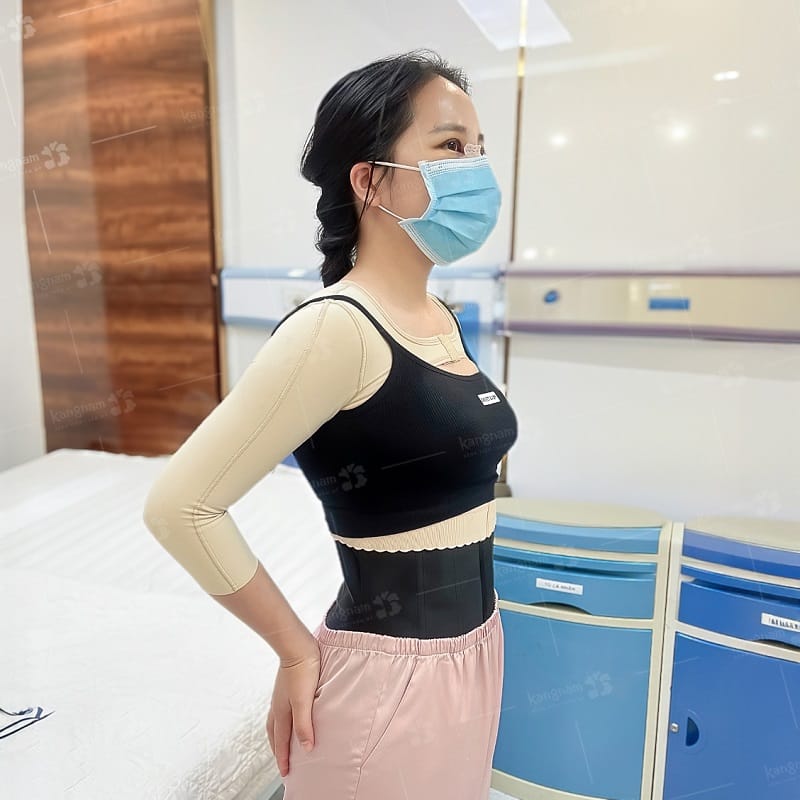
To ensure the compression process yields optimal results, you should keep the following points in mind: choose a suitable garment, follow your doctor’s instructions, keep the binder and abdomen clean, maintain a healthy lifestyle…
- Choose a suitable garment: The compression garment should fit your body properly, applying even pressure without being overly tight. Breathable and elastic materials will enhance comfort and reduce skin irritation.
- Adhere to the wearing duration: Do not wear it for excessively long periods or too tightly, especially in the first weeks post-surgery. Follow your doctor’s guidance regarding the appropriate duration and pressure suited to your recovery status.
- Hygiene and skin care: The abdominal area post-liposuction is sensitive and prone to irritation. Keep both the compression binder and abdominal skin clean and dry to minimize the risk of infection.
- Combine with a proper lifestyle: Maintaining a healthy diet, staying hydrated, and engaging in light activity as guided by your doctor will help your body recover faster and sustain long-term results.
- Follow up and attend periodic check-ups: Attend scheduled follow-up visits regularly so your doctor can evaluate recovery progress and adjust the compression method if necessary. This ensures stable liposuction results and avoids unwanted complications.
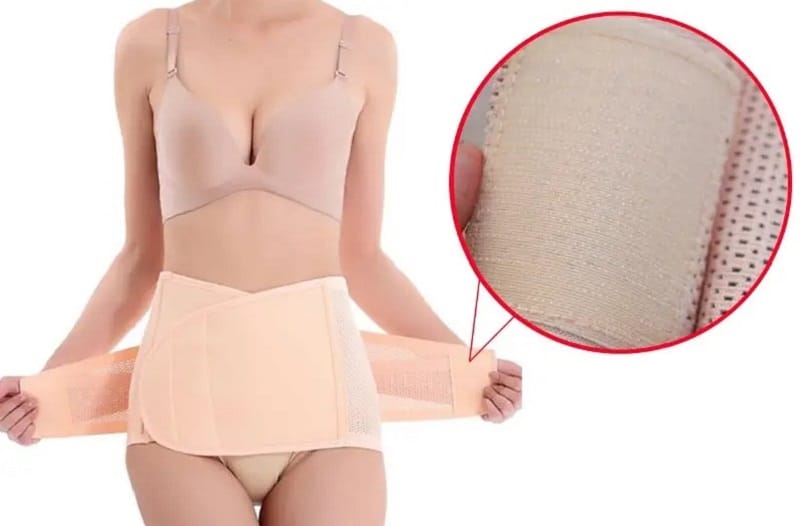
To achieve the best results, you should adhere to your doctor’s guidance regarding duration and garment material, combined with a proper lifestyle. Only with correct care can liposuction results truly stabilize, delivering a slim, firm abdomen and a natural figure.
Reference article:
How Long After Liposuction Can You Shower?
How Long After a C-Section Can You Get Liposuction?