Date posted: 13-07-2026 | Last updated : 13-07-2026
Frown lines (glabellar lines or “11 lines”) between the eyebrows often create an unwanted expression of tiredness, frustration, or premature aging. For international patients seeking quick, non-surgical facial rejuvenation, Botox injections for frown lines offer a highly effective solution with zero downtime.
Here is a comprehensive guide on how Botox smooths frown lines, what to expect during treatment, and essential safety guidelines from Kangnam Korean Aesthetic Hospital.
Frown lines develop primarily due to repetitive facial expressions combined with the natural aging process. Over time, dynamic creases formed by muscle movement transform into static, permanently etched lines.
Primary Triggers of Glabellar Lines:

Botox (Botulinum Toxin Type A) works by targeted neuromodulation. When precisely injected into the glabellar muscle complex, it temporarily blocks signal transmission from local nerve endings to the surrounding muscle fibers.
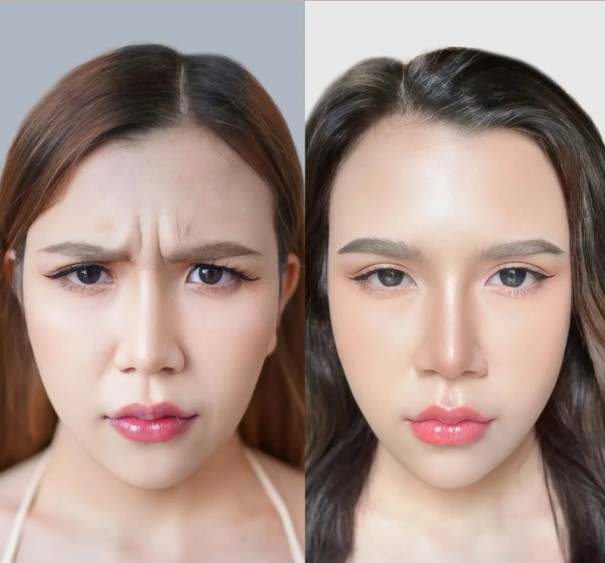
By relaxing these hyperactive muscles, continuous skin folding is halted. As a result, the overlying skin between the eyebrows relaxes, noticeably smoothing out dynamic wrinkles and preventing existing creases from deepening.
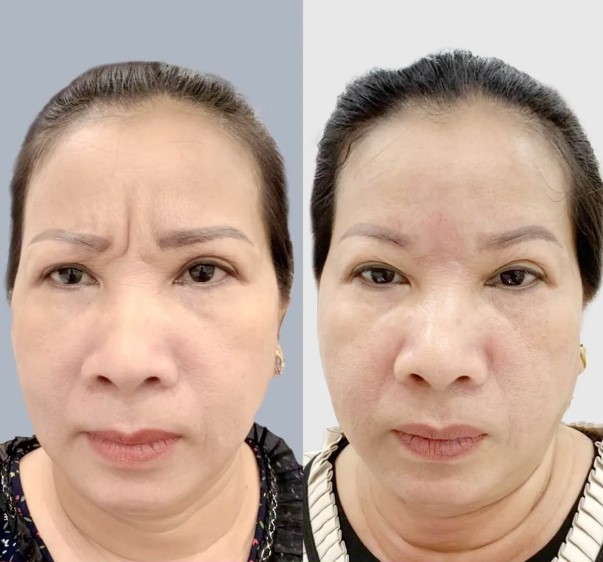
Botox injections for frown lines are virtually painless when performed by experienced, board-certified specialists using micro-fine needles and authentic products.
While mild, temporary side effects such as slight redness, minor localized swelling, subtle bruising, or a mild tension headache can occasionally occur, these typical post-treatment reactions resolve naturally within 24 to 48 hours.
At Kangnam Korean Aesthetic Hospital, all injectable neurotoxins are FDA-cleared and directly imported from premium manufacturers in the United States (Allergan) and South Korea (NABOTA / Botox).
Our dermatologists and aesthetic specialists possess deep expertise in facial muscular anatomy, ensuring micro-dosing precision that eliminates wrinkles while preserving natural, expressive facial dynamics—avoiding a “frozen” or artificial look.
Duration of Results: Clinical results typically last between 3 to 6 months, depending on individual metabolic rates, muscle mass, and expressive habits.
Maintenance Schedule: Because Botox is gradually metabolized by the body, maintenance treatments are recommended every 3 to 4 months to preserve a smooth, youthful forehead profile.
Long-Term Benefits: Regular maintenance injections retrain facial muscles to contract less forcefully, extending the duration of smooth results over time.
Ideal Candidates for Glabellar Botox:
Individuals aged 25 to 60 exhibiting dynamic or early static frown lines between the brows.
Patients who look tired, stern, or older due to deep vertical brow creases.
Travelers seeking immediate facial rejuvenation without surgical downtime or recovery periods.
Contraindications (Who Should Avoid Botox):
Women who are pregnant, planning pregnancy, or currently breastfeeding.
Individuals with known hypersensitivity or allergies to Botulinum Toxin or any product excipients.
Patients diagnosed with neuromuscular disorders (e.g., Myasthenia Gravis, Lambert-Eaton Syndrome).
Individuals currently taking aminoglycoside antibiotics or blood thinners (medical clearance required).
Presence of an active skin infection, inflammation, or herpes simplex lesion at the intended injection site.
Pre-Trip Virtual Assessment: Visiting Vietnam and looking to refresh your facial appearance with zero downtime? Send clear face photos to our medical team for a personalized 1-on-1 virtual evaluation before booking your travel.
Disclaimer: Clinical results, dosage requirements, and longevity vary based on individual physiological factors and anatomical baseline. This guide is provided for educational purposes and does not replace a formal medical evaluation by a qualified physician.