Scar treatment in Vietnam offers a wide range of options, including Fractional CO2 laser, subcision, TCA CROSS, microneedling, intralesional injections, and medical-grade silicone. The appropriate method depends on the scar type, underlying cause, and severity of skin damage. At Kangnam Aesthetic Hospital, we provide tailored scar treatment and skin resurfacing solutions based on each client’s actual skin condition.
Acne scars and post-surgical scars differ in their formation mechanisms and treatment approaches.
Atrophic (depressed) scars typically require techniques to release fibrous tethers or stimulate collagen regeneration.
Keloid and hypertrophic scars can be managed with medical-grade silicone, intralesional injections, or laser therapy.
Active inflammatory acne must be brought under control before undergoing acne scar procedures.
Not all scars can be completely erased; the primary goal is to improve flatness, color, texture, and overall aesthetic appearance.
International patients and overseas Vietnamese (Viet Kieu) should choose a facility with qualified specialists, structured follow-up protocols, and a treatment plan tailored to their length of stay.
1. How Do Acne Scars and Post-Surgical Scars Differ?
Acne Scars form when inflammatory acne responses damage collagen and the skin’s underlying support structure. If tissue regeneration is incomplete, the damaged area can become indented. Conversely, excessive collagen production can result in keloid or hypertrophic scars.
Common types of acne scars include:
- Ice-pick scars: Small, deep, narrow-mouthed pits that extend down into the deeper layers of the skin.
- Boxcar scars: Round or oval depressions with sharply defined edges, a relatively flat base, and varying depths.
- Rolling scars: Wave-like undulations on the skin’s surface caused by fibrous bands beneath the skin pulling the epidermis downward.
Post-Surgical Scars develop at incision sites as the body produces collagen to close and rebuild tissue. Depending on individual healing tendencies, surgical location, skin tension, and post-operative care, these scars can manifest in several ways:
- Flat scars: Fine lines that sit level with the surrounding skin surface.
- Widened (stretched) scars: Scar lines that broaden over time, often linked to mechanical tension at the surgical site.
- Hypertrophic scars: Thick, raised scar tissue that remains confined within the boundaries of the original wound.
- Keloids: Overgrown scar tissue that extends beyond the boundaries of the original injury and may continue to grow over time.
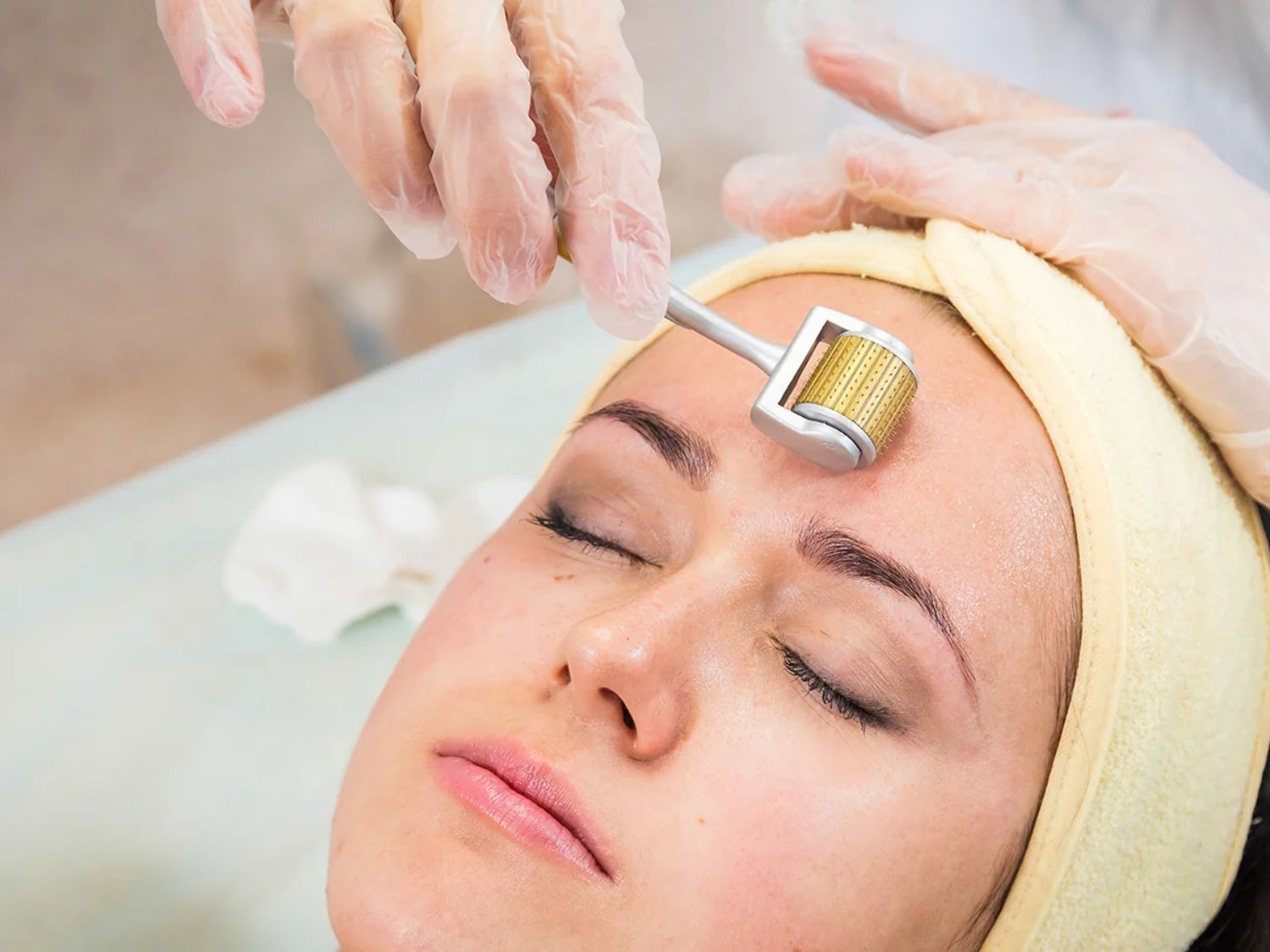
2. Acne Scar Treatment Methods in Vietnam
Acne scar treatment focuses on improving scar depth, skin structure, and surface texture. Doctors typically classify scars into ice-pick, boxcar, and rolling types before selecting an appropriate technique.
- Subcision: Subcision uses a specialized needle inserted beneath the skin to release the fibrous bands pulling the skin surface downward. Once these tethers are released, the depressed area can lift, reducing the depth of the scar. This method is generally suited for rolling scars and certain boxcar scars with tethering. Doctors may combine it with laser therapy or dermal fillers if further structural improvement is needed. Following the procedure, patients may experience swelling, bruising, or mild soreness in the treated area. Recovery time depends on the treatment area size and the extent of intervention.
- Fractional CO2 Laser :Fractional CO2 laser creates controlled microscopic thermal injuries in the skin, stimulating tissue regeneration and collagen production. This method helps improve uneven skin surfaces, certain types of atrophic scars, and rough skin texture. After treatment, the skin may appear red, slightly swollen, crusted, and flaky. Surface recovery typically takes from a few days up to 1–2 weeks, depending on the energy level and treatment area. Collagen remodeling continues over the subsequent months. For patients prone to hyperpigmentation, doctors must carefully adjust treatment parameters and provide strict sun protection guidelines.
- TCA CROSS (Chemical Reconstruction of Skin Scars): TCA CROSS uses high-concentration trichloroacetic acid applied directly to the base of the scar. The subsequent tissue regeneration response stimulates collagen formation, helping to reduce scar depth. This technique is commonly chosen for deep, narrow-mouthed ice-pick scars. However, high-concentration TCA can cause chemical burns, hyperpigmentation, or new scarring if applied improperly. Therefore, it should never be attempted at home.
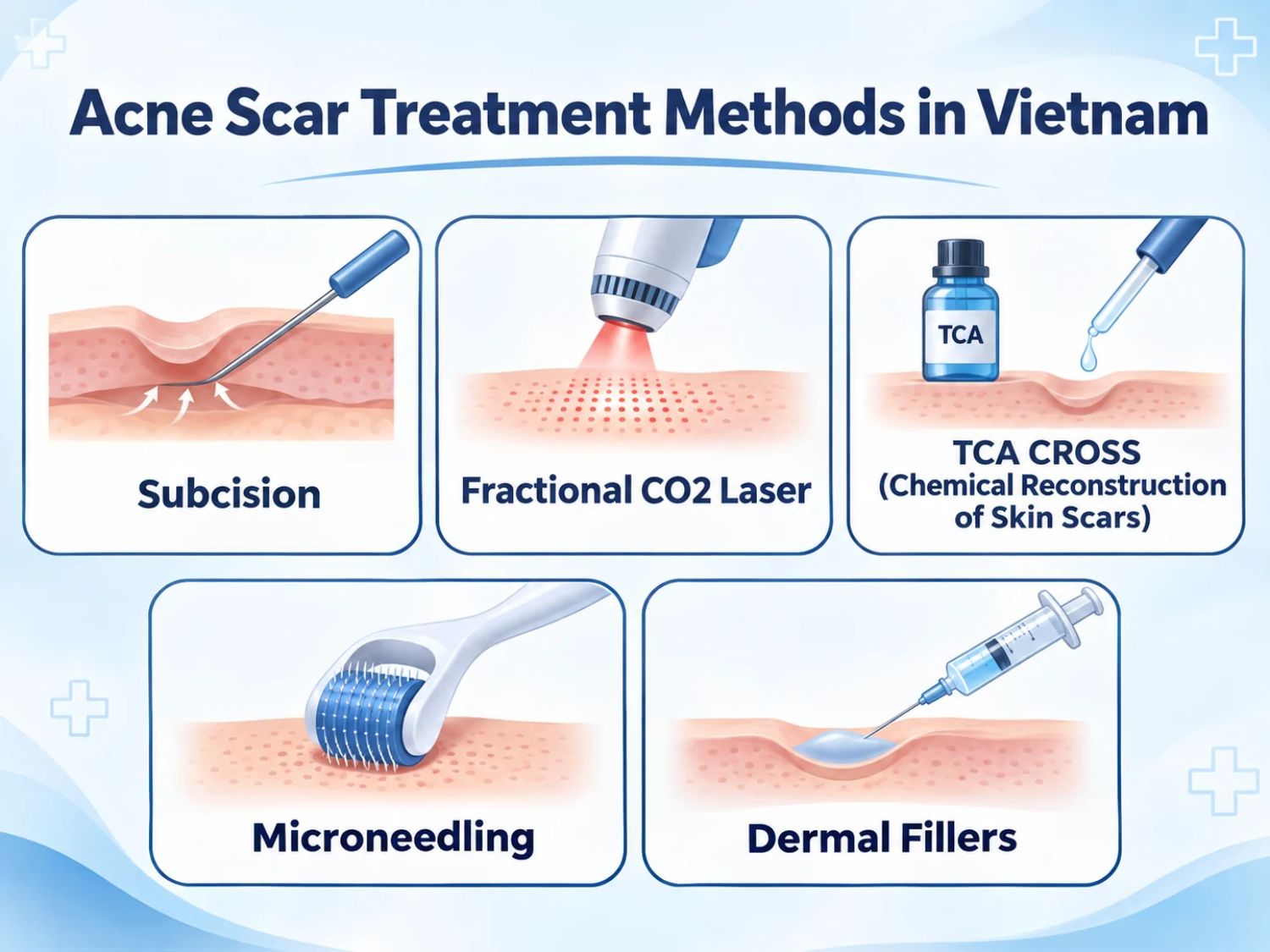
- Microneedling: Microneedling uses fine needles to create controlled mechanical micro-injuries, triggering tissue repair responses and the production of collagen and elastin. This approach can help improve shallow atrophic scars, uneven skin surfaces, and various texture concerns. Depending on the condition, doctors may consider RF (Radiofrequency) microneedling to deliver additional thermal energy into targeted tissue layers. Microneedling is not suitable for every case, particularly when the skin has active inflammatory acne, infections, or unstable lesions.
- Dermal Fillers: Fillers—most commonly hyaluronic acid-based—are injected into select depressed scars to restore tissue volume and elevate the skin surface. This method may suit deep, broad-based atrophic scars or areas with volume loss. However, fillers do not resolve underlying fibrous tethers. Doctors must evaluate the scar structure and potential complication risks before injecting.
Overall, ice-pick scars typically require targeted focal treatments like TCA CROSS; rolling scars often benefit from subcision; and lasers or microneedling help refine overall surface texture. Not every patient needs a combination of all techniques.
3. Keloid and Post-Surgical Scar Treatment Methods in Vietnam
Unlike atrophic scars, keloids and hypertrophic scars form due to excessive collagen proliferation during wound healing. Treatment aims to reduce thickness, firmness, redness, itching, or pain while preventing further scar growth.
- Medical-Grade: Silicone Gel and Sheets Medical-grade silicone is commonly used to prevent and improve newly formed hypertrophic and keloid scars. Available as topical gels or adhesive sheets, it maintains a hydrated environment that helps soften and flatten scar tissue. Popular medical-grade silicone products include Dermatix Ultra, Strataderm, and Rejuvasil. However, effectiveness depends on the scar’s condition and patient adherence to usage instructions. Only apply silicone once the wound has completely closed; never apply it to open, oozing, or unhealed scabbed skin. Treatment typically lasts from several weeks to a few months.
- Intralesional Corticosteroid Injections: Doctors inject corticosteroids—most commonly Triamcinolone—directly into the scar tissue to suppress inflammation and reduce collagen overproduction. This method is frequently used for thick, firm, itchy, or painful keloid and hypertrophic scars. Patients may require multiple sessions spaced several weeks apart depending on their response. In some cases, doctors combine 5-Fluorouracil (5-FU) with corticosteroids to enhance scar control. Potential side effects include skin atrophy (thinning), telangiectasia (visible blood vessels), and pigmentation changes at the injection site.
- Laser Scar Therapy Pulsed Dye: Laser (PDL) targets blood vessels within the scar tissue to reduce redness and associated symptoms. Other laser modalities may be selected to improve scar thickness or surface texture. Lasers cannot completely eradicate every type of keloid. Doctors must assess scar thickness, color, location, and tissue characteristics before recommending treatment.
- Cryotherapy: Cryotherapy uses extremely cold temperatures, typically from liquid nitrogen, to destroy a portion of overgrown scar tissue. It may be considered for small keloids, sometimes in combination with corticosteroid injections. A notable limitation is that cryotherapy can cause hypopigmentation (skin lightening) in the treated area. This requires careful consideration in patients with darker skin tones or those prone to post-inflammatory lightening.
- Surgical Scar Revision: Surgery may be considered for widened scars, contracture scars, or large scars affecting function and aesthetics. Surgeons can excise the scar tissue, reorient incision lines, or reconstruct the damaged skin area. For keloids specifically, surgical excision alone carries a high risk of recurrence, and the scar may even grow back larger. Therefore, if surgery is necessary, doctors typically design a multimodal plan to prevent recurrence.
According to the American Academy of Dermatology (AAD), keloid treatment often requires combining injections, silicone, cryotherapy, or surgery alongside recurrence-prevention measures. Surgical excision should not be viewed as a standalone cure.

4. When Should You Start Treating Acne or Post-Surgical Scars?
Treatment timing depends on the scar’s cause, the stage of wound healing, and the planned intervention. Not all scars require immediate treatment upon appearance.
For Acne Scars
- Inflammatory acne should be brought under control before starting scar resurfacing procedures.
- Once acne is stable, a doctor can evaluate scar morphology and establish a treatment plan.
- Older atrophic scars can still be improved with appropriate techniques, though the degree of response depends on scar structure and individual healing capacity.
For Post-Surgical Scars
- While the incision is still healing, prioritize wound hygiene and care according to your surgeon’s instructions.
- Once the wound has completely closed, your doctor may consider medical-grade silicone or other preventive measures.
- If a scar begins to thicken, redden, itch, or grow beyond the incision line, seek an early evaluation to assess keloid risk.
For Contracture Scars or Restricted Mobility Scars from surgery or burns can cause tissue contraction, creating skin tightness and limiting movement in the affected area. These cases require evaluation by a dermatologist or plastic surgeon and should not be managed with topical products alone.
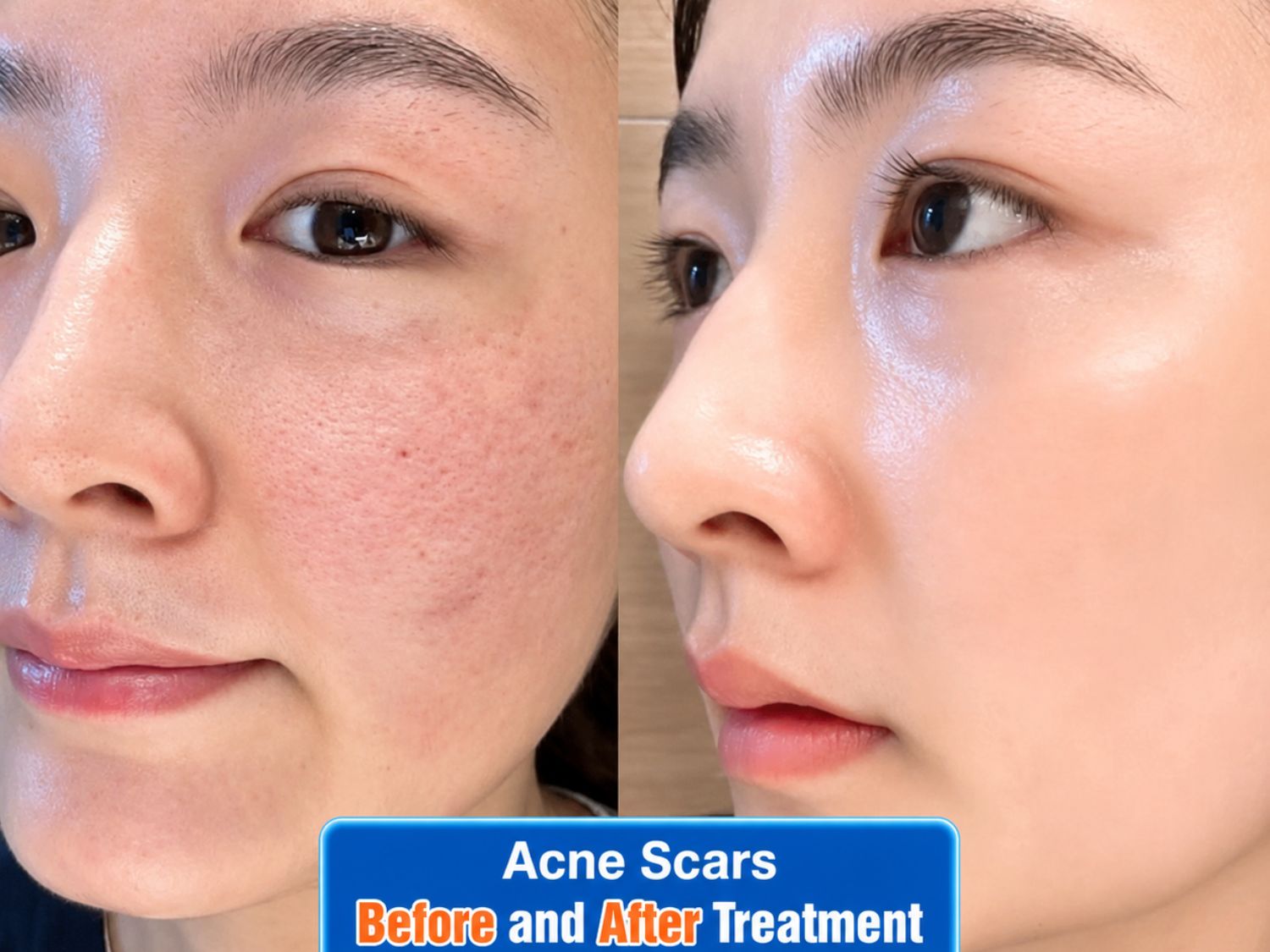
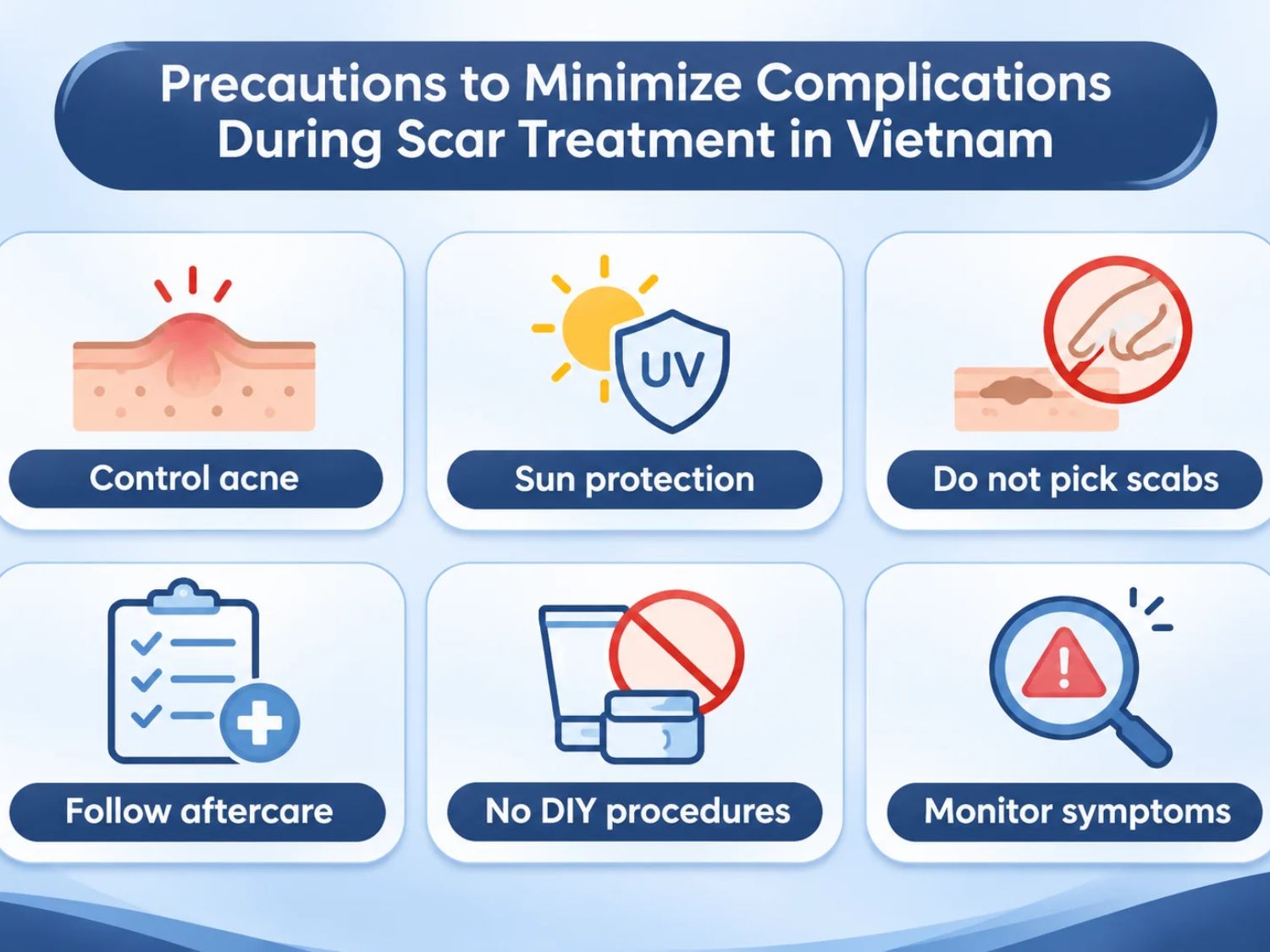
5. Precautions to Minimize Complications During Scar Treatment in Vietnam
Vietnam’s hot, humid climate and high UV index make post-procedure skincare especially critical. Patients prone to hyperpigmentation must strictly follow their doctor’s instructions.
- Control acne before scar treatment: Avoid resurfacing procedures on skin with severe inflammatory acne, active infections, or unstable lesions.
- Practice strict sun protection: Apply broad-spectrum sunscreen with SPF 30 or higher, wear protective clothing, and minimize direct sun exposure.
- Do not pick at scabs: After lasers or resurfacing procedures, never peel crusts or rub healing skin.
- Follow aftercare instructions: Use prescribed topical medications, moisturizers, and recovery products as directed.
- Never attempt DIY procedures: TCA CROSS, corticosteroid injections, and subcision must only be performed by qualified medical professionals.
- Monitor for abnormal symptoms: Increasing pain, warmth, swelling, pus discharge, or spreading redness requires prompt medical attention.
For patients prone to post-inflammatory hyperpigmentation (PIH), doctors must carefully calibrate laser energy levels, treatment depth, and intervals between sessions. Techniques should never be chosen solely based on a desire for rapid results.
6. Kangnam Aesthetic Hospital – Scar Consultation and Treatment in Vietnam
Kangnam Aesthetic Hospital provides consultations and treatments for various skin concerns, including scars and surface irregularities. For domestic patients, overseas Vietnamese (Viet Kieu), and international visitors, an accurate scar assessment is a crucial first step before selecting any intervention.
During a consultation, doctors evaluate key characteristics such as:
- Cause of scarring: Acne, surgery, or other trauma.
- Scar morphology: Atrophic, keloid, hypertrophic, widened, or hyperpigmented.
- Dimensions: Size, depth, and surface area of the scar.
- Tissue behavior: Degree of tissue proliferation, contracture, and functional impact.
- Medical history: Previous treatments, personal predisposition to keloids, and hyperpigmentation risk.
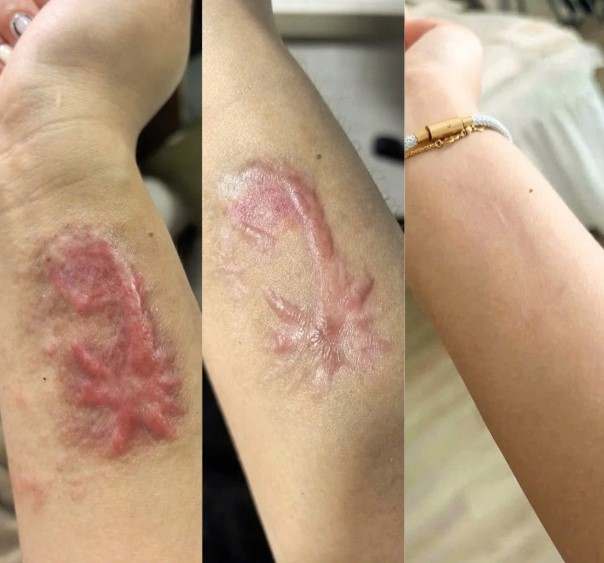
Based on this assessment, doctors recommend a tailored treatment plan suited to the patient’s actual condition. For atrophic acne scars, the focus is on improving depth and surface texture. For post-surgical scars, doctors determine whether the scar is still actively healing, fully stabilized, or showing signs of abnormal proliferation.
7. Frequently Asked Questions About Scar Treatment in Vietnam
Which methods are effective for treating acne scars in Vietnam?
Depending on scar morphology, doctors may select subcision, Fractional CO2 laser, TCA CROSS, microneedling, or dermal fillers. Ice-pick, boxcar, and rolling scars generally require distinct approaches.
How soon after surgery can scar treatment begin?
Post-surgical scar treatment can typically start once the incision has completely closed and healed—usually around 2–4 weeks post-operation. However, exact timing depends on healing progress, scar type, and the chosen treatment modality.
Can keloid scars be completely cured?
Keloid scars cannot be completely eradicated. Current medical treatments primarily aim to flatten and soften the scar, reduce redness and itching, improve cosmetic appearance, and minimize the risk of recurrence.
Thermage and HIFU in Vietnam: How to Verify Authentic Devices and Treatment Costs for International Clients
PicoSure in Vietnam: PicoSure Pro Laser Technology for Skin Pigmentation Treatment, Tattoo Removal, and Skin Rejuvenation