Date posted: 24-07-2026 | Last updated : 25-07-2026
Thanks to advancements in modern medicine, cleft palate surgery helps reconstruct the palate, restoring a normal appearance. However, many parents still wonder what the post-operative results look like after cleft palate surgery and whether it leaves noticeable scars.
Post-operative cleft palate surgery images show closed palatal gaps, reconstructed lips and palates, and restored speaking and swallowing functions for clients.
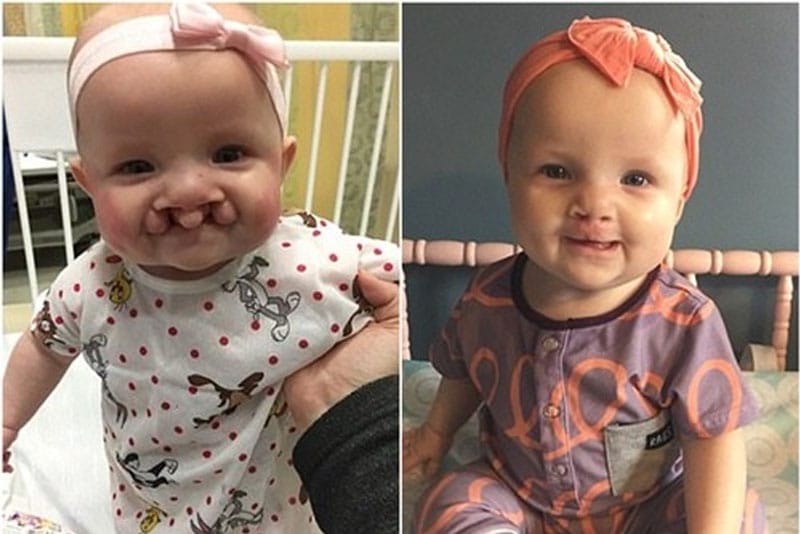
Cleft palate surgery in young children enhances communication and social interaction capabilities, helping children gain greater confidence in their speech. For teenagers, surgery helps restore facial balance and harmony, thereby boosting confidence in daily life.
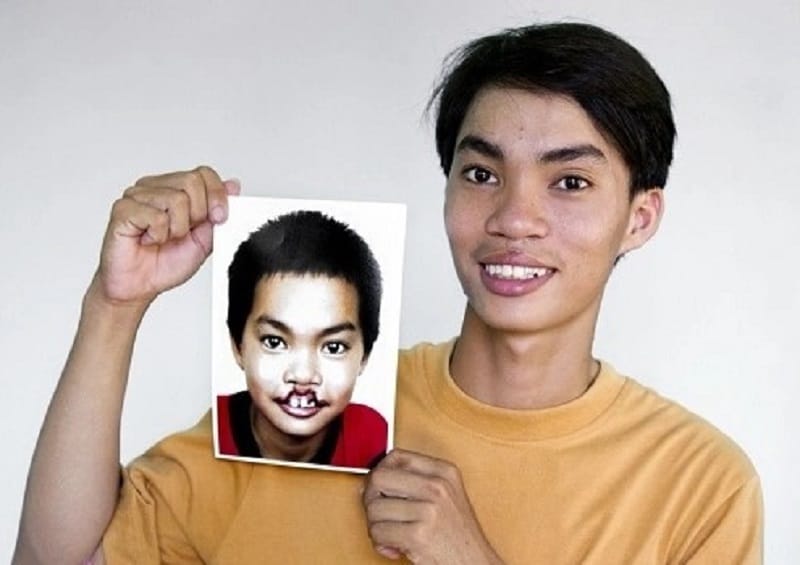
A prominent example is Nhu Canh (21 years old, Hoa Binh), who suffered from congenital cleft lip and palate sequelae. Thanks to plastic surgery at Kangnam Aesthetic Hospital, she achieved a beautiful, confident new appearance.
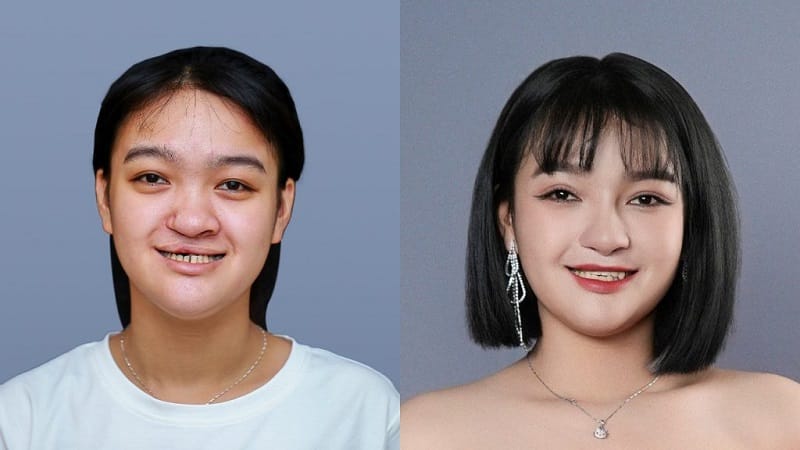
Similarly, Tran Thi Xuan Mai (19 years old, Ninh Thuan), despite facing hardships from a young age due to congenital cleft lip and palate deformities, was fortunate to receive free surgery at Kangnam. Through multiple interventions including jaw correction, rhinoplasty, fat grafting, and scar revision, Mai now enjoys a more balanced and harmonious facial structure.
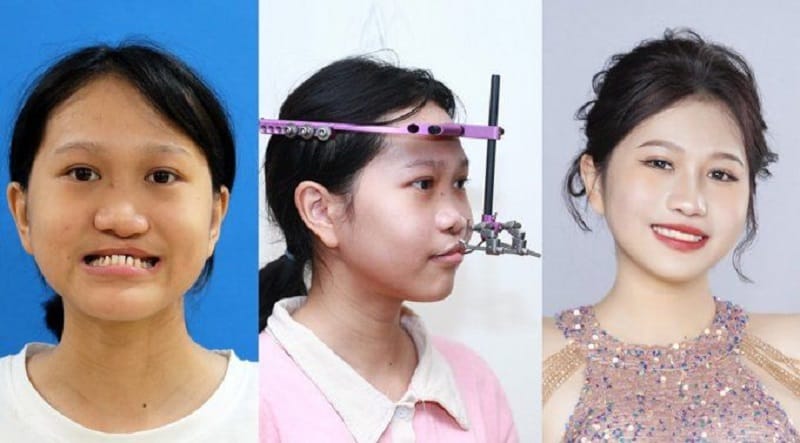
Early surgical intervention for children with cleft lip and palate deformities significantly minimizes scar formation. When treated in a timely manner, the risk of large or aesthetically displeasing scars is reduced to a minimum, facilitating better wound healing and delivering optimal cosmetic outcomes.
Additionally, surgeons always strive to apply advanced techniques to minimize scarring, placing incisions in hidden locations or along natural body creases. Initial scars may appear red and slightly firm, but over time, they gradually fade and blend into the surrounding skin tone.

Cleft palate surgical wounds typically heal within approximately 2 to 3 weeks. To see clear final results and achieve full functional recovery, clients generally require 3 to 6 months.
During this period, some individuals may need to continue rehabilitation therapy, including physical and speech exercises. These exercises play a crucial role in improving speech and eating capabilities, helping patients return swiftly to normal daily activities.
Complete recovery time spans approximately 3 to 6 months
Scarring To ensure rapid surgical recovery, clients should maintain proper hygiene, follow a nutritious diet, take prescribed pain relievers, and limit strenuous activities:
Proper Wound Hygiene: Strictly follow the doctor’s instructions on wound care to avoid infection. Regularly clean the oral cavity and surgical site with normal saline or specialized antiseptic solutions.

Dietary Care: During the initial days, clients should consume soft, liquid foods that are easy to swallow to avoid damaging the surgical site. Avoid foods that are excessively hot, cold, hard, or acidic.
Pain Relief Medication: Doctors will prescribe pain relievers to keep clients comfortable; take medications strictly according to designated dosages and schedules.
Avoid Touching the Wound: Never touch, scratch, or insert foreign objects into the mouth to prevent wound damage and infection risks.
Limit Strenuous Activity: Avoid vigorous physical activities that could impact the facial area.
Protect Scars from Sun Exposure: UV rays can darken scars and hinder fading. Protect scars using sunscreen or proper physical coverage when venturing outdoors.
Adhere to Follow-up Appointments: Attend scheduled follow-up visits as directed by the surgeon to monitor wound healing, allowing early detection and timely management of complications (if any).
Speech Therapy Exercises: For cases where cleft palate impacts pronunciation, practicing with a speech therapist is essential to improve speech function.
Post-operative cleft palate surgery images demonstrate that scarring can be effectively minimized, and the recovery process can proceed smoothly when given proper care.
Cheekbone Augmentation: Lifting Flat, Low Cheekbones
Temple Augmentation: Filling Hollow Temples for a Fuller Face