Date posted: 24-07-2026 | Last updated : 25-07-2026
Cleft palate, also known as cleft mouth, is a congenital deformity that presents significant challenges for parents and affected children. Possessing the highest prevalence among congenital birth defects, cleft mouth impacts both the physical health and psychological well-being of the child. However, with the advancements of modern medicine, cleft palate repair surgery has become significantly safer and more effective. Let’s explore a complete A-Z guide on this deformity, including the best treatment and prevention strategies for children.
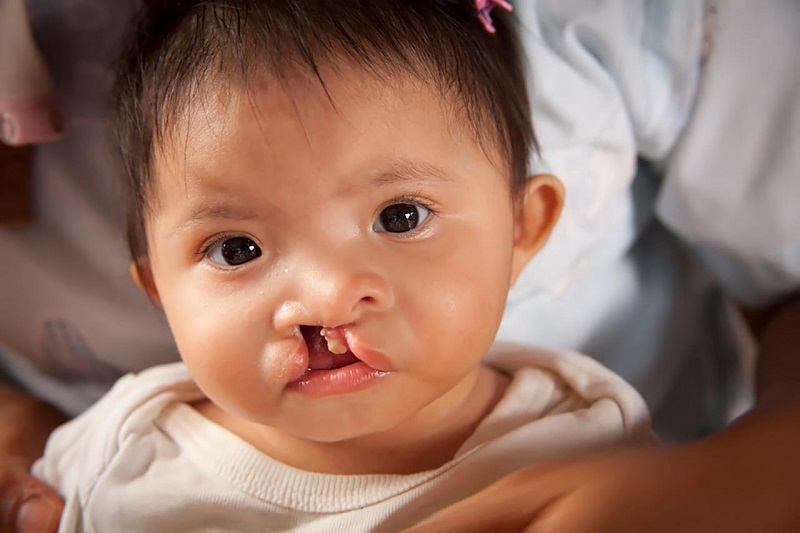
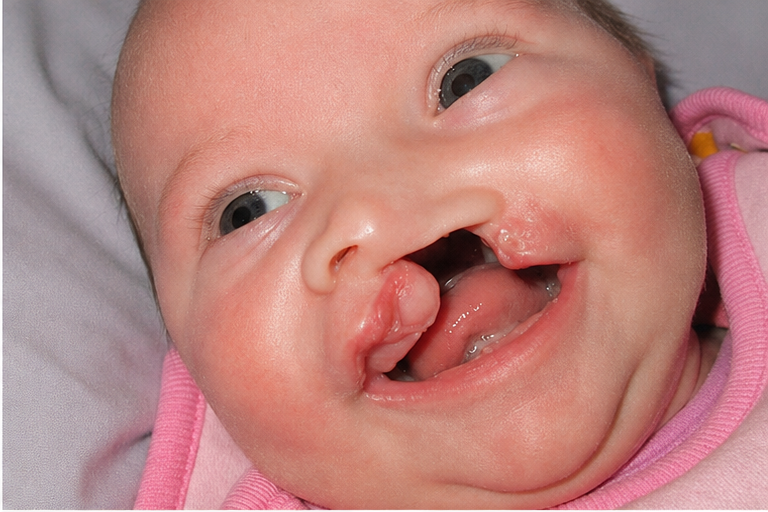
Cleft palate deformity is the result of incomplete development of the lips or tissues during fetal formation in the womb. This condition distorts the child’s nose and mouth, creating a gap between the palate (roof of the mouth) and the nasal cavity.
Cleft mouth is frequently accompanied by a cleft lip, in which the upper lip does not develop evenly, resulting in a fissure on one or both sides of the midline of the upper lip. Cleft lip and cleft palate can occur individually or simultaneously, forming a combined cleft lip and cleft palate condition.
This deformity appears in infants right from birth and may be caused by genetic factors, genes, or other influences during pregnancy. While a cleft mouth is not life-threatening, it adversely affects a child’s physical and mental development.
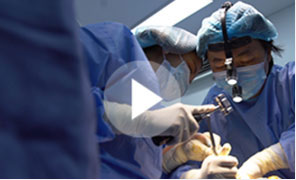
However, a cleft mouth can be completely corrected thanks to medical progress. Specialists can perform surgical procedures to improve cleft lip and palate, enabling children to live healthier, normal lives.
The formation of the fetus’s lip and upper jaw occurs during weeks 4–5 and weeks 7–8 of pregnancy. Fetal development during this stage is highly critical and vulnerable to external influences.
Several common causes lead to cleft mouth conditions in children, including:
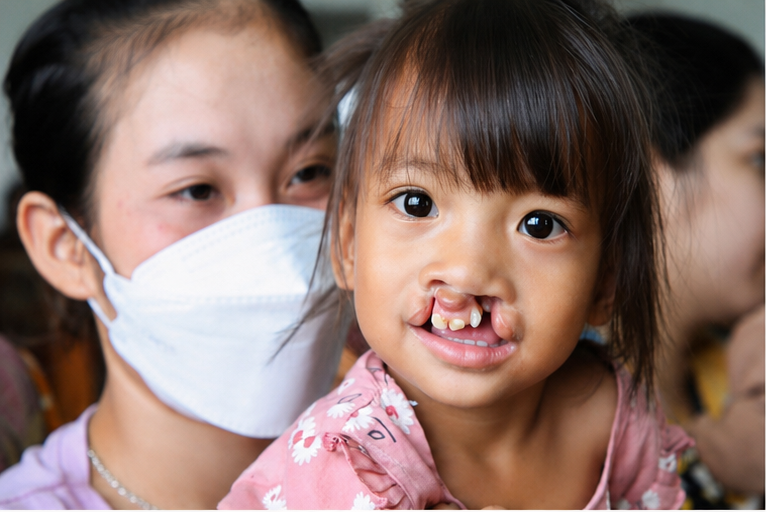
Caring for a child with a cleft palate is a challenge for parents, requiring patience and perseverance to help the child step-by-step regain their appearance and normal eating function.
This is a period when the infant is very sensitive and their body is not yet stably developed. Parents must know how to cherish and care for them meticulously to ensure good health, supporting the upcoming surgical phase:
After the child undergoes cleft palate surgery, parents should keep the following precautions in mind:
During this period, parents experience somewhat less hardship in caring for a child with a cleft mouth because the child can now listen to and comprehend parental guidance. This makes it easier for parents to listen to, understand, and support their child, facilitating smooth treatment processes.
During this stage, parents should continue educating the child on the importance of oral hygiene so they develop conscious daily habits. Simultaneously, consult doctors to adjust the dental arch or jawbones if necessary.
In cases where the child faces psychological issues, strive to listen and consider therapeutic support for them.
Upon reaching 18 years of age, individuals with cleft palate deformities can independently decide on surgical interventions to refine nasal alae, correct unsightly lip scars, perform double-jaw osteotomy, or execute jaw distraction if desired to further enhance overall facial aesthetics.
Cleft mouth surgery is performed when a child reaches a specific age and meets the health conditions required for the procedure. Cleft mouth surgery offers numerous benefits to underprivileged children, repairing the palate defect, restoring chewing function, and providing a normal appearance.
The optimal surgical timeline for children with a cleft mouth is evaluated and prescribed by specialists. Typically, children aged 3–6 months with a body weight of 6.5 kg or more will undergo lip repair surgery.

At private dental centers, cleft mouth surgery costs range around 6,000,000 VND. Meanwhile, at major specialized hospitals performing surgery for children under 6 years old covered by National Health Insurance, costs can decrease to 3,089,000 VND.
Please note that the above figures do not include costs related to bone grafting if required.
Kangnam Aesthetic Hospital possesses a specialized Maxillofacial Surgery Department capable of effectively correcting deformities caused by cleft mouth conditions, realigning jawbones into their proper positions.
Concurrently, Kangnam provides safe and effective lip scar removal technologies, alongside modern rhinoplasty techniques to refine nasal shapes and elevate overall facial aesthetics.
The medical team and staff at Kangnam are professional and dedicated to supporting clients before, during, and after the surgical process. This creates a friendly, comfortable, and safe environment so clients can recover with peace of mind.
Kangnam is equipped with advanced facilities and technology meeting international medical standards for surgery and care quality. This ensures clients access top-tier medical services that promote rapid recovery.
Kangnam clients confidently show off their new appearance post-surgery
Correcting underbite and comprehensively repairing deformities
Resolving consequences of cleft palate, helping a young lady regain a pretty appearance
Kangnam brings happiness with a beautiful new look for clients
Cleft lip and cleft mouth have the potential to be inherited from parents to offspring. Research indicates that genetic factors play a significant role in causing this condition. If there are prior cases of cleft lip and palate within a family, the likelihood of a child being born with this defect is higher compared to families with no history.
However, environmental factors also contribute during fetal formation and development in the womb, leading to uneven development of the upper jaw and lips.
Children Preventing cleft mouth in children is an essential step to reduce the risk of this deformity. Below are preventive measures for cleft lip and palate in infants:
In summary, cleft palate deformities present numerous hardships for both children and parents. Therefore, parents should take maximum preventive measures starting right from pregnancy. Furthermore, remain dedicated partners alongside your child through every stage to ensure they receive the best support and development.
Cheekbone Augmentation: Lifting Flat, Low Cheekbones
Temple Augmentation: Filling Hollow Temples for a Fuller Face