Date posted: 13-07-2026 | Last updated : 13-07-2026
Experiencing swelling a significant time after receiving dermal fillers can indicate a delayed complication. Potential triggers include improper injection technique, inadequate post-care, low-quality or non-FDA approved products, or late-stage infection. Identifying the precise cause is the critical first step toward safely resolving the issue.
Delayed swelling can stem from factors related to filler quality, practitioner technique, or individual immune responses:

Distinguishing between typical post-injection responses and serious complications is vital for safety:
| Criteria | Normal Reaction | Medical Complication |
| Onset | Appears within 2–24 hours post-treatment. | May appear immediately, days, weeks, or months later. |
| Duration | Subsides within 2 to 4 days. | Persists over 7 days without improvement or progressively worsens. |
| Severity | Mild to moderate fullness; slight tightness. | Severe, disproportionate, asymmetric swelling, or firm nodules/nodular induration. |
| Skin Appearance | Normal skin tone or localized mild redness. | Spreading redness, dark bruising, blanching (pale skin), or purple/mottled discoloration (vascular compromise). |
| Systemic Symptoms | None. | Mild fever, swollen lymph nodes, severe localized heat, throbbing pain, or fatigue. |
Note: Normal swelling is a natural tissue response to micro-needle entry and hyaluronic acid hydration. However, persistent pain, severe discoloration, or firm lumps warrant immediate evaluation by a qualified medical professional.
When seeking dermal filler treatments in Vietnam, international clients prioritize physician expertise, authentic products, and strict safety standards. Kangnam Korean Aesthetic Hospital provides these medical guarantees alongside specialized VIP services tailored for international travel schedules:
Our dermatologists and facial plastic surgeons possess deep expertise in facial anatomy and soft-tissue structure. By placing fillers in exact anatomical layers with precise micro-dosing, Kangnam ensures natural facial balance while minimizing the risk of swelling, vascular occlusion, or migration.

Kangnam exclusively utilizes high-grade, FDA-cleared and CE-marked hyaluronic acid fillers, including Juvederm (France), Xcelens (Switzerland), and E.P.T.Q. (South Korea). Every product is unboxed and verified for authenticity, offering exceptional biocompatibility and long-lasting, predictable results.
International clients can complete a 1-on-1 online video assessment prior to traveling. Surgeons evaluate facial structure, discuss aesthetic goals, and provide transparent treatment plans—eliminating unnecessary wait times upon arrival in Vietnam.
Filler treatments take just 15 to 30 minutes, offering instant refinement with minimal downtime. This allows overseas clients with tight 1-to-2 week itineraries to comfortably enjoy their trip.
Rather than addressing isolated wrinkles, Kangnam’s specialists analyze full-face proportions. Treatment protocols are customized according to individual bone structure, skin elasticity, and personal aesthetic goals.
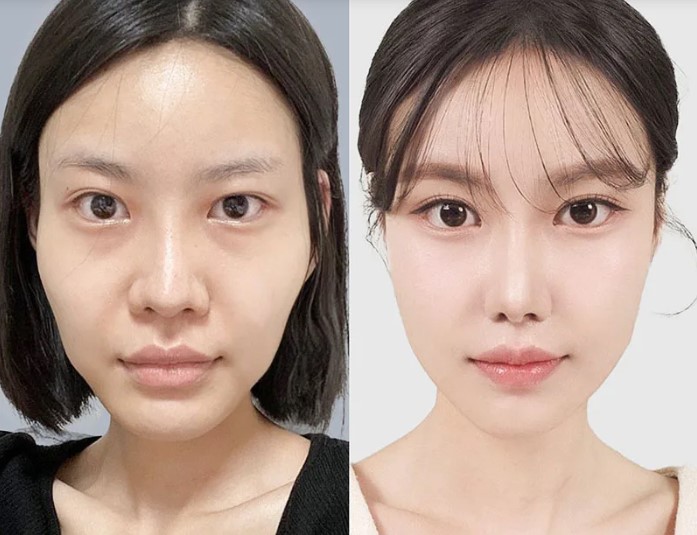
Kangnam offers priority scheduling, airport transport assistance, and multi-lingual patient coordinators to ensure a seamless medical journey from arrival to post-care follow-up.
If you experience swelling after receiving dermal fillers, follow these physician-backed protocols:
Apply a cold gel pack or ice wrapped in a clean, soft cloth to the affected area for 10–15 minutes at a time. Cold compression constricts blood vessels, reduces localized blood flow, and calms acute swelling and discomfort.
Precaution: Never apply bare ice directly to the skin to avoid cryo-burns.

After 24 hours—if the area is not overly tender or painful—light touch or soft fingertip pressure can aid lymph drainage.
Precaution: Do not massage or press firmly unless explicitly instructed by your physician, as heavy pressure can displace the filler material or aggravate inflamed tissue.
Avoid intense physical exercise, heavy lifting, bending over for prolonged periods, or exaggerated facial expressions during the first few days. Strenuous activity increases blood pressure and facial blood circulation, which can worsen swelling.
Keep the treatment area clean by gently rinsing with normal saline solution or a mild cleanser. Avoid harsh physical scrubs or unverified cosmetics over fresh injection sites to prevent bacterial entry and secondary infection.
If swelling persists beyond a few days or is accompanied by heat or tenderness, consult a doctor. Medical professionals may prescribe oral anti-inflammatory medications, antihistamines, or antibiotics if an infection or biofilm is suspected.

For at least 5 to 7 days post-treatment, avoid alcohol, smoking, high-sodium foods, and spicy meals. High salt intake promotes fluid retention, while alcohol acts as a vasodilator, both of which exacerbate facial puffiness.
Drink 1.5 to 2 liters of water daily to support lymphatic clearance and cellular recovery. Incorporate foods rich in Vitamin C and antioxidants to support tissue repair and naturally manage inflammation.
To minimize the risk of swelling and late-stage filler complications:
Select Certified Products: Ensure your clinic uses internationally recognized brands (e.g., Juvederm, Restylane, Belotero, E.P.T.Q.) that are approved by the US FDA or national health authorities.
Disclaimer: Treatment outcomes, swelling duration, and recovery protocols depend on individual anatomy and biological response. This guide is provided for educational purposes and does not substitute for direct clinical advice from a qualified medical doctor.