
Date posted: 01-07-2026 | Last updated : 07-07-2026
As she entered middle age, Emily began noticing increasing excess skin of the upper eyelids, making her eyes appear heavy and her face look constantly tired. After a consultation at Kangnam Aesthetic Hospital, she was recommended to undergo upper blepharoplasty tailored to her age-related eyelid changes. Following recovery, the excess skin was successfully removed, her upper eyelid crease became more defined, and her eyes appeared brighter, more refreshed, and more youthful.
As someone whose work involves frequent face-to-face communication, Emily wanted to maintain a polished and well-rested appearance. However, over time, the natural aging process led to increasing dermatochalasis (excess upper eyelid skin) and localized fat accumulation.
The redundant eyelid skin gradually obscured her natural eyelid crease, causing her eyes to appear heavy and less expressive, while giving her face a persistently fatigued appearance—even when she was well rested.
In addition to affecting facial aesthetics, the excess skin also made makeup application more difficult because the drooping eyelids concealed the natural eyelid fold. After researching her treatment options, Emily decided to visit Kangnam Aesthetic Hospital for a comprehensive evaluation and consultation.
At Kangnam, Emily was personally evaluated by Dr. Vu Minh Tan (Dr. Frankie Vu), Head of the Medical Aesthetics Division at Kangnam Aesthetic Hospital, Ho Chi Minh City.
During the consultation, the surgeon performed a comprehensive assessment of the periocular region, including:
This detailed evaluation helped identify the specific anatomical factors contributing to the heavy appearance of her eyes, allowing the surgeon to develop an individualized treatment plan rather than applying a standardized surgical technique.
According to the surgeon, in patients with age-related upper eyelid laxity, the objective is not simply to remove excess skin but also to recreate a natural-looking eyelid crease that remains balanced and harmonious with the patient’s facial features.
After completing her preoperative evaluation and consultation, Emily underwent upper blepharoplasty as recommended by her surgeon.
The procedure was performed in a hospital setting under sterile surgical conditions with continuous monitoring by the medical team.
During the first few postoperative days, mild swelling of the eyelids was expected. This is a common postoperative response and typically subsides gradually with appropriate postoperative care.
Emily returned for her scheduled follow-up appointment approximately 5–7 days after surgery. By 10–15 days, the treated area had become progressively more stable. The eyelid crease appeared more defined, the excess skin had been successfully removed, and her eyes looked brighter, more open, and more expressive. As a result, her overall facial appearance became noticeably younger and more refreshed.
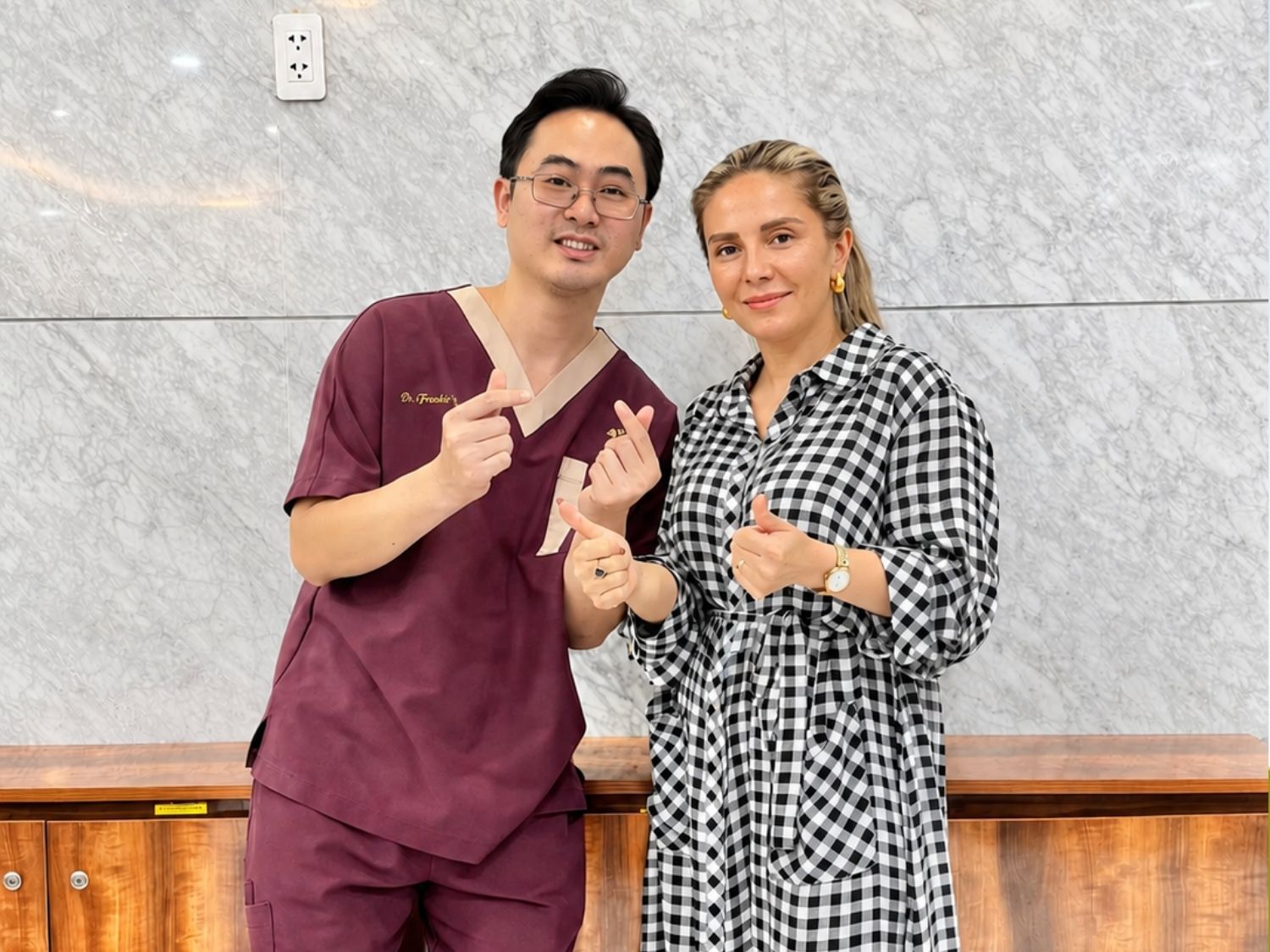
Emily’s outcome demonstrates that when upper blepharoplasty is carefully planned according to each patient’s individual anatomy and performed by a qualified surgeon, the procedure can improve not only facial aesthetics but also create a brighter, more alert appearance that complements the overall face.
Upper blepharoplasty is one of the most commonly performed aesthetic procedures at Kangnam Aesthetic Hospital because of its comprehensive preoperative evaluation, personalized treatment planning, and experienced surgical team.
Rather than creating a standardized eyelid crease for every patient, the surgeon carefully evaluates:
Based on these findings, an individualized surgical plan is developed to achieve the most appropriate aesthetic outcome.
In addition to the surgical procedure itself, Kangnam provides a structured postoperative care program, including scheduled follow-up visits, to monitor healing and support patients throughout their recovery.
If you are experiencing excess upper eyelid skin, heavy-looking eyes, or a tired facial appearance due to aging, a consultation at Kangnam Aesthetic Hospital can help determine the treatment option most appropriate for your individual condition.
Note: Aesthetic outcomes vary depending on individual anatomy, the degree of age-related tissue changes, and adherence to postoperative care instructions. This article is intended for informational purposes only and should not replace an in-person consultation with a qualified physician.
Professional Information
Privacy Notice: To protect patient privacy, certain identifying information has been modified. All photographs and article content have been published with the patient’s informed consent.
Medical Disclaimer: This article is intended for informational purposes only and does not replace an in-person consultation or professional medical advice. Aesthetic outcomes vary depending on each patient’s individual condition, anatomy, and biological healing response.