Date posted: 21-07-2026 | Last updated : 27-07-2026
Eyelid surgery removes excess skin and selected fat to create a clearer, younger-looking, and more balanced eye appearance.
However, a successful result does not depend only on surgical technique. Appropriate postoperative care also plays an important role in controlling swelling, protecting the incision, reducing avoidable complications, and allowing the eyelid crease to settle naturally.
Correct postoperative care supports wound healing and helps protect the surgical result.
Potential benefits include:
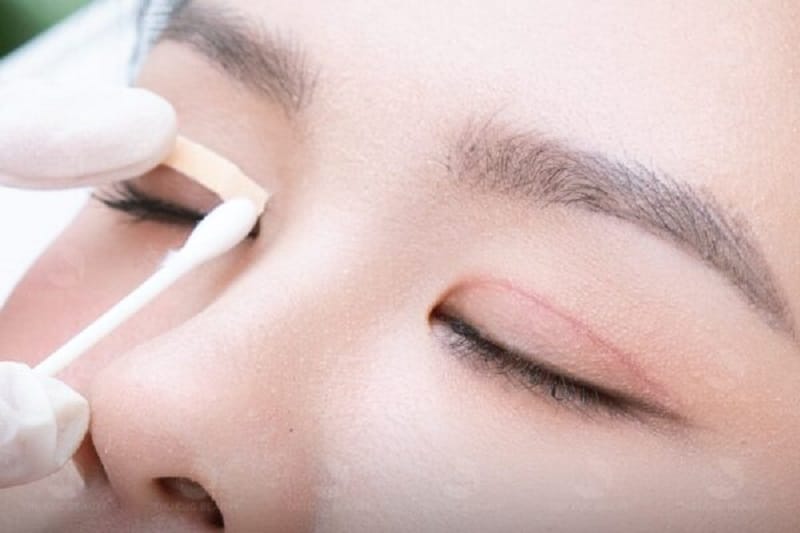
Appropriate aftercare may support a smoother recovery following eyelid surgery.
Gentle wound care and appropriate activity restrictions may help the eyelids heal without unnecessary irritation or pressure.
However, postoperative care cannot guarantee:
Early asymmetry is common because swelling may differ between the two sides.
Following the doctor’s instructions may reduce the risk of:
Raised scars are relatively uncommon on the thin eyelid skin, but scar appearance still varies between patients.
Adequate rest, balanced nutrition, prescribed medication, and correct incision care may support normal healing.
These measures help the body recover but do not necessarily shorten every patient’s recovery time.
After eyelid surgery, patients should keep the treated area clean, avoid rubbing or strong pressure, and temporarily stop using eye makeup and contact lenses.
Rest, head elevation, sun protection, balanced nutrition, and scheduled follow-up are also important.
Patients should follow the exact cleaning method provided by the surgeon.
When instructed, they may use sterile gauze or a clean cotton swab moistened with sterile saline to remove dried blood or discharge around the incision.
Patients should:
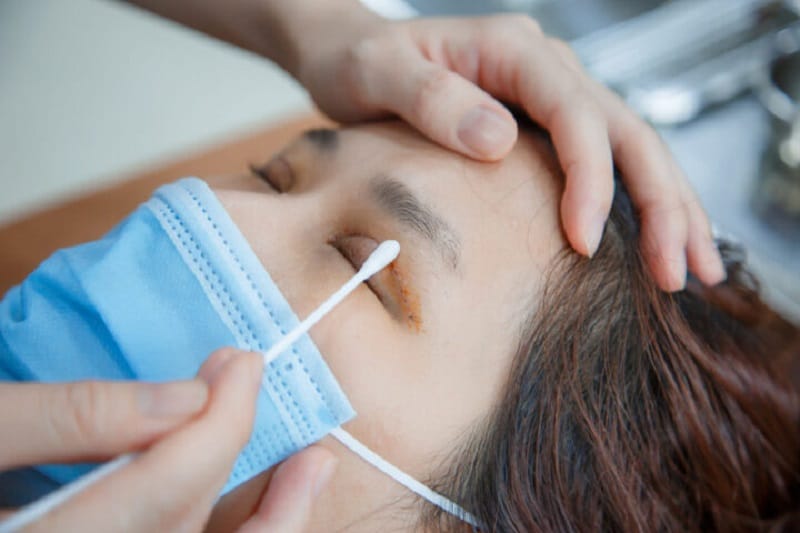
The eyelid incision should be cleaned gently with approved supplies.
Detailed instructions are available in How to Clean Your Eyes After Eyelid Surgery.
Cold compresses may be recommended during the first 24–48 hours to control swelling and bruising.
A cold pack should:
Ice should never be placed directly on the skin.
Some doctors may recommend warm compresses after the first several days to support comfort and help bruising fade.
Patients should not automatically begin warm compresses on day three or four. Heat may worsen swelling or bleeding if used too early.
Warm compresses should only be used when the treating doctor confirms that they are appropriate.
During early recovery, patients are commonly advised to:
A wedge pillow or two supportive pillows may be helpful.
External sutures are commonly removed after approximately five to seven days, although the timing depends on:
Patients should not attempt to remove sutures themselves.
Clean sunglasses and a wide-brimmed hat may help protect the healing area from:
Glasses should not press against the incision.
A balanced diet supports general health, tissue repair, and immune function during recovery.
Patients should consume adequate:
Helpful nutrients may include:
Suitable foods may include lean meat, fish, eggs, tofu, beans, fruit, and vegetables.
The original content recommends avoiding water spinach, beef, chicken, seafood, eggs, and glutinous rice because they may cause raised scars, pigmentation, or delayed healing.
There is insufficient evidence that these foods routinely cause poor eyelid scars in healthy patients.
They generally do not need to be avoided unless:
Removing several protein-rich foods without medical justification may make it more difficult to maintain adequate nutrition.
Patients should avoid smoking and nicotine because they may reduce blood flow and impair wound healing.
Alcohol may:
Large amounts of caffeine may contribute to anxiety, sleep disturbance, palpitations, or temporary increases in blood pressure.
Moderate coffee does not automatically cause poor scars, but temporary restriction may be recommended during early recovery.
Patients can review Can You Drink Coffee After Eyelid Surgery?.
Patients should drink enough water unless they have a medical condition requiring fluid restriction.
Adequate hydration supports overall recovery but does not directly prevent every complication.
Patients should prioritise rest during the first several days.
They may return gradually to light daily activities as comfort improves.
Screen use and reading do not directly damage the incision, but prolonged use may cause:
Regular breaks are generally more appropriate than complete avoidance for every patient.
During early recovery, patients should avoid activities that significantly increase blood pressure or place the face below the heart, including:
Gentle walking may be appropriate when approved by the doctor.
Swimming should be avoided until the incision has healed because pool, sea, or lake water may irritate or contaminate the wound.
Eye makeup should not be applied over an open or irritated incision.
Many patients are advised to wait approximately 10–14 days or until the surgeon confirms that healing is adequate.
A fixed two- to three-week restriction is not necessary for every patient, but makeup should be delayed when there is:
Patients can review detailed guidance in When Can You Wear Makeup After Eyelid Surgery?.
Contact lenses may require pulling on the eyelids and may worsen dryness.
Patients should wear glasses until the doctor confirms that contact lenses can be used safely.
A one-month restriction is not required for every patient. The appropriate timing depends on:
When going outside, patients may use clean sunglasses and a hat for protection.
They should also avoid:
Follow-up appointments allow the doctor to:
Patients should contact the medical team if they develop:
A general timeline may be:

Follow-up appointments help the doctor monitor healing and remove sutures when required.
The exact timeline varies, and the final result should not be assessed too early.
Several avoidable mistakes may irritate the eyelids or interfere with healing.
Patients should not independently use:
Some products may cause irritation, allergy, or delayed healing.
Patients should avoid:
Clean pillowcases should be used during recovery.
Early makeup use may introduce bacteria and require forceful removal.
Contact lenses may worsen dryness and require eyelid manipulation.
Both should be resumed only when healing is adequate.
Failure to attend follow-up may delay the detection of:
Eating beef, seafood, eggs, chicken, glutinous rice, or water spinach does not routinely cause raised scars or pus.
The more significant dietary concerns are generally:
Sleeping face-down or pressing one side of the face into the pillow may worsen swelling and irritate the treated area.
Patients should follow the recommended sleeping position during early recovery.
Choosing a licensed medical facility and an appropriately trained doctor is important for treatment planning, surgical execution, and postoperative monitoring.
Kangnam Aesthetic Hospital provides consultation, eyelid procedures, and aftercare guidance based on each patient’s condition.
Kangnam states that its eyelid procedures are performed by doctors experienced in eyelid aesthetics.
Before treatment, the doctor should assess:
Kangnam may use:
These technologies are intended to support controlled tissue treatment and postoperative care.
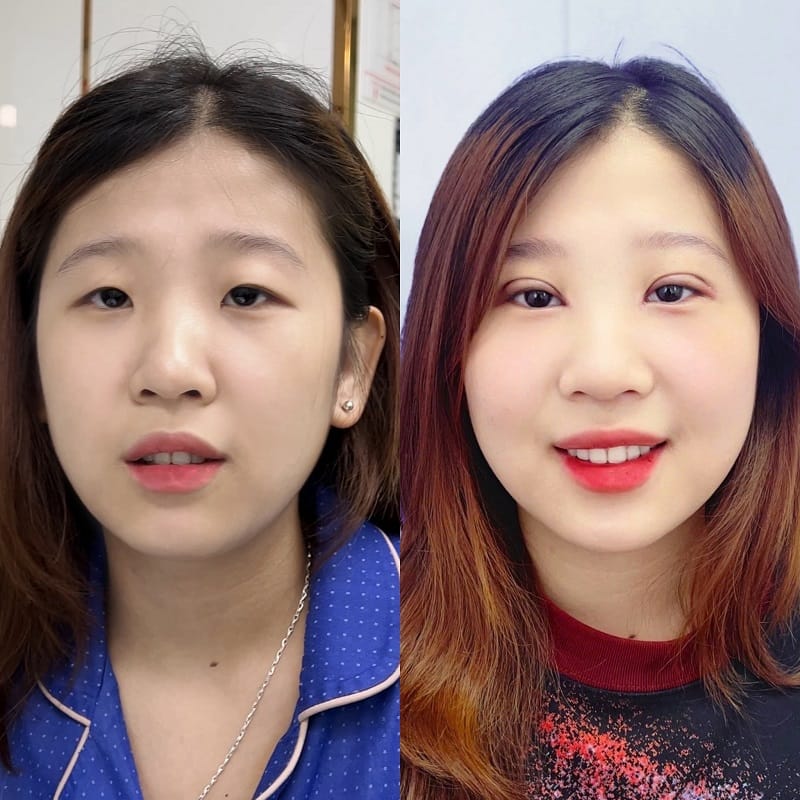
Kangnam provides modern eyelid techniques and structured postoperative guidance.
However, no device can guarantee:
Patients may receive guidance regarding:
Patients should follow the instructions issued specifically for their procedure rather than applying general advice without confirmation.
Kangnam states that procedures are performed in medically controlled operating environments with sterilised instruments and infection-control protocols.
The term “completely sterile” or “zero infection risk” should be avoided. Appropriate procedures reduce risk but cannot eliminate it entirely.
Overseas Vietnamese patients may receive:
Remote support is useful for routine monitoring but does not replace urgent in-person assessment when complications are suspected.
Patients should seek urgent medical assessment for:
These symptoms should not be managed only through online consultation.
Postoperative care is an important part of eyelid surgery recovery.
Patients should clean the incision gently, use cold compresses correctly, sleep with the head elevated, avoid strong pressure, maintain balanced nutrition, and attend scheduled follow-up appointments.
Warm compresses, scar products, makeup, and contact lenses should only be resumed at the appropriate stage and with the doctor’s approval.
Choosing an experienced doctor and licensed medical facility may reduce avoidable risks, but no procedure or aftercare plan can guarantee perfect results or complete freedom from complications.
How to Clean Your Eyes After Eyelid Surgery