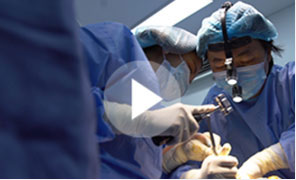
Liposuction in Vietnam with a short-stay schedule is drawing significant interest from both local and international clients, thanks to its reasonable costs, advanced technology, and clear recovery phases. With a scientifically structured plan—encompassing consultation, surgery, and follow-up exams—clients can proactively manage their stay, optimizing their beauty experience while ensuring safety, post-operative monitoring, and recovery according to professional guidelines.
I – What is Liposuction in Vietnam with a Short-Stay Schedule?
Short-stay liposuction is a time-optimized cosmetic procedure that allows clients to remove excess fat and return to normal activities within just 24 – 72 hours. Instead of requiring a lengthy recovery period, this approach focuses on minimally invasive technologies that promote fast wound healing and minimize hospital observation time.
Target Audience
- Overseas Residents (Viet Kieu): Individuals returning to Vietnam for family visits with limited time (usually 2–3 weeks) who wish to combine their trip with cosmetic enhancements.
- Busy Professionals: Office employees or managers who cannot take extended leave from work.
- Medical Tourists: Travelers looking to take advantage of a short trip to improve their physique at an affordable cost in Vietnam.
Why is this model becoming increasingly popular?
- Cost Savings: Reduces expenses related to accommodation, travel, and long-term hospital stays or hotel residencies.
- Advancements in Medical Technology: The introduction of modern liposuction devices (such as Ultrasound-assisted or Water-jet technology) helps reduce swelling and bruising, drastically shortening recovery time.
- Professional Protocols: Cosmetic hospitals in Vietnam have now standardized the liposuction process, from preoperative testing to post-operative care, ensuring a seamless and efficient experience.
II – Suitable Methods for a Short-Stay Schedule
For short-stay schedules, the most appropriate methods typically include small-area liposuction, single-zone liposuction, or minimally invasive procedures that allow for easier monitoring and rapid recovery.
Small-Area Liposuction
This is the most ideal choice for a tight timeframe.
- Target Areas: Double chin, upper arms, calves, or fat on the back of the hands.
- Advantages: Extremely minimal invasiveness; performed under local anesthesia. Patients can usually be discharged on the same day after a few hours of observation.
Single-Zone Liposuction
Instead of full-body liposuction, clients choose to focus on one “key” area.
- Example: Only the lower abdomen or only the thighs.
- Why it’s suitable: Concentrating on a single zone prevents excessive physical strain, allowing for better fluid management and significantly faster recuperation.
Minimally Invasive Procedures for Faster Recovery
Utilizing modern technologies as alternatives to traditional mechanical liposuction:
- Ultrasound-Assisted Liposuction (Lipo 360): Gently liquefies fat while preserving blood vessels and nerve tissues, minimizing swelling and pain.
- Water-Jet Liposuction: Uses gentle water pulses to dislodge fat cells without thermal damage, promoting rapid wound closure and eliminating the need for long-term bed rest.
Cases Not Suitable for a “Short-Stay”
You should carefully reconsider or extend your stay if you fall into the following categories:
- Full-Body Liposuction: When the volume of fat removed is excessive ($> 5000ml$), the body requires a longer period to rebalance electrolytes and regain physical strength.
- Patients with Underlying Health Conditions: Individuals with diabetes, hypertension, or blood clotting disorders require much stricter medical supervision than standard cases.
III – Suggested 5–7 Day Liposuction Schedule in Vietnam
A short-stay liposuction schedule in Vietnam is typically structured over 5–7 days, covering consultation, surgery, and early post-operative monitoring. This scientific arrangement helps clients optimize their stay while ensuring critical safety milestones, particularly in managing swelling, assessing recovery, and confirming travel eligibility.
Day 1: Consultation and Health Screening
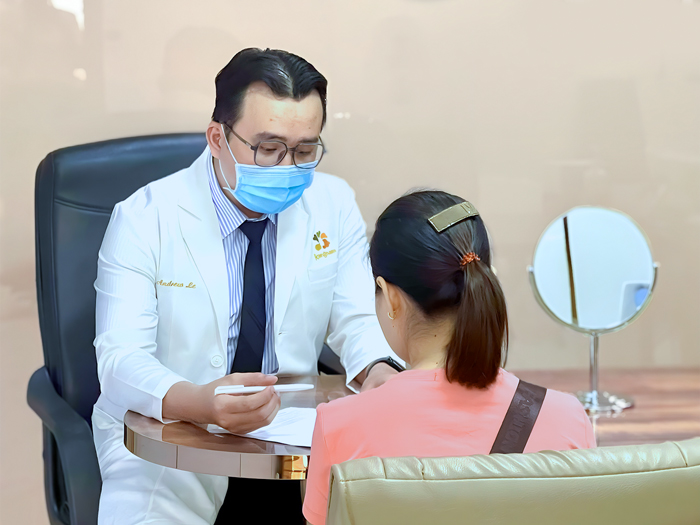
The first day focuses on a comprehensive assessment of your health and target fat areas. The surgeon will order necessary tests (blood work, cardiovascular screening, etc.), advise on methods suitable for a short stay, and rule out pre-operative risk factors.
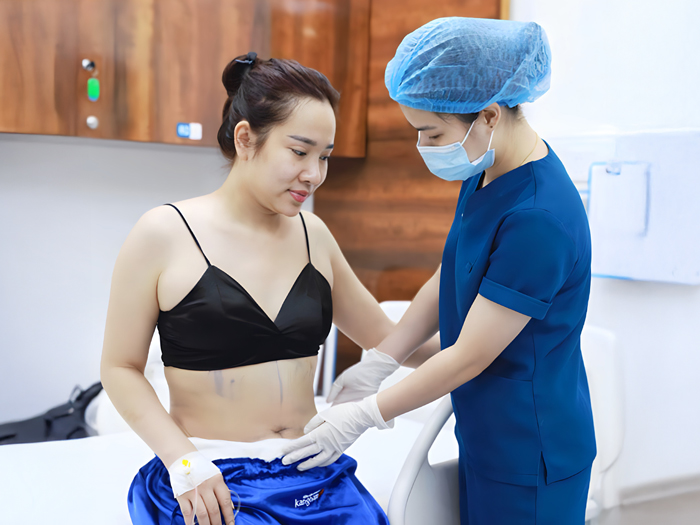
Day 2: Liposuction Procedure
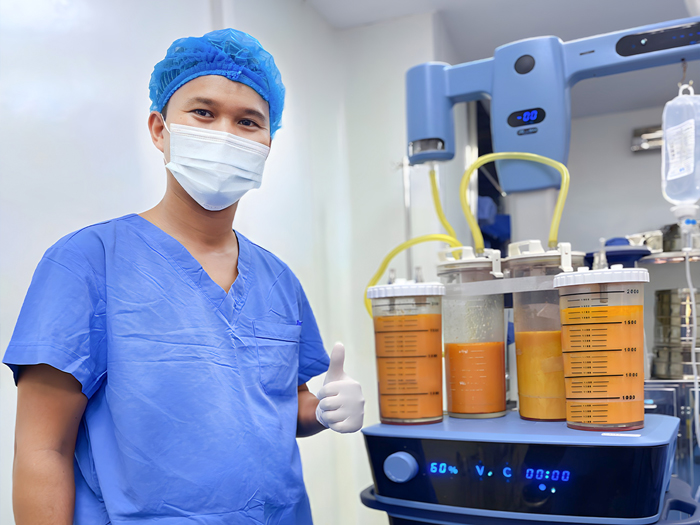
The surgery is performed as planned, usually lasting 1–3 hours depending on the area. Afterward, clients are monitored at the medical facility for the day to manage pain, swelling, and initial reactions.
Day 3–4: Initial Recovery Monitoring
This is a crucial phase for monitoring swelling, bruising, and fluid drainage (if any). Clients are instructed on wearing compression garments, gentle movement, and proper wound care to support early recovery.
Day 5–6: Follow-up and Travel Readiness Assessment
At this stage, the surgeon checks your progress and provides a total evaluation:
- Progress Monitoring: Assessing the reduction of swelling, soft tissue condition, and body reactions.
- Continuous Care Instructions: Guidance on wearing garments, physical activity, diet, and lifestyle.
- Flight/Long-distance Travel Assessment: Ensuring the client is fit to travel safely, minimizing risks related to air pressure changes or prolonged sitting.
Day 7: Departure from Vietnam
Before leaving, clients complete the final steps to ensure post-operative safety:
- Final Follow-up: A final comprehensive check-up before departure.
- Post-op Briefing: Detailed instructions for home care and symptoms to watch for.
- Remote Monitoring Plan: Establishing a connection with the surgeon to track recovery progress after returning home.
Important Note: This 5–7 day schedule is most effective with modern techniques (Lipo 360 or Vaser Mist Spray). For complex major surgeries, surgeons may require extending the stay to 10 days for maximum safety.
IV – Cost of Liposuction Services in Vietnam
Currently, liposuction costs in Vietnam range from approximately $760 to $3,570 USD, depending on the method, target areas, and the facility.
Liposuction Price List (Estimated)
| Service | Estimated (USD) |
| Thigh Liposuction (M1) | $2.279 |
| Thigh Liposuction (M2) | $2.848 |
| Basic Liposuction | $2.051 |
| Standard Liposuction | $2.431 |
| 360 Full Abdominal Fat Reduction (71-80kg) (Upper + Lower Abdomen + Waist) | $2.810 |
| Advanced+ Liposuction | $3.570 |
| Mini Lipo – Single Area | $1.709 |
| Mini Lipo – Double Chin | $760 |
| Mini Lipo – Arms | $1.139 |
| Mini Lipo – Multi-area Combination | $911 |
| Vaser 6D Technology (Mist Spray) | $456 |
| Abdominal Muscle Tightening & Sculpting | $380 |
| Arm Skin Tucking (with Fat Reduction) | $1.329 |
Note: The above prices do not include a 5% surcharge for major surgeries or 10% for minor procedures. For detailed quotes, please contact Kangnam Aesthetic Hospital directly.
Factors Influencing Liposuction Costs:
- Treatment Area: Prices vary by zone. Small areas like the chin start around $760, while large areas like the full abdomen or thighs typically range from $2,279 to $3,570.
- Surgeon Expertise & Facility: Premium hospitals equipped with modern technology (Lipo 360, Vaser Mist Spray) and surgeons with 10+ years of experience may have higher fees but ensure maximum safety.
- Medical Fees: Pre-op screening, anesthesia, and medications usually account for $190 – $380 of the total bill.
- Logistics: For short-stay schedules, you should budget for nearby hotel accommodation and potential follow-up visits.
V – Key Considerations for a Short-Stay Schedule
While a short-stay schedule for liposuction in Vietnam saves time, it requires careful consideration regarding post-operative monitoring, the ability to manage potential complications, and safety protocols before traveling. This model is not suitable for a “fly-in, fly-out” mindset, as the body still requires rest, follow-up exams, and a final surgical clearance before long-distance travel.
- Insufficient Long-term Monitoring: Typically, the body needs 7–10 days to stabilize significantly. With a short stay, you miss direct medical supervision during the most critical phase of tissue remodeling and fluid drainage.
- Difficulty Managing Late Complications: Conditions such as seromas (fluid accumulation) or tissue hardening may appear after the 10th day. If you have already left Vietnam, returning for direct intervention can be costly and time-consuming.
- Avoid Tight Schedules Between Surgery and Flight: Cabin pressure is a major risk for recent surgical patients. Sitting immobile on a long flight immediately after liposuction increases the risk of thromboembolism (blood clots). The minimum safe interval between surgery and flying is usually 5–7 days.
- Need for Real Rest: Many mistake liposuction for a simple procedure where they can return to work immediately. In reality, the body needs energy for tissue regeneration. You need at least 3 days of complete rest at your accommodation before starting any travel activities.

VI – Recovery Notes for Short-Stay Patients
With a compressed schedule, the recovery process must be monitored even more strictly. Patients should prepare for common symptoms and adhere to professional guidance to ensure a safe recovery.
- Swelling, Bruising, and Tenderness: These are natural inflammatory responses. Swelling typically subsides after 2 weeks and disappears completely within 1–3 months, depending on individual recovery rates.
- Proper Use of Compression Garments: Compression wear is vital for tissue stabilization and reducing edema. It must be worn correctly and consistently as instructed by the surgeon, especially for those traveling shortly after surgery.
- Mandatory Final Check-up: Before heading to the airport or starting a long road trip, a final follow-up is compulsory. The surgeon will check incision points to ensure there are no signs of infection and grant medical clearance for travel.
- Avoid Excessive Activity: While light walking helps circulation, sightseeing, shopping, or lifting heavy luggage immediately after surgery is a mistake. This can cause internal bleeding or delay the healing process.
- Post-Departure Care Plan: Have a clear plan for home care and remote consultations via Video Call to ensure safety and proactive recovery after returning to your home country.

VII – Critical Warnings for “Express Liposuction”
“Express” liposuction should only be applied when the case is appropriate and a clear post-operative plan is in place.
- Do Not Choose Based on Price or “Speed” Ads: Claims of “immediate discharge” or suspiciously low prices often hide risks regarding sterile conditions and surgeon expertise. Always prioritize licensed aesthetic hospitals.
- Not Everyone is a Candidate: Your surgeon will decide if a short-stay schedule is feasible based on your health profile, fat volume, and recovery capacity. Do not force a schedule based on personal preference.
- Safety Over Speed: The ultimate goal is a beautiful physique and stable health. If the surgeon requests an additional 1–2 days of observation, comply rather than rushing to travel.
- Prepare Remote Support: Ensure you have emergency contact info for your surgeon and identify reputable medical facilities in your home area for basic post-op support if needed.
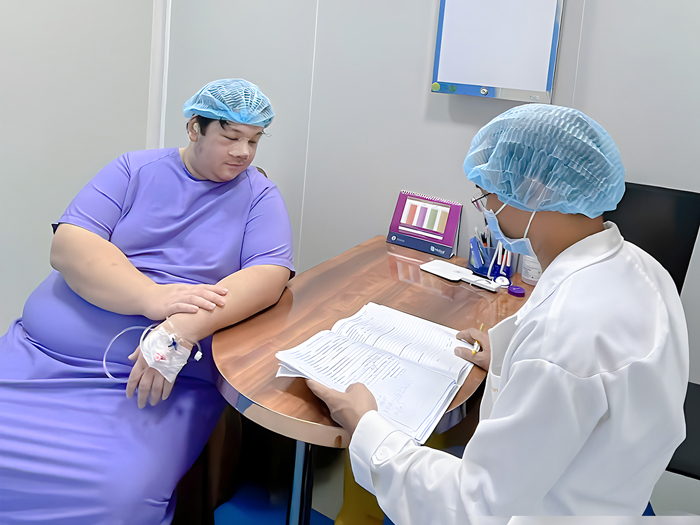
VIII – When Should You Avoid a Short-Stay Schedule?
A short-stay schedule is generally not suitable for the following cases:
- Multi-area Liposuction: Procedures involving 3 or more areas (e.g., abdomen, thighs, and arms simultaneously) cause extensive tissue trauma, requiring longer recovery to stabilize fluids and electrolytes.
- High-Volume Fat Removal: Removing large volumes (over 3,000–5,000ml) increases the risk of shock, blood loss, or fluid imbalance, demanding strict medical supervision.
- Combined Procedures (e.g., Tummy Tuck): Major surgeries involving skin excision and muscle plication require at least 7–10 days to stabilize incisions and prevent wound dehiscence during travel.
- Underlying Health Conditions: Patients with diabetes, hypertension, or slow healing rates must be monitored closely to prevent infections and complications.
Liposuction with a short-stay schedule in Vietnam is entirely feasible and effective when based on scientific planning. However, you should never trade safety and long-term aesthetic results for a schedule that is just a few days shorter. Always discuss your timeframe honestly with your surgeon to find the most optimal and secure beauty solution.