Date posted: 15-04-2026 | Last updated : 15-04-2026
If you only have excess fat with firm skin and minimal abdominal laxity, liposuction is typically the ideal choice. However, if you have sagging skin, significant stretch marks, or loose abdominal walls, a tummy tuck (abdominoplasty) is more suitable as it addresses both the skin and the underlying structure. In cases involving both stubborn fat and noticeable skin laxity, a combination of both procedures may be recommended for a comprehensive transformation.
While both procedures aim to slim the midsection, they are fundamentally different: one targets fat, while the other addresses excess skin and muscle repair. The confusion often arises because:
Liposuction is a procedure that uses specialized equipment to remove subcutaneous fat deposits through small tubes called cannulas. With modern advancements, techniques like Lipo 360 help liquefy fat before extraction, minimizing invasiveness and enhancing safety.
The primary goal of liposuction is body contouring, not weight loss. Specifically, it aims to:
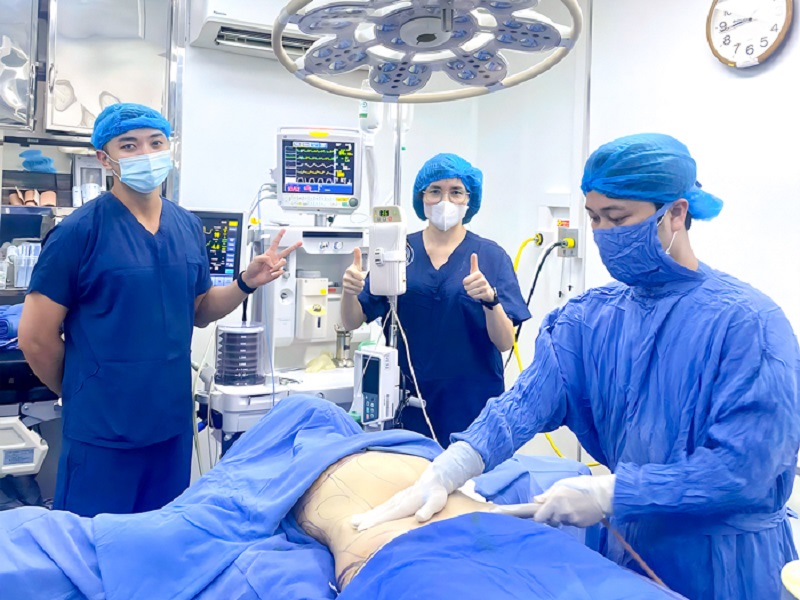
Despite its effectiveness in fat removal, liposuction has certain limitations:
A Tummy Tuck is a surgical procedure designed to remove excess, sagging skin and reconstruct the abdominal wall. It is ideal for individuals with a drooping, loose abdomen, often resulting from pregnancy or significant weight loss.
During the procedure, the surgeon removes excess skin, eliminates a portion of subcutaneous fat if necessary, and tightens the abdominal muscles in cases where the muscles have stretched or separated.
Key concerns addressed by a Tummy Tuck:
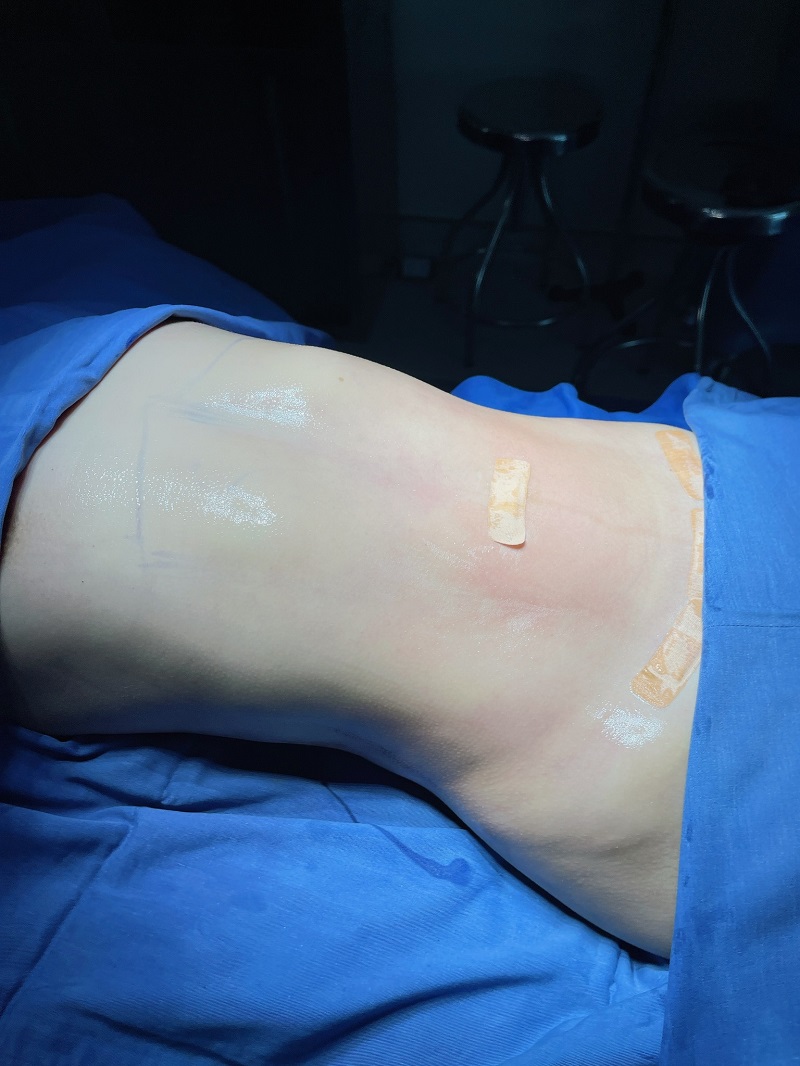
This comparison table clarifies the two methods based on 6 criteria: goals, candidates, invasiveness, scarring, recovery time, and budget. This helps clients avoid choosing the wrong procedure, which can lead to a waste of time and money.
| Criteria | Liposuction | Tummy Tuck (Abdominoplasty) |
| 1. Treatment Goal | Focuses solely on destroying and removing excess subcutaneous fat tissue. | Removes fat, excises excess skin, and repairs stretched abdominal muscles. |
| 2. Ideal Candidate | Younger individuals with good skin elasticity who only want to reduce waist measurements. | Postpartum women or those with significant weight loss, sagging skin, stretch marks, and severe drooping. |
| 3. Level of Invasiveness | Minimally invasive; uses micro-cannulas to target the fat layer. | More invasive, involving skin and muscle structural changes. |
| 4. Aesthetic Scarring | Virtually no scarring; only 2-3mm tiny incisions that fade over time. | A long scar in the lower abdomen, which surgeons skillfully hide beneath the bikini line. |
| 5. Recovery Time | Fast; patients can walk gently after 24 hours and return to work within 3–5 days. | Requires 5–7 days of rest for the wound to stabilize and for suture removal. |
Generally, patients should choose liposuction if they have excess fat with firm skin, and a tummy tuck if they have sagging or loose skin. In many cases, a tummy tuck is performed in combination with liposuction to ensure the abdomen is both slim and firm.
When is Liposuction the right choice?
Liposuction is ideal when the primary concern is fat accumulation, while the skin and muscle structure remain in relatively good condition. Specifically:
In these cases, liposuction can significantly reduce abdominal volume and slim the waistline without the need for major surgery.
When is a Tummy Tuck the right choice?
You should consider this procedure when:
In these scenarios, liposuction alone may reduce fat, but the stomach will not appear toned because the excess skin and loose structure remain unaddressed.
Notably, a tummy tuck combined with liposuction is often recommended to optimize results: not only making the stomach smaller but also flatter, more contoured, and firmer.
Dr. Felix Tran – Medical Director of Kangnam Saigon Aesthetic Hospital shares: “Liposuction effectively eliminates excess fat, while combining it with a tummy tuck ensures the midsection is both firm and toned.”
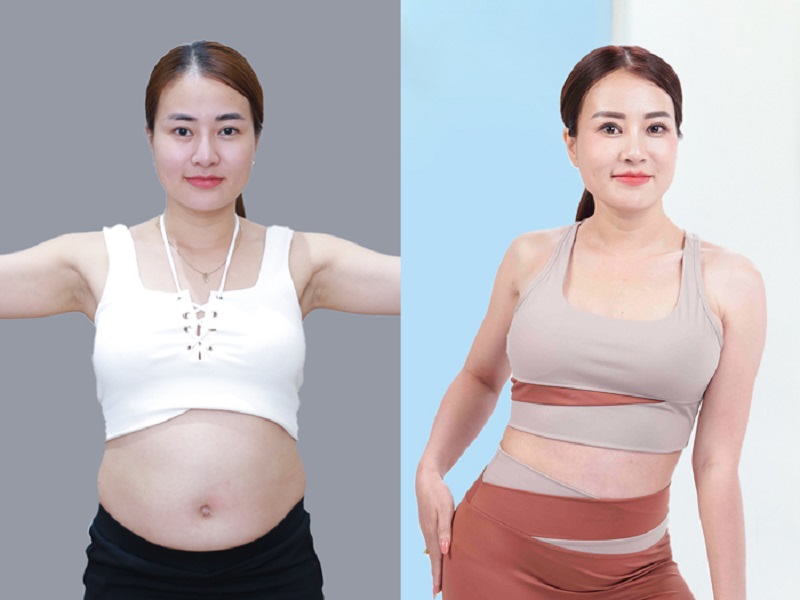
After childbirth, if the main issue is excess fat, women may consider liposuction; however, if the abdomen is loose with redundant skin, a combined tummy tuck is often necessary.
If the postpartum abdomen consists mainly of fat and the skin remains firm with minimal sagging, liposuction may be the appropriate choice. This method reduces fat and slims the belly, provided the skin still has good “snap-back” ability.
If the abdomen is loose, sagging, or has significant stretch marks and weak muscles after pregnancy, a tummy tuck is usually more suitable. This procedure not only addresses excess skin but also restores the core’s firmness.
In many postpartum cases involving both stubborn fat and noticeable skin laxity, surgeons may perform a combined procedure (Liposuction + Tummy Tuck) to achieve a result that is both leaner and tighter.
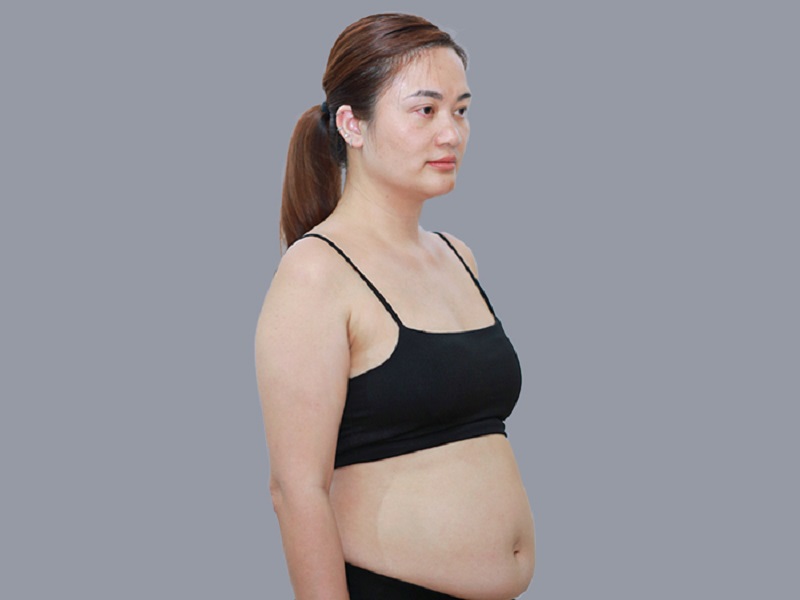
Surgeons decide between liposuction and a tummy tuck based on four key factors: fat volume, skin quality, the degree of sagging, and the condition of the abdominal muscles. In practice, a comprehensive evaluation is conducted to provide the most suitable indication for each individual client.
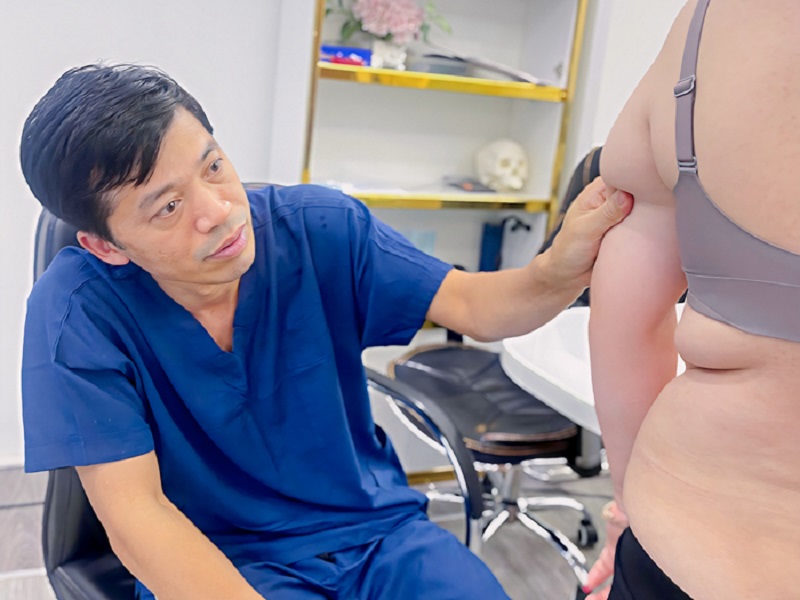
Both liposuction and tummy tucks are highly effective methods for enhancing the abdominal area. The right choice depends entirely on your specific fat, skin, and muscle condition. If you only have excess fat, liposuction is sufficient. However, if your abdomen is sagging, drooping, or has muscle separation, combining it with a tummy tuck will deliver the optimal result. To ensure safety and efficacy, you should undergo a direct consultation with a specialist before making a final decision.