Liposuction is a procedure that utilizes supporting technologies—such as ultrasound, vibration energy, or specialized suction pressure—to liquefy and remove excess fat from the body. Its primary purpose is to reduce fat deposits in areas that are resistant to diet and exercise, thereby sculpting a slimmer, more defined, and balanced physique.
I – Popular Types of Liposuction Today
Currently, there are various liposuction methods available. The most common include traditional liposuction, Vaser Lipo (ultrasound-assisted), laser-assisted, Power-Assisted Liposuction (PAL), and Water-Jet technology.
1. Laser Lipo / SmartLipo
Laser Lipo utilizes thermal energy from laser beams to target fat tissue directly before it is extracted from the body.
- Effects: The heat from the laser helps liquefy and break down the structure of fat cells, facilitating a smoother suction process. Simultaneously, this energy stimulates collagen regeneration, contributing to improved skin elasticity post-treatment.
- Benefits: By simultaneously processing fat and supporting tissue contraction, Laser Lipo is ideal for areas requiring both fat reduction and skin tightening. This method results in a firmer, more toned skin surface, minimizing post-surgical sagging in the treated area.
2. Lipo 360
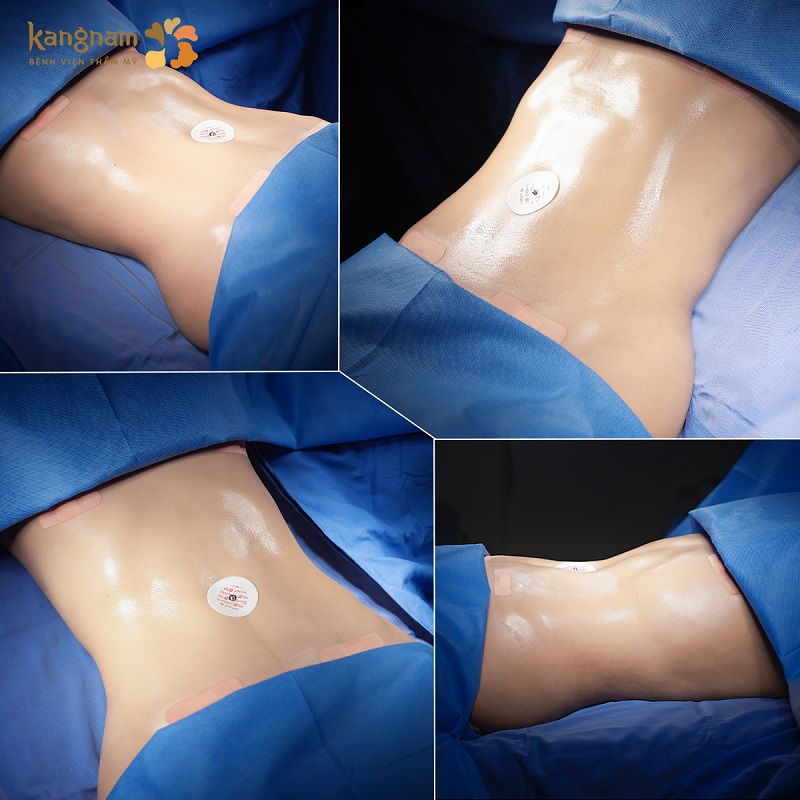
Lipo 360 abdominal fat reduction is a modern liposuction technology transferred from the United States. During the procedure, the surgeon makes a tiny incision and uses a micro-sized 360 Cannula combined with an endoscopic camera to observe and treat excess fat with higher precision.
- Effects: Ultrasound waves gently liquefy fat tissue, aiding the removal process while minimizing impact on surrounding structures. Furthermore, 6D waves stimulate collagen production to enhance the firmness and elasticity of the skin surface after fat reduction.
- Benefits: Thanks to its selective targeting mechanism and micro-suction tips, this method provides precise fat reduction, minimizes invasiveness, and reduces the risk of contour irregularities or pitted scars. It is highly regarded for its safety, low complication rate, and shorter recovery time.
3. Water-Jet or Body-Jet Liposuction
Some current technologies use a pressurized water jet or “mist” to help detach fat tissue before suction.
- Mechanism: Solution pressure seeps between tissue layers, allowing fat to separate more gently.
- Effects: Helps reduce tissue trauma and makes the procedure smoother in specific areas.
- Advantages: The mechanical impact is relatively mild, which can reduce bruising in some cases.
- Best for: Soft fat areas or regions requiring a gentler touch.
- Note: Not suitable for all cases, particularly where the fat is too thick or fibrous.
4. Power-Assisted Liposuction (PAL)
PAL is a technique that uses an automated vibrating cannula at a high frequency to assist in breaking down and draining fat.
- Effects: The mechanical vibrating motion liquefies fat tissue faster and helps extract fat more evenly and steadily throughout the procedure.
- Benefits: PAL increases efficiency in treating thick fat areas, shortens surgical time, and results in a smoother post-op surface. Additionally, by reducing manual force, the PAL technique allows for greater flexibility and precision.
5. Laser Lipo / SmartLipo (Redundant Section)
Laser Lipo applies thermal energy from laser beams to act directly on fat tissue before removal.
- Effects: Laser heat liquefies and disrupts fat cell structures for easier suction. It also stimulates collagen renewal for better post-op skin elasticity.
- Benefits: Suitable for fat reduction combined with skin tightening; helps the skin surface become more compact and firm.
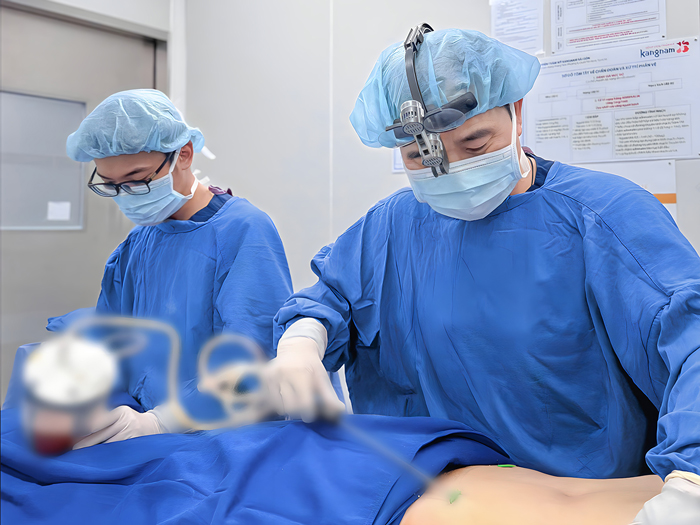
Dr. Felix Tran – Medical Director – Kangnam Saigon Aesthetic Hospital: “Based on the client’s condition and the specific area of excess fat, the surgeon will calculate and remove the appropriate amount of fat to ensure safety and optimal results.”
III – Who is and is not a candidate for liposuction?
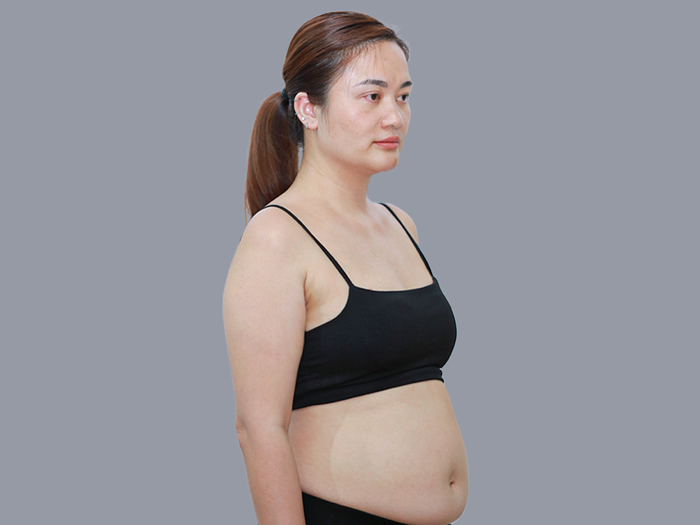
Liposuction is suitable for individuals with excess fat who wish to improve their body contours in specific areas. However, it is not an option for everyone. Candidacy must be based on fat distribution, skin quality, overall health, and a direct evaluation by a physician.
Suitable Candidates
- Individuals with localized fat resistant to diet and exercise: This is the most ideal group for liposuction, especially when fat is concentrated in the abdomen, waist, hips, thighs, upper arms, back, or chin.
- Individuals with relatively stable weight: Liposuction is for those wanting to enhance body lines, not for those experiencing frequent weight fluctuations.
- Individuals in good health: Those without serious medical conditions or surgical contraindications are generally better suited for the procedure.
Who should avoid liposuction?
- Obese or severely overweight individuals: Liposuction is not a treatment for obesity. In these cases, weight management and other suitable options should be prioritized.
- People with poorly controlled cardiovascular disease, blood pressure, or diabetes: These conditions can increase the risk of complications during and after surgery.
- People with blood clotting disorders or those taking anticoagulants: This group faces a higher risk of bleeding, hematoma, or poorer recovery than normal.
- Pregnant women or those in the unstable postpartum recovery phase: The body needs time to fully recover before considering any aesthetic intervention.
According to the American Society of Plastic Surgeons (ASPS), to ensure safety, the amount of fat removed should not exceed 5 liters in a single session. This limit helps maintain circulatory stability and optimizes the recovery process.
IV – What to Prepare Before Liposuction Surgery?
Before undergoing liposuction, a comprehensive examination is required to evaluate excess fat, skin elasticity, and overall suitability for surgery. Proper preparation from the start enhances safety, minimizes risks, and ensures a smoother recovery process.
1. Pre-operative Consultation and Evaluation
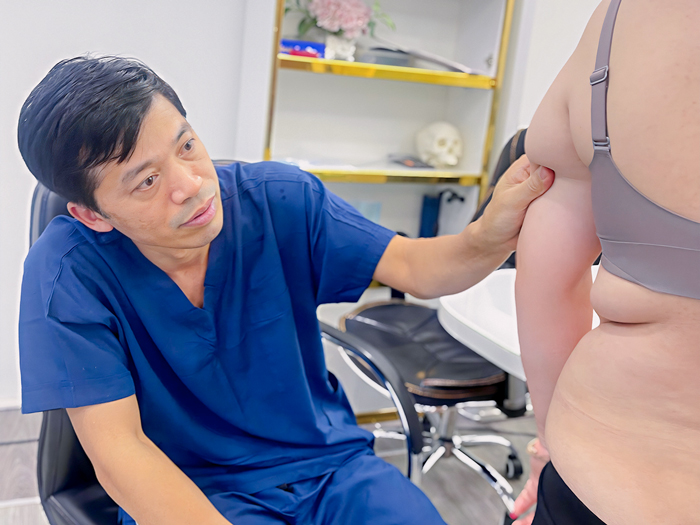
The surgeon will examine the patient, assess the target areas, review medical history, and order necessary medical tests.
- Assessment of the treatment area: The doctor determines the fat volume, location, tissue thickness, and the achievable level of improvement.
- Medical history and medication review: This is a crucial step to identify risks related to anesthesia, bleeding, or recovery.
- Required medical tests: Depending on the case, patients may need blood tests, an electrocardiogram (ECG), or additional specialized screenings.
2. Pre-liposuction Preparation
Clients should discontinue certain medications as guided, limit alcohol consumption, and fast as required.
- Discontinue specific medications: Especially those affecting blood clotting, supplements, or products with unknown ingredients.
- Limit alcohol and tobacco: These factors can increase the risk of complications and interfere with the healing process.
- Fast (No food or water): If general anesthesia is indicated, patients must strictly follow the fasting window required by the doctor.
- Arrange recovery time: Proactively manage work, daily activities, and secure a support person if the procedure covers extensive areas.
V – How Much Does Liposuction Cost?
The cost of liposuction currently ranges from $760 to $3,570 USD, depending on the treated area, the client’s condition, and the technique used.
Below is a reference price list:
| Service | Estimated (USD) |
| Thigh Liposuction (M1) | $2.279 |
| Thigh Liposuction (M2) | $2.848 |
| Basic Liposuction | $2.051 |
| Standard Liposuction | $2.431 |
| 360 Full Abdominal Fat Reduction (71-80kg) (Upper + Lower Abdomen + Waist) | $2.810 |
| Advanced+ Liposuction | $3.570 |
| Mini Lipo – Single Area | $1.709 |
| Mini Lipo – Double Chin | $760 |
| Mini Lipo – Arms | $1.139 |
| Mini Lipo – Multi-area Combination | $911 |
| Vaser 6D Technology (Mist Spray) | $456 |
| Abdominal Muscle Tightening & Sculpting | $380 |
| Arm Skin Tucking (with Fat Reduction) | $1.329 |
Note: The price list above does not include a 5% surcharge for major surgeries or a 10% surcharge for minor surgeries. For further details, please contact Kangnam Aesthetic Hospital for a personalized consultation.
1. Factors Influencing Liposuction Costs
- Treatment Area: Different areas such as the abdomen, waist, thighs, upper arms, or double chin vary in levels of complexity.
- Volume of Fat to be Processed: Treating multiple areas or removing a larger volume of fat typically results in longer procedure times and higher costs.
- Technology and Technique Applied: Prices may vary between traditional liposuction, VASER, laser-assisted methods, or advanced technologies that support skin contraction.
- Surgeon’s Expertise and Facility Standards: Highly experienced surgeons and facilities equipped with standard operating rooms and comprehensive post-operative care usually involve higher fees.
2. Costs Based on Treatment Areas
- Small Areas: Such as the chin, armpits, or upper arms, generally have lower costs due to the smaller surface area.
- Medium Areas: Such as the lower abdomen, waist, or inner thighs, are typically priced at a mid-range level depending on the amount of fat and difficulty.
- Large or Combined Areas: Such as a full tummy tuck/liposuction, the hip-waist-back combo, full thighs, or total body contouring, will have significantly higher costs.
VI – Liposuction Procedure
The liposuction process typically consists of the following fundamental steps:
Step 1: Examination and Assessment: The doctor checks your general health, excess fat volume, and skin elasticity to determine the treatment areas.
Step 2: Pre-operative Testing: Essential medical tests are performed to ensure safety before administering local or general anesthesia.
Step 3: Marking Treatment Areas: The surgeon measures and marks the precise locations and scope of the procedure to ensure symmetrical and even fat removal.
Step 4: Anesthesia: Local or general anesthesia is administered depending on the number of treatment areas, the volume of fat to be removed, and the patient’s physical condition.
Step 5: Performing Liposuction: Specialized equipment is used to liquefy and extract excess fat from the body.
Step 6: Inspection and Closing Incisions: After fat removal, the doctor re-checks the treated areas for balance and closes the small incisions.
Step 7: Compression Garment and Post-operative Monitoring: Patients are fitted with a compression garment and monitored for recovery before being discharged or staying overnight if necessary.
Step 8: Follow-up and Aftercare: Attend scheduled follow-up appointments so the doctor can monitor the healing process and provide further care instructions.

VII – Post-Operative Recovery and Care
After liposuction, the body needs time to reduce swelling, stabilize tissue, and adapt to its new shape. Proper aftercare plays a vital role in minimizing discomfort and supporting optimal results.
1. Common Post-Operative Symptoms
Normal signs that may occur include:
- Swelling (Edema): A very common reaction that can last for several weeks.
- Bruising: Mild to moderate bruising may appear and will gradually fade over time.
- Aching or Tightness: Usually felt during the first few days; can be managed with prescribed medication.
- Temporary Numbness: Some areas may experience a slight loss of sensation during the early stages of recovery.
2. Aftercare and Recovery Instructions
To ensure a speedy recovery, patients should take medication as prescribed, maintain proper hygiene of the treated area, wear a compression garment, engage in gentle movement, and attend all follow-up appointments.
- Take Medication as Instructed: This includes painkillers, antibiotics, or other supportive medications prescribed by your doctor.
- Maintain Hygiene: Proper care of the incision sites is essential to minimize the risk of infection.
- Early Gentle Movement: Walking gently as soon as permitted helps improve blood circulation and aids the healing process.
- Avoid Strenuous Activity: Heavy exercise in the early stages can increase swelling and pain or negatively affect the treated area. You may return to light office work after 7–10 days. Avoid vigorous exercise or swimming for at least the first 4 weeks.
- Compression Garment, Follow-ups, and Rest: It is mandatory to wear a compression garment 24/7 for the first month. This helps the skin adhere to the muscle, creates the desired body contour, and reduces fluid accumulation (seroma).
- Follow-up Schedule: Strictly adhere to the periodic check-up schedule (7 days, 1 month, and 3 months) so the doctor can monitor the healing progress.
- Proper Rest: Ensure adequate sleep, avoid overexertion, and prioritize a stable daily routine during the initial recovery period.
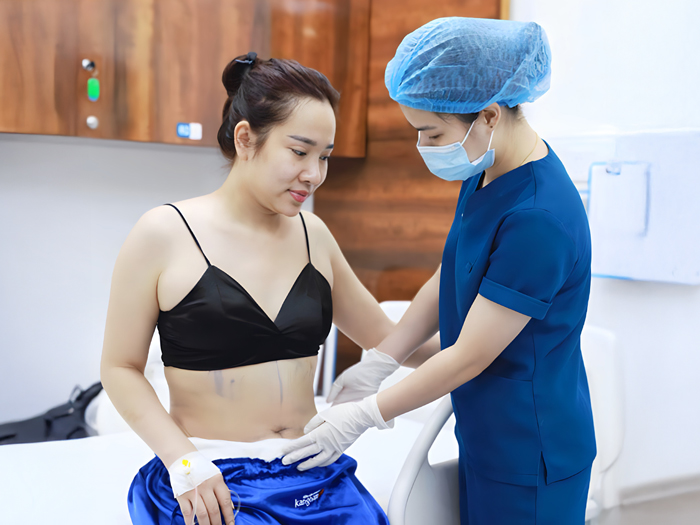
Most patients can walk and perform light tasks after a few days to a week, depending on the extent of the procedure. Those with office jobs can typically return to work sooner than those performing manual labor, provided the body is recovering well. However, more demanding activities require a few weeks of waiting and should be resumed gradually under specific guidance from your doctor.
VIII – Side Effects, Risks, and Complications
Liposuction may involve certain side effects and risks depending on individual constitution, surgical technique, and aftercare.
Common Side Effects
- Swelling, bruising, and aching: Common initial reactions that subside over time.
- Temporary numbness or tingling: Occurs as small nerves and tissues heal.
- Minor drainage: Some fluid may leak from the incision sites during the first few days.
Potential Risks
- Uneven skin surface: Minor lumps or depressions may occur if tissues haven’t stabilized or due to individual physical factors.
- Seroma or Hematoma: Fluid or blood collection that requires early medical intervention.
- Delayed Healing: Some patients with underlying conditions or slower recovery rates may require more time.
Surgical Complications
- Infection: A rare but serious complication that requires early detection.
- Asymmetry: Disproportionate results between treatment areas related to surgical technique or biological healing.
- Anesthesia complications: Large-scale procedures require facilities with full monitoring and emergency response capabilities.
IX – Results after Liposuction
While initial changes are visible immediately, the final results are most prominent after 3 to 6 months.
- 14-Day Milestone: A noticeable reduction in body measurements.
- 3-Month Milestone: The body reaches approximately 95% of its final shape.
- Influencing Factors: Skin elasticity, individual healing capacity, and—most importantly—weight management.
- Long-term Maintenance: Liposuction permanently removes fat cells. To maintain results, follow a balanced diet and moderate exercise, avoiding significant weight gain (over 5kg).
- Summary: Liposuction is a fast and effective solution for body contouring. Safety must always be the top priority by choosing the right technology and a reputable surgeon.
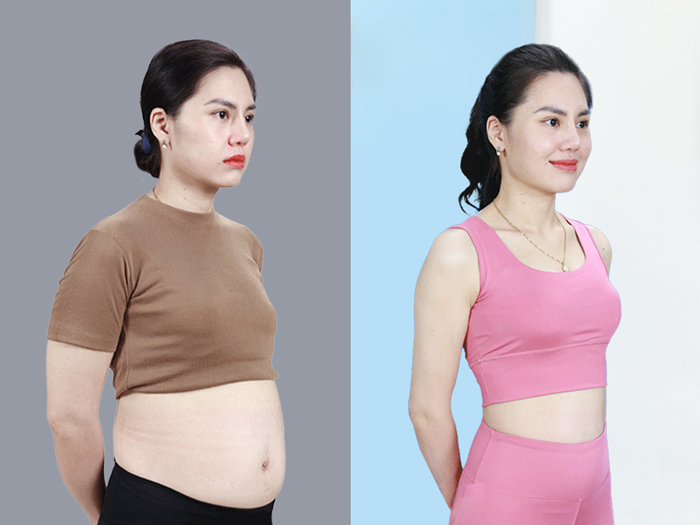
Liposuction is a fast and effective solution for body contouring. Safety must always be the top priority, achieved by choosing the right technology and a reputable surgeon.