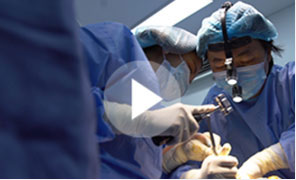
Aesthetic surgery is a globally advancing medical field, designed to enhance appearance and support functional restoration. In recent years, an increasing number of international clients have chosen Vietnam for aesthetic procedures, attracted by its high-quality services and reasonable costs.
I/ What Is Aesthetic Surgery?
Aesthetic surgery is a specialized branch of plastic surgery that focuses on modifying, reconstructing, or enhancing the appearance of the body (such as liposuction, breast augmentation, or buttock enhancement) and the face (including rhinoplasty, eyelid surgery, or jaw correction) through medical procedures.
These aesthetic interventions may involve soft tissue, fat, muscle, or bone, aiming to improve both visual harmony and functional outcomes in various cases.

Breast augmentation enhances the fullness and shape of the breasts.
II/ Common Types of Aesthetic Surgery
Common aesthetic surgical procedures include facial surgery, body contouring surgery, and reconstructive aesthetic surgery
1. Facial Aesthetic Surgery
Facial aesthetic surgery focuses on enhancing facial features to achieve a balanced, harmonious, and youthful appearance. Interventions may involve the skin, soft tissue, or facial bone structures, depending on individual conditions and aesthetic goals.
- Rhinoplasty: Reshapes the bridge and tip of the nose for a higher, straighter, and more harmonious profile.
- Eyelid Surgery (Blepharoplasty): Creates defined eyelid folds, making the eyes appear larger and more expressive.
- Jaw Contouring & Chin Reshaping: Adjusts the jawline and chin for a slimmer, more balanced facial structure.
- Facelift: Removes sagging skin and reduces wrinkles to rejuvenate the overall facial appearance.
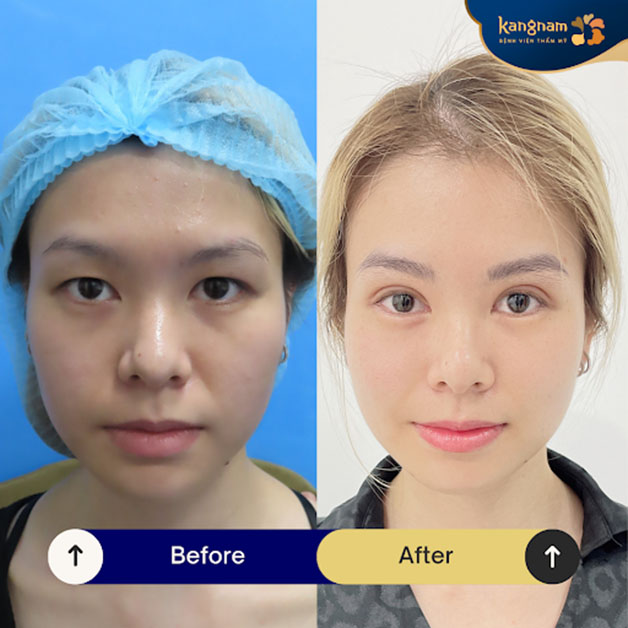
Eyelid surgery creates even, naturally attractive eyelids.
2. Body Contouring Aesthetic Surgery
Body contouring aesthetic surgery aims to enhance body shape, curves, and proportions. Procedures typically target fat, skin, or muscle to achieve a firmer and more harmonious silhouette.
- Breast Augmentation: Increases size and improves shape of the breasts using implants or autologous fat.
- Liposuction: Removes excess fat from areas such as the abdomen, thighs, and waist for a more streamlined body.
- Buttock Augmentation: Enhances the fullness and balance of the buttocks using implants or fat grafting.
- Abdominoplasty (Tummy Tuck): Removes excess skin and fat from the abdominal area, resulting in a flatter and firmer stomach.
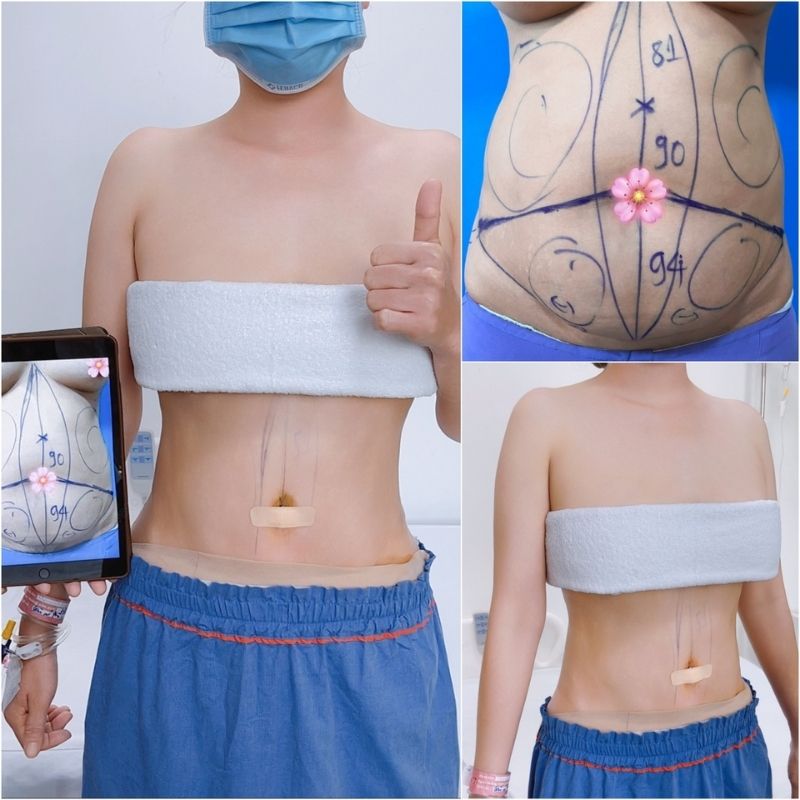
Liposuction helps restore a slim and contoured body shape.
3. Reconstructive Aesthetic Surgery
Reconstructive aesthetic surgery focuses on restoring the shape and function of the body after trauma, congenital conditions, or medical illnesses. The goal is not only cosmetic but also to improve daily function and psychological well-being.
- Breast Reconstruction After Cancer: Restores breast shape following mastectomy.
- Correction of Congenital Deformities: Addresses abnormalities such as cleft lip and cleft palate.
- Scar and Soft Tissue Reconstruction: Improves the appearance of severe scars, contractures from burns, or accidents.
- Facial Reconstruction: Restores facial structure and contours after major trauma or surgery.
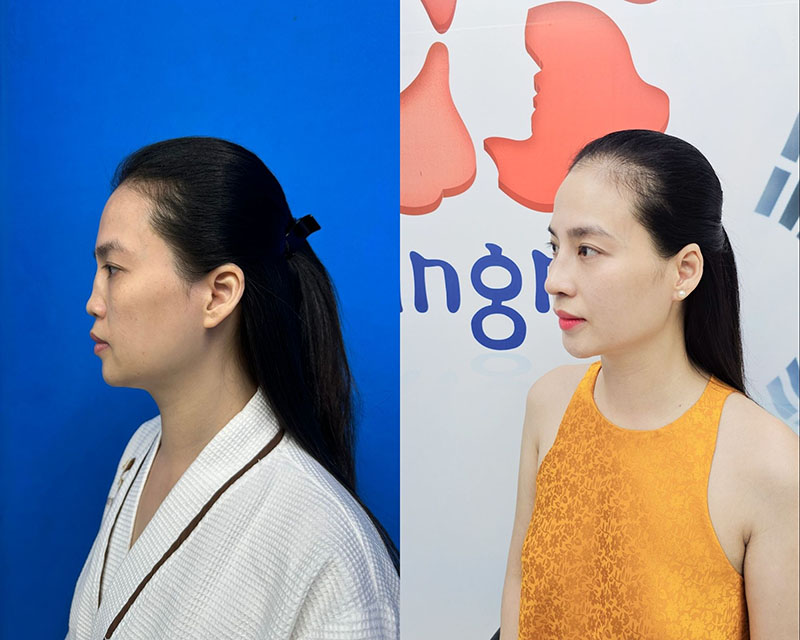
Successful reconstructive surgery to correct a previously failed rhinoplasty
Each year, Kangnam Aesthetic Hospital welcomes over 10,000 overseas Vietnamese clients from the United States, Australia, Canada, France, and Germany. Major procedures such as breast augmentation, liposuction, jaw contouring, or cheekbone reduction are particularly popular due to reasonable costs, advanced technology, and safe, natural results.
III/ Who Is Suitable for Aesthetic Surgery?
Aesthetic surgery is suitable for individuals who wish to enhance their appearance or correct physical imperfections, provided they have been medically evaluated and cleared for the procedure.
Situations in which aesthetic surgery may be considered include:
- Individuals with congenital defects, injuries, or medical conditions that affect appearance and function.
- Those who are unsatisfied with their appearance and wish to improve facial features or body contours.
- Individuals showing significant signs of aging, such as sagging skin or deep wrinkles.
- Clients who have previously undergone aesthetic procedures but are unhappy with the results and require revision or reconstructive surgery.
IV/ Key Factors in Aesthetic Surgery
For an aesthetic surgery procedure to be effective and safe, several critical factors must come together, including the surgeon, technology, surgical process, postoperative care, and patient expectations.
- Surgeon Expertise: The surgeon’s professional skill and experience directly determine both the safety and aesthetic outcome. A skilled surgeon not only performs precise techniques but also evaluates proportions and selects methods tailored to each individual.
- Technology and Equipment: Modern machinery enables surgeons to operate with high precision, monitor procedures effectively, and simulate outcomes. Advanced technology also reduces risks and enhances overall safety.
- Medical and Sterile Protocols: Surgery must be conducted in a fully certified medical environment with strict adherence to sterilization standards. This is crucial for preventing infection and complications.
- Postoperative Care: Recovery plays a significant role in achieving long-lasting results. Close monitoring, proper medication, and follow-up visits help wounds heal quickly and ensure the stability of the aesthetic outcome.
- Realistic Patient Expectations: Understanding the limitations of surgery allows clients to make informed decisions. Setting realistic expectations ensures transparent consultations and increases overall satisfaction with the results.
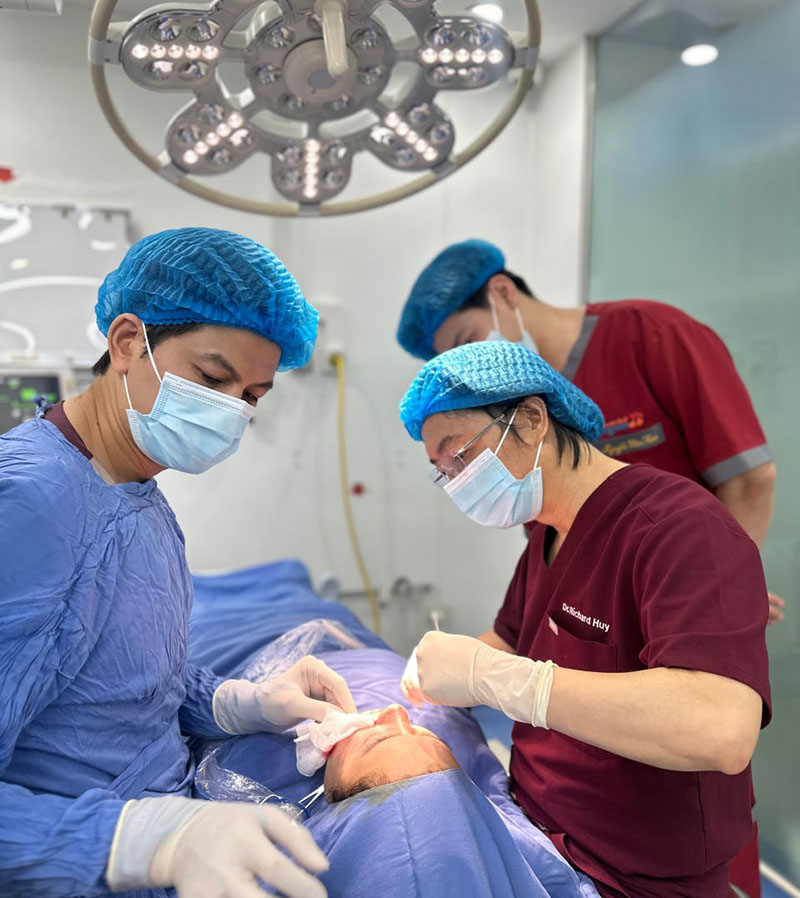
The expertise of the aesthetic surgeon is a crucial factor.
V/ Potential Risks After Aesthetic Surgery
Aesthetic surgery is generally safe when performed according to medical protocols. However, as with any surgical procedure, certain risks may arise, including swelling, infection, bleeding, fluid accumulation, scarring, or unsatisfactory results.
- Swelling and Bruising: Common reactions due to tissue intervention, typically subsiding within days to a few weeks.
- Surgical Site Infection: May occur if sterile techniques or postoperative care are inadequate, requiring prompt treatment.
- Bleeding and Fluid Accumulation: Can develop if the body reacts strongly or if physical activity is resumed too soon after surgery.
- Unfavorable Scarring: Depends on both the surgical technique and individual healing characteristics.
- Unsatisfactory Results: Some cases may require adaptation time or revision procedures to achieve the optimal aesthetic outcome.
VI/ Comparing Aesthetic Surgery Abroad and in Vietnam
Below is a comparison of aesthetic surgery procedures performed abroad versus in Vietnam:
| Location | Advantages | Disadvantages |
| Abroad | - Established medical brands with leading technology and research centers
- Highly skilled surgeons
| - Very high costs
- Long waiting times for consultations and surgery
- Additional travel and accommodation expenses
- Language barriers, making postoperative follow-up difficult
|
| Vietnam | - Optimized costs
- Highly skilled surgeons, many with international training
- Advanced technology and flexible procedures
- Convenient postoperative care and follow-up
| - Quality may vary between facilities
- Choosing a reputable hospital is essential to ensure safety
|
VII/ Frequently Asked Questions
1. Is aesthetic surgery safe?
Aesthetic surgery in Vietnam is considered highly safe when performed at reputable hospitals such as Kangnam Aesthetic Hospital, which brings together a team of highly skilled, experienced, and well-trained surgeons. These facilities apply advanced technology, internationally certified materials, and strict sterile protocols, minimizing potential risks.
2. How soon should I have a follow-up after aesthetic surgery?
After aesthetic surgery, clients are typically scheduled for their first follow-up within 3–7 days to check the surgical site, swelling, and initial stability. Subsequent follow-ups are arranged periodically over 1–3 months to monitor recovery, assess results, and promptly address any complications.
3. How long does recovery take after aesthetic surgery?
Recovery time depends on the procedure and level of intervention. Generally, swelling and discomfort significantly decrease within 1–2 weeks. However, achieving fully stable results, complete soft tissue healing, and natural contours usually requires 3–6 months.
Aesthetic surgery is increasingly chosen to enhance appearance and boost confidence. Undergoing procedures at reputable facilities such as Kangnam Aesthetic Hospital ensures clients can feel confident about safety, quality, and natural results.