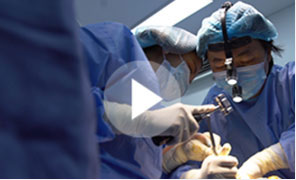
Date posted: 26-10-2024 | Last updated : 22-12-2025
Revision Rhinoplasty is an essential solution for patients whose previous nose surgery did not achieve the desired results, resulting in issues such as nasal deviation, implant visibility, contracture, or progressive deformity over time. Therefore, international patients traveling to Vietnam for revision rhinoplasty should carefully choose a reputable aesthetic hospital to ensure both long-term aesthetic outcomes and health safety.
Revision rhinoplasty is a corrective surgical procedure performed to address complications and structural abnormalities following a primary rhinoplasty or nasal trauma. Common conditions include nasal deviation, contracture, exposed implants, skin perforation, infection, or overall structural imbalance.
During the procedure, the surgeon performs a comprehensive reconstruction of the nasal cartilage and bone, utilizing safe materials such as autologous cartilage or advanced biocompatible implants. The goal is to restore a natural-looking nose that harmonizes with the facial features while ensuring long-term structural stability.
For international patients, revision rhinoplasty is often considered a last resort after multiple unsuccessful surgeries. Therefore, selecting a medical-standard aesthetic hospital with a highly specialized surgical team plays a decisive role in achieving successful results.
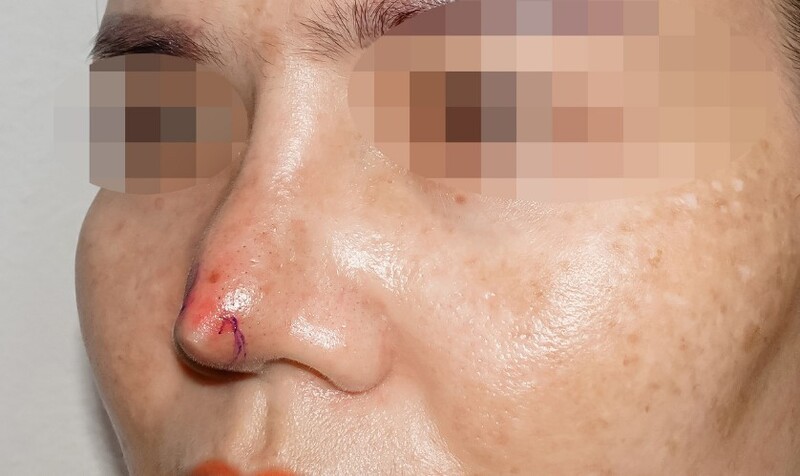
Damaged Nose, Exposed Cartilage after rhinoplasty
Rhinoplasty is the process of correcting defects, complications, or unsatisfactory results from a previous rhinoplasty. Unlike first-time rhinoplasty, repairing a damaged nose is often much more complex. This is because the nose structure has already been affected, with soft tissue and cartilage damaged from the previous surgery. Scar tissue forms, and there may also be vascular issues. Reconstructing the nose shape requires the surgeon to have high-level skills and extensive experience.
In reality, failed rhinoplasty can present at various levels, ranging from mild aesthetic concerns to severe structural damage. Below are the most common conditions patients experience after nasal surgery:
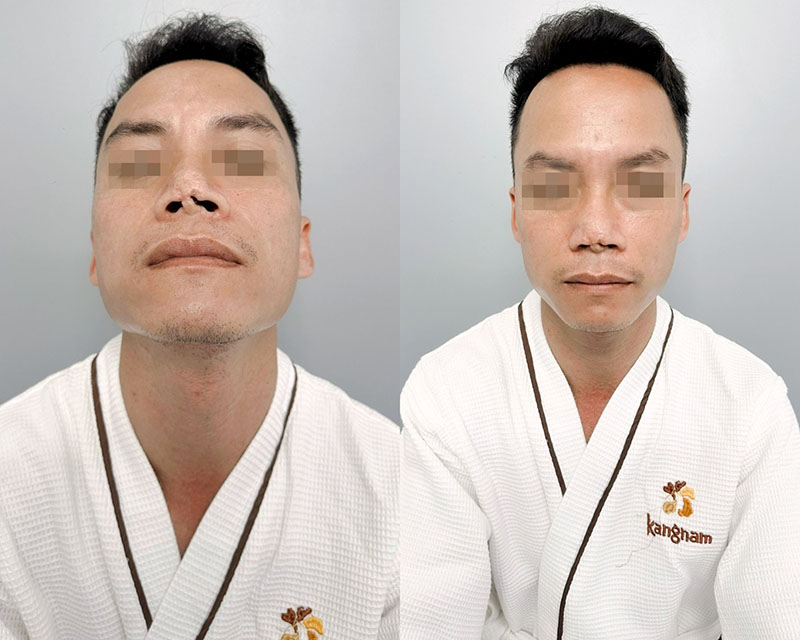
Damaged, Crooked Nose due to Accident
Kangnam Aesthetic Hospital currently applies advanced Idol Structural Rhinoplasty techniques for revision cases, allowing comprehensive nasal reconstruction, effective correction of postoperative complications, and long-term safe, stable results.
A comprehensive revision rhinoplasty technique that simultaneously addresses:
The surgeon:
Korean-standard nasal implants are then used to:
The final nasal shape is customized to harmonize with facial features while ensuring both:
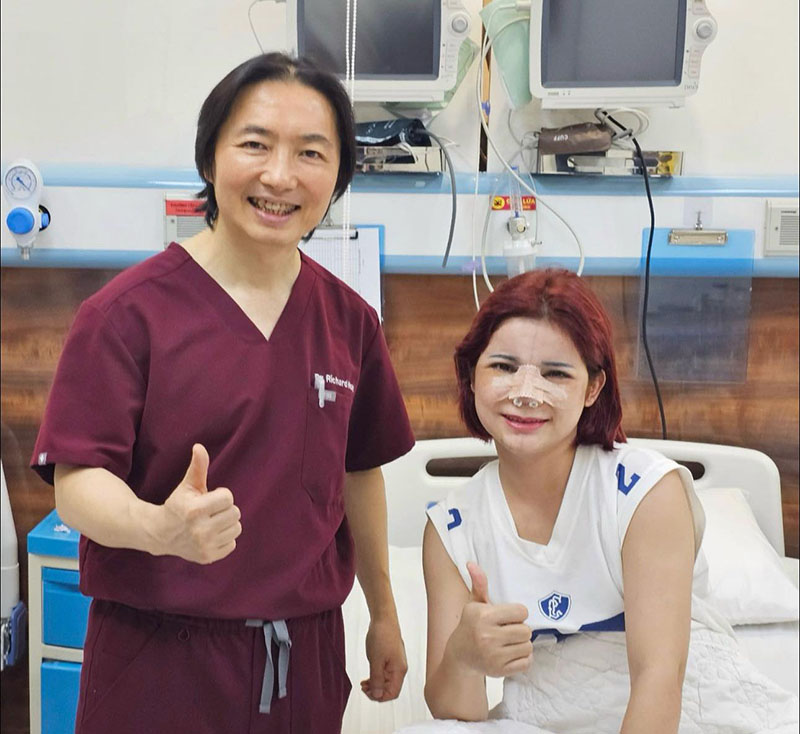
Kangnam medical team is always ready to accept cases of damaged noses and complex deformed noses.
Recommended for failed rhinoplasty cases involving:
Nanoform is a premium, flexible biomaterial featuring:
In revision rhinoplasty, Nanoform helps to:
Surgiform is widely chosen by international patients due to:
Suitable for revision cases requiring:
Key advantages of Surgiform include:
Particularly ideal for patients with high expectations for:
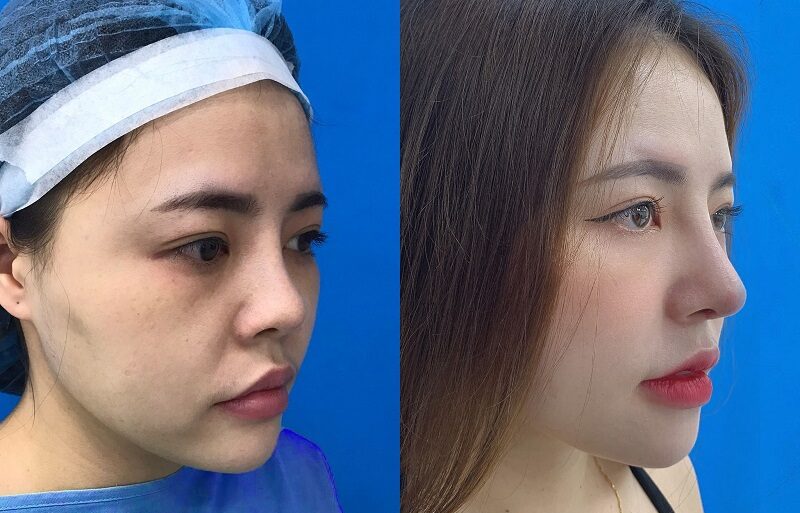
Using high-quality nasal cartilage to correct a damaged nose.
Considered the optimal reconstructive solution for severe failed rhinoplasty cases, such as:
The surgeon uses:
This technique reconstructs:
Benefits include:
This is a highly complex procedure requiring:
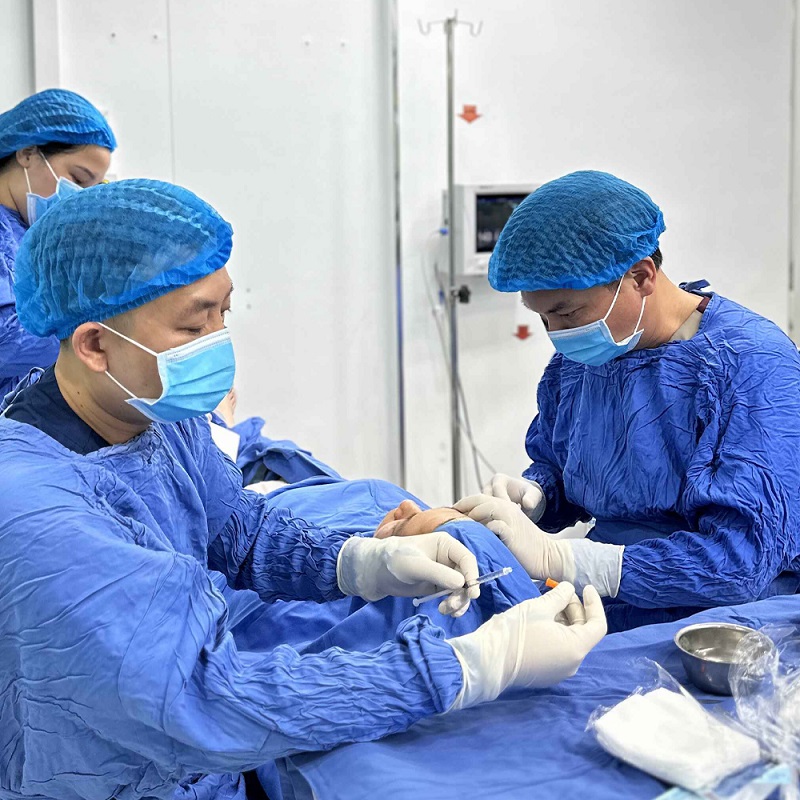
The procedure for correcting botched rhinoplasty at Kangnam follows standard medical practices.
For international clients seeking revision rhinoplasty, the procedure requires a high level of precision, highly experienced surgeons, and an internationally standardized care system. Kangnam Aesthetic Hospital is one of Vietnam’s leading aesthetic hospitals, trusted by clients from the United States, Australia, Canada, South Korea, Singapore, and other countries thanks to its comprehensive, safe, and personalized revision rhinoplasty protocols.
Kangnam Aesthetic Hospital applies state-of-the-art rhinoplasty technologies that meet international medical standards, making it especially suitable for international clients who wish to correct failed nose surgeries within a short stay in Vietnam.
Kangnam is home to a team of leading specialists in nasal plastic surgery, with many years of experience in handling complex revision cases caused by previous surgeries or accidents. Notable surgeons include those who have participated in prestigious transformation programs, such as Dr. Richard Huy, Dr. Henry Nguyen, and Dr. Harvey Nguyen.
With strong professional expertise and a modern aesthetic mindset, Kangnam’s surgeons always prioritize long-term safety, providing international clients with complete peace of mind when choosing revision rhinoplasty in Vietnam.
Kangnam Aesthetic Hospital has invested comprehensively in advanced medical equipment and technology, fully meeting surgical requirements and strict sterilization standards.
From the AI FACE DESIGN facial analysis system and one-way sterile operating rooms to dedicated postoperative recovery areas, all facilities are designed according to international aesthetic hospital models, ensuring maximum safety and faster recovery for clients.
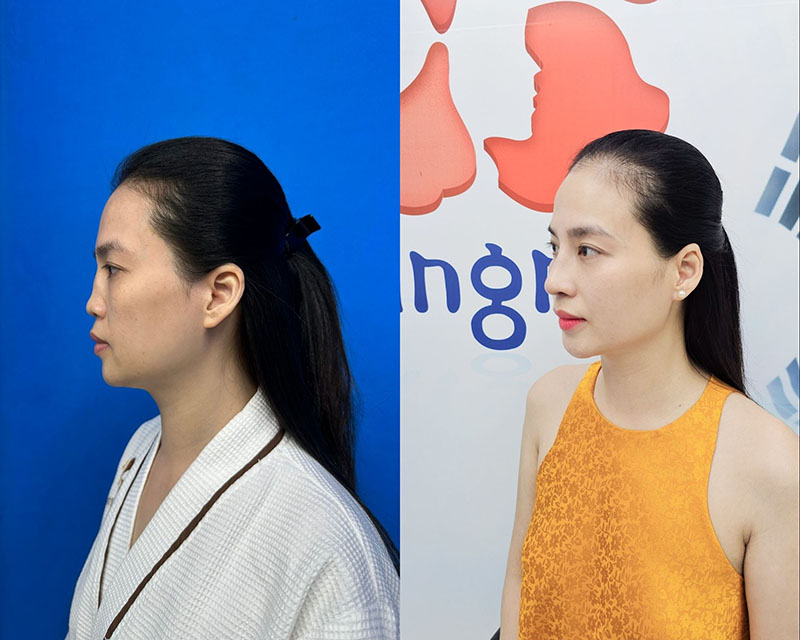
Thu Ha has a “divine” side profile after restoring her damaged nose.
International clients can experience 1:1 online consultations with Kangnam’s leading aesthetic surgeons. This helps save time and ensures that all questions and personal needs are thoroughly and accurately addressed before deciding to travel to Vietnam for surgery.
After undergoing aesthetic procedures, international clients can enjoy a premium 5-star recovery package at Kangnam. This includes specialized postoperative recovery and healthcare services with professional support from a dedicated personal nurse.
Revision rhinoplasty should only be performed at reputable aesthetic hospitals with highly experienced surgeons. At Kangnam Aesthetic Hospital, the modern Idol structural rhinoplasty technology enables safe, durable, and natural nasal reconstruction. Contact Kangnam today for a personalized 1:1 consultation and a customized revision rhinoplasty treatment plan tailored specifically for you.