Date posted: 13-07-2026 | Last updated : 13-07-2026
Early recognition of infection signs after rhinoplasty (nose surgery) is essential for timely intervention. Prompt medical attention prevents localized inflammation from progressing into severe complications that could jeopardize your nasal structure and overall health. When detected early, infection can be successfully controlled, allowing proper healing and protecting your aesthetic investment.
I. 7 Warning Signs of Nasal Infection After Rhinoplasty
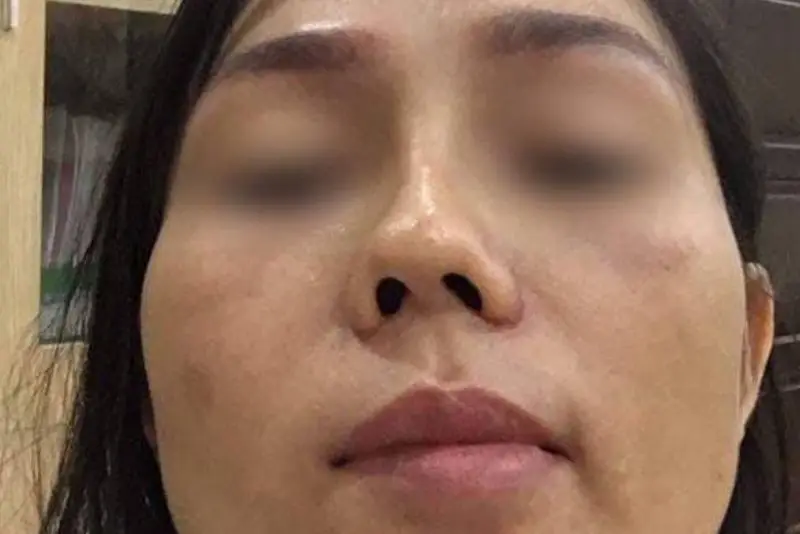
Nasal infection typically manifests through persistent swelling, redness, severe throbbing pain, structural asymmetry or deviation, a feeling of tightness or localized heat, enlarged nasal tip swelling, purulent discharge (yellow/green pus) or active bleeding, often accompanied by fever and fatigue. In advanced cases, the nasal skin may turn dark blue or black, indicating tissue necrosis.

Detailed Breakdown of the 7 Key Indicators:
Persistent Redness & Throbbing Pain: Prolonged inflammation around the bridge and tip of the nose caused by dilated capillaries, often accompanied by constant, throbbing pain—especially when touched.
- Tightness & Localized Heat: Infection leads to severe vascular congestion, causing an uncomfortable sensation of pressure. The nasal skin feels noticeably warm or hot due to increased blood flow to the inflamed tissue.
- Nasal Tip Bulbousness / Fluid Retention: Soft tissues at the tip of the nose swell significantly due to inflammatory fluid accumulation, making the nasal tip look enlarged or misshapen.
- Purulent Discharge, Yellow Pus, or Oozing: Nasal discharge transitions from clear fluid to thick yellow, green, or foul-smelling purulent fluid containing white blood cells and bacteria.
- Systemic Symptoms (Fever & Fatigue): The body’s immune system releases inflammatory mediators, triggering mild to high fevers, systemic fatigue, and overall lethargy.
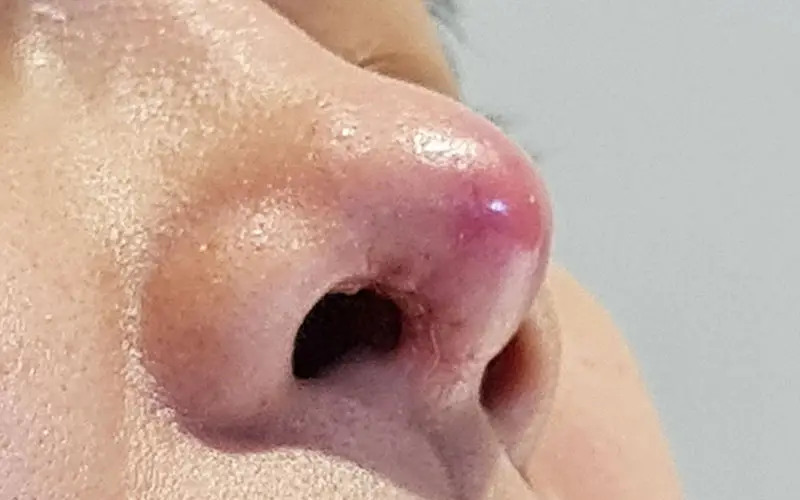
- Dark Discoloration or Blackening Skin: Dark blue or black discoloration of the skin indicates microvascular compromise and tissue necrosis—a critical medical emergency requiring immediate surgical intervention.
- Nasal Deformation or Graft Deviation: Long-term or deep-seated infection erodes structural support tissues and cartilage, causing the nose bridge to warp, deviate, or collapse.
II. Primary Causes of Infection Post-Rhinoplasty
Infection typically develops due to a breach in sterile surgical conditions, suboptimal technique, low-grade implants, or improper post-operative care:
- Unsterile Surgical Environment: Procedures performed in non-accredited facilities or with improperly sterilized instruments introduce bacteria directly into the surgical pocket.
- Improper Surgical Technique: Inexperienced practitioners may misplace the implant or create an ill-fitting pocket (too tight or too loose), leading to localized ischemia, hematoma formation, and compromised tissue blood flow.
- Substandard Implants: Utilizing low-grade, non-certified implants or unverified biomaterials increases the risk of foreign-body rejection and chronic inflammation.
- Suboptimal Post-Operative Aftercare: Inadequate cleaning, exposing fresh incision sites to unsterile tap water, or failing to strictly follow post-care instructions creates an ideal breeding ground for bacteria.
III. Potential Complications of Untreated Nasal Infection
Failing to address nasal inflammation in its early stages can lead to catastrophic structural and aesthetic complications:
- Cartilage Necrosis & Collapse: Infection can destroy surrounding septal or autologous cartilage.
- Severe Soft-Tissue Damage: Deep scarring and contracture, leading to a severely shortened or upturned “pig-nose” deformity.
- Septal Deviation & Airway Obstruction: Structural shifts impairing respiratory function.
- Systemic Infection: Bacteria entering the bloodstream, posing severe health risks.
Clinical Intervention: Depending on the severity, treating post-rhinoplasty infection involves targeted IV antibiotic therapy, specialized wound irrigation, fluid drainage, or emergency revision surgery to remove the compromised implant.
IV. Guidance for Overseas Clients & Medical Tourists
If you suspect any sign of infection after returning to your home country, act immediately:
Immediate Action Plan:
- Contact Your Surgical Team: Immediately send high-resolution photos and video updates to your surgeon or care team at the hospital where your surgery was performed.
- Consult a Local Board-Certified Specialist: If you have already flown back home, visit an accredited facial plastic surgeon or Otolaryngologist (ENT specialist) in your city for an immediate physical examination.
- Do NOT Self-Medicate: Avoid taking unprescribed antibiotics, topical ointments, or home remedies, as this can delay proper diagnosis and mask critical clinical symptoms.

Why International Patients Trust Kangnam Korean Aesthetic Hospital for Safe Rhinoplasty
To safeguard international clients against surgical complications, Kangnam Korean Aesthetic Hospital enforces rigorous international safety protocols:
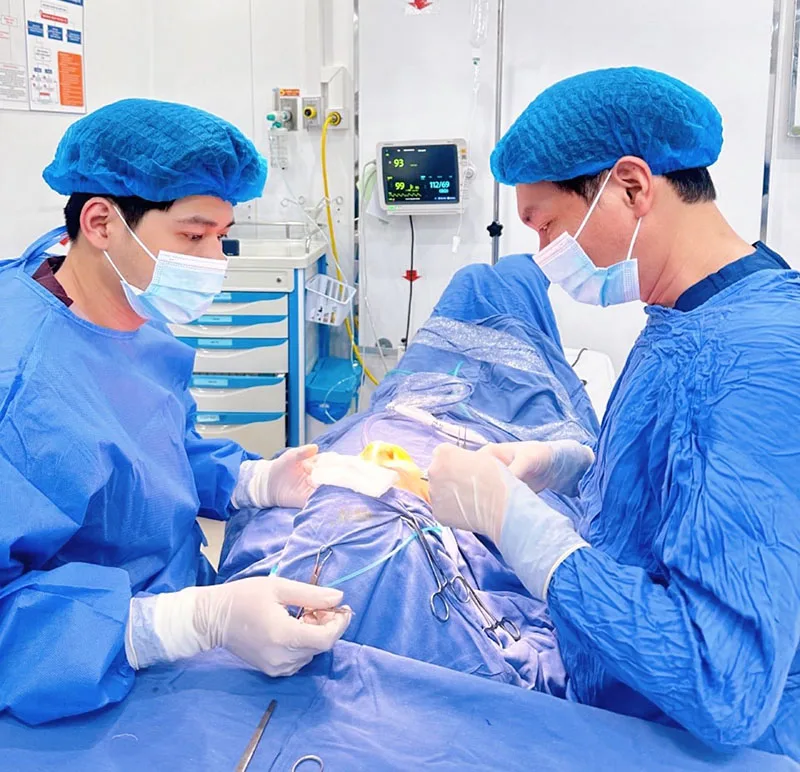
- Positive-Pressure Sterile Operating Suites: Kangnam’s surgical suites feature advanced air-filtration systems and strict sterile field protocols, eliminating airborne bacterial contamination during procedures.
- FDA-Approved, High-Grade Implants: Kangnam exclusively utilizes internationally certified biological and synthetic implants—such as Surgiform and Nanoform—which offer exceptional biocompatibility and dramatically lower rejection risks.
- Senior Facial Plastic Surgeons: Every rhinoplasty is performed directly by board-certified specialists with over 10 years of clinical experience, ensuring precise pocket creation, minimal tissue trauma, and anatomical alignment.
- Structured Remote Care for Medical Tourists: Overseas patients receive 1-on-1 virtual pre-trip assessments and dedicated online post-operative monitoring via video calls once they return home.
Pre-Trip Virtual Assessment: If you are living abroad and planning a rhinoplasty or revision rhinoplasty in Vietnam, send clear facial photos to our medical team for a preliminary 1-on-1 online evaluation before booking your travel.
Disclaimer: Clinical outcomes, recovery responses, and treatment plans depend on individual health factors and anatomical baseline. This guide is provided for educational purposes and does not substitute for a direct medical evaluation by a qualified physician.