Date posted: 17-07-2026 | Last updated : 17-07-2026
Blepharoplasty is a popular aesthetic technique that helps create larger, rounder, and more attractive eyes. However, to achieve optimal aesthetic results, the post-operative care process—especially the dietary regimen—plays a crucial role. Therefore, what should you eat after eyelid surgery to heal quickly, help the wound reduce swelling, and minimize the risk of unsightly scar formation?
1. What Should You Eat After Blepharoplasty for Fast Healing?
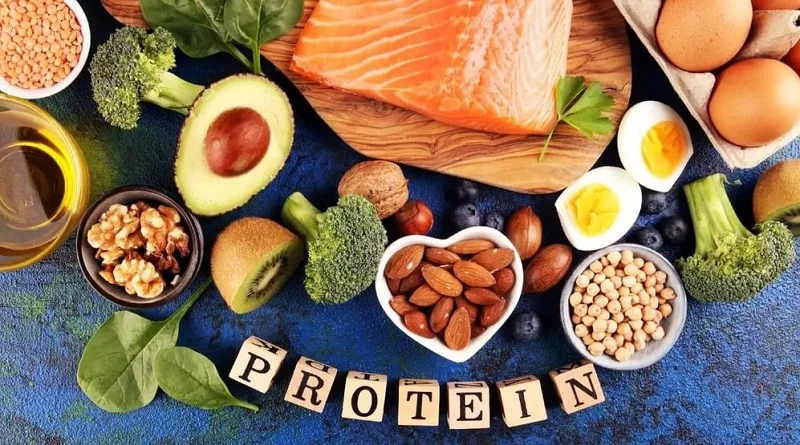
After blepharoplasty, you should supplement protein-rich foods such as soybeans, broccoli, and oats to regenerate tissues and skin. Concurrently, increase Vitamin A intake from sweet potatoes, carrots, pumpkins, and bell peppers to help accelerate eyelid recovery and limit inflammation.
In addition, clients should eat plenty of fruits and drink plenty of water to boost the body’s resistance and help the wound heal quickly.
2. Top Foods to Help Eyes Heal Quickly After Blepharoplasty
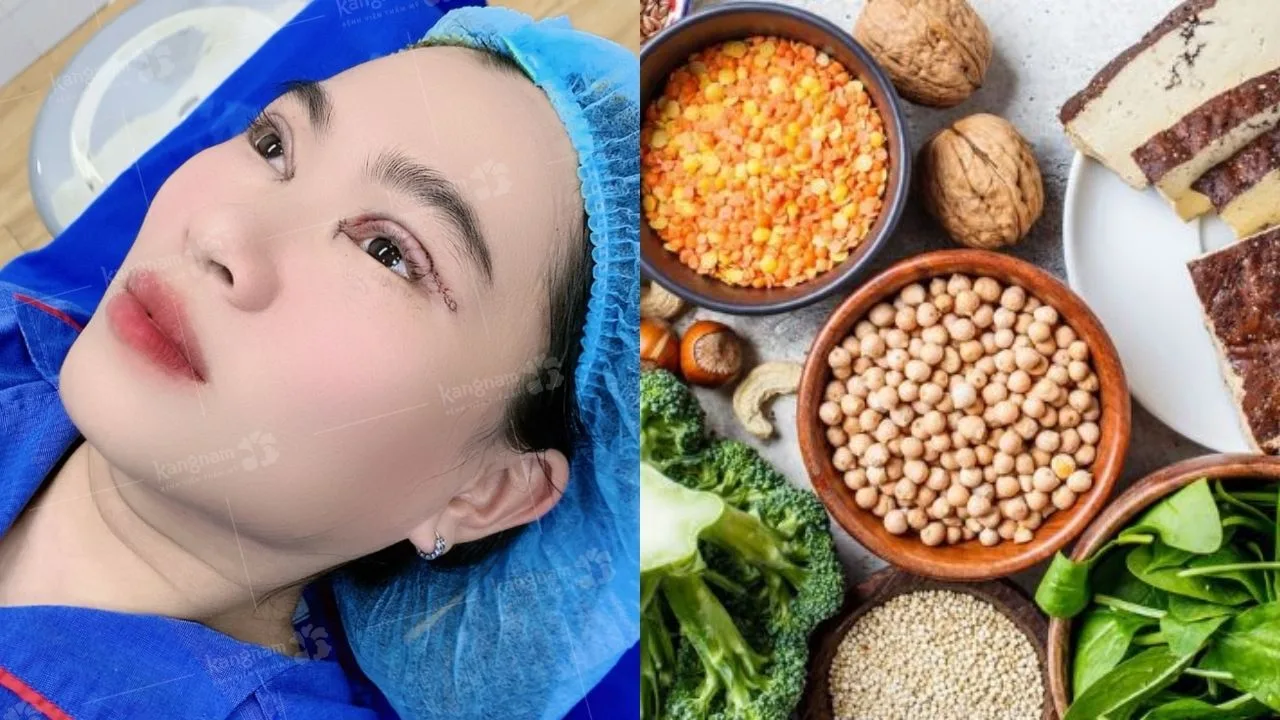
The top 5 types of foods that help post-blepharoplasty wounds reduce swelling and limit complications include: protein-rich foods, Vitamin A-rich foods, zinc-rich foods, Vitamin C-rich foods, and water.
- Protein-Rich Food Group: Protein is an essential component that helps regenerate cells and repair damaged tissues. Supplementing adequate protein will help the incision heal much faster. You can find protein in plant sources such as soybeans, oats, and broccoli.
- Vitamin A-Rich Food Group: Vitamin A plays an important role in antioxidant defense, cell protection, and promoting skin recovery. Vitamin A-rich foods like sweet potatoes, carrots, pumpkins, and bell peppers will help soothe the wound and reduce the risk of infection.
- Zinc-Rich Food Group: Zinc is an essential trace mineral that functions to stimulate the synthesis of protein and collagen, helping wounds heal quickly and limiting scar formation. You should add foods like whole grains, radishes, and soybeans to your diet to provide enough zinc for the body.
- Vitamin C-Rich Food Group: Vitamin C not only helps strengthen the immune system but is also a powerful antioxidant that helps promote collagen production, supporting rapid skin regeneration. Supplement fruits like oranges, grapefruits, and strawberries to help the wound recover early and become healthy.
Additionally, do not forget to drink enough water every day to maintain the necessary moisture for the body, allowing the metabolic process to take place smoothly, thereby promoting wound healing more effectively.
3. Foods to Avoid After Blepharoplasty
To ensure the best recovery process, you need to avoid eating certain foods after eyelid surgery, such as water spinach, glutinous rice items, beef, chicken, duck, eggs, etc.
- Water Spinach: This vegetable contains a lot of collagen, which can overstimulate proliferation, causing keloid scars at the incision site. Abstain from eating water spinach for at least 1–2 weeks, until the wound is completely healed.
- Glutinous Rice Items (Sticky rice, Banh Chung, glutinous rice cakes): These dishes possess hot properties, easily causing swelling and pus formation, and slowing down the recovery process.
- Beef: Can leave dark stains and cause pulling sensations in newly operated skin areas. It is best to abstain from beef for at least 1–2 weeks.
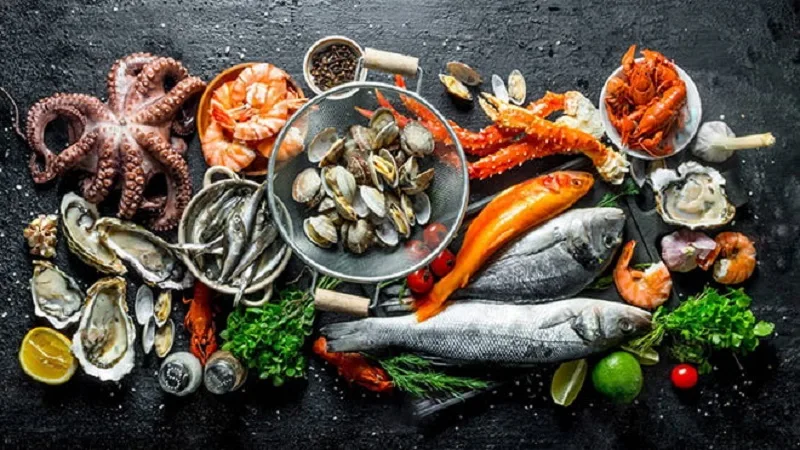
- Chicken, Duck, and Seafood: These foods easily cause allergies and itching, especially regarding open wounds.
- Eggs: Eating eggs can cause the skin surrounding the incision area to develop uneven, patchy discoloration, affecting aesthetics.
- Spicy and Hot Foods, Alcohol, Carbonated Drinks, and Stimulants: These types of food and drinks will delay the wound healing process and can induce inflammation.

4. How Long Should You Keep a Restricted Diet After Blepharoplasty?
Typically, the dietary restriction period after blepharoplasty ranges from 1 to 2 weeks. However, to allow the wound to recover best and ensure optimal aesthetic results, you should continue maintaining the restricted diet for 1 month. This helps minimize keloid and dark scars, while promoting the wound healing process, helping the eyes look naturally beautiful and balanced.
5. Comprehensive Care Protocol at Kangnam
At Kangnam Aesthetic Hospital, clients are guided through a scientific dietary and care protocol after blepharoplasty to shorten recovery time. The team of doctors will:
- Advise on a specific menu corresponding to each phase of wound healing.
- Guide on how to clean and apply cold/warm compresses correctly to reduce swelling and bruising.
- Monitor the recovery progress through direct follow-ups or online check-ups for distant clients and overseas Vietnamese.
- Combine the application of cold plasma therapy to help the wound heal quickly in just 5–7 days, minimizing edema, limiting scars, and maintaining long-lasting results.
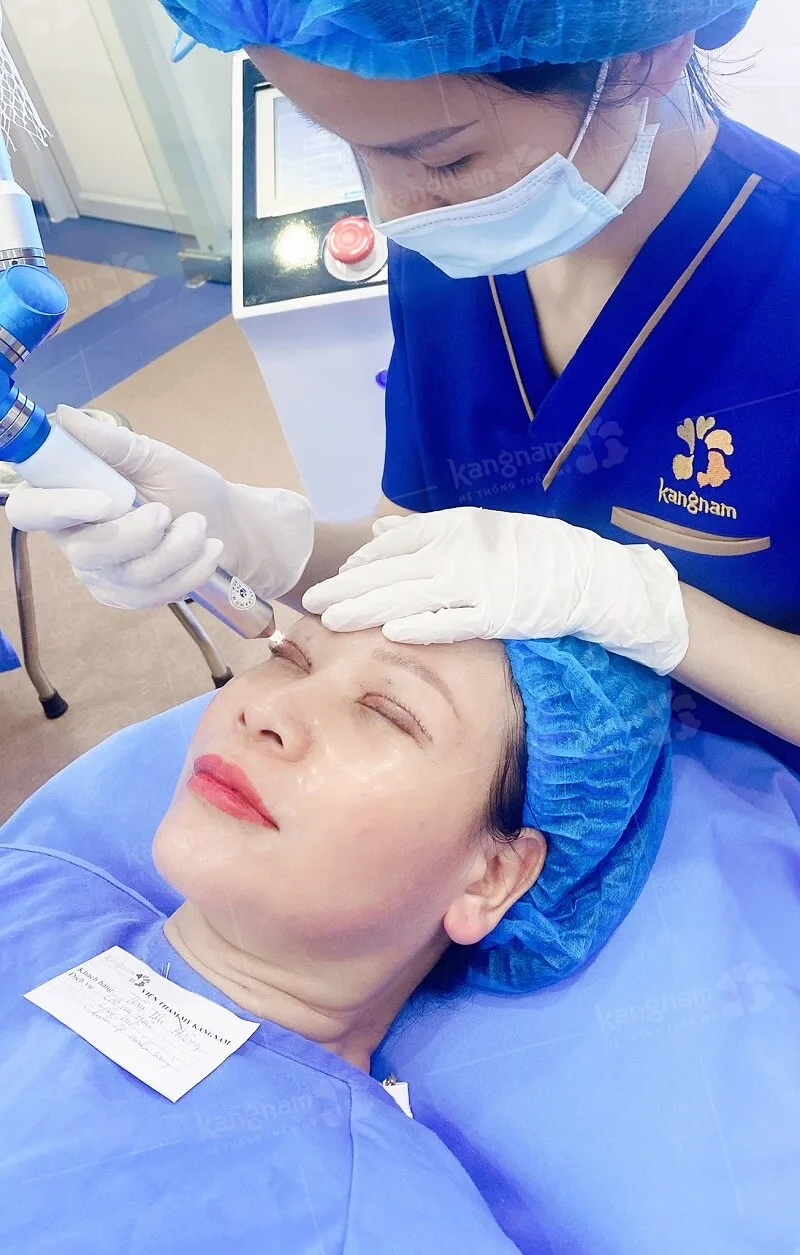
Thanks to the comprehensive care protocol alongside a highly experienced team of doctors, clients at Kangnam not only achieve naturally beautiful eyelids but also recover quickly and safely without leaving behind any aesthetic marks.