Date posted: 20-10-2026 | Last updated : 20-10-2026
You should not fly immediately after liposuction or breast augmentation because your body needs time to recover and stabilize after surgery. According to the American Society of Plastic Surgeons (ASPS), patients are generally advised to wait at least approximately 5–7 days before flying. However, the actual waiting period may be longer depending on the extent of surgery, your health condition, flight duration, and your doctor’s assessment.
After liposuction: Flying may be considered after approximately 5–7 days if the surgery is successful, recovery is progressing well, and your doctor gives approval.
After breast augmentation: The recommended reference period is 5–7 days, but a longer waiting period may be necessary, especially for long-haul flights.
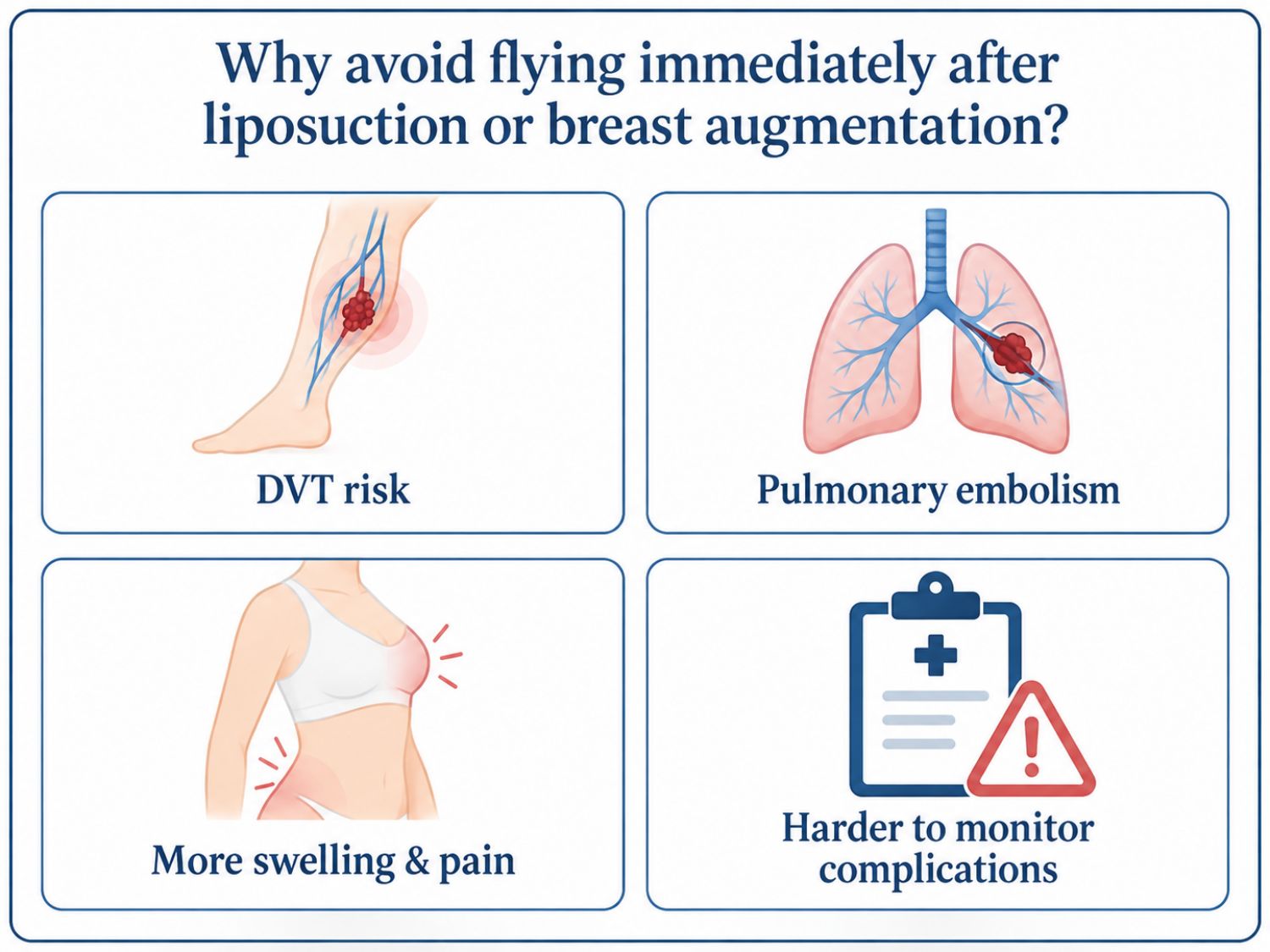
Potential risks: Blood clots, prolonged swelling and pain, bleeding, infection, and postoperative complications.
Important requirements: Patients should attend follow-up appointments, undergo mobility assessments, and receive medical clearance from their doctor before flying.
Flying too soon after surgery may increase the risk of blood clots, cause additional discomfort, and make it more difficult to monitor complications. In particular, flights lasting several hours may require patients to remain seated for extended periods while their bodies have not fully recovered.
Potential risks to consider include:
After liposuction, patients are advised to wait approximately 5–7 days before flying, provided their health is stable and no complications occur. For patients undergoing liposuction in multiple areas, large-volume liposuction, or combined surgical procedures, a longer waiting period may be necessary.
The appropriate time to fly depends on several factors:
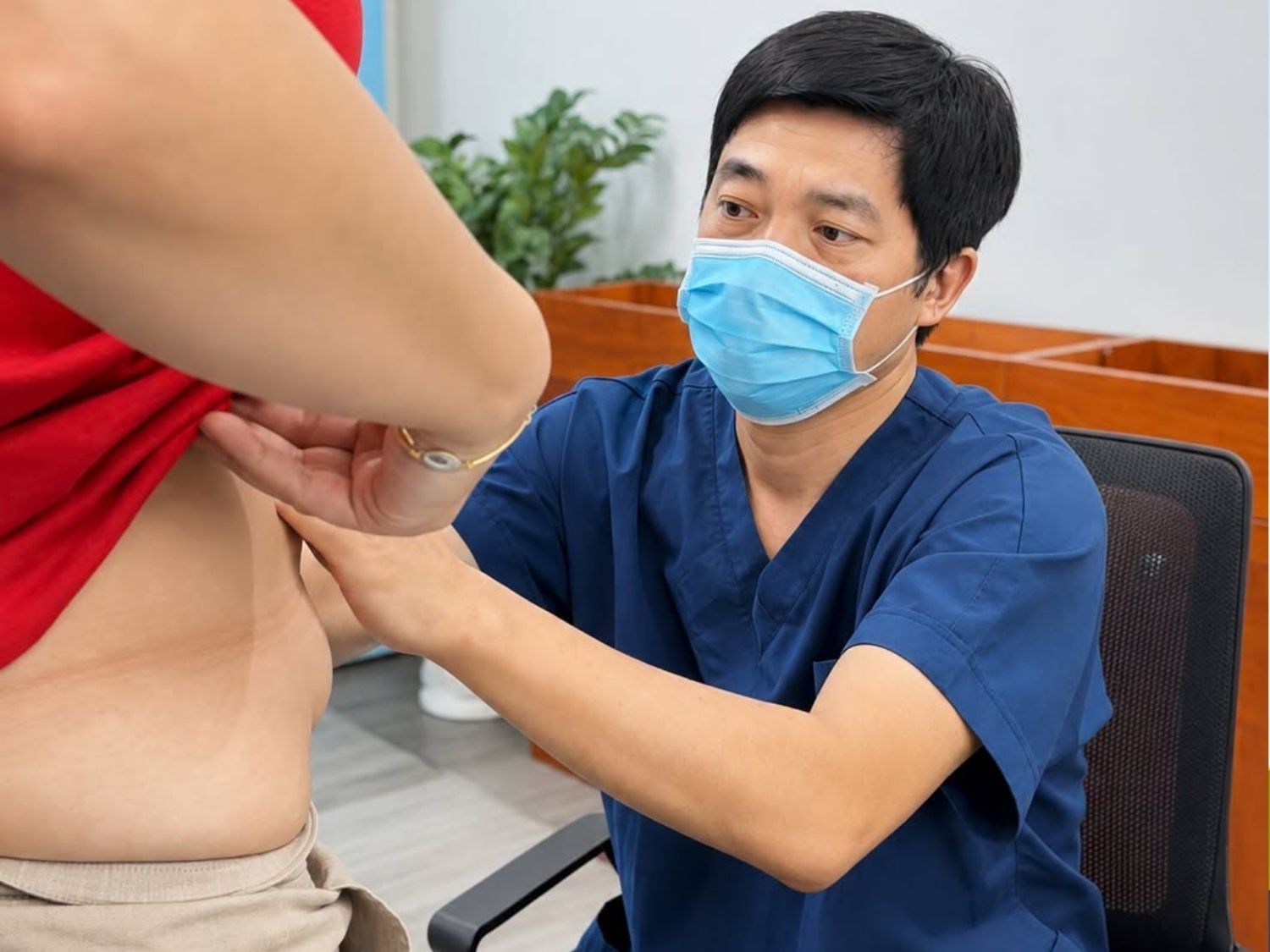
For patients undergoing liposuction of the abdomen, thighs, or multiple areas, the doctor may recommend an extended stay for monitoring and follow-up examinations before returning home.
In particular, when liposuction is combined with abdominoplasty, recovery time and the risk of complications may differ significantly from those associated with liposuction alone.
You should not decide to fly simply because you experience little pain or can walk normally. Internal healing still needs to be assessed by a doctor before long-distance travel.
After breast augmentation, the ASPS recommends a reference waiting period of approximately 5–7 days before flying, although many patients may need a longer recovery period for monitoring. Patients should not schedule their return flights immediately after surgery, especially if they need to take long international flights.
After breast augmentation, the body needs time for the surgical incisions to begin healing, swelling and pain to gradually decrease, and the breast area to become more stable.
Factors affecting when you can fly include:
In addition to the ASPS recommendations, the CDC Yellow Book 2026 – Medical Tourism advises against flying within 10 days after chest or abdominal surgery.
The recommended waiting period before flying after surgery depends on the type of procedure, recovery progress, and individual risk factors. The timeframes below are for reference only and do not replace the instructions of your treating doctor.
| Type of surgery | Recommended waiting period | Important considerations |
| Liposuction alone | Approximately 5–7 days, according to ASPS | Smooth recovery, no complications, and medical clearance from the doctor |
| Breast augmentation alone | Approximately 5–7 days, according to ASPS | Stable surgical incisions, well-controlled pain and swelling, and completion of a follow-up examination |
| Extensive or multiple-area liposuction | May require longer than 5–7 days | Depends on the extent of liposuction, overall health, and risk of blood clots |
| Chest or abdominal surgery covered by CDC recommendations | Avoid flying during the first 10 days | The doctor must determine how the recommendation applies to each surgical procedure |
| Combined surgical procedures | No standard waiting period | Individual assessment is required before determining the flight date |
Patients should postpone their flights if they show signs of suspected complications or have not met the health requirements determined by their doctor. Attempting to fly as scheduled before the body has stabilized may increase the risk of serious health problems.
Conditions that require medical assessment before deciding to travel include:
In addition, patients with a history of blood clots, obesity, those taking estrogen-containing medications, or those with cardiovascular or respiratory conditions require more careful risk assessment.
In particular, if sudden shortness of breath, chest pain, fainting, or coughing up blood occurs, emergency medical attention is required immediately, as these may be signs of a pulmonary embolism. If one leg becomes unusually swollen, painful, warm, or red, urgent medical evaluation is also necessary to rule out deep vein thrombosis.
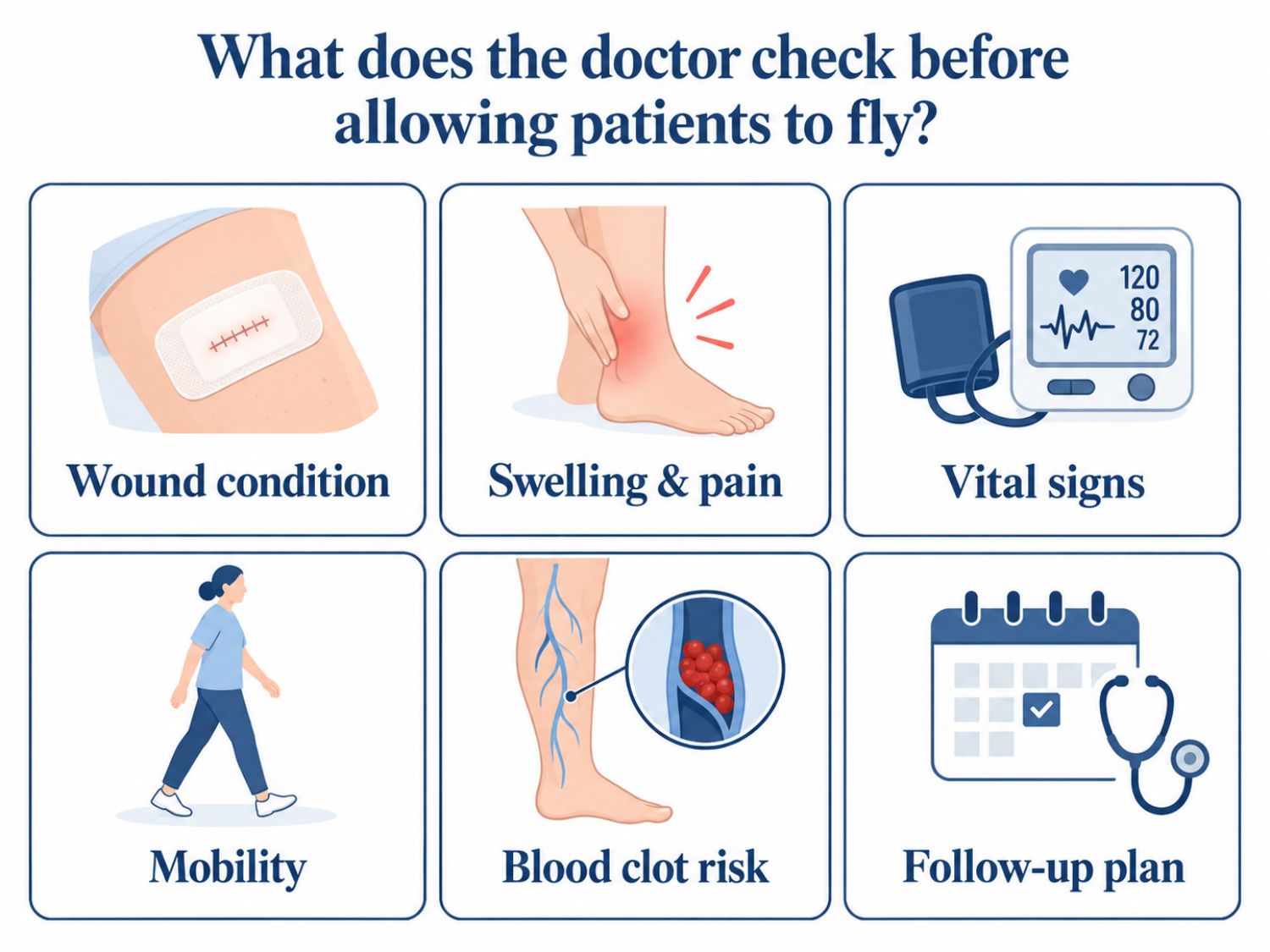
Before patients travel by air, the doctor needs to assess their recovery progress, risk of complications, and ability to tolerate the flight. Medical clearance to fly is not based solely on the number of days that have passed since surgery.
Common assessment criteria include:
Even after receiving medical clearance to fly, patients should continue appropriate movement, stay adequately hydrated, and follow postoperative care instructions. These measures may help reduce the risk of complications but cannot eliminate all risks.
Do not take aspirin, anticoagulants, or use medical compression stockings to prevent blood clots without guidance from your doctor. These measures should be selected based on each patient’s risk level and health condition.
Patients should continue following postoperative care instructions, monitoring their surgical wounds, and maintaining contact with the surgical facility.
If unusual symptoms occur, patients should visit an appropriate medical facility for examination rather than relying solely on remote consultations.
Short flights generally involve less time spent sitting still than long-haul flights, which may reduce certain travel-related risks. However, patients still need medical clearance from their doctor, even if the flight lasts only 1–2 hours.
There is currently no reliable evidence that changes in cabin pressure during a normal flight can cause approved breast implants to rupture. More important concerns when flying too soon include the condition of surgical incisions, swelling, pain, bleeding, and the risk of postoperative blood clots.
Patients should wear compression garments according to their surgeon’s instructions. If the garment causes pain, numbness, or unusual discomfort, consult your doctor for adjustments rather than removing it or tightening it excessively on your own.
You should not take anticoagulants or aspirin on your own to prevent blood clots. Your doctor will assess your individual risk and determine whether medication or other preventive measures are necessary.
In summary, you should not fly immediately after liposuction or breast augmentation. Although the ASPS provides a reference waiting period of 5–7 days, a longer period may be necessary depending on the type of surgery and recovery progress. In particular, patients planning international flights should allow sufficient time for follow-up examinations before returning home.