Date posted: 24-07-2026 | Last updated : 25-07-2026
After undergoing liposuction, the body needs time to recover and stabilize. One of the questions clients are most concerned about is: “How long after liposuction can I shower?” This article will help you understand the safe timing for showering, proper hygiene methods, and necessary precautions to protect your aesthetic results.
1. How Long After Liposuction Can I Shower?
After liposuction, you can typically shower again after about 2–3 days, but you must strictly follow your doctor’s instructions to protect the wound. In the initial period, do not allow water to come into direct contact with the surgical site, and absolutely avoid soaking in a bathtub for at least 4 weeks to prevent the risk of infection or slowing down the recovery process.
Detailed Instructions:
- First 2–3 days: Minimize water touching the surgical area. You should only use a clean, soft cloth dampened with warm water to gently wipe your body, avoiding the incision area.
- After 2–3 days: You may take a quick shower using warm water and a gentle body wash; however, ensure water jets do not spray directly onto the liposuction area. Soaking in water, bathtubs, or swimming pools still requires abstinence for at least 4 weeks to ensure safety.
- After showering: Use a soft towel to pat dry gently, avoiding harsh rubbing on the skin, especially around the surgical site.
- Wound care: After cleansing the body, re-clean the surgical area according to your doctor’s instructions. You should use normal saline (0.9% NaCl) to rinse it, then cover it with sterile gauze to reduce infection risk and promote fast healing.
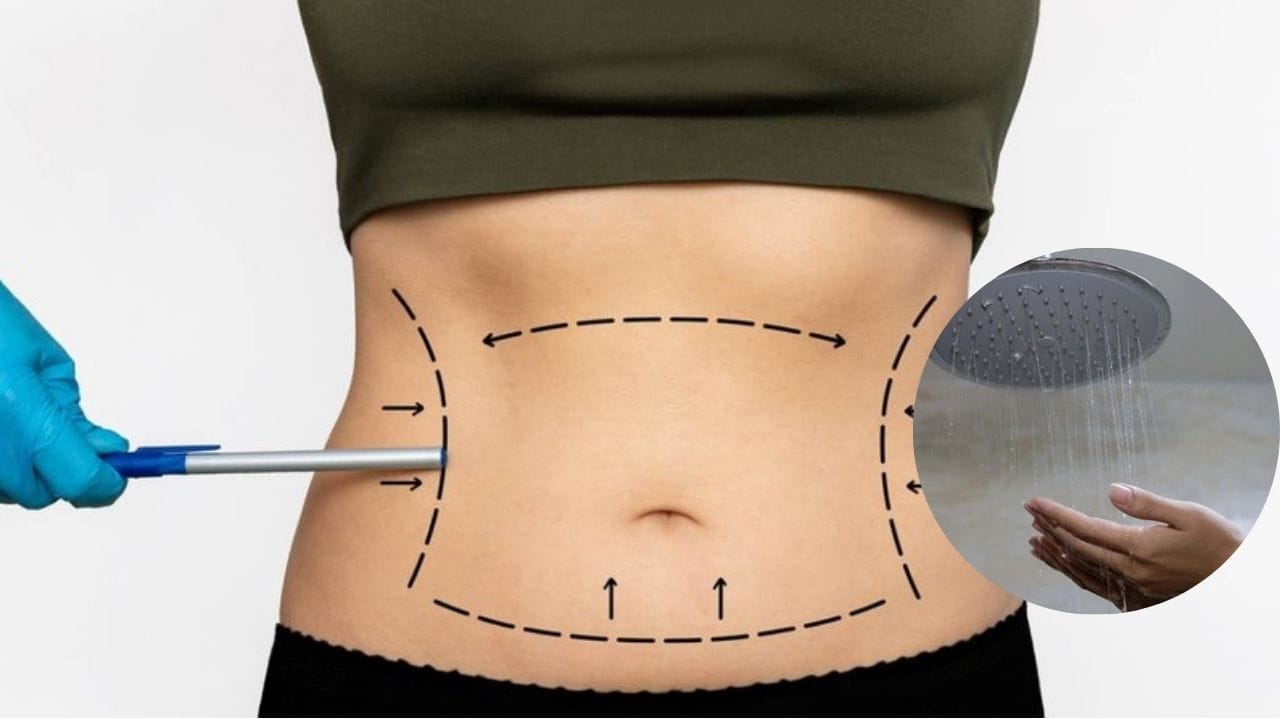
2. Why Is It Necessary to Refrain from Showering After Liposuction?
Refraining from showering after liposuction prevents inflammation and infection, keeps the abdominal area dry and ventilated, minimizes potential risks, and avoids affecting the sutures.
- Preventing Wound Infection: Tap water often contains bacteria and impurities. When the wound has not healed, these bacteria can enter, causing inflammation, swelling, pus discharge, or undesirable scarring.
- Keeping the Skin Area Dry and Ventilated: After liposuction, the skin is usually sensitive and easily irritated. Early exposure to water can make the skin damp, leading to itching, flaking, or burning pain.
- Protecting Sutures and the Healing Process: In some cases, doctors use dissolvable sutures or medical tapes; if softened by water, they may peel off early and cause the wound to reopen.
- Minimizing Prolonged Edema and Bruising Risks: Showering early, especially with hot water, can cause blood vessels to dilate, increasing swelling and lengthening recovery time.
Therefore, avoiding early showering helps the body recover quickly and ensures the best aesthetic results.
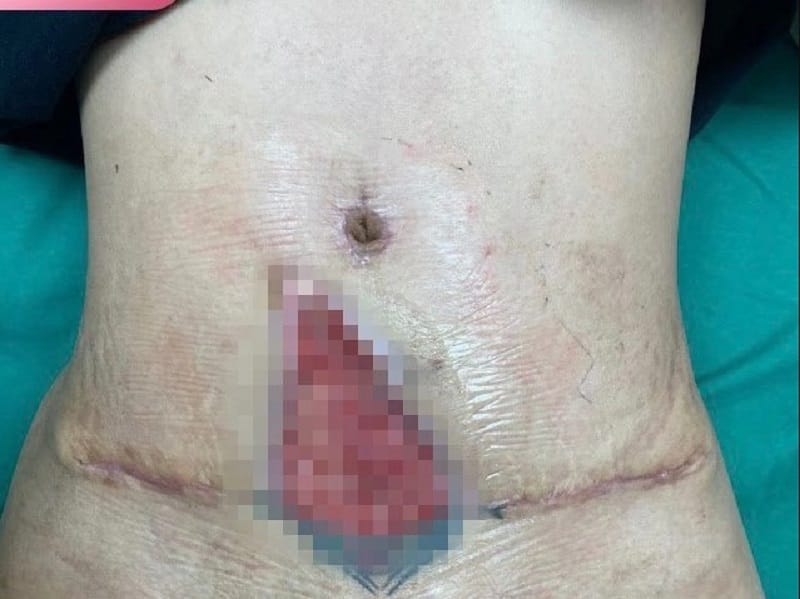
3. Safe Body Hygiene Methods Before You Can Shower
Even while abstaining from showering, you can still keep your body clean using safe hygiene methods recommended by doctors: wiping down with a warm towel, using antiseptic solutions, changing bandages regularly, wearing loose and breathable clothes…
Wiping Down with a Warm Towel: Mix moderately warm water and use a soft towel to gently wipe non-treated areas such as the neck, arms, legs, and back. Avoid harsh rubbing or letting water touch the liposuction incision.
- Using Antiseptic Solutions: For the skin around the incision, you can use medical gauze soaked in 0.9% NaCl saline or a specialized antiseptic solution to wipe gently, keeping it clean and safe.
- Changing Bandages Regularly: If your doctor prescribes compression bandages or waterproof dressings, change them as instructed to keep the wound area dry and ventilated.
- Wearing Loose, Breathable Clothing: Avoid tight, hard-fabric clothing that causes friction on the liposuction area.
- Maintaining a Clean Living Environment: Bedding and pillows should be washed clean and changed regularly to reduce the risk of bacterial infection.
These methods help you maintain body hygiene without affecting the wound healing process.
4. When Can You Resume Normal Showering After Liposuction?
Clients should only resume showering after 24–48 hours, but should only return to tub bathing when the wound is completely dry, not oozing fluid, and free of swelling or pain. Depending on individual health constitutions and the extent of the procedure, this timing is typically after 7–14 days.
When permitted to shower again, please note:
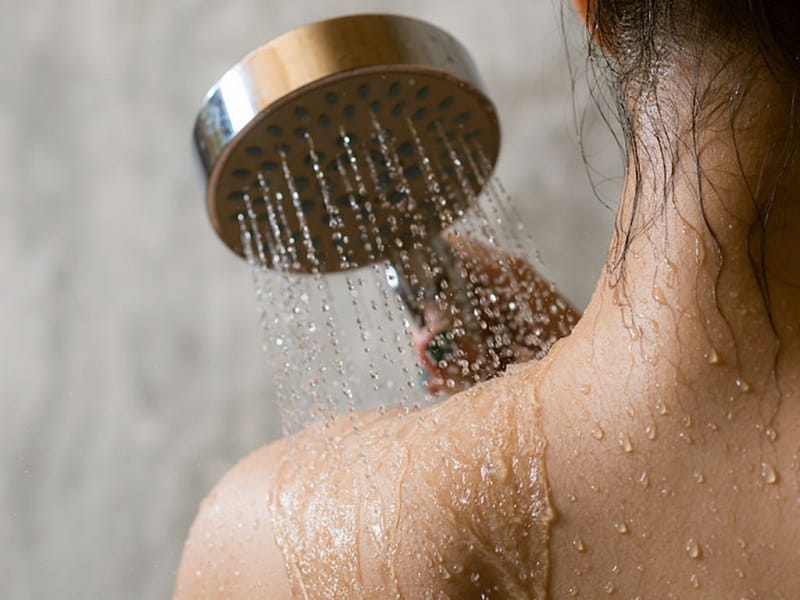
- Shower with mildly warm water; avoid excessively hot or cold water.
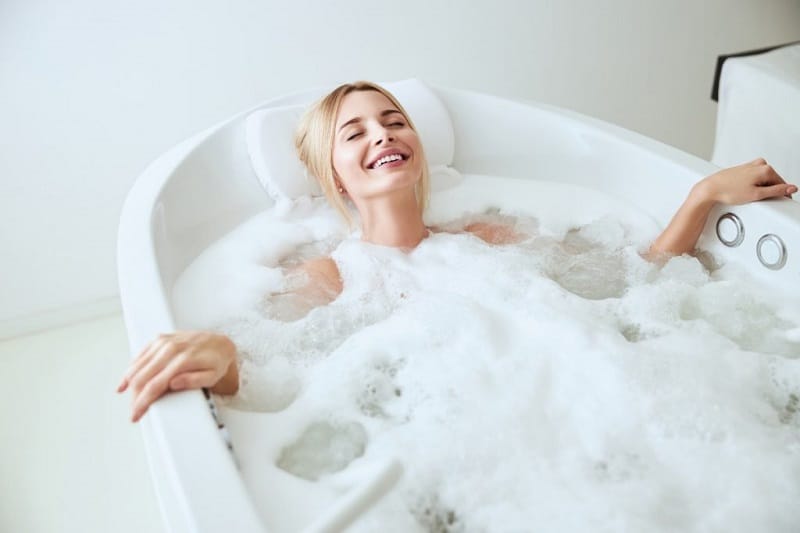
- Do not soak in a bathtub, swimming pool, or sauna for at least 1 month after liposuction.
- Use a mild body wash free of fragrance or alcohol.
- Shower quickly (no more than 10 minutes) and pat dry gently with a clean, soft towel.
After showering, you may apply moisturizer or medication as instructed by your doctor to keep the skin smooth and reduce scarring.
Note that resuming showering requires the approval of your treating doctor; never do so voluntarily if the wound has not truly stabilized.
5. Important Notes When Showering After Liposuction
To ensure safety and protect your aesthetic results, you should adhere to these notes when showering after liposuction:
- Avoid strong shower sprays directly onto the liposuction area: High water pressure can cause damage, pain, and bruising to the subdermal tissue.
- Do not scratch or rub the wound: Even if you feel itchy during skin healing, absolutely do not use your hands to scratch as it can easily tear the sutures.
- Do not use strong antibacterial soaps: Highly abrasive products can dry out the skin and irritate newly recovering areas.
- Keep the body dry after showering: Pat gently with a soft towel; avoid prolonged dampness as it can cause dermatitis.
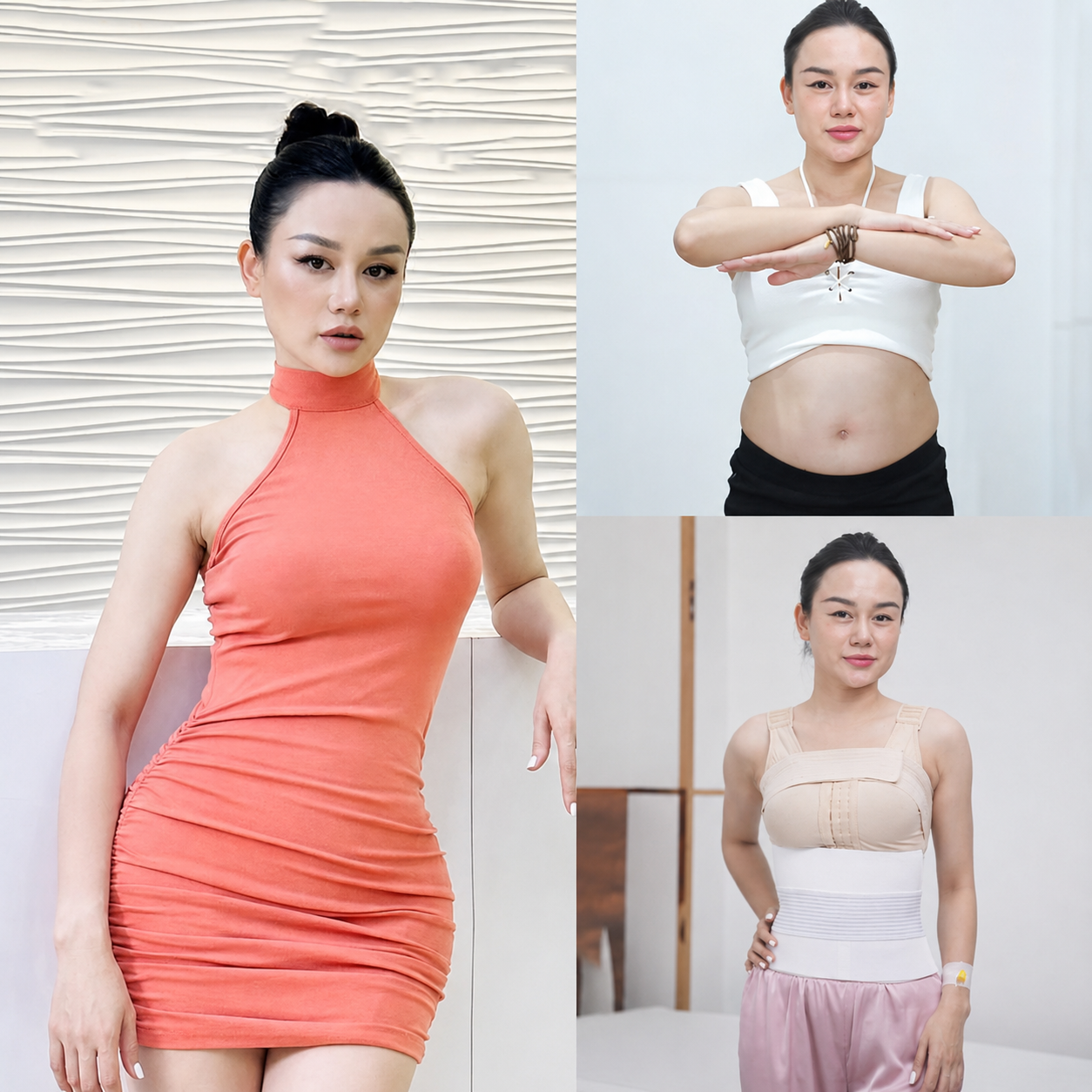
- Continue wearing compression garments or shapewear: Follow instructions to maintain your body contour and support better skin retraction.
Properly following these guidelines not only protects the skin after liposuction but also effectively supports optimal body sculpting results.
In summary, after liposuction, you should refrain from showering for at least 2–3 days and only shower again when the wound is dry, with no fluid oozing or painful swelling. Abstaining from showering does not mean avoiding hygiene entirely, but rather protecting the recovering skin from infection risks and complications.
See more:
Top Reputable Liposuction Centers in Ho Chi Minh City Highly Rated by Client
Is Liposuction at Kangnam Expensive? Complete Pricing & Investment Guid
Why Is Lower Belly Fat So Hard to Lose?