Date posted: 06-10-2026 | Last updated : 06-10-2026
Medical tourism for cosmetic procedures in Vietnam allows international visitors to combine aesthetic treatments with travel and recovery, thanks to relatively affordable costs and highly skilled doctors. However, this form of medical tourism also involves significant risks, including infection, complications associated with air travel and cabin pressure, language barriers, and treatment at unlicensed or unreliable facilities. To ensure safety, travelers should be fully informed before planning any cosmetic procedure abroad.
Key Risks: Facing potential surgical infections, traveling too soon by air, language barriers, and issues with post-operative care back home.
Safety Measures: Choose fully licensed facilities, verify doctor credentials, and remain in Vietnam for 7–10 days post-surgery for follow-up.
Avoid Pitfalls: Do not select clinics based solely on low prices, misleading online ads, or relying entirely on unverified travel brokers.
1. What Is Cosmetic Medical Tourism in Vietnam and Why Is It Growing?
Cosmetic medical tourism refers to combining travel and leisure with cosmetic surgery or aesthetic treatments. In Vietnam, this trend has grown rapidly due to competitive costs, modern technologies, and a team of experienced doctors.
The main factors driving this trend include:
- Affordable costs: The cost of cosmetic surgery in Vietnam is generally significantly lower than in developed countries such as the United States, Australia, European countries, or South Korea.
- Highly skilled doctors: Many Vietnamese doctors have received professional training in countries with advanced aesthetic medicine and have years of hands-on clinical experience.
- Travel and recovery combined: Patients can visit popular tourist destinations before surgery or during the appropriate stages of their recovery.
- Shorter waiting times: International patients can often schedule consultations and procedures without having to wait for long periods.

2. Common Risks of Cosmetic Medical Tourism in Vietnam
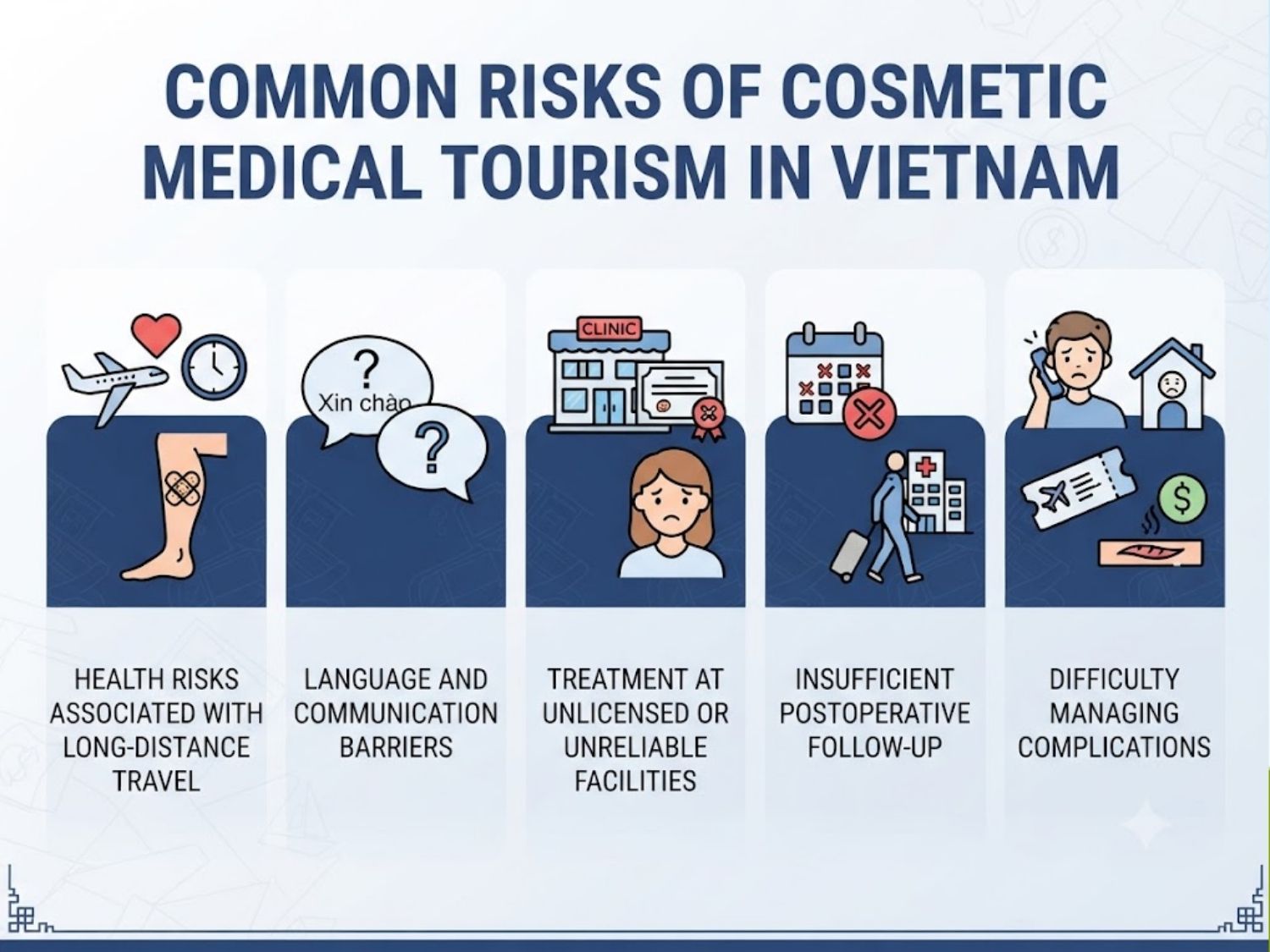
Cosmetic medical tourism may involve risks such as surgical-site infection, swelling or hematoma related to flying too soon after surgery, language barriers during consultation, insufficient postoperative monitoring, and difficulties managing complications after returning home.
According to warnings from the International Society of Aesthetic Plastic Surgery (ISAPS), cosmetic surgery tourism may lead to serious complications due to differences in medical standards and the risks associated with long-distance travel shortly after surgery.
Common risks travelers may encounter include:
- Health risks associated with long-distance travel: Flying shortly after surgery may increase the risk of swelling, hematoma, or blood clots, particularly during prolonged travel and changes in cabin pressure.
- Language and communication barriers: International patients may have difficulty clearly communicating their desired aesthetic outcomes or fully understanding postoperative care instructions provided by their doctors.
- Treatment at unlicensed or unreliable facilities: Some travelers may choose facilities solely because of unusually low prices and end up receiving treatment at clinics that are not properly licensed by the Vietnamese health authorities, increasing the risk of complications.
- Insufficient postoperative follow-up: Short travel schedules may force patients to return home before their surgical wounds and overall condition have sufficiently stabilized.
- Difficulty managing complications: If a complication develops after the patient has returned home, obtaining support or traveling back to Vietnam for follow-up care can be complicated and costly.
3. Summary of Risks and Safety Measures for Cosmetic Medical Tourism
Risks involving facility licensing, doctor qualifications, air travel, communication barriers, and postoperative care can be reduced through appropriate medical safety measures.
| Type of Risk | Potential Risk | Recommended Safety Measure |
| Facilities & Licensing | Choosing an unlicensed spa or clinic without legal authorization to operate. | Choose only licensed cosmetic hospitals with appropriately equipped and sterile operating rooms. |
| Doctor Qualifications | The doctor does not hold the required professional license or is practicing outside their area of specialization. | Verify the doctor’s practicing license, qualifications, and professional experience before confirming the procedure. |
| Travel-Related Complications | Flying home too soon may contribute to swelling, infection, or bleeding. | Remain in Vietnam for approximately 7–10 days, or as recommended by the doctor, for follow-up assessment and suture removal when applicable. |
| Communication & Consultation | Miscommunication about the desired aesthetic result due to language barriers. | Use a medical interpreter or choose a medical team with multilingual consultation staff. |
| Aftercare & Warranty Policies | Difficulty attending follow-up appointments or managing complications after returning home. | Choose a provider with transparent postoperative policies and remote consultation support. |
4. Why Travelers Are More Vulnerable to Problems When Undergoing Cosmetic Procedures Abroad
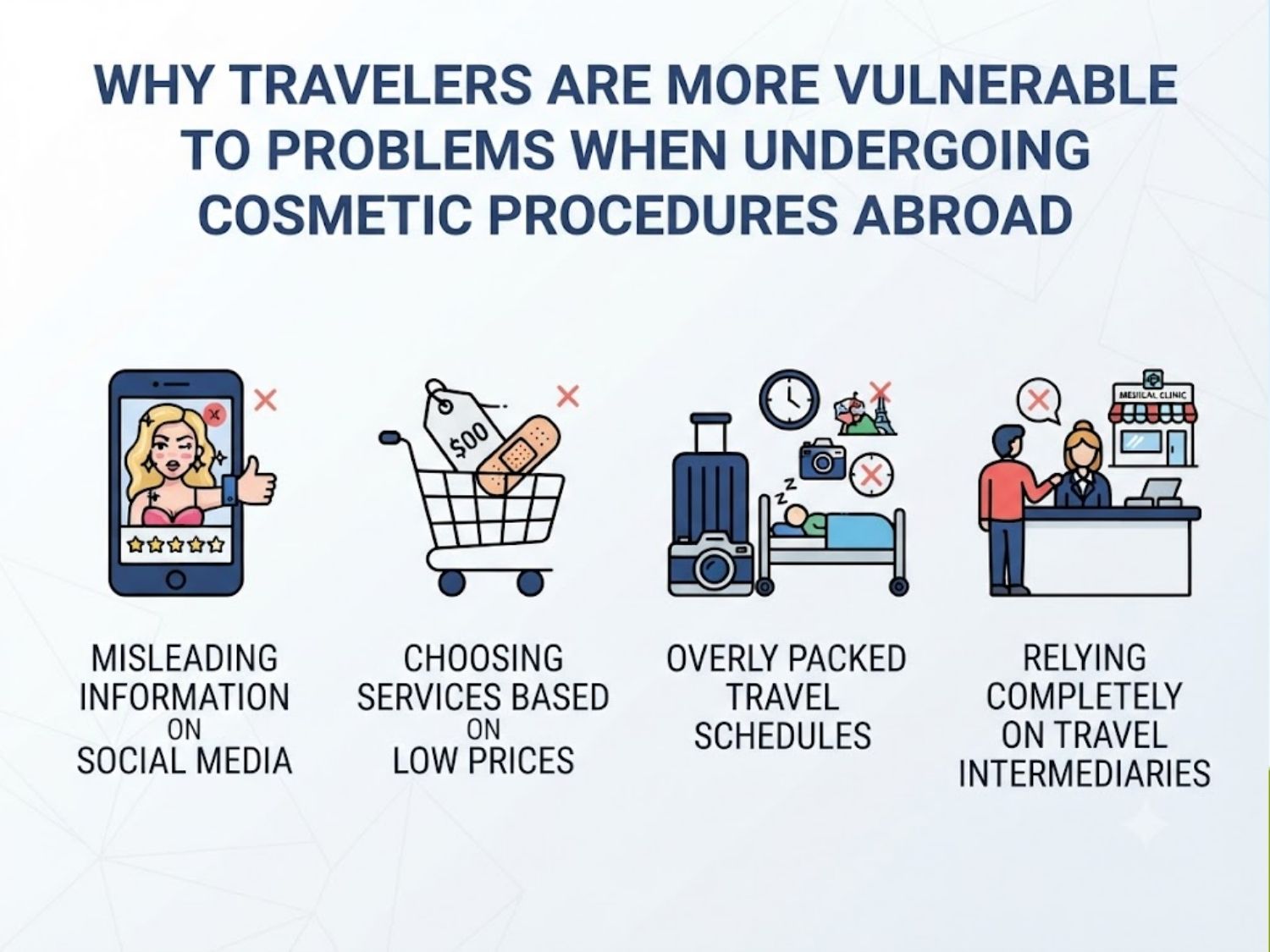
The main reasons travelers may experience complications or unsatisfactory outcomes include misleading online advertising, choosing services based primarily on low prices, overly demanding travel schedules, and relying entirely on travel brokers or intermediaries.
Specific contributing factors include:
- Misleading information on social media: Many patients place too much trust in heavily edited promotional images or unrealistic online reviews.
- Choosing services based on low prices: Some travelers select packages that are significantly cheaper than the market average while overlooking important medical safety standards.
- Overly packed travel schedules: Scheduling surgery between sightseeing trips may leave the body exhausted and may interfere with appropriate recovery.
- Relying completely on travel intermediaries: Some patients trust travel agencies or brokers without directly communicating with the hospital or medical team performing the procedure.
5. A Safe Process to Follow When Traveling to Vietnam for Cosmetic Surgery
Careful preparation before, during, and after surgery can help minimize avoidable risks.
The recommended steps include:
- Step 1 – Conduct thorough research: Research reputable hospitals, verify their operating licenses with the relevant Vietnamese health authorities, and review feedback from previous patients.
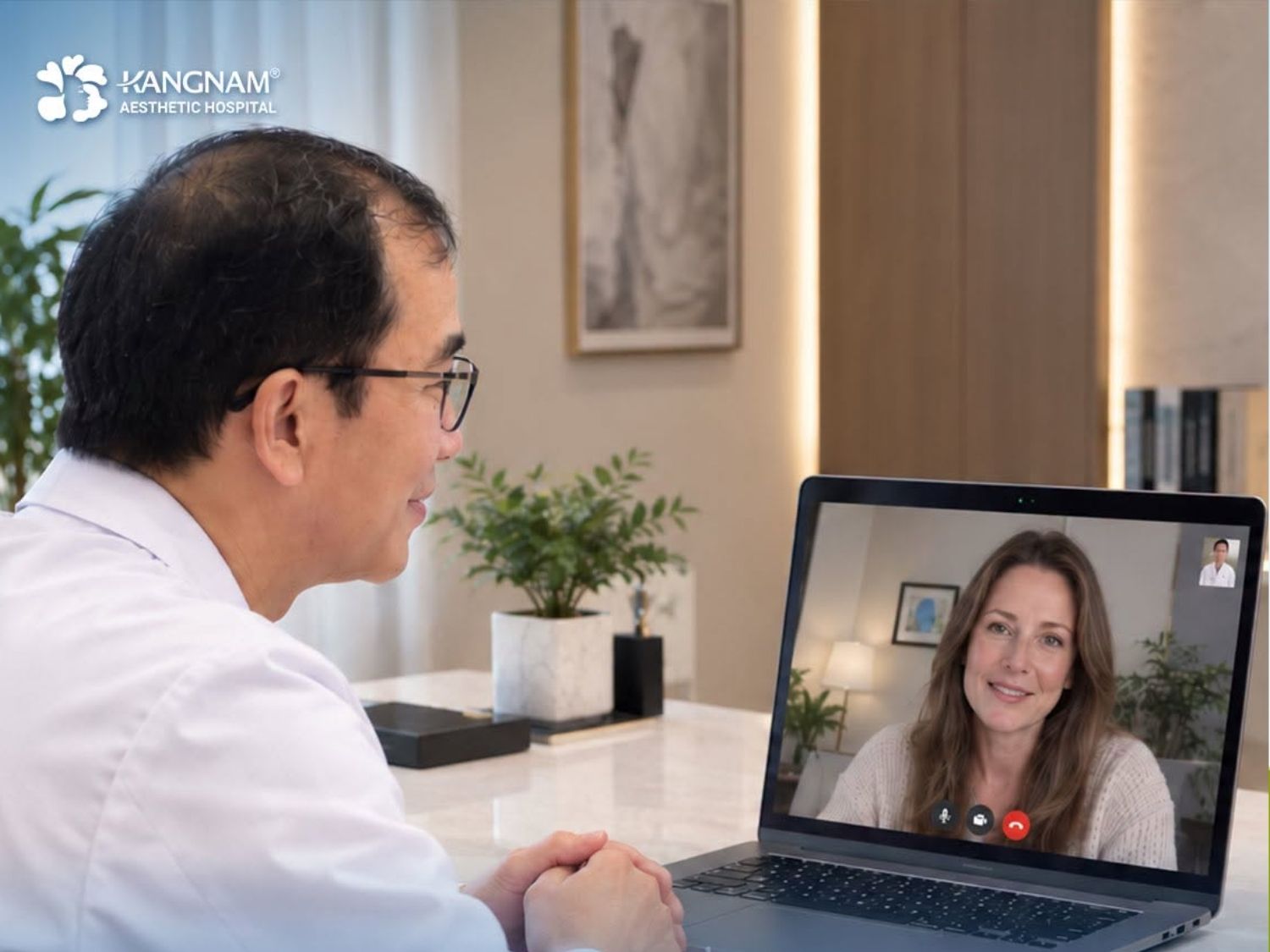
- Step 2 – Arrange an online consultation before traveling: Speak directly with a qualified doctor via video call for an initial assessment and preliminary recommendations.
- Step 3 – Undergo an in-person consultation and medical examination: After arriving in Vietnam, complete the necessary blood tests, medical examinations, and general health assessment before surgery.
- Step 4 – Undergo the procedure in an appropriate medical setting: The procedure should be performed in a properly equipped hospital environment that follows appropriate infection-control and sterility standards.
- Step 5 – Allow sufficient recovery time and attend scheduled follow-ups: Dedicate enough time to recovering locally and attend follow-up appointments, including suture removal when required, before flying home.
6. How Travelers Can Choose a Reputable Cosmetic Hospital in Vietnam
Choosing a reputable cosmetic hospital requires careful consideration of its legal licensing, doctor qualifications, medical facilities, infection-control standards, and transparent postoperative care policies.
Important criteria to consider include:
- Official operating license: The hospital must be legally licensed by the relevant Vietnamese health authority to provide cosmetic surgery services.
- Licensed and qualified doctors: The surgeon performing the procedure must hold the appropriate practicing license and have relevant specialist experience.
- Modern medical facilities: The hospital should have appropriately designed operating rooms, modern medical equipment, and properly equipped postoperative recovery areas.
- Transparent pricing and postoperative policies: The hospital should provide clear package pricing and written information regarding follow-up care, postoperative support, and applicable warranty policies.
7. Important Tips for Safe Recovery After Cosmetic Surgery
Safe recovery requires patients to follow their doctor’s prescriptions, maintain proper wound hygiene, eat appropriately, avoid strenuous activity, and attend all scheduled follow-up appointments before leaving the country.
Important postoperative instructions include:
- Follow the doctor’s prescription: Take antibiotics, pain medication, anti-inflammatory medication, or other prescribed medicines exactly as directed by the treating doctor.
- Maintain proper wound hygiene: Clean and dress the surgical wound according to the medical team’s instructions, using sterile saline or other recommended products when appropriate.
- Maintain an appropriate diet: Follow the dietary advice provided by your doctor and avoid foods or substances that may cause irritation, allergic reactions, or interfere with recovery.
- Avoid strenuous physical activity:Refrain from intense exercise and avoid lifting heavy objects during the early stages of recovery.
- Schedule follow-up appointments: Make sure the doctor has examined the surgical area and confirmed that your recovery is progressing appropriately before you board a flight home.
8. Frequently Asked Questions About Cosmetic Medical Tourism in Vietnam
How long should I stay in Vietnam after cosmetic surgery?
You should generally plan to remain in Vietnam for approximately 7 to 14 days, depending on the type and complexity of the procedure and your individual recovery. This period allows the doctor to monitor your early recovery, remove sutures when necessary, and evaluate whether the surgical area is sufficiently stable before you travel by air.
Is it dangerous to fly immediately after cosmetic surgery?
Flying too soon after cosmetic surgery may increase certain health risks, particularly after major procedures. Prolonged immobility during a flight may contribute to blood-clot risk, while swelling, bleeding, discomfort, or wound-related complications may also occur during the early recovery period. You should only fly after your treating doctor has examined you and confirmed that you are medically fit to travel.
How can I check whether a cosmetic facility in Vietnam is legally licensed?
You can verify the facility’s operating license through the official information portals of Vietnam’s Ministry of Health or the relevant local Department of Health. Reputable hospitals also generally publish information about their operating licenses and medical professionals on their official websites.