Date posted: 06-10-2026 | Last updated : 06-10-2026
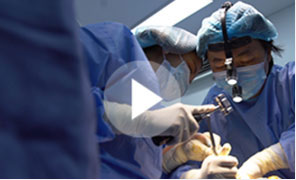
Kangnam Ho Chi Minh City is a rhinoplasty provider offering a range of nasal reshaping procedures, from primary cosmetic rhinoplasty to revision surgery for patients who have undergone previous nasal procedures. Each patient is examined by a doctor, has their nasal structure assessed, and receives a treatment recommendation based on facial features, soft-tissue condition, surgical history, and aesthetic goals.
Personalized treatment planning: Rhinoplasty plans at Kangnam Ho Chi Minh City are tailored to each patient’s individual nasal anatomy rather than applying the same nose shape to everyone.
Experienced medical team: Patients are examined and operated on by experienced doctors such as Dr. Frankie Vu, Dr. Harvey Nguyen, and Dr. Lucas Hoang.
Multiple surgical techniques: Common options include Idol Structural Rhinoplasty, 6D Surgiform Rhinoplasty, and Rib Cartilage Rhinoplasty, depending on the extent of correction required.
Thorough preparation: Patients should clearly discuss costs, the surgeon’s experience, operating-room facilities, and the postoperative care plan before undergoing surgery.
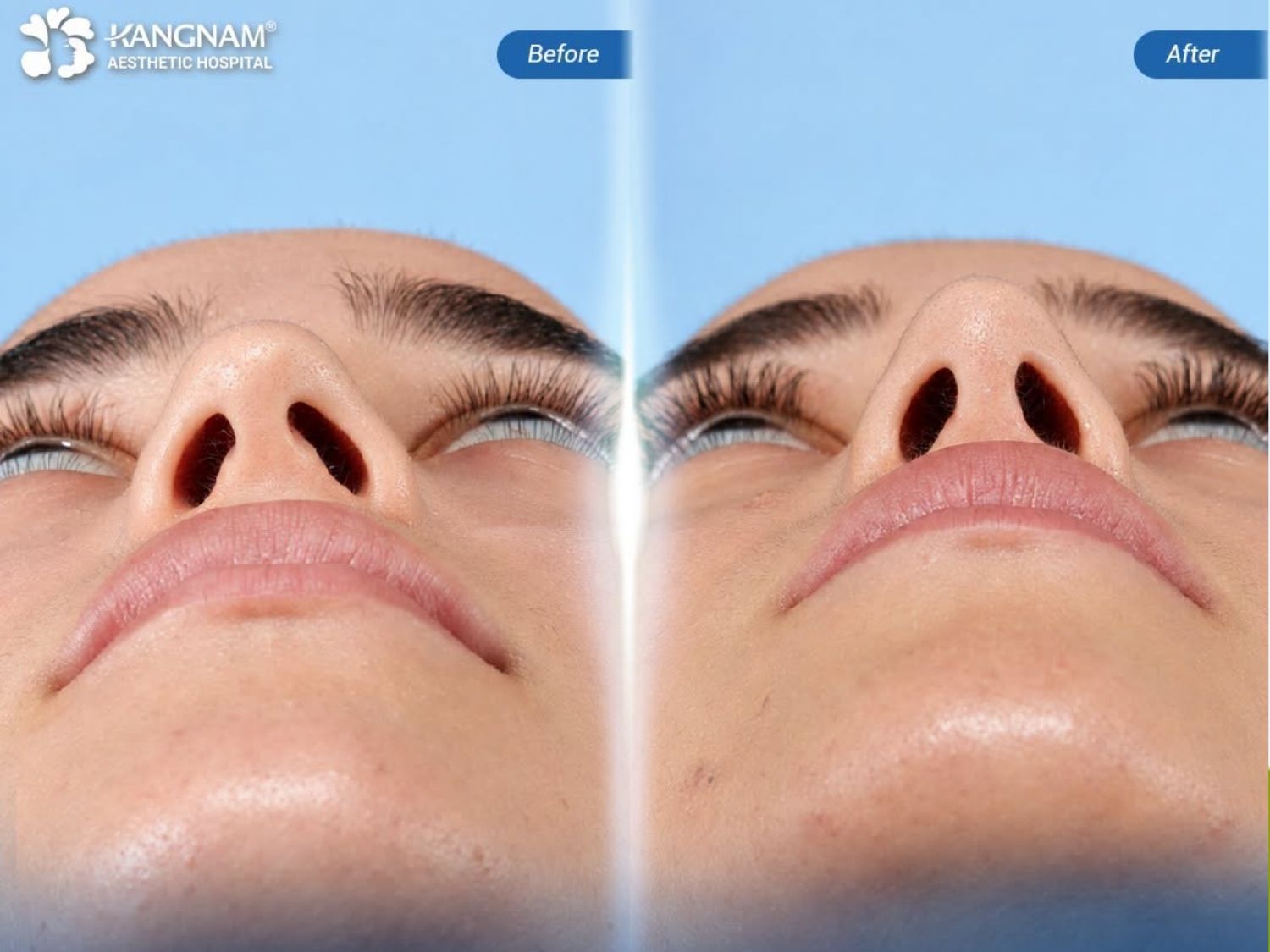
One notable aspect of rhinoplasty at Kangnam Ho Chi Minh City is that the same surgical plan is not applied to every patient. Before surgery, the doctor assesses the height of the nasal bridge, tip projection and length, columella, bony framework, skin thickness, and the overall balance between the nose and the rest of the face.
Based on these factors, the doctor develops an appropriate correction plan rather than simply focusing on making the nasal bridge as high as possible.
Some important factors patients should consider when choosing Kangnam Ho Chi Minh City include:
In particular, patients from other provinces or overseas should clearly understand the postoperative care plan, follow-up schedule, and what to do if any abnormal signs develop after they have left Ho Chi Minh City.
Kangnam Ho Chi Minh City currently offers several rhinoplasty techniques. Among them, Idol Structural Rhinoplasty, 6D Surgiform Rhinoplasty, and Rib Cartilage Rhinoplasty are commonly recommended depending on the patient’s nasal anatomy and the extent of correction required.
Structural rhinoplasty focuses on correcting multiple components of the nose at the same time rather than simply raising the nasal bridge. Depending on the individual case, the surgeon may adjust the bridge, nasal tip, columella, and other structural concerns.
This technique is often suitable for patients with a low nasal bridge, a short or broad nasal tip, an imbalanced columella, or those seeking a more noticeable improvement in overall nasal shape.
6D Surgiform Rhinoplasty uses Surgiform material in combination with shaping techniques tailored to each patient’s nasal structure.
Surgiform is a microporous form of ePTFE that is used in a range of medical applications. In rhinoplasty, the choice of implant size, thickness, and placement should be based on each patient’s bony framework and soft-tissue characteristics.
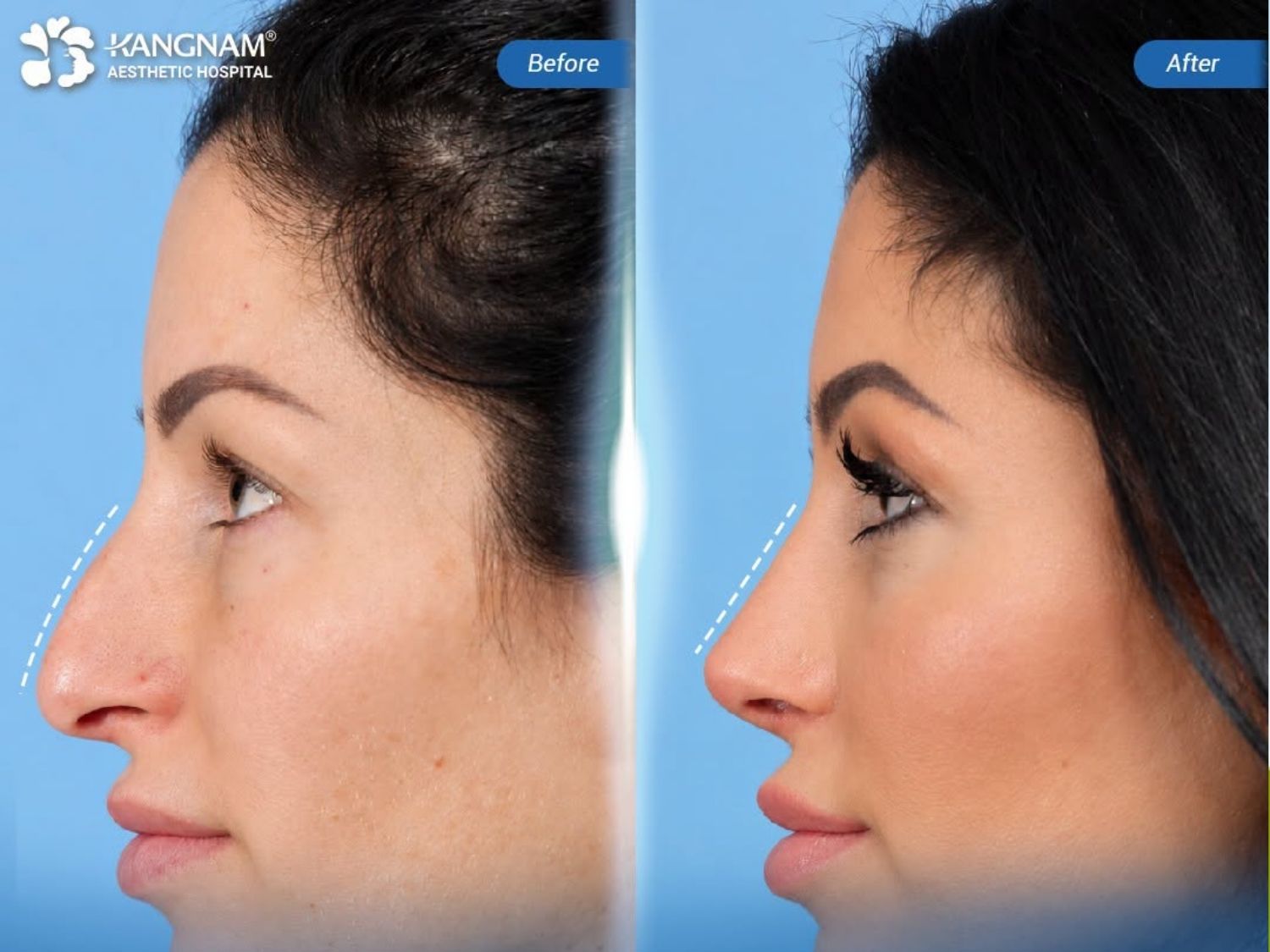
Rib cartilage rhinoplasty is often considered when a larger amount of autologous cartilage is needed, particularly in patients who have undergone multiple previous nasal surgeries, have insufficient supporting tissue, or require structural reconstruction.
Autologous cartilage generally offers good biological compatibility, but this does not mean that all risks are eliminated. Outcomes also depend on cartilage harvesting technique, material preparation, shaping, nasal tissue condition, and the individual healing process.
The surgeon is one of the most important factors influencing the surgical plan, choice of materials, ability to manage structural issues, and response to unexpected situations during surgery.
At Kangnam Ho Chi Minh City, patients may be examined by a team of rhinoplasty doctors with experience in cosmetic nasal surgery and revision procedures for previously operated noses.
Dr. Frankie Vu has a medical training background from the Military Medical Academy and many years of experience in aesthetic surgery.
During rhinoplasty consultations, Dr. Frankie Vu focuses on evaluating the overall nasal structure rather than choosing a nose shape based solely on reference photos. For cases requiring correction in multiple areas, the surgical plan is developed according to the actual condition of the nasal bridge, tip, and columella.

Dr. Harvey Nguyen has many years of experience in plastic and aesthetic surgery, including rhinoplasty and revision surgery for patients who have undergone previous procedures.
For revision cases, the doctor also needs to assess scar tissue, the amount of remaining cartilage, nasal-tip skin condition, and structural support before deciding whether ear cartilage, septal cartilage, rib cartilage, or a combination of materials should be used.
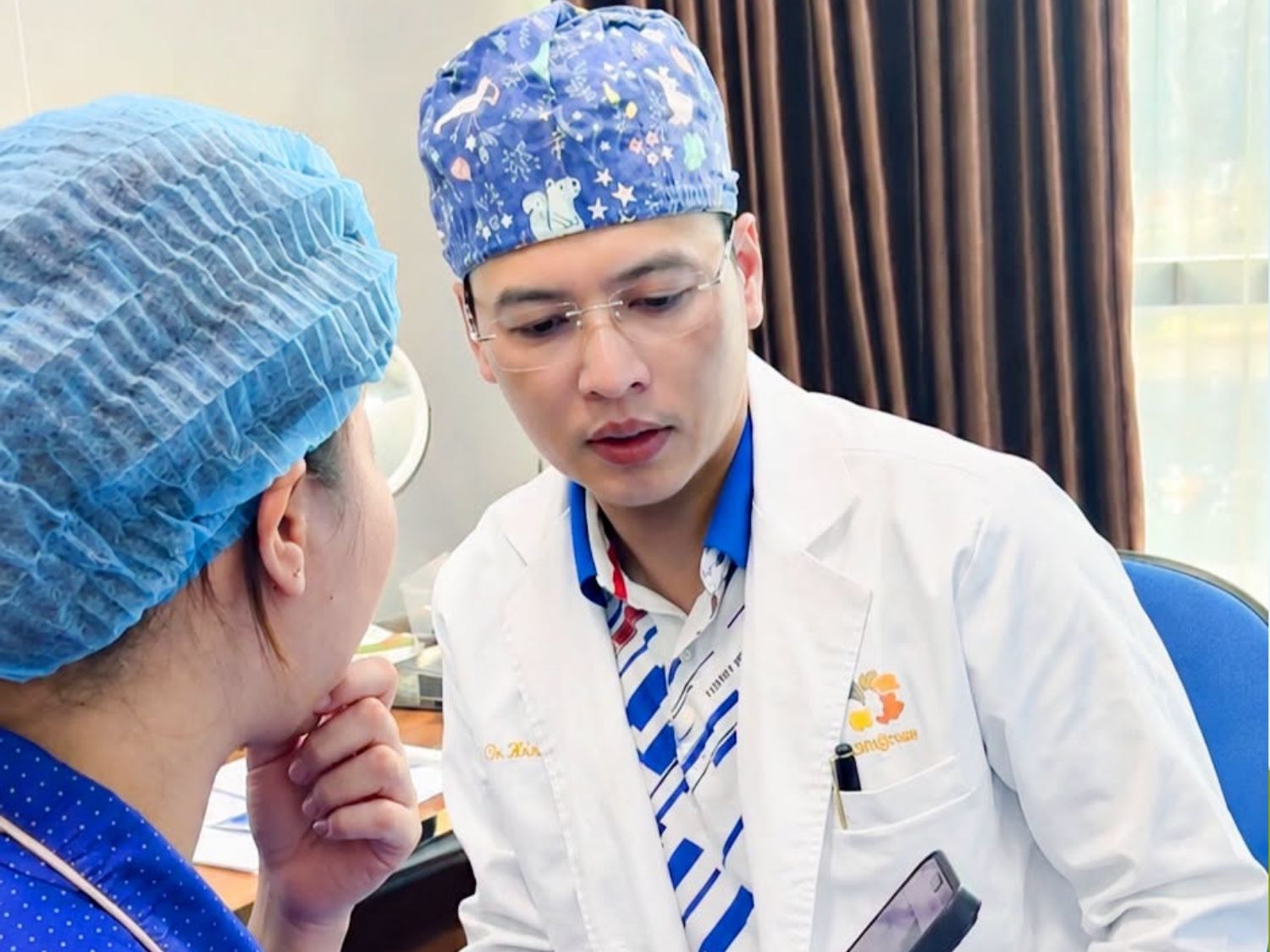
Dr. Lucas Hoang currently holds a professional role at Kangnam Aesthetic Hospital in Ho Chi Minh City and has experience in plastic surgical techniques.
In addition to designing the nasal shape, the preoperative examination helps the doctor determine an appropriate level of intervention, avoid corrections that exceed the tolerance of the soft tissue, and develop a postoperative care plan for each patient.

When looking for a reputable rhinoplasty surgeon, patients should not rely only on before-and-after images. Experience with the specific type of surgery you need, the surgeon’s professional scope of practice, their approach to complex cases, and whether they personally perform the procedure are all important considerations.
Before choosing Kangnam or any aesthetic surgery provider, you should clarify the following points:
Clarifying these points before surgery makes it easier for patients to compare options and take a more active role in postoperative care.
A rhinoplasty process should include preoperative assessment, the surgical procedure itself, and postoperative monitoring.
The doctor directly examines the nasal bridge, tip, columella, bony framework, skin thickness, soft-tissue condition, and any history of previous procedures.
Based on this assessment, the doctor determines the correction goals and suitable materials.
Patients undergo a health assessment according to the requirements of the planned procedure to determine whether they are medically suitable for local anesthesia, general anesthesia, and surgery.
If the patient has any underlying medical conditions, a history of drug allergies, or is taking medications that may affect blood clotting, this information should be disclosed to the doctor.
The surgical area is cleaned, disinfected, and prepared according to clinical protocols.
Depending on the extent of the procedure, the doctor will select an appropriate form of anesthesia, such as local anesthesia or general anesthesia.
The surgeon performs the planned steps, which may include bridge augmentation, columellar support, nasal-tip reshaping, or structural reconstruction.
The surgical plan may be adjusted during the procedure if the actual anatomy differs from the preoperative assessment.
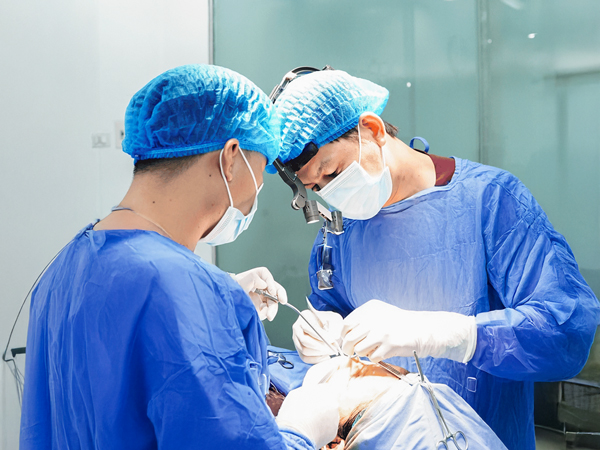
After surgery, the patient’s general condition and surgical area are monitored before discharge or continued inpatient observation, depending on the doctor’s recommendation.
The doctor and nursing team provide instructions on wound care, medication, hygiene, and follow-up appointments.
During the first few days after surgery, the nose is usually swollen and may not accurately reflect the final result.
At around 7–10 days, swelling often decreases noticeably, and the patient may be reassessed during a follow-up appointment. However, soft tissues need additional time to settle. Depending on the extent of surgery and the individual healing process, the nasal shape may continue to change over several weeks to several months.
During surgery, an appropriate anesthetic method is used to help control pain.
After surgery, patients may experience tightness, soreness, or discomfort for several days. The degree of discomfort varies depending on the individual and the extent of the procedure. If pain becomes increasingly severe or is accompanied by fever, warmth, redness, or discharge, the patient should contact a medical provider for assessment.
Kangnam provides postoperative support and warranty policies depending on the surgical technique, materials used, and the service program available at the time.
Before surgery, patients should ask for clear information about the warranty period, what is covered, what is excluded, and the process for revision if another procedure becomes necessary.
In some cases, patients may be able to complete the consultation and surgery on the same day if they are medically suitable and the doctor considers it appropriate.
However, patients undergoing rib cartilage rhinoplasty, multiple revision procedures, or operations requiring closer monitoring may be advised to remain in Ho Chi Minh City for an additional period before traveling long distances.
International patients should allow sufficient time for consultation, preoperative testing, surgery, and important follow-up appointments.
In addition to discussing costs and surgical techniques, they should ask the doctor when it is safe to fly, how to care for the nose after returning home, whom to contact if a problem arises, and what options are available if an in-person medical assessment becomes necessary.
To make the consultation more effective, you should prepare information about your previous nasal procedures, medical conditions, allergies, current medications, and specific aesthetic goals.
If you have previously undergone rhinoplasty or received dermal filler injections in the nose, inform the doctor even if the treatment was performed many years ago.
You may also bring several reference images of nose shapes you like to help the doctor understand your preferred aesthetic direction. However, reference photos should only be used as a guide for discussion. The final nasal shape still needs to be designed according to your actual anatomy, skin thickness, and tissue-support capacity.
A good rhinoplasty decision should not be based solely on price, the name of a technique, or advertising images. Priority should be given to confirming who will personally perform the surgery, whether the surgeon has experience with your specific condition, what materials will be used, where the surgery will take place, and how postoperative issues will be managed.