Date posted: 21-07-2026 | Last updated : 27-07-2026
Eyelid surgery may improve hidden creases, drooping eyelids, and excess skin around the eyes, creating a fresher and more balanced appearance.
However, people with myopia often wonder whether they are suitable candidates and whether eyelid surgery could affect vision that is already reduced by short-sightedness.
This article explains whether people with myopia can undergo eyelid surgery and outlines the precautions they should take before and after treatment.
People with myopia can generally undergo eyelid surgery if their eye health and general medical condition are suitable.
Myopia alone is not usually a contraindication to blepharoplasty. The procedure may be considered for patients who want to:

People with myopia may still be suitable candidates for eyelid surgery after an appropriate eye assessment.
However, patients should not undergo surgery simply because they have myopia. The decision should be based on their eyelid condition, treatment goals, and overall eye health.
Additional assessment may be necessary for people with:
A qualified doctor should determine whether blepharoplasty is appropriate and whether an ophthalmology examination is needed before surgery.
Patients can learn more about general safety considerations in Is Eyelid Surgery Harmful?.
Eyelid surgery does not normally reduce visual acuity when it is performed correctly.
Blepharoplasty mainly involves the external eyelid tissues, which may include:
The procedure does not ordinarily involve the internal eye structures responsible for focusing and vision, such as:
However, it is not accurate to state that eyelid surgery can never affect vision.
Rare complications may include:
Excessive removal of eyelid skin may also cause difficulty closing the eyes completely. This can lead to dryness, irritation, sensitivity to light, or corneal problems.
These complications are uncommon, but sudden visual changes after surgery require urgent medical evaluation.
Patients should seek immediate care if they experience:
Although myopia does not usually prevent eyelid surgery, patients should take several precautions before and after treatment.
Patients should tell the surgeon about:
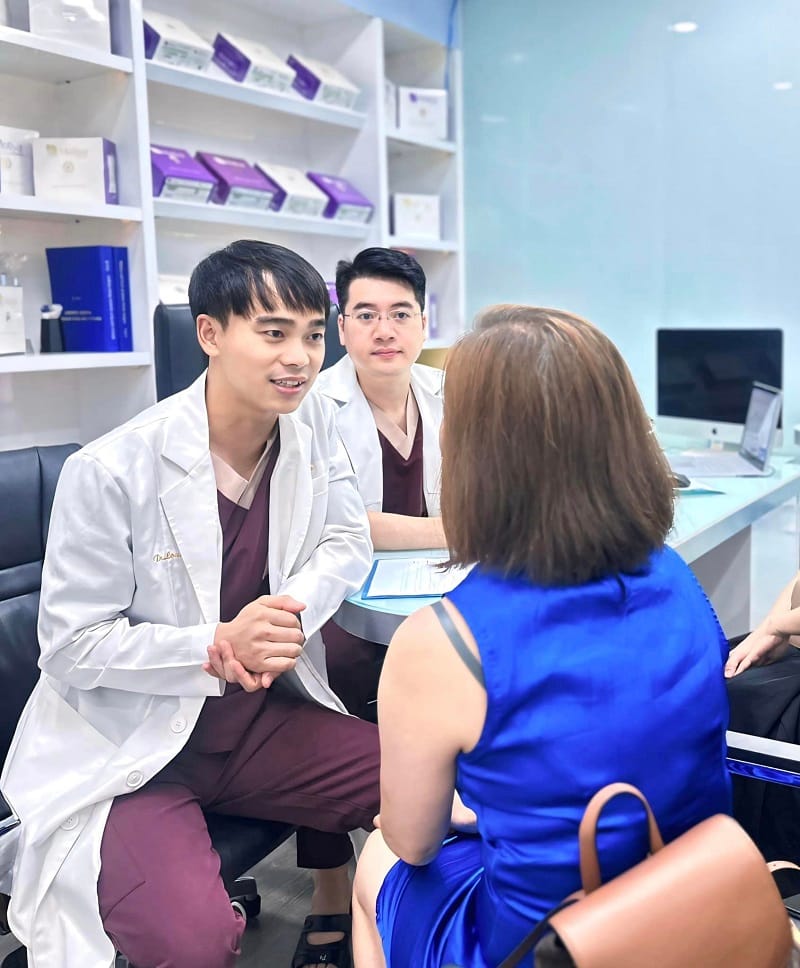
Patients with myopia should undergo careful consultation and disclose all relevant eye conditions.
People with high myopia may have an increased risk of retinal problems unrelated to eyelid surgery. An ophthalmology assessment may therefore be recommended when symptoms or medical history raise concern.
Patients may be advised to stop wearing contact lenses before and after surgery.
The exact timing depends on:
A fixed two-week restriction before surgery is not necessary for every patient. However, contact lenses should generally not be worn on the day of surgery.
After surgery, patients should avoid contact lenses until swelling has decreased and the surgeon confirms that pulling on the eyelids will not affect the incision.
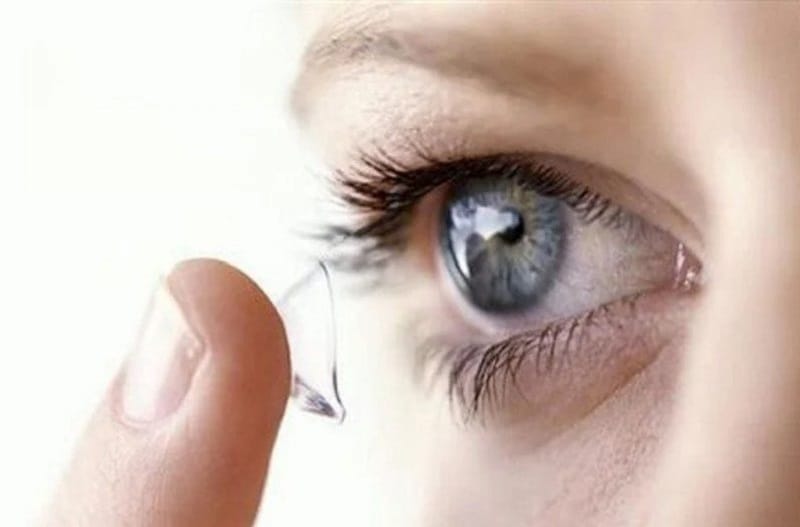
Contact lenses should be avoided during early recovery until the eyelids have healed sufficiently.
Glasses are usually more appropriate during this period, provided the frame does not press on the surgical area.
Patients should inform the doctor about:
Medication should not be stopped without approval from the prescribing doctor.
Patients should follow instructions regarding:
Detailed guidance is available in How to Clean Your Eyes After Eyelid Surgery.
Patients should not:
These actions may increase irritation, infection risk, bleeding, or wound separation.
Clean sunglasses may help protect against:
The glasses should not press against the incision.
The original content recommends avoiding beef, chicken, seafood, and glutinous rice because they may cause raised scars or pus.
There is insufficient evidence that these foods routinely cause poor eyelid scars in healthy patients.
Patients generally do not need to avoid them unless:
A balanced recovery diet should include:
Patients may benefit from limiting alcohol, smoking, excessive salt, and unverified supplements.
Follow-up allows the doctor to assess:
Regular assessment is particularly important for patients who already have eye conditions.
Kangnam Aesthetic Hospital provides eyelid procedures for suitable patients with myopia after medical assessment.
The process is designed to evaluate both aesthetic concerns and relevant eye-health factors.
Before surgery, the doctor evaluates:
Patients with suspicious symptoms or significant eye disease may be referred for specialist ophthalmology assessment.
Kangnam provides procedures such as:
These methods are designed to create controlled incisions and limit unnecessary tissue trauma.

However, no technique can guarantee:
Patients interested in a specific technique can review What Is 6D Eyelid Surgery?.
Kangnam performs eyelid procedures in a medically controlled environment using sterilised instruments and infection-control protocols.
The term “absolutely sterile” should be avoided because no medical facility can guarantee zero contamination or zero infection.
Appropriate standards can reduce, but not completely eliminate, the risk of infection.
The medical team provides guidance regarding:
Selected patients may also receive postoperative Plasma-assisted care to support comfort and swelling management.
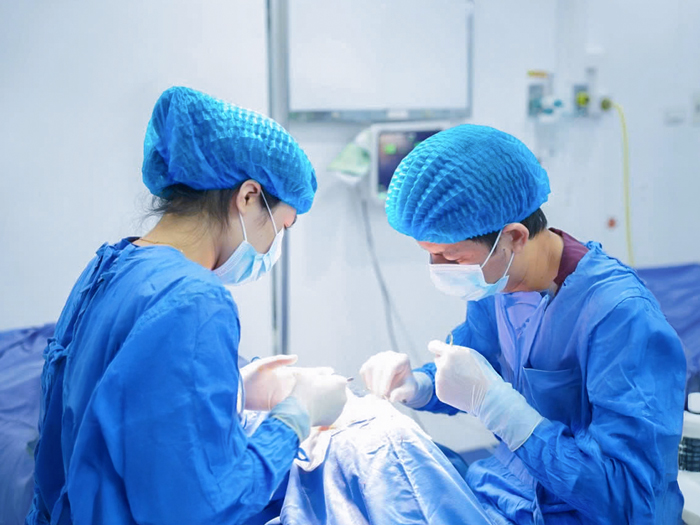
Kangnam may use Plasma-assisted postoperative treatment as part of selected eyelid-surgery packages.
This treatment cannot guarantee faster recovery or prevent all complications.
Patients should also ensure that their glasses fit comfortably after surgery. Heavy frames or nose pads do not normally affect the eyelid incision, but any frame that presses on swollen tissue should be adjusted or temporarily avoided.
People with myopia can generally undergo eyelid surgery without affecting their refractive error or visual acuity, provided that their eye health is stable and the procedure is performed correctly.
Myopia alone is not usually a reason to avoid blepharoplasty. However, patients with high myopia, retinal disease, glaucoma, severe dry eyes, or previous eye surgery may need additional evaluation.
Choosing a qualified surgeon, disclosing all eye conditions, following postoperative instructions, and attending scheduled follow-up appointments are essential for protecting both the aesthetic result and eye health.