Date posted: 21-07-2026 | Last updated : 27-07-2026
Many patients wonder whether eyelid surgery is harmful or may cause long-term complications.
In practice, blepharoplasty is generally considered a safe procedure when it is performed using an appropriate technique by a qualified surgeon and followed by proper postoperative care. However, like any surgical procedure, it is not completely risk-free.
Eyelid surgery is generally not harmful when it is performed correctly.
The safety of the procedure depends on several factors, including:
Blepharoplasty is commonly performed to remove or reposition excess skin and fat and create a clearer eyelid crease.
The procedure usually involves the eyelid tissues rather than the internal structures responsible for vision. Therefore, it does not normally affect eyesight when performed correctly.

Suitable eyelid surgery may create a more balanced and natural-looking eye contour.
However, it is not accurate to say that blepharoplasty can never affect vision. Rare complications involving bleeding, infection, corneal exposure, or injury to nearby structures may cause visual symptoms and require urgent medical treatment.
Patients concerned about an unsatisfactory result can review Failed Eyelid Surgery: Warning Signs and Corrective Options.
Although blepharoplasty is often a relatively focused procedure, incorrect technique or inadequate care may lead to complications such as infection, asymmetry, scarring, and impaired eyelid function.
Infection may occur if:
Possible signs include:
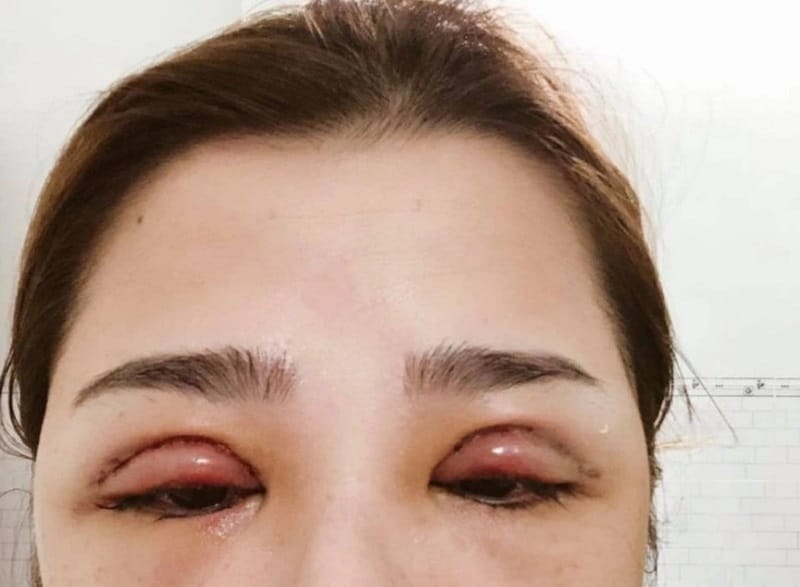
An infected eyelid incision may remain swollen and require medical treatment.
Patients should contact the medical team promptly if these symptoms develop.
The eyelids may appear:
Some asymmetry during early recovery is common because swelling may differ between the two eyes.
Persistent asymmetry should be evaluated after the tissues have had enough time to heal.
Scarring may become noticeable because of:
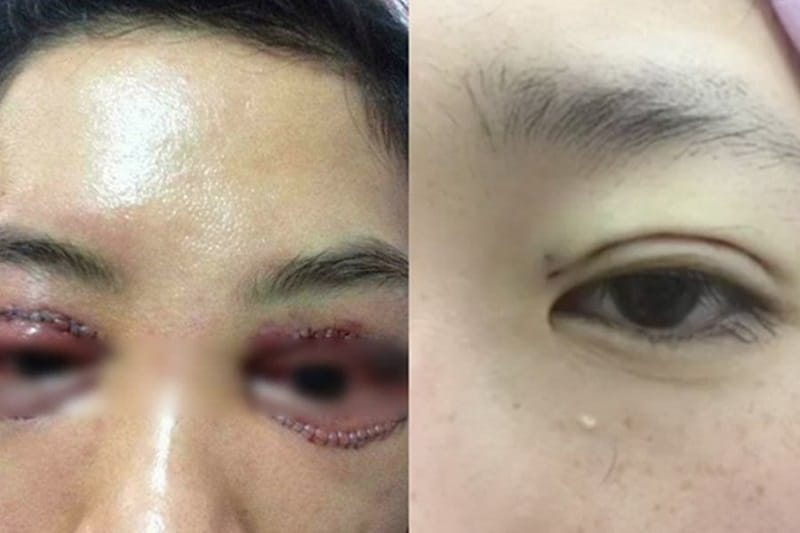
Poor wound healing may cause prolonged swelling or a noticeable eyelid scar.
True keloids are relatively uncommon on the eyelids, but raised, widened, or pigmented scars may still occur.
Incorrect removal of skin or damage to the eyelid muscles may lead to:
In rare cases, bleeding behind the eye may increase pressure and threaten vision. Sudden severe eye pain, rapidly increasing swelling, reduced vision, or double vision requires emergency assessment.
Patients considering an advanced eyelid technique may review How Much Does 6D Eyelid Surgery Cost?.
Blepharoplasty is generally safe because the procedure is performed on the eyelid skin, connective tissue, muscle, and selected fat compartments.
During upper-eyelid surgery, the surgeon may:
The procedure does not ordinarily involve the:
However, describing blepharoplasty as affecting only the epidermis is not anatomically accurate. The surgeon may work through several eyelid tissue layers depending on the procedure.
Safety requires careful control of:
Excessive removal of skin or fat may cause a hollow, tight, or unnatural appearance.
Some patients have a higher risk of complications after eyelid surgery.
Patients with a history of hypertrophic or keloid scarring should inform the surgeon before treatment.
The doctor may recommend closer scar monitoring and preventive care.
Conditions that require specialist assessment include:
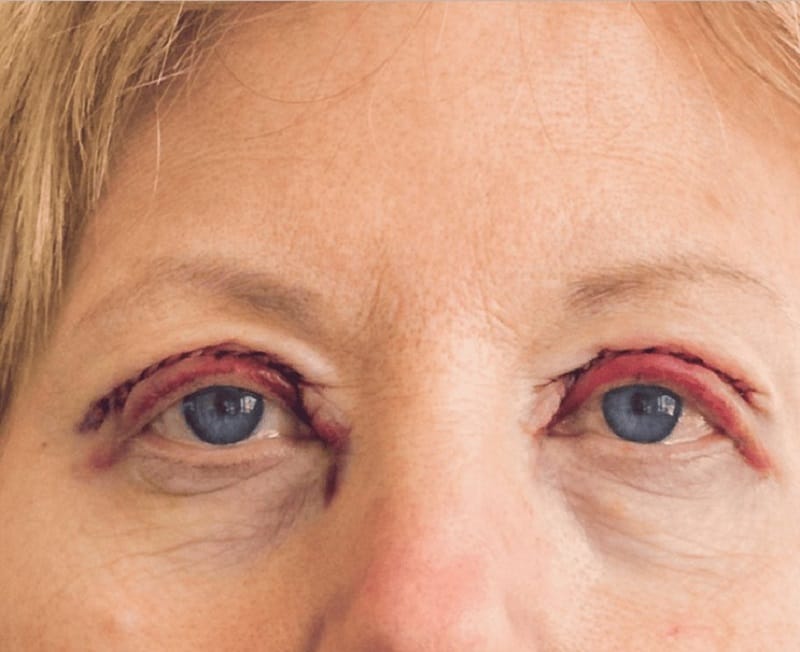
Patients with active eye disease should receive appropriate medical assessment before elective eyelid surgery.
Having an eye condition does not always mean surgery is impossible. The condition must first be assessed and stabilised.
The risk may be higher in people with:
Patients should provide complete information about their medical history and current medication.
Surgery performed at an unlicensed salon or by an unqualified practitioner may increase the risk of:
Patients should:
Patients should not stop prescribed blood thinners or other medication without approval from the prescribing doctor.
For information about expected discomfort and pain management, refer to Is Eyelid Surgery Painful?.
Kangnam Aesthetic Hospital provides several eyelid procedures using techniques designed to limit tissue trauma and support natural-looking results.
Kangnam states that selected eyelid procedures use Plasma-assisted technology to support incision control and haemostasis.
Controlled bleeding may help reduce:
However, the statement that a Plasma device instantly seals arteries is overly broad. Bleeding control depends on vessel size, surgical technique, and the equipment used.
No technology can guarantee complete absence of bleeding or swelling.
Fine sutures may help create a precise closure and reduce unnecessary scar tension.
Kangnam states that very thin aesthetic sutures are used to support a natural eyelid crease.

Patients may achieve a clearer and more balanced eyelid crease after appropriate surgery.
Although the resulting scar may become discreet, no surgical procedure can guarantee that there will be no visible scar.
Selected postoperative treatments may be used to support swelling control and recovery.
The original content states that cold Plasma shortens recovery to seven to ten days. Many patients may feel socially comfortable after this period, but full healing takes longer.
A typical recovery may include:
Kangnam states that its eyelid procedures are performed by doctors with more than ten years of experience.
The doctor should evaluate:
Precise planning may reduce avoidable complications, but it cannot guarantee absolute safety or a perfect result.
Eyelid surgery commonly takes approximately 30–45 minutes, although the duration may be longer when:
The treatment aims to create a clearer eyelid crease and a more refreshed eye appearance while preserving normal function.
Kangnam reports receiving positive feedback from patients living in countries such as the United States, Australia, Canada, and South Korea. Individual experiences and results may vary.
Eyelid surgery is generally safe when performed by a qualified surgeon at a licensed medical facility. It normally does not affect vision, but complications remain possible.
Potential risks include infection, asymmetry, visible scarring, dry eyes, difficulty closing the eyelids, ptosis, eyelid retraction, and rare visual complications.
Patients can reduce risk by choosing a qualified provider, receiving an appropriate preoperative assessment, and following postoperative instructions carefully.
Failed Eyelid Surgery: Warning Signs and Corrective Options