Date posted: 21-07-2026 | Last updated : 27-07-2026
Eyelid surgery removes excess skin and selected fat while creating a clearer, more balanced eyelid crease. However, many patients wonder how long the result lasts and whether the improvement can be maintained permanently.
This article explains the expected longevity of eyelid surgery, the factors that affect it, and how patients can help preserve their results.
Eyelid surgery results may last approximately 10–15 years, and in some patients they may remain noticeable for longer.
However, it is not possible to guarantee that every result will last 20 years. The duration varies according to:
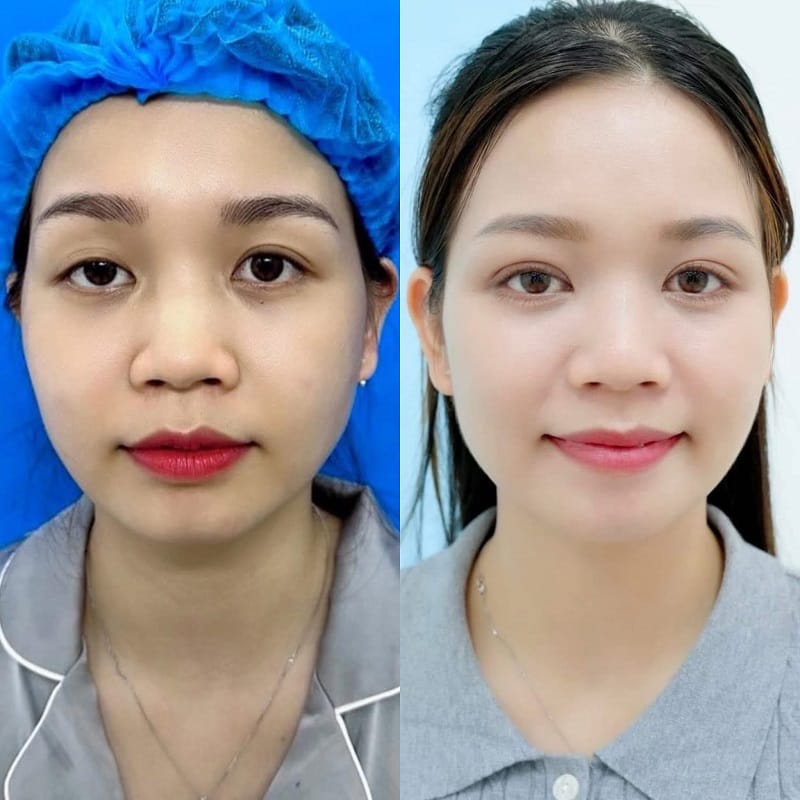
An eyelid crease may remain well defined for many years after appropriate surgery.
Blepharoplasty does not stop the natural ageing process. Over time, the skin, brows, muscles, and surrounding facial tissues may continue to change.
Even when some sagging returns, the eyelids may still look better than they would have without surgery.
Patients can review suitable recovery nutrition in What Should You Eat After Eyelid Surgery?.
The longevity of eyelid surgery depends on the technique, the surgeon’s expertise, the patient’s anatomy, and postoperative care.
Techniques such as Plasma-assisted blepharoplasty, 6D eyelid surgery, and Perfect blepharoplasty are designed to create controlled incisions and refine the eyelid crease.
Modern techniques may help:
However, the name of a technology alone does not determine how long the result lasts.
The most important factors are appropriate treatment planning and accurate surgical execution.
An experienced surgeon should determine:
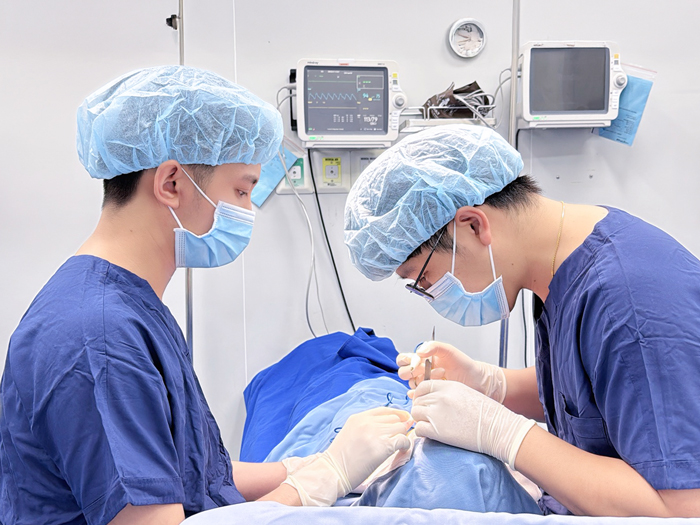
Accurate removal of excess skin and careful crease design may support a longer-lasting result.
Removing too much tissue may cause a hollow, tight, or unnatural appearance. Removing too little may leave significant sagging.
Patients with good skin elasticity and slower tissue ageing may maintain the result for longer.
The eyelids may change more quickly in people with:
Age alone does not determine the result, but older patients may have more complex ageing involving the brows, forehead, and midface.
Proper care during early recovery supports wound healing and scar maturation.
Patients should follow instructions regarding:
Postoperative care helps protect the initial result, but it cannot stop future ageing.
Detailed instructions are available in How to Clean Your Eyes After Eyelid Surgery.
Not every patient maintains the same result for the same length of time.
Some eyelids may become uneven, less defined, or more visibly aged earlier than expected.
Surgery performed at an unlicensed salon or by an unqualified practitioner may lead to:
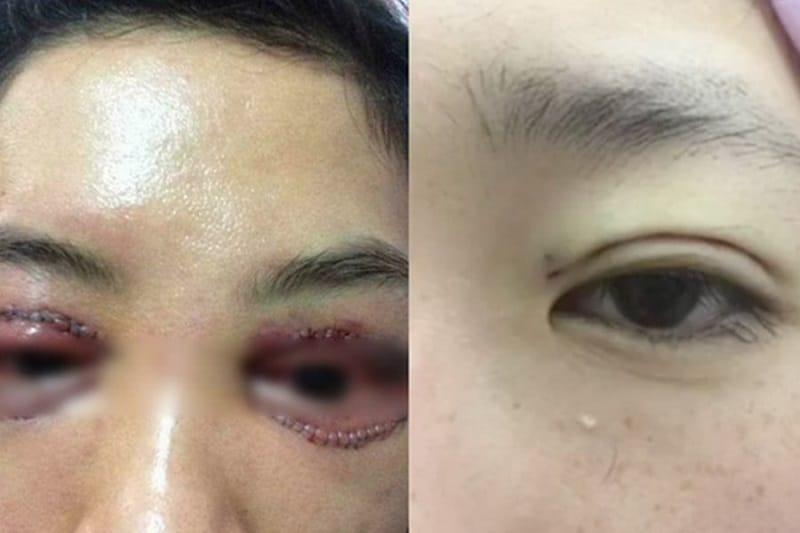
Poorly performed eyelid surgery may result in complications or an unstable eyelid crease.
It is not possible to state that every low-quality procedure will deteriorate after exactly two or three years. Problems may appear immediately or develop later.
Patients looking for an experienced provider may review How to Choose an Eyelid Surgeon in Ho Chi Minh City.
Ageing continues after surgery.
In patients over 40, changes may involve:
These changes do not necessarily mean that the original surgery has failed.
A future procedure may involve brow lifting, fat grafting, skin tightening, or revision blepharoplasty rather than simply repeating the original operation.
Certain habits may accelerate skin ageing or irritate the eyelids, including:
Healthy habits may support skin quality, but they cannot guarantee that the eyelid crease will remain unchanged indefinitely.
After eyelid surgery, patients can help preserve the appearance of the eyelids through appropriate eye protection, healthy habits, and regular medical follow-up.
Patients should protect the eyelid skin from:
Clean sunglasses and sunscreen around the healed eye area may help reduce sun-related skin ageing and scar pigmentation.

Appropriate eyelid protection and wound care can support long-term results.
Sunscreen should not be applied directly to an open incision.
A balanced diet should include:
Vitamin C and other nutrients support general skin and tissue health.
Collagen supplements are not proven to preserve an eyelid-surgery result or prevent future sagging. Patients should not rely on supplements as a substitute for sun protection, healthy habits, or medical care.
Patients may help protect the eyelid area by:
Screen use does not directly cause eyelid surgery to fail, but eye strain and dryness may encourage rubbing.
Early postoperative follow-up allows the surgeon to assess:
Patients should seek medical advice if they notice:
Kangnam Aesthetic Hospital provides eyelid procedures and support services for overseas Vietnamese patients.
The hospital offers several techniques, including Plasma-assisted blepharoplasty, 6D eyelid surgery, and Perfect blepharoplasty.
The surgeon selects the technique according to:
Kangnam states that selected procedures may maintain improvement for approximately 15–20 years.
This should be understood as an estimated range rather than a guarantee. The actual result varies because ageing continues after surgery.
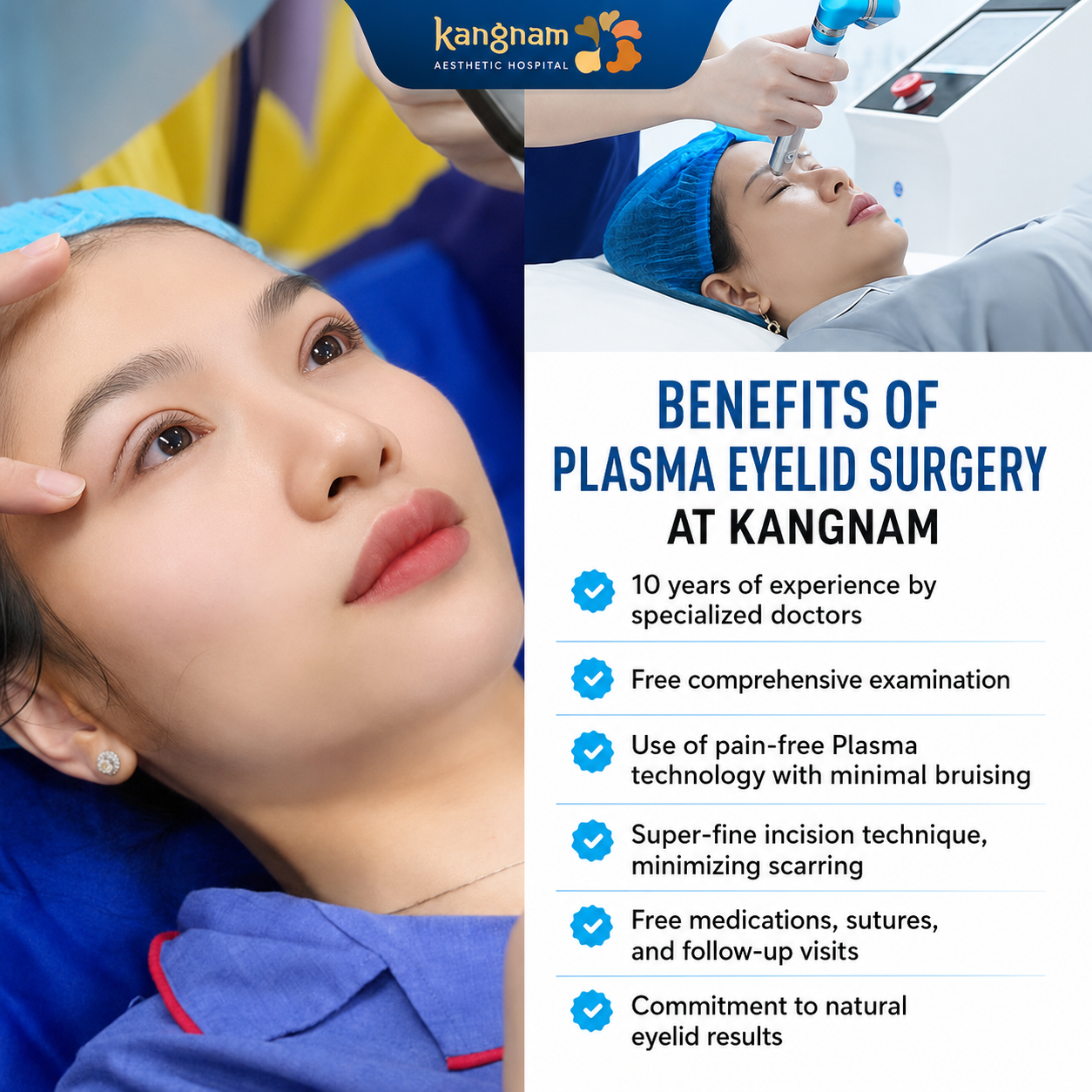
Kangnam provides several eyelid techniques designed to create a natural-looking and durable crease.
Patients can learn more about one of these procedures in What Is 6D Eyelid Surgery?.
Kangnam states that its eyelid procedures are performed by doctors with experience in eye aesthetics.
Before surgery, the doctor should assess:
Experienced surgery may reduce avoidable risks, but it cannot guarantee absolute safety or a permanent result.
Overseas Vietnamese patients may receive:
Remote care is useful for routine monitoring but cannot replace an in-person medical examination if complications occur.
Kangnam may provide long-term follow-up or warranty policies for selected eyelid procedures.
Patients should request written details regarding:
A warranty does not mean that normal ageing or every change in eyelid appearance will be treated without cost.
Patient testimonials represent individual experiences and do not guarantee the same result or longevity for everyone.
Eyelid surgery results commonly last approximately 10–15 years and may remain noticeable for longer in some patients.
The procedure does not stop natural ageing, so the eyelids may gradually change over time.
The longevity of the result depends on the surgeon’s technique, patient anatomy, age, skin quality, lifestyle, and postoperative care.
Choosing a licensed medical facility and qualified surgeon is more important than selecting a procedure based only on claims that it will last a specific number of years.
Patients who want an individual estimate should receive an in-person eyelid assessment.
What Should You Eat After Eyelid Surgery?