Date posted: 21-07-2026 | Last updated : 25-07-2026
Thigh liposuction is a cosmetic procedure designed to remove localised fat from the thighs, helping the legs appear slimmer and more proportionate to the rest of the body.
The procedure may be suitable for people who have persistent thigh fat despite maintaining a balanced diet and exercising regularly. However, liposuction is a surgical body-contouring procedure and may still involve risks and a recovery period.
Let us explore the thigh liposuction technology currently offered at Kangnam Aesthetic Hospital.
Thigh liposuction is a body-contouring procedure that removes localised fat from the thigh area. During the procedure, the fat is loosened or broken down before being removed through a small liposuction cannula, helping create slimmer and more defined leg contours.
The procedure follows principles similar to liposuction performed on other areas of the body.
Fat accumulation in the thighs may affect the appearance of the legs and reduce a person’s confidence. Depending on the patient’s condition, the surgeon may remove fat from:
The fat is first prepared using the selected liposuction technique and is then removed through a cannula.
Kangnam Aesthetic Hospital provides thigh liposuction using its Lipo 360 body-contouring procedure.
Regulatory claims should be verified for the exact medical device used. FDA clearance of a particular device does not mean that every procedure marketed under the name “Lipo 360” has been independently approved for all advertised outcomes.
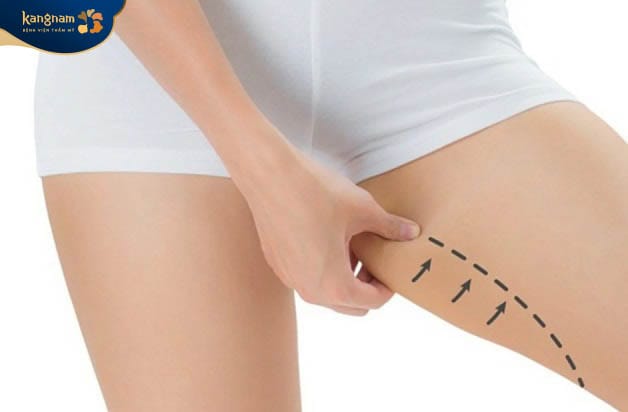
Thigh liposuction removes localised fat to create slimmer and more proportionate leg contours.
Patients seeking a general overview of the procedure may refer to What Is Liposuction?.
Kangnam applies the Lipo 360 technique as part of its surgical body-contouring services.
Despite some promotional descriptions referring to it as “non-surgical,” liposuction is an invasive surgical procedure because it requires small incisions and the insertion of a cannula beneath the skin.
The procedure may use a tumescent solution containing sterile fluid and medication. This solution helps:
The loosened fat is then removed through a liposuction cannula.
Further information about the broader application of this technique is available in Kangnam’s Lipo 360 Body-Contouring Technology.
The tumescent technique may help reduce bleeding and discomfort during and after surgery.
Anaesthesia and postoperative pain medication are also used according to the patient’s treatment plan.
However, the procedure cannot be guaranteed to be completely painless. Patients may experience:
Lipo 360 thigh liposuction uses a small cannula, with the stated diameter ranging from approximately 2.2–3.7mm.
The surgeon creates small incisions through which the cannula is inserted. After fat removal, the incisions may be closed with fine sutures.
Although the scars are generally small and may fade over time, no surgical procedure can guarantee that there will be no visible scarring.
The procedure may remove a meaningful amount of localised fat from areas such as:
It may also be effective for firm or long-standing fat deposits.
However, claims that 95.99% of fat can be completely removed should not be interpreted as a guaranteed or medically appropriate target. Excessive fat removal may cause irregular contours, loose skin, circulatory problems, or tissue injury.
Selected energy-assisted liposuction devices may support tissue contraction and collagen remodelling after fat removal.
The degree of skin tightening depends on:
Liposuction alone may not adequately correct substantial loose skin. Patients with significant skin laxity may require an additional skin-removal or tightening procedure.
Kangnam Aesthetic Hospital provides thigh liposuction through its body-contouring department, using surgical equipment and techniques selected according to each patient’s condition.
Kangnam uses its Vaser and tumescent-assisted Lipo 360 techniques for selected liposuction procedures.
The hospital states that these technologies help:
Claims that recovery is exactly three times faster than with traditional technology should be treated as promotional unless supported by comparative clinical evidence for the precise procedure and patient group.
Overseas patients considering body contouring may also review Liposuction in Ho Chi Minh City for International Patients.
Kangnam’s body-contouring department includes surgeons with experience in liposuction and aesthetic body surgery.
The medical team operates under the institution’s professional framework and receives specialist consultation within the hospital system.
Before selecting a surgeon, patients should verify:
Professional association membership may support continuing education, but it does not by itself guarantee the quality or outcome of surgery.
The surgeon must also be prepared to identify and manage potential complications, including bleeding, infection, contour irregularities, fluid imbalance, or blood clots.
The thigh liposuction procedure at Kangnam follows a structured medical process.
Before surgery, the doctor examines the thighs and assesses:

The surgeon then recommends an appropriate treatment plan.
The patient undergoes a health examination and any necessary tests.
These may include:
The purpose is to determine whether the patient is medically fit for thigh liposuction.
The surgeon measures and marks the treatment areas before surgery.
Accurate marking helps guide fat removal and supports a more balanced result between both thighs and the patient’s overall body proportions.
Anaesthesia is administered to minimise pain and discomfort during surgery.
Depending on the treatment plan, the procedure may involve:
The patient’s vital signs must be monitored throughout the procedure by qualified medical personnel.
The surgeon creates small access incisions and uses the selected Lipo 360 technique to remove localised fat from the thighs.
Fat should be removed evenly and conservatively to create a natural-looking contour and reduce the risk of:
Patients interested in liposuction for several body areas may review Arm Liposuction in Vietnam for additional information about body-contouring procedures and recovery.
After the procedure, the patient is transferred to a recovery room for monitoring.
Before discharge, the medical team provides:
International and overseas Vietnamese patients should remain in Vietnam long enough to undergo an initial postoperative examination before travelling.
At the time of the original article, Kangnam Aesthetic Hospital listed the following price for Vaser 6D tumescent thigh liposuction:
| Service | Approximate price (USD) |
|---|---|
| Lipo 360 thigh fat reduction | 2,584 |
The listed price does not include promotional discounts and may vary according to:
Kangnam may provide promotional programmes for overseas Vietnamese patients returning to Vietnam for aesthetic treatment.
Patients considering abdominal treatment may also review Abdominal Liposuction in Vietnam for International Patients.
The results of thigh liposuction at Kangnam may be demonstrated through before-and-after images of previous patients.
Examples described in the original content include:
Before-and-after images should be viewed as examples rather than guaranteed outcomes. Results vary depending on:
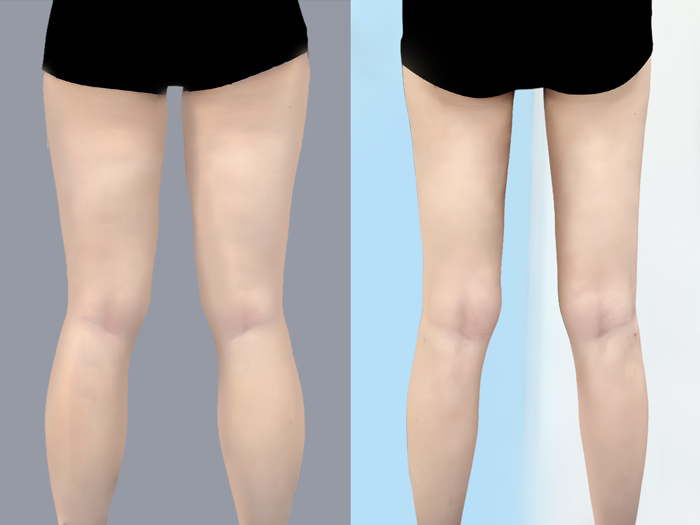
The initial improvement may be visible after swelling begins to subside. However, the final result generally takes several months to develop.
Thigh liposuction may help suitable patients achieve slimmer and more proportionate leg contours without relying solely on diet and exercise to reduce resistant localised fat.
However, patients must still maintain a healthy lifestyle after surgery. Weight gain can enlarge the remaining fat cells and alter the result.
Although modern techniques may support a more comfortable recovery, thigh liposuction remains a surgical procedure and may cause complications such as:
Overseas Vietnamese patients planning to undergo thigh liposuction should arrange an in-person consultation and allow sufficient time for preoperative assessment, surgery, and postoperative monitoring before returning overseas.
What Is Liposuction? Procedure, Cost, and Safety Considerations
Kangnam’s Lipo 360 Body-Contouring Technology
Liposuction in Ho Chi Minh City for International Patients
Top Liposuction Facilities in Vietnam for International Patients