
Date posted: 05-10-2026 | Last updated : 05-10-2026
Some Vietnamese plastic surgeons receive training, pursue fellowships, or participate in professional development programs in South Korea, the United States, and other countries with advanced healthcare systems. These programs allow doctors to update their knowledge of modern surgical techniques and aesthetic technologies.
International-standard training: Vietnamese doctors may participate in short-term or long-term training programs in South Korea and the United States to stay up to date with advanced aesthetic techniques.
Diverse areas of expertise: South Korea is particularly recognized for Asian facial plastic surgery, while the United States has strong expertise in body contouring, reconstructive surgery, and endoscopic techniques.
Practical benefits for patients: Patients can access high-quality aesthetic services from doctors who understand Vietnamese anatomy and aesthetic preferences while also benefiting from convenient domestic follow-up and post-operative care.
Vietnamese aesthetic doctors may enhance their professional skills through various forms of training in South Korea and the United States, ranging from short-term observerships to specialized research and advanced professional programs.
Depending on their specialty and professional goals, plastic surgeons may choose different types of overseas training:
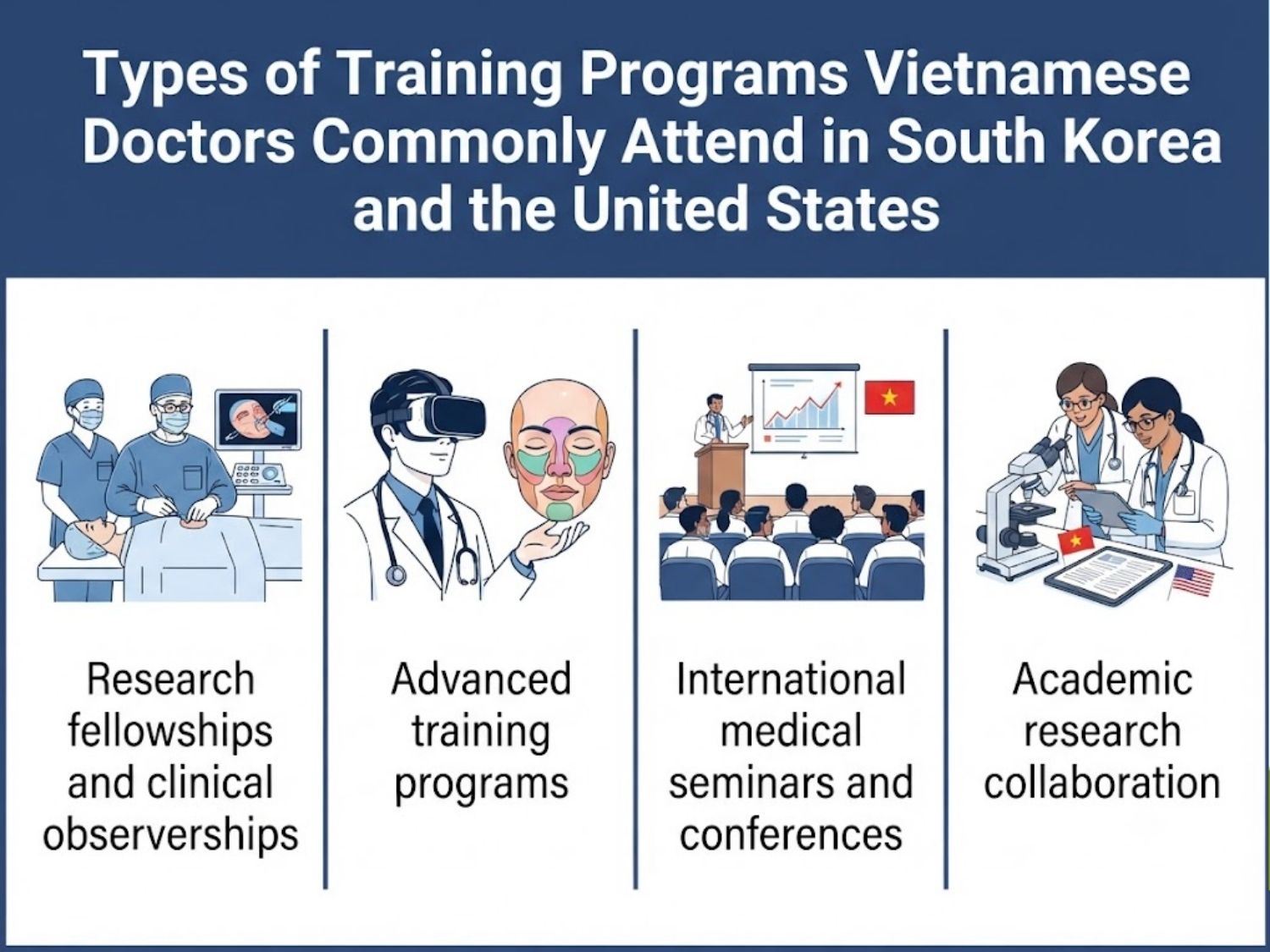
Both South Korea and the United States are recognized for their advanced plastic and aesthetic surgery sectors, although each country has different areas of expertise and approaches to professional training.
The table below summarizes some of the key differences between the types of aesthetic training that Vietnamese plastic surgeons may pursue in South Korea and the United States:
| Criteria | Training in South Korea | Training in the United States |
| Areas of expertise | Strong focus on facial plastic surgery, including eyelid surgery, rhinoplasty, jaw contouring, and Asian facial aesthetics. | Strong expertise in body contouring, breast surgery, reconstructive surgery, and endoscopic techniques. |
| Aesthetic approach | Often emphasizes subtle, natural-looking results and harmonious facial proportions suited to Asian aesthetics. | Often emphasizes individualized results, defined contours, and diverse aesthetic preferences. |
| Duration of training | May include short- and medium-term professional training programs designed to provide rapid exposure to new techniques and trends. | May involve longer-term programs and more extensive academic or medical research, depending on the type of training. |
| Applicability to Vietnamese patients | Often highly relevant because of certain similarities in Asian anatomical and aesthetic characteristics. | Techniques may need to be adapted to the anatomy, body proportions, and individual characteristics of Asian patients. |
Vietnamese doctors seeking professional training in plastic and aesthetic surgery in South Korea or the United States may need to meet requirements related to medical qualifications, clinical experience, and language proficiency.
Overseas medical institutions and training programs may establish different eligibility requirements for international doctors:
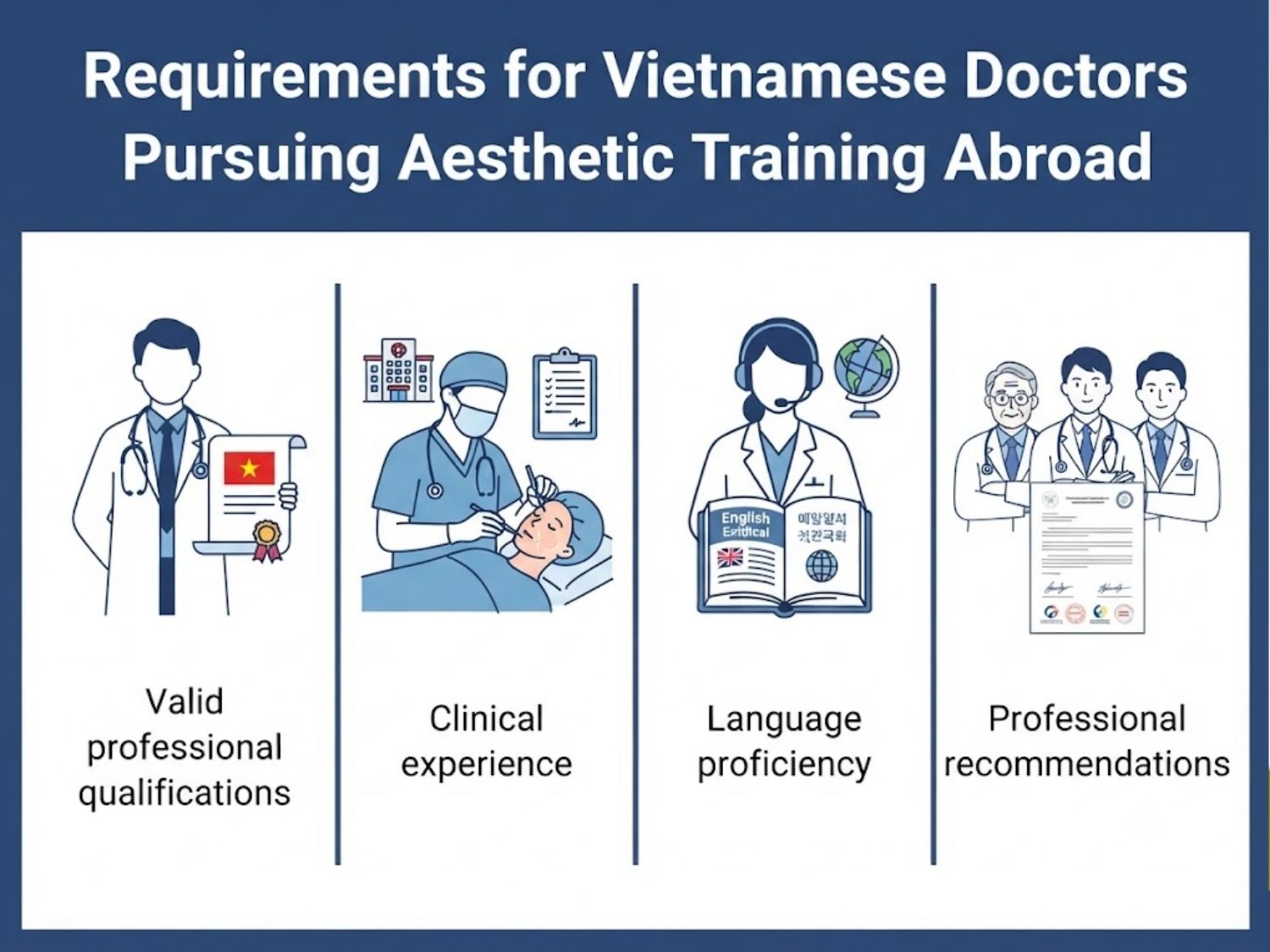
For patients, a surgeon’s professional qualifications and procedure-specific experience are more important considerations than simply the country where the surgeon received additional training.
The table below summarizes important factors to evaluate before deciding to undergo surgery:
| What to Check | Why It Matters |
| Vietnamese specialist qualifications | Helps verify that the surgeon has completed appropriate formal medical and specialist training. |
| License / Scope of practice | Confirms that the surgeon is legally authorized to perform the specific procedure. |
| Hospital / clinic licensing | An appropriately licensed surgical facility is an important consideration for patient safety. According to the American Society of Plastic Surgeons (ASPS), patients should consider surgeon qualifications and whether surgery is performed in an accredited or appropriately licensed facility when evaluating plastic surgery safety. |
| Procedure-specific experience | Experience in rhinoplasty is not equivalent to experience in breast augmentation or liposuction. Patients should consider the surgeon’s experience with the specific procedure they are seeking. |
| Revision / complex-case experience | Particularly important for patients seeking correction of an unsatisfactory previous procedure or management of complications. |
| Before-and-after results | Can help patients evaluate the surgeon’s experience, aesthetic approach, and consistency across comparable cases. |
| Training documentation | Helps distinguish short-term observerships or professional courses from formal residency or specialist training. |
| Complication management and follow-up policy | Important for ensuring appropriate support and continuity of care, particularly after surgery. |
Choosing a plastic surgeon with international training experience may provide patients with access to updated aesthetic techniques while maintaining the convenience of receiving treatment and follow-up care in Vietnam.
Potential advantages include:
Kangnam Aesthetic Hospital is an aesthetic healthcare system operating under licenses issued by the Vietnamese Ministry of Health. Its medical team includes specialist plastic surgeons, some of whom have participated in international professional training and apply medically standardized surgical protocols.
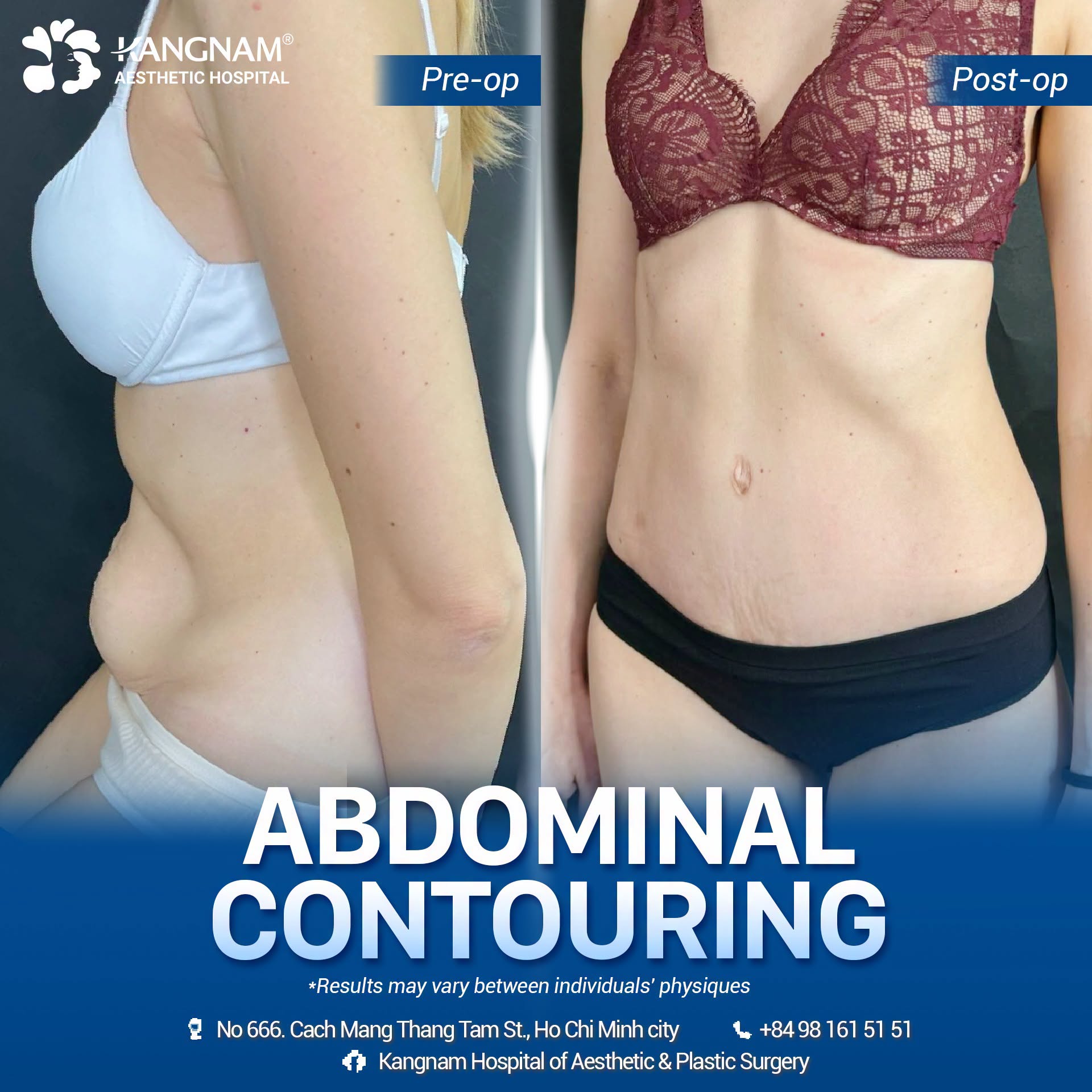
To provide greater transparency for both domestic and international patients, rather than relying solely on general claims such as “internationally trained doctors,” Kangnam focuses on providing detailed professional profiles for individual surgeons. These profiles may include medical qualifications, training institutions, countries of training, type of training, areas of specialization, surgical experience, and representative clinical cases.
The cost of plastic surgery depends on several factors, including the procedure, surgical technique, technology used, complexity of the case, facility, and level of post-operative care. A surgeon’s training background alone does not determine the final cost.
Both countries have highly developed plastic and aesthetic surgery sectors. South Korea is particularly well known for Asian facial aesthetic surgery, while the United States has extensive expertise in reconstructive surgery, body contouring, and advanced medical technologies. Rather than choosing a surgeon based solely on the country of training, patients should consider whether the surgeon has relevant qualifications and experience in the specific procedure they need.
No. Training provides additional knowledge and exposure to techniques, but aesthetic outcomes also depend on the surgeon’s formal qualifications, procedure-specific experience, clinical judgment, technical skills, the patient’s anatomy, and the complexity of the individual case. “Trained in South Korea” should therefore not be interpreted as a guarantee of surgical results.