Date posted: 13-07-2026 | Last updated : 13-07-2026
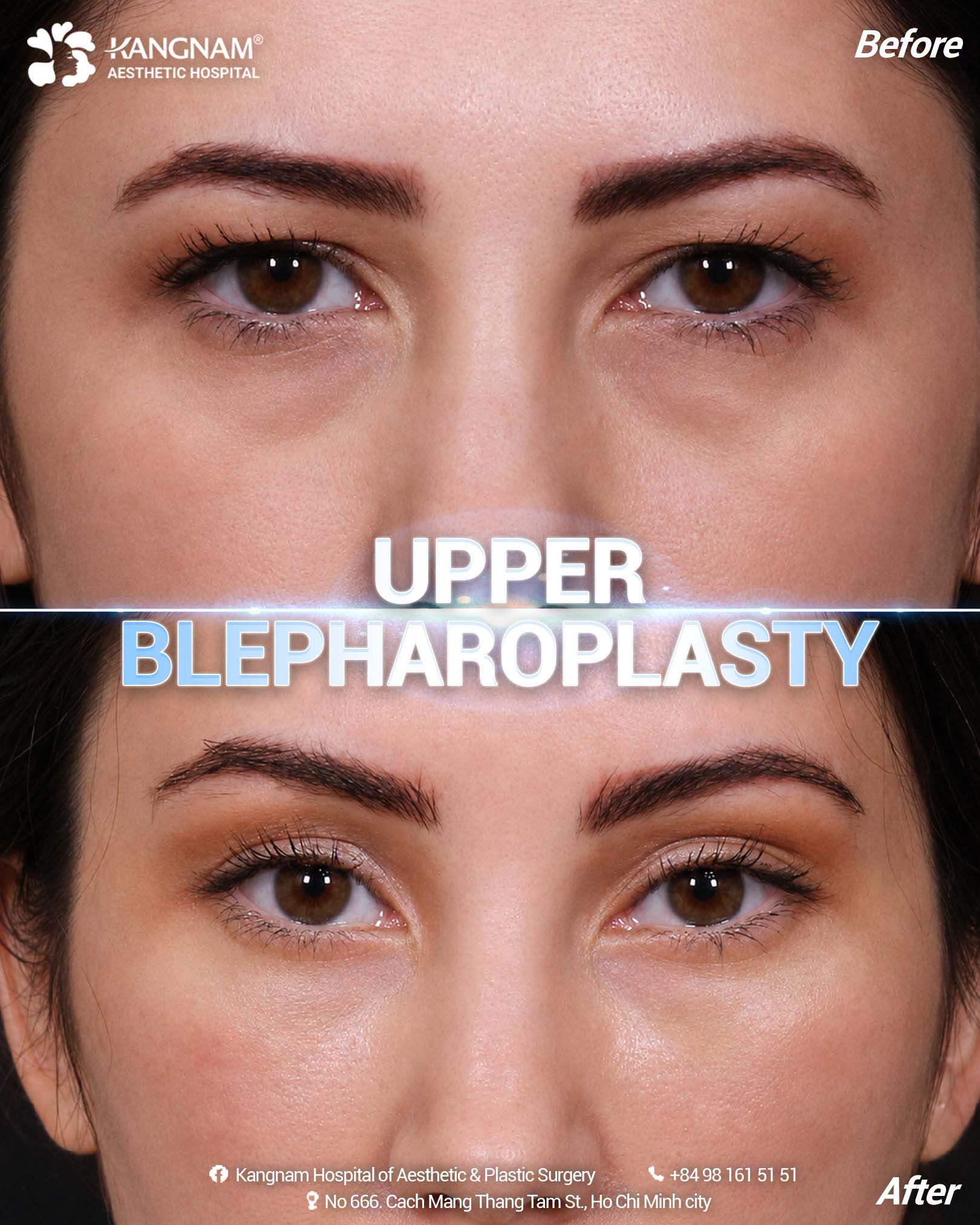
Following double eyelid surgery (blepharoplasty), proper aftercare and timely suture removal are critical steps to achieving optimal aesthetic results, crisp crease definition, and smooth scar-free healing.
Here is a comprehensive clinical guide from Kangnam Korean Aesthetic Hospital on the suture removal timeline, key recovery indicators, and essential aftercare instructions for international travelers.
I. How Many Days After Eyelid Surgery Are Sutures Removed?
Under normal conditions, facial plastic surgeons schedule suture removal 5 to 7 days post-surgery, once the incision edges have safely closed and initial tissue adhesion has occurred. For individuals with slower natural healing capacities or sensitive skin types, suture removal may be scheduled between 7 to 10 days.
The exact timing must always be evaluated and confirmed directly by your attending surgeon.
Timeline of Recovery Following Eyelid Surgery
- Days 1 to 4 (Acute Phase): Mild to moderate swelling, localized edema, and minor bruising around the upper lid and under-eye area are completely normal body responses to tissue disruption.
- Days 5 to 7 (Healing & Removal Phase): Swelling and bruising noticeably decrease. Incision edges seal, and the wound stabilizes. Patients attend their scheduled in-person appointment for stitch removal.
- Days 7 to 10 (Early Setting Phase): Once sutures are removed, residual swelling subsides rapidly. The newly formed double eyelid crease begins to settle into a cleaner, defined shape.
- Months 1 to 3 (Final Maturation Phase): Tissue remodeling progresses continuously over 1 to 3 months. The crease softens, scar lines fade, and the eyelid achieves its final natural appearance.
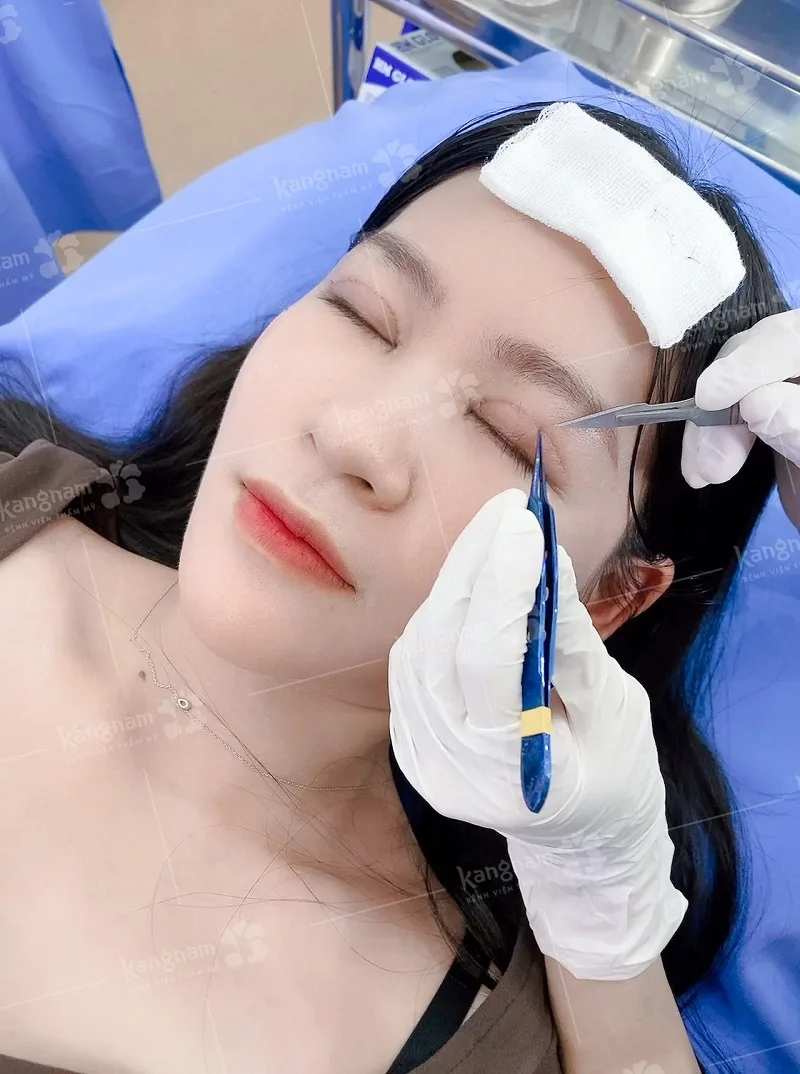
II. Key Factors Influencing Healing Speed & Removal Timing
How quickly you can have your sutures removed depends on several key clinical and personal factors:
- Individual Health & Healing Capacity: Metabolic rate, vascular health, and age influence how rapidly tissue repair occurs.
- Surgical Precision & Expertise: Experienced ocular plastic surgeons perform precise, minimal-trauma incisions and micro-suturing, significantly reducing tissue swelling and accelerating recovery.
- Advanced Low-Trauma Technology: Utilizing modern micro-surgical tools—such as Plasma Eyelid Surgery—minimizes micro-vascular damage and fluid retention, enabling faster wound closure.
- Scientific Post-Operative Aftercare: Strict adherence to sterile wound cleaning, prescribed topical regimens, and nutritional guidelines facilitates seamless recovery and prevents complications.
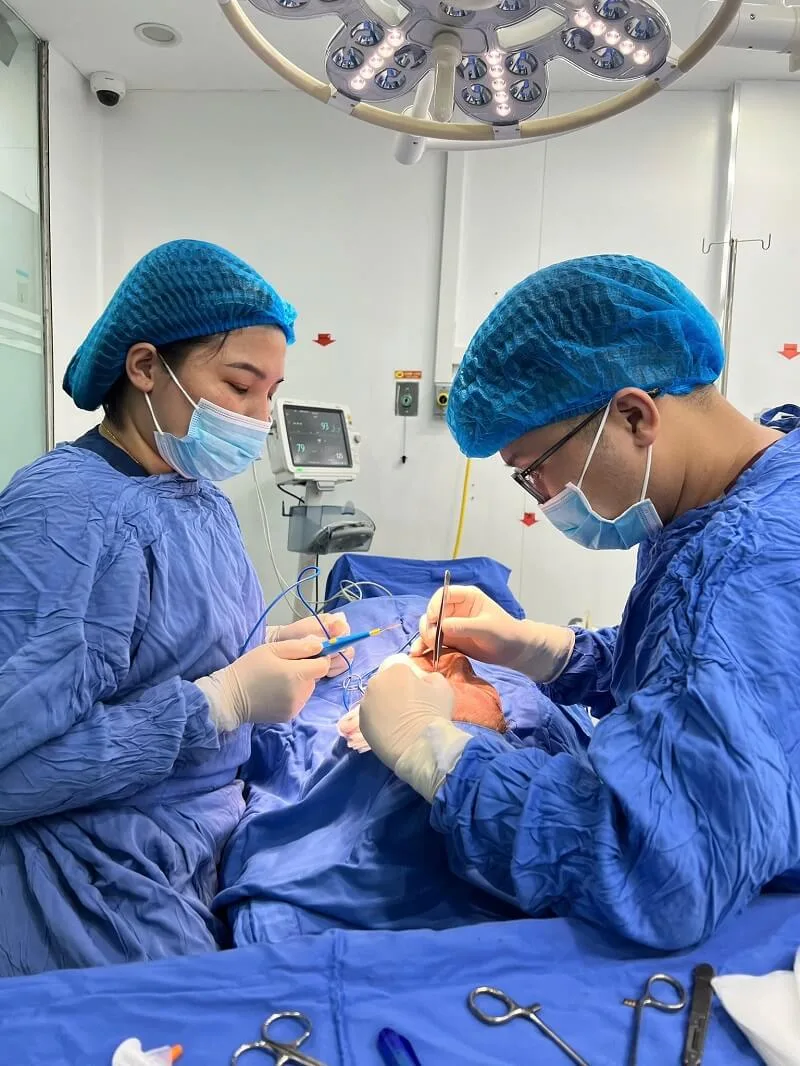
III. Clinical Signs That Your Eyelids Are Ready for Suture Removal
Prior to removing your stitches, your surgeon will look for the following healing benchmarks:
- Dry & Clean Incision Line: The incision is free of fluid leakage, active oozing, or wet crusting, confirming that primary skin closure is complete.
- Subsided Swelling & Bruising: Initial acute swelling and dark bruising have markedly resolved.
- Reduced Tissue Tension: Localized skin tightness, pulling sensations, or discomfort around the stitch knots have decreased significantly.
- Clear Crease Formation: The newly constructed double eyelid crease appears crisp, continuous, and symmetrical.
IV. What to Do Before Your Suture Removal Appointment
To ensure a smooth and painless removal process, prepare with the following care routine:
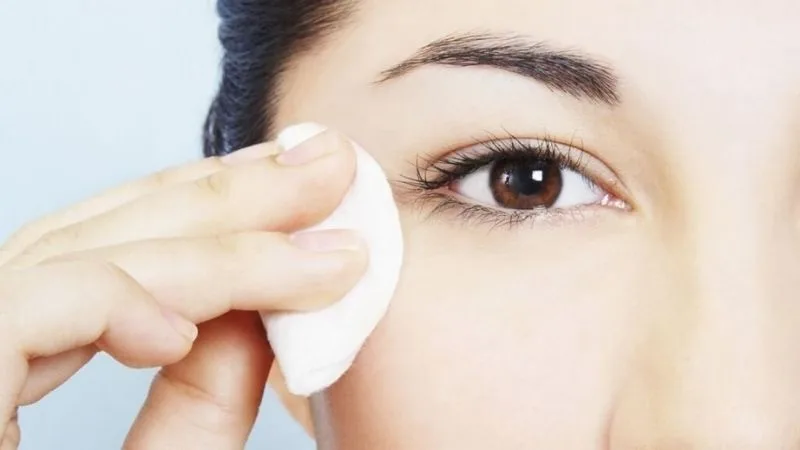
- Daily Sterile Cleansing: Clean the incision line gently using sterile normal saline solution and cotton swabs to remove dry exudate or crusts.
- Keep the Area Dry & Makeup-Free: Keep the upper face dry and avoid applying eye makeup, creams, or unsterile water near the surgical site.
- Avoid Facial Pressure: Refrain from heavy bending, vigorous head movements, or rubbing the eyes, which can strain the fresh suture line.
V. Post-Suture Removal Aftercare Protocol
To ensure minimal scar formation and support proper tissue settling after stitches are removed, strictly observe the following protocols:
- Sterile Wound Maintenance: Clean the lid area gently with normal saline for the first few days following removal. Avoid harsh soaps or unsterile tap water directly on the eyes.
- Prescribed Topical Ointments: Apply scar gels or prescribed antibiotic ointments exactly as directed by your physician to promote smooth epithelialization.
- Targeted Cold Compression: Use a cold pack wrapped in a clean, soft cloth around the periocular zone for 10–15 minutes at a time during the initial days to soothe lingering swelling.
- Elevated Sleeping Position: Sleep with your head elevated at a 45-degree angle using 2–3 pillows to facilitate lymphatic drainage and reduce morning puffiness.
- Activity Restrictions: Avoid eye strain from prolonged screen exposure, reading, or heavy exercise for 1 to 2 weeks.
- Protect Against UV & Environmental Exposure: Refrain from eye makeup or contact lens wear during early healing. Wear sunglasses when going outdoors to shield delicate tissue from dust, wind, and UV rays.
Dietary Guidelines: Avoid alcohol, smoking, high-sodium foods, and personal food allergens (e.g., seafood, glutinous rice) for 1 to 2 weeks to reduce the risk of tissue irritation or delayed scar maturation.
Follow-Up Schedule: Keep all virtual or in-person check-up appointments to monitor scar progression.
VI. Planning Travel Guidelines for Overseas Clients
For overseas Vietnamese and medical tourists traveling to Vietnam for blepharoplasty, careful itinerary planning ensures a safe, unhurried recovery:
- Minimum Stay Period: Plan to stay in Vietnam for at least 7 to 10 days after your procedure to allow sufficient time for healing assessment and in-person suture removal before flying home.
- Pre-Trip Virtual Consultations: Connect with your clinic online prior to booking flights to finalize your treatment plan, surgery date, and travel schedule.
- Structured Remote Follow-Up: Reputable medical institutions—such as Kangnam Korean Aesthetic Hospital—provide continuous remote care for international clients, monitoring scar healing via video calls and messaging long after you return home.
Pre-Trip Virtual Assessment: Planning a trip to Vietnam for eyelid surgery and need help coordinating your itinerary around suture removal? Send your photos to our medical team for a personalized 1-on-1 virtual evaluation before booking your flights.