Why Does Underarm Hair Removal Sometimes Cause Odor?

Date posted: 22-07-2026 | Last updated : 29-07-2026

Why underarm hair removal may appear to cause body odor is a controversial topic. Most people expect hair removal to improve body odor but are disappointed when they experience the opposite. Understanding the causes of this phenomenon is important for achieving a more effective hair removal process.

I – Does Underarm Hair Removal Cause Body Odor?

Underarm hair removal does not cause body odor. On the contrary, it may help reduce odor by making the area more ventilated and reducing the accumulation of sweat and bacteria. However, if the procedure is performed incorrectly, it may increase the risk of odor by damaging the hair follicles or sweat glands, causing inflammation and disrupting the skin’s microbial balance.

Underarm hair removal may help reduce odor but cannot eliminate it completely. Underarm odor is primarily caused by bacteria on the skin breaking down sweat, and the severity of the odor also depends on each person’s physical characteristics.
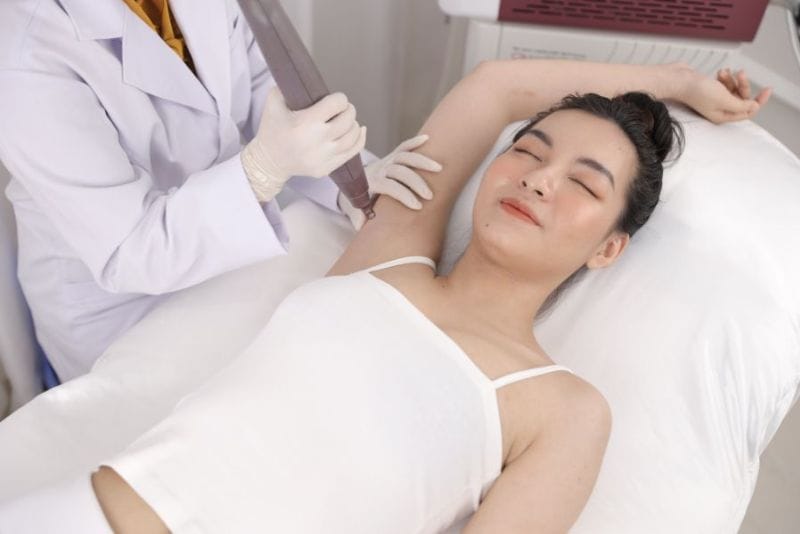
Proper post-treatment care helps minimize odor and protect the skin.

Proper post-treatment care helps minimize odor and protect the skin.

The body has two main types of sweat glands:

  • Eccrine glands, which produce watery sweat: These glands are found throughout the body and release sweat to cool the body. This type of sweat is generally odorless.
  • Apocrine glands, which produce oily sweat: These glands are located in areas with more hair, such as the underarms and groin. Their sweat is thicker, contains oils, and is easily broken down by bacteria, resulting in an unpleasant odor. These glands become more active during puberty.

During underarm hair removal, the treatment energy targets the hair follicles and may reduce the activity of nearby apocrine sweat glands. Reducing the amount of hair also allows the skin to remain more ventilated and limits bacterial accumulation, thereby helping reduce odor.

II – Why Does Underarm Odor Sometimes Appear After Hair Removal?

Underarm odor may occur after hair removal because the hair layer that helps reduce friction and regulate sweat has been removed. This can make the underarm area more prone to sweating and create favorable conditions for bacteria to grow.

In addition, the skin is often more sensitive and easily irritated after hair removal. If the area is not cleaned thoroughly, or if the person exercises frequently, follows an unhealthy diet, or experiences stress, odor may become more noticeable.

Incorrect hair removal techniques may also damage the skin or hair follicles, leading to inflammation and making the unpleasant odor more apparent.
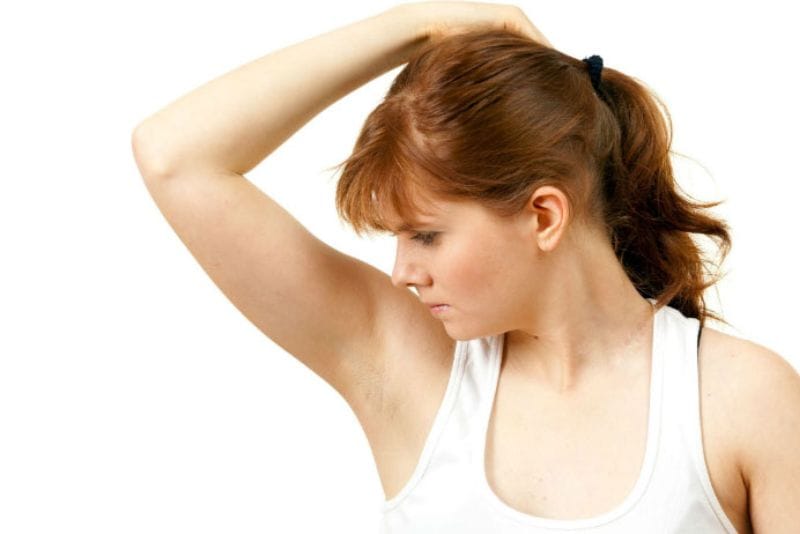
Incorrect hair removal may increase the risk of folliculitis and body odor.

Incorrect hair removal may increase the risk of folliculitis and body odor.

III – How Can Underarm Hair Be Removed Without Causing Odor?

To reduce the risk of underarm odor after hair removal, the following simple measures may be applied:
Choose an Appropriate Hair Removal Method

  • Modern hair removal technologies such as IPL and laser: These methods are effective and safe because they target the hair follicles deeply, reduce regrowth, and help limit excessive sweat gland activity. As a result, bacteria have fewer places to accumulate, and odor may be significantly reduced.
  • Shaving or waxing: These methods should be performed under clean conditions using the correct technique. After hair removal, a moisturizer or soothing gel should be applied to reduce redness, irritation, and folliculitis.

Maintain Personal Hygiene

  • Use antibacterial soap to clean the underarm area and remove sweat, bacteria, and dead skin cells every day, particularly after heavy sweating.
  • Choose loose, breathable clothing that absorbs sweat effectively, especially during hot weather.
  • Keep the underarm area clean and dry, particularly after bathing or sweating.
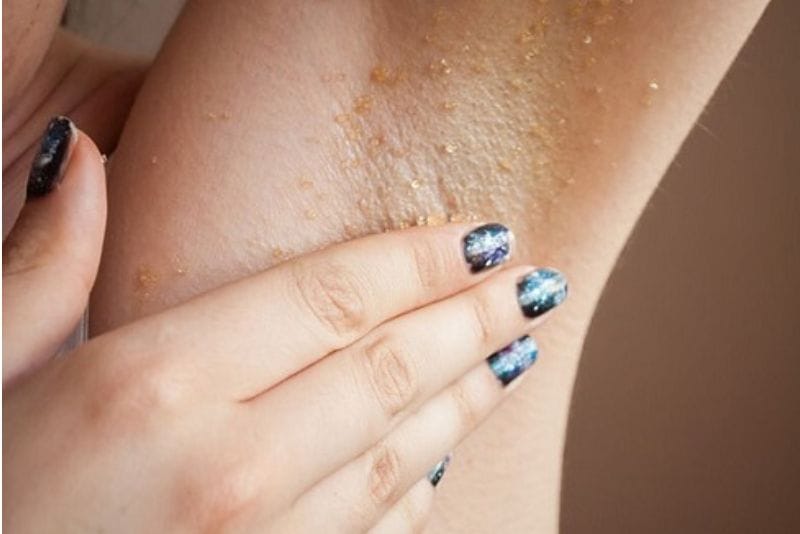
  • Exfoliate the underarm area 1–2 times per week to provide deeper cleansing and remove accumulated dirt and bacteria.
Exfoliate the underarm area regularly.

Exfoliate the underarm area regularly.

Control Body Odor

  • Use deodorant that does not contain alcohol, fragrances, or easily irritating ingredients.
  • Limit foods with strong odors, such as garlic, onions, spicy foods, and alcoholic beverages, as they may make sweat smell stronger.
  • Reduce stress and spend sufficient time resting and relaxing.

IV – When Should You See a Doctor for Underarm Odor After Hair Removal?

You should consult a dermatologist or specialist if you experience any of the following signs after underarm hair removal:

  • The odor persists and becomes increasingly severe, even after deodorant has been used.
  • The underarm skin becomes damaged or develops inflamed pimples, pustules, or ingrown hairs.
  • The underarm area becomes red, irritated, or itchy.
  • Excessive sweating occurs even without physical activity or during cool weather.
  • There is a history of sweat gland disorders, dermatitis, folliculitis, or hormonal conditions.

Underarm odor after hair removal is generally not dangerous. However, if the condition does not improve after 2–3 weeks or is accompanied by abnormal symptoms, consulting a doctor is the best way to receive an accurate diagnosis and appropriate treatment.

Why Can Underarm Hair Removal Cause Odor?

Is Underarm Hair Removal Beneficial?

Facial Hair Removal Cost

Messenger