
✕

Aesthetic clinic vs aesthetic hospital in Vietnam — what’s the difference?

Date posted: 07-10-2026 | Last updated : 07-10-2026

The core differences between an aesthetic clinic and an aesthetic hospital in Vietnam lie in their scale, the scope of procedures they are licensed to perform, inpatient capabilities, and emergency response capacity.

Scope of services: Aesthetic clinics are generally suitable for non-surgical aesthetic treatments, skincare procedures, and minor surgeries, while aesthetic hospitals specialize in major surgical procedures that require anesthesia and inpatient monitoring.

Licensing authority: Aesthetic clinics are regulated and licensed by the local Department of Health, whereas aesthetic hospitals are licensed directly by the Ministry of Health.

Safety and emergency care: Aesthetic hospitals are equipped with standardized sterile operating rooms, anesthesiology and resuscitation departments, and 24/7 emergency equipment and capabilities.

1. What is an Aesthetic Clinic?

An aesthetic clinic is a smaller-scale medical facility that primarily provides non-surgical aesthetic treatments and relatively simple minor surgical procedures.

  • Nature of the facility: It focuses on minimally invasive or non-invasive beauty treatments that do not involve extensive surgery or require overnight hospitalization.
  • Main services include:
    • Injectable treatments: Dermal fillers, Botox, and skin rejuvenation injections.
    • Advanced skincare treatments: Acne treatment, melasma treatment, and laser scar treatment.
    • Hair removal, skin brightening treatments, and cosmetic tattooing.
    • Minor surgical procedures, depending on the scope approved by the local Department of Health.
  • Scale and equipment: Aesthetic clinics are generally smaller facilities, with equipment mainly focused on skincare technology and dermatological treatments.

2. What is an Aesthetic Hospital?

An aesthetic hospital is a large-scale medical facility operating under a license issued by the Ministry of Health and is qualified to perform complex major surgical procedures in a sterile medical environment.
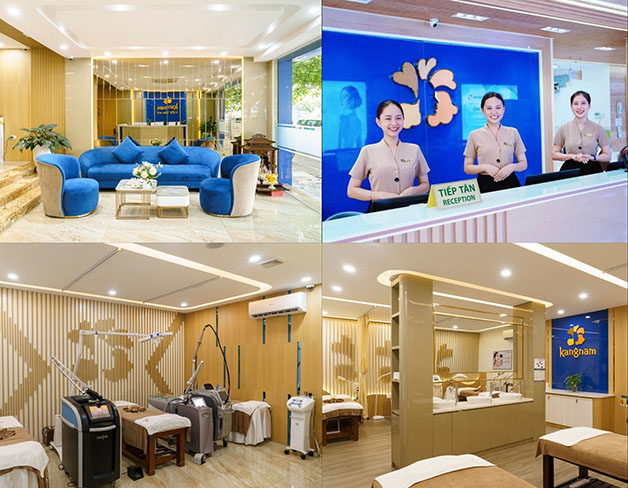
  • Nature of the facility: It is a specialized aesthetic hospital equipped with sterile operating rooms, emergency facilities, postoperative recovery areas, and multidisciplinary medical teams.
  • Main services include:
    • Major surgery: Breast augmentation, body-contouring liposuction, and maxillofacial surgery such as correction of protruding or recessed jaws and cheekbone reduction.
    • Intermediate and minor surgery: Rhinoplasty, eyelid surgery, and facelift procedures.
    • Dermatological treatments and advanced technology-based rejuvenation procedures.
  • Scale and equipment: Aesthetic hospitals must comply with strict medical standards, including fully equipped operating rooms, anesthesia and resuscitation systems, laboratory testing facilities, and inpatient wards.

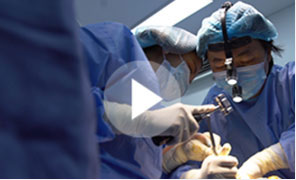
An aesthetic hospital is a large-scale medical facility operating under a license issued by the Ministry of Health and is qualified to perform complex major surgical procedures in a sterile medical environment

Kangnam Aesthetic Hospital is one of Vietnam’s leading medically standardized aesthetic systems, with 3 hospitals and 7 aesthetic institutes across 8 provinces and cities, operating under licenses issued by the Ministry of Health.

3. Comparison Between an Aesthetic Hospital and an Aesthetic Clinic

The clearest differences between these two models are their legal scale, the range of licensed services, and their ability to maintain safety during surgical procedures.

Comparison Criteria Aesthetic Clinic Aesthetic Hospital
Licensing authority Local Department of Health Ministry of Health
Scale & facilities Small to medium scale, mainly equipped with skincare devices Large scale, with sterile operating rooms and postoperative recovery facilities
Range of services Non-invasive treatments, skincare, and minor procedures Wide range of services, from non-surgical treatments to complex major surgery
Anesthesia & resuscitation Not adequately equipped for procedures requiring general anesthesia Has an Anesthesiology and Resuscitation Department with qualified specialists
Medical team Dermatologists, general physicians, and technicians Specialized surgeons, anesthesiologists, and multidisciplinary medical teams
Inpatient care Patients usually return home the same day Inpatient beds and 24/7 nursing care are available

4. Should You Choose an Aesthetic Clinic or an Aesthetic Hospital?

The choice between an aesthetic clinic and an aesthetic hospital depends primarily on how invasive the desired aesthetic procedure is.
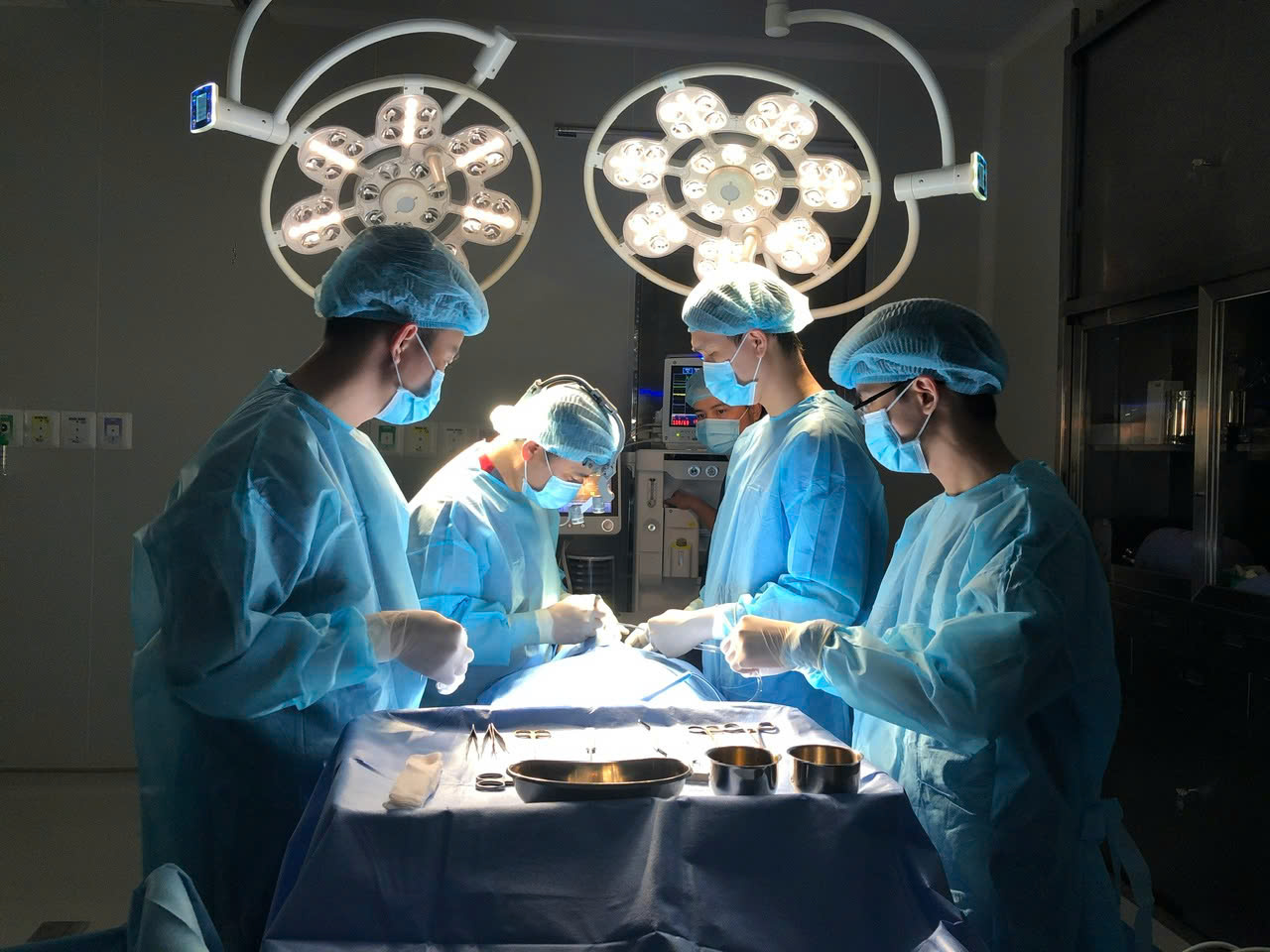
  • Choose an aesthetic hospital if you:
    • Plan to undergo major structural surgery such as breast augmentation, jaw contouring, cheekbone reduction, or body-contouring liposuction.
    • Want to combine multiple surgical procedures that require safe anesthesia.
    • Prefer a comprehensive hospital-based process that includes medical examinations, general health screening, surgery, and structured postoperative care.
  • Choose an aesthetic clinic if you:
    • Only require routine skincare, acne treatment, freckle treatment, or hair removal.
    • Want dermal fillers, Botox, or minimally invasive rejuvenation treatments that require little or no downtime.

Choose an aesthetic hospital if you

5. Risks of Choosing an Aesthetic Facility That Is Not Licensed for the Required Procedure

Choosing an aesthetic facility that does not have the appropriate qualifications or licensed scope of practice may expose patients to unsafe, unauthorized surgery, inadequate emergency equipment, and unqualified practitioners.

According to patient safety guidance from the International Society of Aesthetic Plastic Surgery (ISAPS), performing invasive procedures in facilities that do not meet appropriate infection-control and operating-room standards may increase the risk of preventable medical complications.
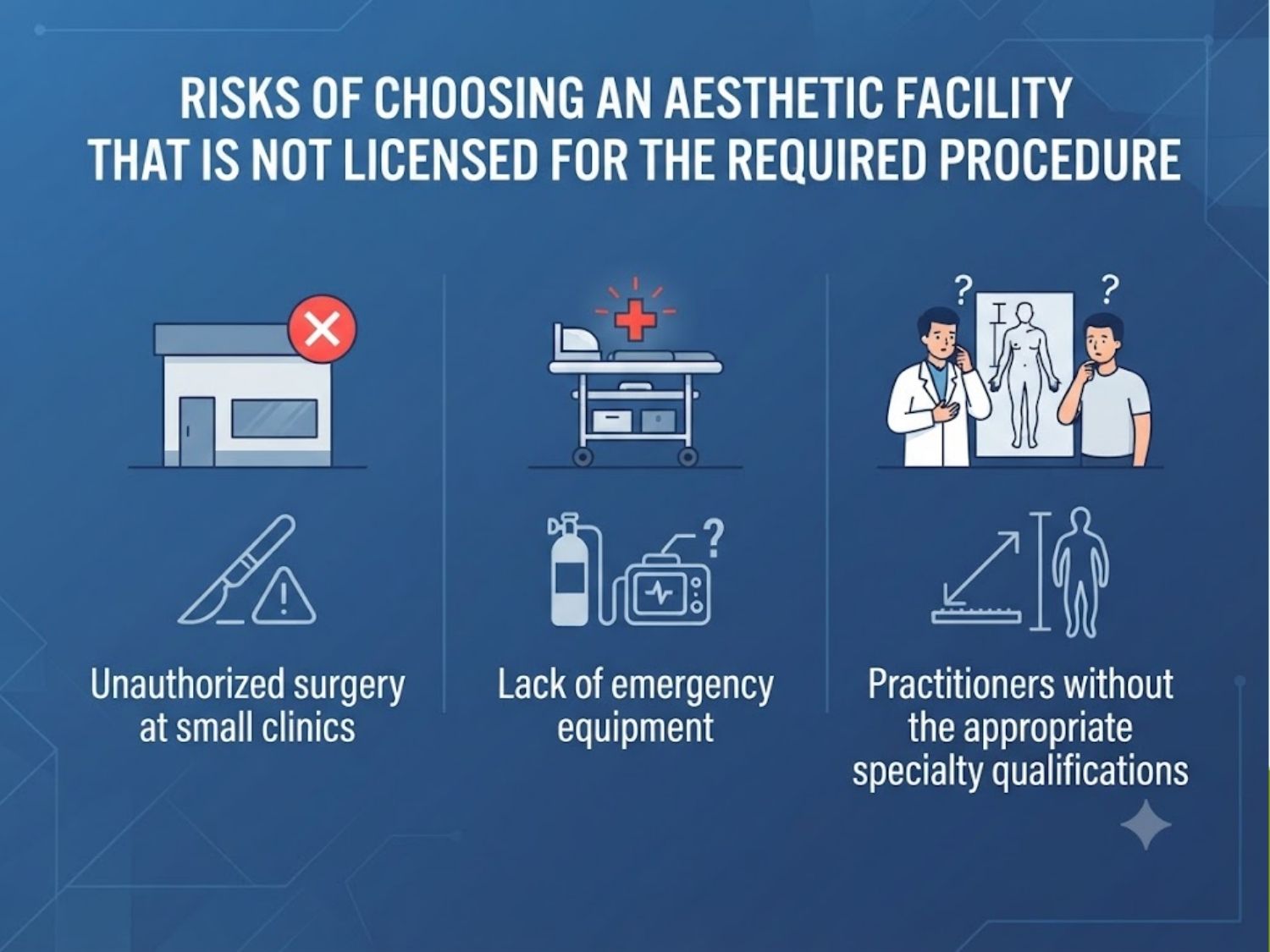
  • Unauthorized surgery at small clinics: Some clinics or spas without the appropriate licenses may still perform procedures such as breast augmentation or liposuction, potentially increasing the risk of local anesthetic toxicity, infection, and serious complications.
  • Lack of emergency equipment: Standard aesthetic clinics may not have comprehensive anesthesia, resuscitation, and emergency systems that meet hospital-level medical standards.
  • Practitioners without the appropriate specialty qualifications: Procedures performed by technicians or physicians without the required surgical qualifications may result in poor aesthetic outcomes, asymmetry, deformity, or complications.

Choosing an aesthetic facility that does not have the appropriate qualifications or licensed scope of practice may expose patients to unsafe, unauthorized surgery, inadequate emergency equipment, and unqualified practitioners

6. Criteria for Evaluating a Safe and Reputable Aesthetic Facility

A safe aesthetic facility should be transparent about its operating license, employ properly licensed physicians, follow standardized medical procedures, and provide clear aftercare and warranty policies.
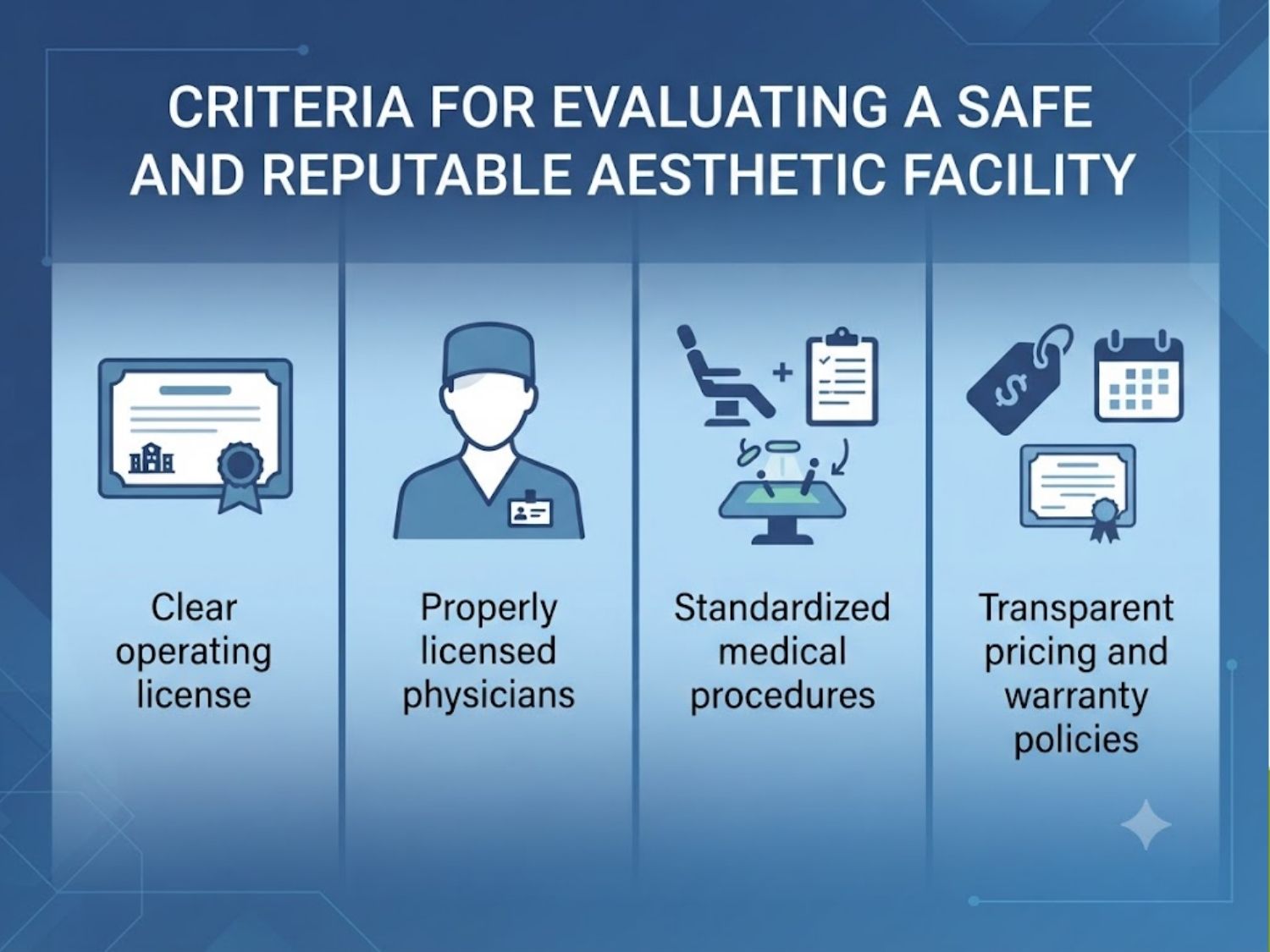
  • Clear operating license: The facility should publicly display valid certification and authorization from the Ministry of Health or the relevant Department of Health.
  • Properly licensed physicians: Doctors who directly conduct examinations and surgical procedures should have appropriate professional qualifications and relevant experience.
  • Standardized medical procedures: The process should include medical consultation, general health assessment, and strict sterile surgical protocols.
  • Transparent pricing and warranty policies: Service fees, postoperative follow-up policies, and applicable service guarantees or warranty terms should be clearly disclosed.

A safe aesthetic facility should be transparent about its operating license, employ properly licensed physicians, follow standardized medical procedures, and provide clear aftercare and warranty policies

7. Frequently Asked Questions (FAQ)

Should rhinoplasty and eyelid surgery be performed at an aesthetic hospital or an aesthetic clinic?

Rhinoplasty and eyelid surgery are surgical procedures and should be performed at an aesthetic hospital or a licensed specialty clinic that is legally authorized to provide these services. Having the procedure performed in an appropriately equipped medical facility helps ensure a sterile surgical environment and access to qualified specialists who can safely manage potential complications.

How can I check whether an aesthetic hospital has a valid Ministry of Health license?

You can verify the facility’s operating license through the official information channels of Vietnam’s Ministry of Health or request that the hospital provide its operating license directly. Reputable aesthetic hospitals generally display their license information publicly at the facility and on their official websites.

Are services at an aesthetic hospital more expensive than those at an aesthetic clinic?

The cost of treatment at an aesthetic hospital often reflects its medical infrastructure, sterile operating-room system, advanced equipment, and the expertise of specialized medical teams. Although prices may be higher than at smaller clinics or spas, the additional cost is generally associated with a more comprehensive medical environment and greater capacity to manage patient safety.

Messenger