✕

Plastic surgery in Ho Chi Minh City vs Hanoi — which is better for foreigners?

Date posted: 07-10-2026 | Last updated : 07-10-2026

Both Ho Chi Minh City and Hanoi offer distinct advantages for international patients seeking cosmetic surgery, but Ho Chi Minh City is generally considered a more convenient and popular choice for overseas visitors and overseas Vietnamese patients.

Choosing based on individual needs: Ho Chi Minh City stands out for its dynamic environment, stronger English-speaking support, and wide range of beauty trends and services. Hanoi may be more suitable for those seeking a quieter recovery environment, strong expertise in maxillofacial surgery, and more affordable accommodation.

Recommended length of stay: International patients should generally plan to remain in Vietnam for around 7–10 days after minor procedures and 14–21 days after major surgery to allow for suture removal and postoperative follow-up before flying.

Safety standards: Both cities have aesthetic hospitals operating under Ministry of Health regulations, with sterile surgical protocols and experienced specialist teams capable of supporting international patients.

1. Overview of Cosmetic Tourism in Vietnam for International Patients

Vietnam is becoming an increasingly attractive destination for cosmetic tourism in Southeast Asia thanks to competitive costs, skilled doctors, and modern medical technology.

Cosmetic tourism in Vietnam is attracting a growing number of international visitors and overseas Vietnamese who return to the country for aesthetic treatments and surgery. Some of the main reasons Vietnam is becoming a preferred destination include:

  • Cost savings: Cosmetic procedures in Vietnam are often priced 50% to 70% lower than in the United States, Australia, Europe, or South Korea, while many facilities continue to invest in modern technology and medical standards.
  • Highly trained doctors: Many Vietnamese doctors have received professional training or advanced education in countries known for aesthetic medicine, such as South Korea, France, and the United States. According to the International Society of Aesthetic Plastic Surgery (ISAPS), international demand for high-quality cosmetic procedures across Southeast Asia continues to grow as professional standards and physician expertise improve.
  • Combining surgery with travel and recovery: Patients may also enjoy well-known tourist destinations in Vietnam during the later stages of recovery, provided their doctor approves their travel activities.

Patients may also enjoy well-known tourist destinations in Vietnam during the later stages of recovery, provided their doctor approves their travel activities

2. Comparing Cosmetic Surgery Services in Ho Chi Minh City and Hanoi

Ho Chi Minh City generally has an advantage in terms of flexibility, trend diversity, and ease of English communication, while Hanoi may appeal more to patients who prefer a quieter environment and a more conservative recovery setting.

Comparison Criteria Ho Chi Minh City (HCMC) Hanoi
Environment & English communication English is widely used, with an open and dynamic environment English support is available, though the overall environment is more traditional
Aesthetic strengths Broad range of trends, body contouring, rhinoplasty, fat grafting Maxillofacial surgery, eyelid surgery, rhinoplasty, and complex reconstructive procedures
Treatment & accommodation costs Wide range of price segments; central accommodation may be slightly more expensive Living costs are generally reasonable and treatment prices tend to be stable
Recovery environment Vibrant city with many nearby lifestyle and entertainment options Quieter atmosphere that may be suitable for rest and recovery
Transportation access Tan Son Nhat International Airport is relatively close to the city center Noi Bai International Airport is approximately 30–45 minutes from central Hanoi, depending on traffic

3. Advantages and Disadvantages of Cosmetic Surgery in Ho Chi Minh City

Undergoing cosmetic treatment in Ho Chi Minh City offers major advantages in terms of English communication, rapid adoption of global aesthetic trends, and professional customer service. However, central accommodation costs may be higher, and the city’s warm climate can be less comfortable during the early postoperative period.
Advantages:

  • Lower language barriers: Many consultants and doctors at major facilities in Ho Chi Minh City are able to communicate in English. Some facilities also provide Korean, Chinese, or Japanese interpreters.
  • Fast adoption of new trends: New aesthetic technologies and beauty trends are often introduced quickly in Ho Chi Minh City.
  • Professional customer service: Many large facilities offer structured support for international patients, from consultation and scheduling to postoperative follow-up.

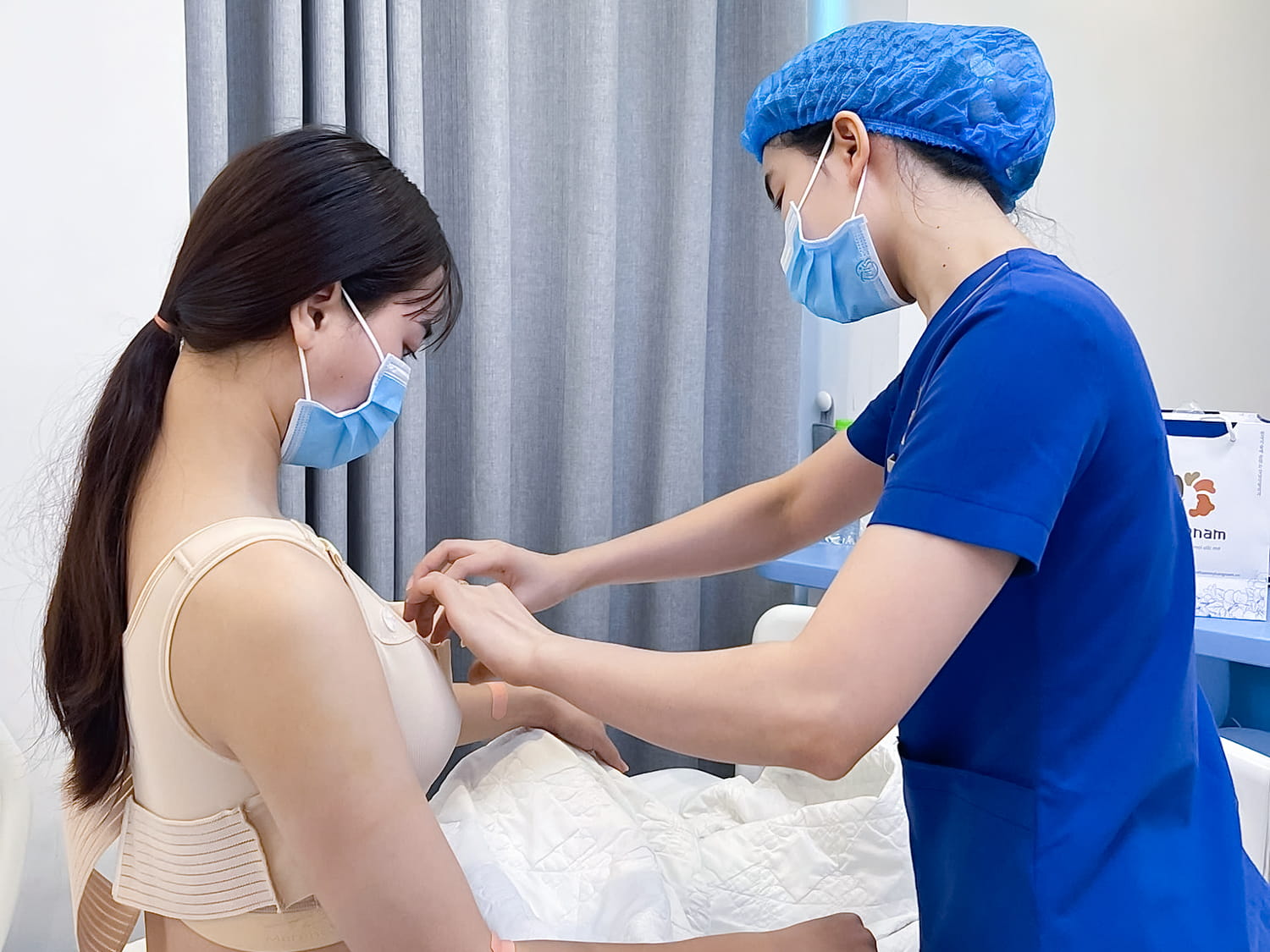
Many consultants and doctors at major facilities in Ho Chi Minh City are able to communicate in English. Some facilities also provide Korean, Chinese, or Japanese interpreters

Disadvantages:

  • The cost of living and hotels in central areas may be higher than in Hanoi.
  • The consistently warm climate may cause some discomfort during the first few days after surgery.

4. Advantages and Disadvantages of Cosmetic Surgery in Hanoi

Hanoi is known for its strong medical expertise, experienced doctors, reasonable accommodation costs, and four distinct seasons. However, English-language support at smaller facilities may be less consistent, and Noi Bai International Airport is located farther from the city center.

Advantages:

  • Strong medical expertise: Hanoi is home to many experienced specialists who have worked at major hospitals. Large aesthetic hospitals in Vietnam are required to comply with medical safety regulations, infection-control standards, and professional competency requirements for healthcare staff.
  • Reasonable accommodation costs: Long-term hotel or apartment rental during postoperative recovery may be more affordable.
  • Four distinct seasons: Autumn and winter are cooler, which may make wearing surgical dressings or compression garments more comfortable.

Disadvantages:

  • English communication may not be as consistently available at smaller facilities as it is in Ho Chi Minh City.
  • Noi Bai International Airport is farther from the city center than Tan Son Nhat International Airport.

5. Should International Patients Choose Ho Chi Minh City or Hanoi for Cosmetic Surgery?

International patients and overseas Vietnamese can consider both Ho Chi Minh City and Hanoi, as both cities have established aesthetic hospital systems. However, each destination offers different advantages.

  • Choose Ho Chi Minh City if:
    • It is your first visit to Vietnam and you prefer easier English communication.
    • You are planning major body-contouring procedures such as breast augmentation or liposuction, or you are interested in newer rhinoplasty or eyelid trends.
    • You prefer a lively urban environment with a wide range of services and entertainment.

You are planning major body-contouring procedures such as breast augmentation or liposuction, or you are interested in newer rhinoplasty or eyelid trends

  • Choose Hanoi if:
    • You prioritize privacy and a quieter environment for recovery.
    • You want to combine your trip with visits to northern destinations such as Ha Long Bay, Sapa, or Trang An after your doctor confirms that travel is safe.
    • You are considering procedures that may require highly specialized planning, such as maxillofacial surgery or cheekbone reduction.

Kangnam Aesthetic Hospital is one of Vietnam’s established aesthetic hospital systems, with medically standardized facilities in both Hanoi and Ho Chi Minh City, serving the needs of both local and international patients.

The hospitals operate under relevant medical licenses and emphasize multilayered safety procedures as well as transparent postoperative care and warranty policies.

6. Important Considerations for International Patients Undergoing Cosmetic Surgery

International patients planning cosmetic surgery in Vietnam should arrange an appropriate length of stay based on the procedure, prepare medical information in advance, and follow postoperative instructions carefully.
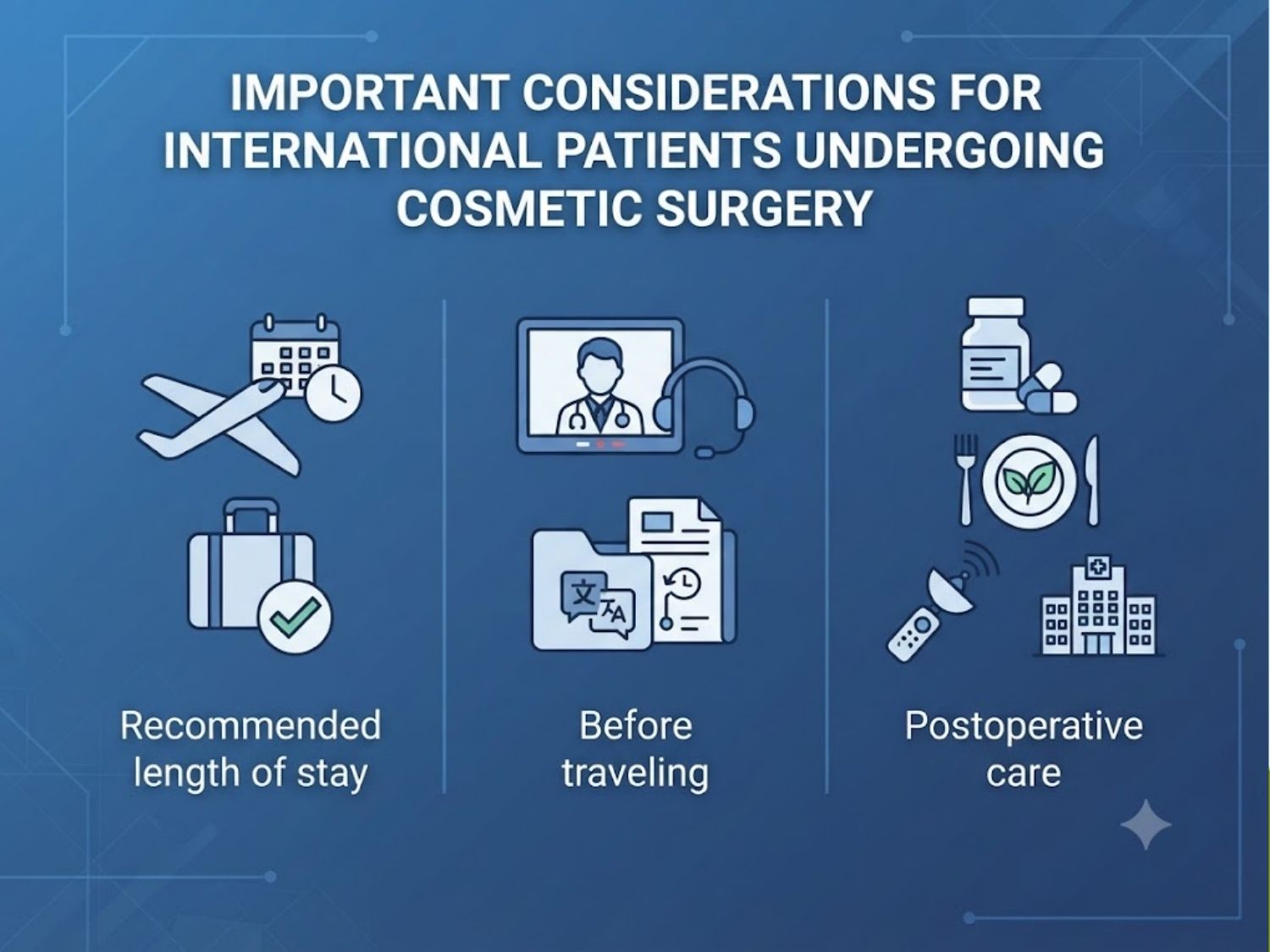
  • Recommended length of stay:
    • Minor procedures such as eyelid surgery or rhinoplasty: Patients should generally stay in Vietnam for around 7–10 days for postoperative checks and suture removal when applicable.
    • Major surgery such as breast surgery, liposuction, or maxillofacial surgery: A stay of around 14–21 days may be recommended depending on the procedure and individual recovery.
  • Before traveling:
    • Schedule an online consultation with the doctor before your flight.
    • Prepare translated medical records and relevant medical history in English or Vietnamese when necessary.
  • Postoperative care: Follow prescribed medications, dietary guidance, wound-care instructions, and maintain contact with the hospital after returning home.

International patients planning cosmetic surgery in Vietnam should arrange an appropriate length of stay based on the procedure, prepare medical information in advance, and follow postoperative instructions carefully

7. Frequently Asked Questions (FAQ)

Is cosmetic surgery in Vietnam safe for international patients?

Cosmetic surgery can be safe for international patients when procedures are performed at appropriately licensed medical facilities with qualified doctors, proper preoperative screening, sterile operating rooms, and adequate emergency support. Patients should verify the facility’s license and the surgeon’s professional qualifications before undergoing treatment.

Do doctors in Vietnam speak English?

At many large hospitals and international-focused aesthetic facilities, doctors and customer care teams are able to communicate in English. Some hospitals also provide interpreters to assist international patients throughout consultation, treatment, and postoperative follow-up.

How long should I stay in Vietnam after cosmetic surgery?

The appropriate length of stay depends on the type and complexity of surgery. In general, patients may need to remain in Vietnam for approximately 7–14 days after many common procedures, while more extensive surgery may require 14–21 days or longer. Your surgeon should confirm that your recovery is stable before you take a long-haul flight home.

Messenger