Date posted: 06-10-2026 | Last updated : 06-10-2026
Anesthesia safety in hospitals in Vietnam depends on preoperative assessment, anesthesia administered by an anesthesiologist who has received specialized training for a minimum of 18 months, continuous monitoring during surgery, and recovery in an area equipped with adequate emergency and resuscitation facilities. In addition to regulations issued by the Ministry of Health, hospitals also implement surgical safety protocols to reduce preventable incidents such as wrong-patient, wrong-site, or wrong-procedure errors.
Anesthesia safety does not depend solely on the anesthesiologist: Safe anesthesia requires coordination among the anesthesiologist, surgeon, nurses, and the hospital’s systems for equipment, medications, emergency response, and resuscitation.
Pre-anesthesia assessment is an important step: The doctor should review the patient’s medical history, current medications, allergies, airway-related issues, and other factors that may increase anesthesia-related risks.
Anesthesia equipment and medications must be checked before surgery: The anesthesia machine, oxygen supply, airway equipment, medications, and emergency equipment should be prepared and checked before the procedure begins.
Patients need continuous monitoring throughout anesthesia: Parameters such as oxygen saturation, heart rate, blood pressure, and respiration should be monitored according to the anesthesia method and the individual patient’s condition.
Monitoring does not end when surgery is completed: After anesthesia, the patient should be monitored in a recovery area until they meet the criteria for transfer to the next stage of care.
1. What are the anesthesia safety standards at hospitals in Vietnam?
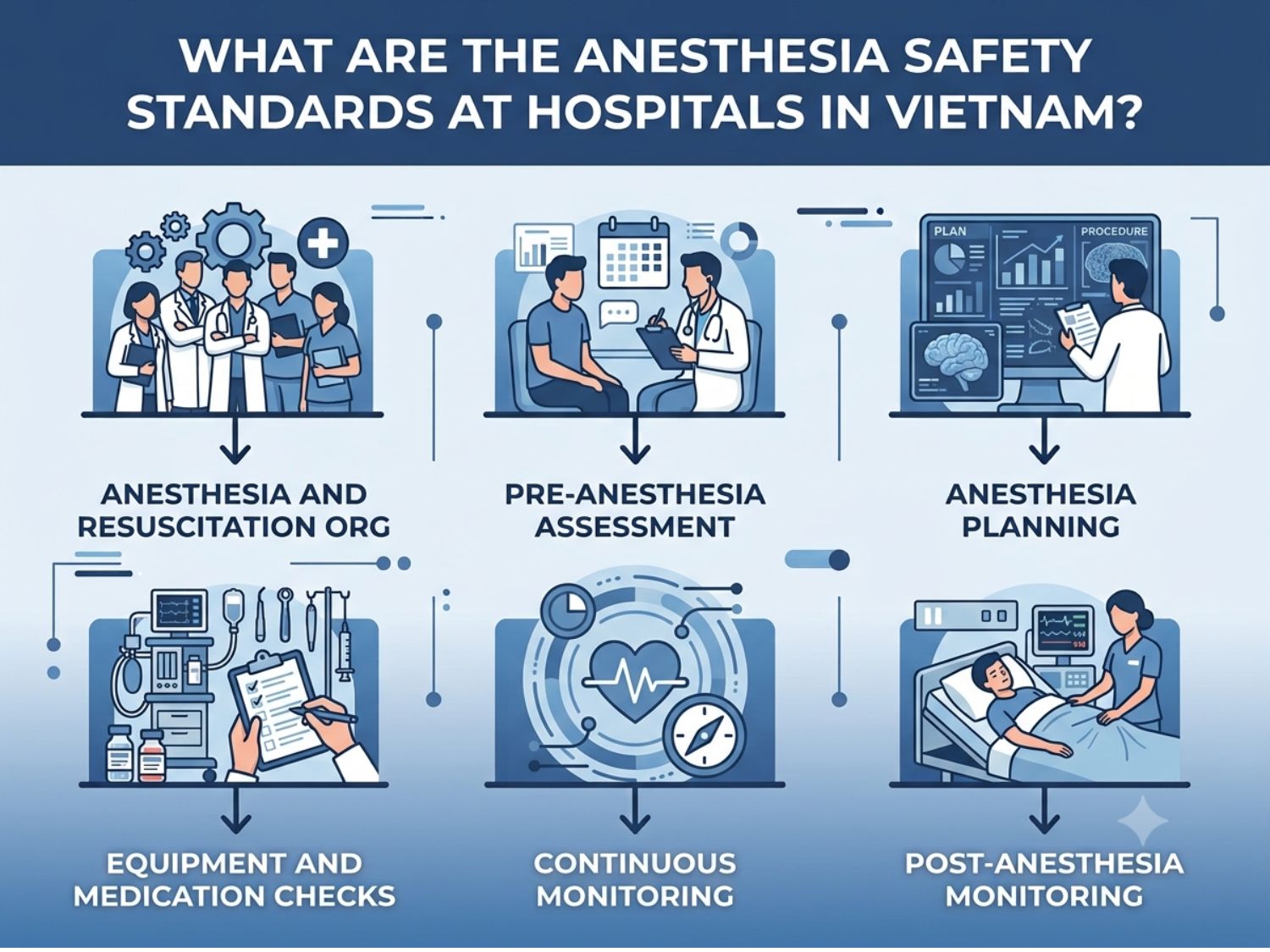
Anesthesia safety standards at Vietnamese hospitals include anesthesia and resuscitation services, qualified medical personnel, pre-anesthesia assessment, equipment and medication checks, intraoperative monitoring, recovery monitoring, and coordination with surgical safety protocols.
- Anesthesia and resuscitation organization and personnel: Hospitals should have an appropriate professional system for administering anesthesia, providing resuscitation, and managing complications that may arise during surgery. Personnel involved must receive appropriate training and be assigned duties within their professional scope.
- Pre-anesthesia assessment: Doctors should collect information about the patient’s medical history, current medications, allergies, previous anesthesia experiences, airway condition, and other relevant risk factors.
- Anesthesia planning: The anesthesia method should be selected based on the type of surgery, expected duration, overall health, and individual risk factors rather than applying the same approach to every patient.
- Equipment and medication checks: Before anesthesia begins, the anesthesia system, oxygen supply, airway equipment, anesthetic medications, and emergency equipment should be prepared and checked.
- Continuous monitoring during anesthesia: Anesthesiologists should monitor appropriate physiological parameters, identify abnormal changes early, and intervene when necessary.
- Post-anesthesia monitoring: Patients should be monitored during recovery, particularly for respiratory and circulatory status, level of consciousness, and other issues that may occur as the effects of anesthesia wear off.
According to Circular No. 13/2012/TT-BYT issued by the Ministry of Health, anesthesia and resuscitation services at healthcare facilities include pre-anesthesia assessment, anesthesia, recovery, and surgical resuscitation. The regulations also require anesthesiologists to receive specialized training, while each operating room must have an anesthesia system, monitoring equipment for parameters such as ECG, blood pressure, SpO₂, respiratory rate, and temperature, as well as appropriate respiratory and cardiovascular emergency equipment.
Circular No. 13/2012/TT-BYT – Government Portal of Vietnam
2. What role does pre-anesthesia assessment play in surgical safety?
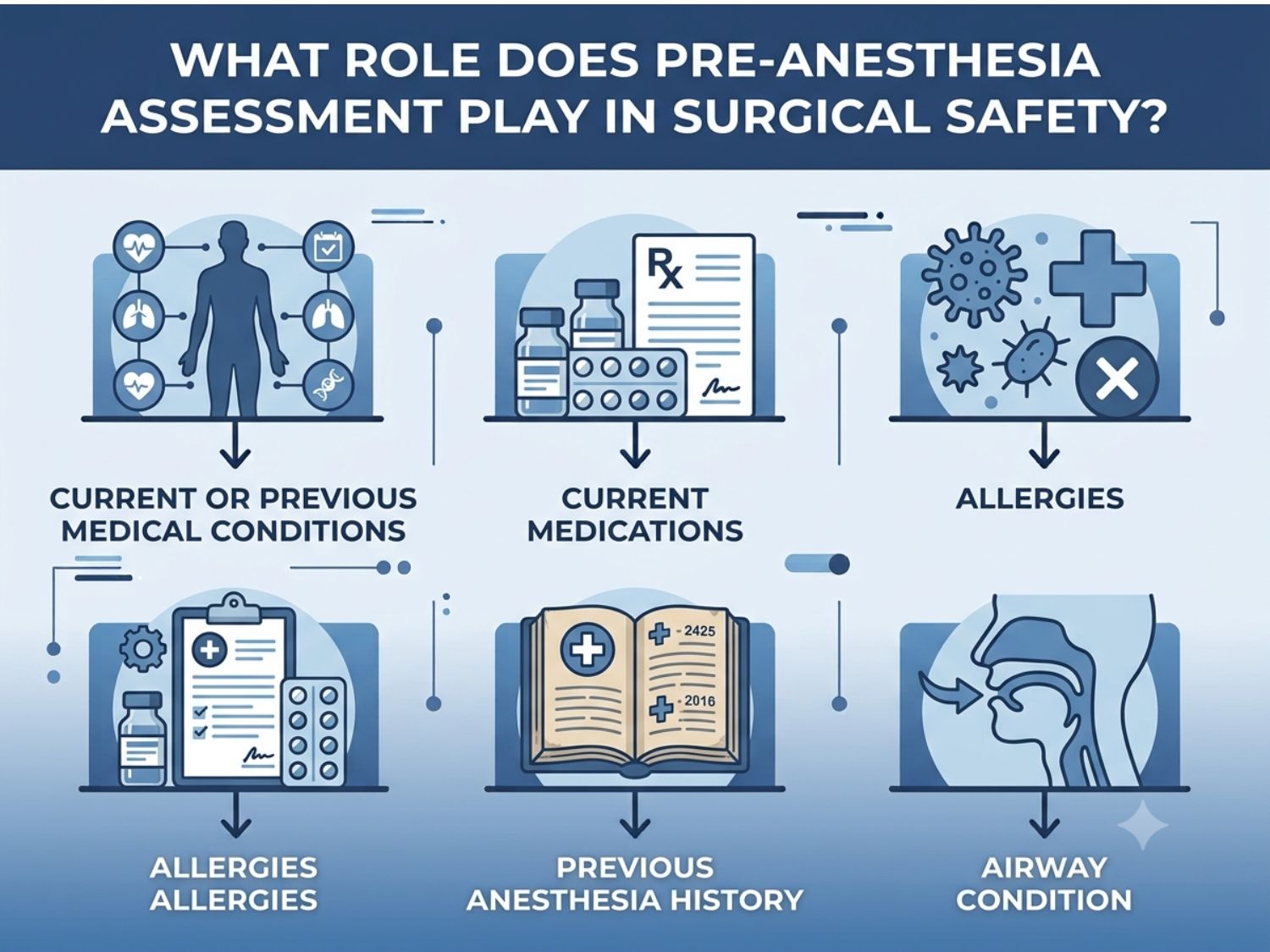
Pre-anesthesia assessment helps doctors determine the patient’s health status and identify risks associated with anesthesia and surgery. This allows the medical team to select an appropriate anesthesia method and prepare the necessary equipment and emergency response plan.
During the assessment, patients should provide complete information about:
- Current or previous medical conditions: Particularly cardiovascular, respiratory, liver, kidney, bleeding disorders, or other conditions that may affect anesthesia.
- Current medications: Certain medications can affect blood pressure, blood clotting, or interact with anesthetic drugs. Patients should therefore disclose all medications they are taking rather than withholding this information.
- Allergies: Patients should clearly report any medications or substances that have previously caused an abnormal reaction.
- Previous anesthesia history: If the patient has previously experienced difficult intubation, severe nausea, an unusual reaction, or another anesthesia-related event, this should be reported to the anesthesiologist.
- Airway condition: Certain anatomical or medical characteristics may make airway management more difficult. Identifying these risks in advance allows the medical team to prepare additional equipment and personnel if necessary.
3. What equipment should hospitals check before administering anesthesia?
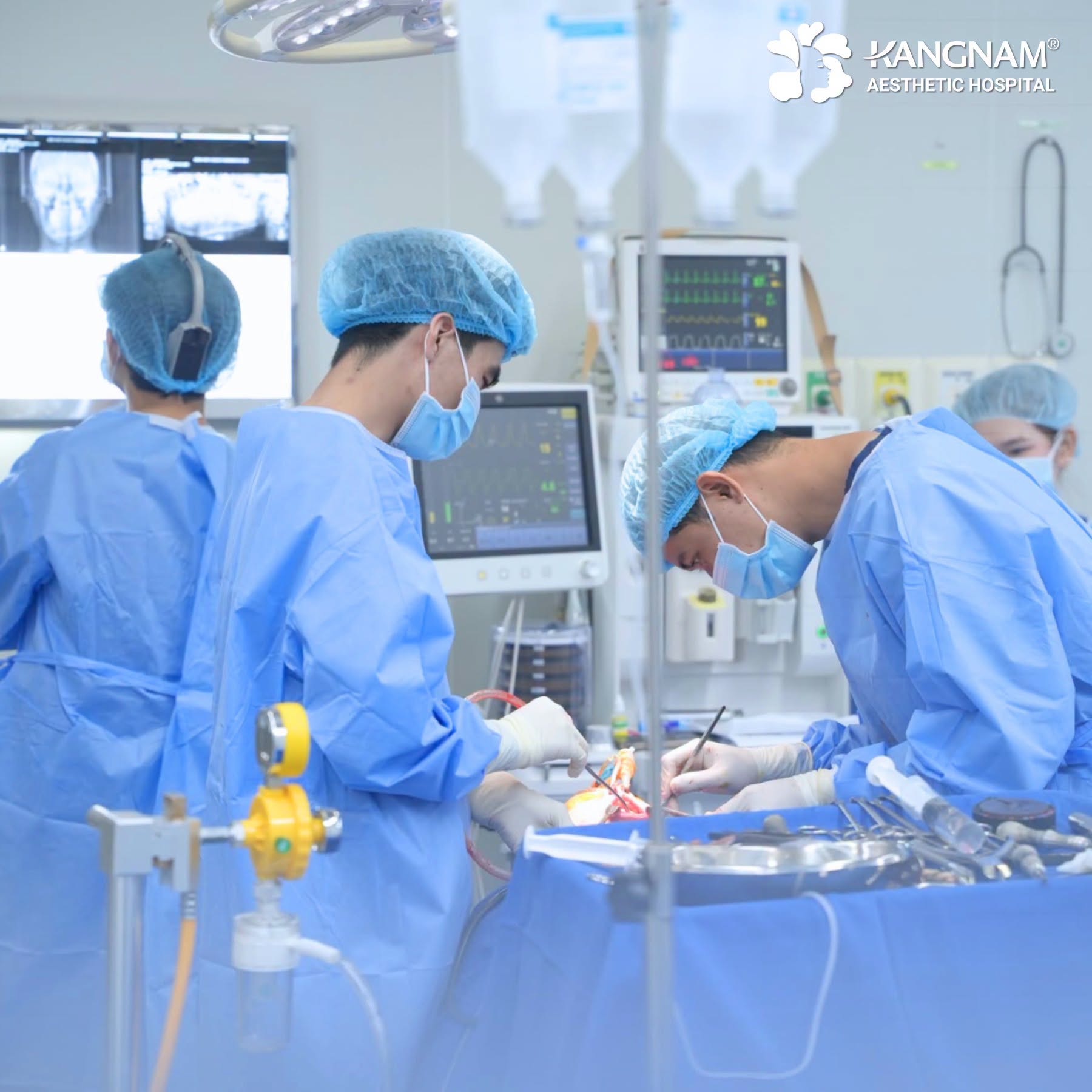
Before anesthesia begins, the medical team should check the anesthesia machine, oxygen supply, airway management equipment, vital-sign monitors, and resuscitation and emergency equipment to ensure that all systems are functioning properly and ready to respond to potential complications.
Key equipment includes:
- Anesthesia machine and breathing system: The anesthesia machine, breathing circuits, valves, CO₂ absorber, and ventilation functions should be checked.
- Oxygen and medical gas supply: The central oxygen supply or backup oxygen cylinders should be confirmed to be functional and sufficient for the duration of anesthesia.
- Airway management equipment: Masks, bag-valve devices, laryngoscopes, endotracheal tubes, and other necessary airway devices should be prepared.
- Vital-sign monitoring equipment: The ability to monitor electrocardiography (ECG), blood pressure, SpO₂, and respiratory rate should be checked. During general anesthesia, end-tidal CO₂ (EtCO₂) and other appropriate parameters are generally monitored as well.
- Suction equipment: The suction system should be functioning properly so that secretions, blood, or vomit can be managed when necessary.
- Resuscitation and emergency equipment: Defibrillators, cardiopulmonary resuscitation equipment, oxygen, and emergency instruments should be checked and immediately available if a critical event occurs.
4. How does the surgical safety checklist contribute to anesthesia safety?
The surgical safety checklist helps the surgical team verify critical information at three key points: before anesthesia, before skin incision, and before the patient leaves the operating room.
- Sign In: Performed before anesthesia. The team confirms the patient’s identity, surgical site and procedure, allergy status, airway risks, and other factors relevant to anesthesia.
- Time Out: Performed before skin incision. The entire team reconfirms the patient, surgical site, procedure, and important potential risks.
- Sign Out: Performed before the patient leaves the operating room to confirm essential postoperative information and ensure safe handover.
According to the World Health Organization (WHO), the Surgical Safety Checklist contains 19 items designed to reduce errors and adverse events while improving communication and coordination among members of the surgical team. The checklist includes critical checks before anesthesia, before skin incision, and before the patient leaves the operating room, including verification of anesthesia equipment, medications, monitoring equipment, and airway-related risks.
WHO – Surgical Safety Checklist and Surgical Safety Tools
5. Can patients independently assess whether a hospital provides safe anesthesia?
Patients cannot independently assess the full quality of anesthesia care simply by observing the facility. However, they can ask about the anesthesiologist, pre-anesthesia assessment, resuscitation facilities, intraoperative monitoring, and the emergency response plan.
Before deciding to undergo surgery, patients can ask specific questions such as:
- Who will administer the anesthesia and provide resuscitation care? Patients should know which doctor or specialist team will be responsible for anesthesia.
- Will I receive a pre-anesthesia assessment? Patients should have their health status and anesthesia-related risks assessed before entering the operating room.
- Which anesthesia method will be used and why? The explanation should be appropriate to the type of surgery and the individual patient’s health condition.
- Which parameters will be monitored during surgery? Patients can ask whether oxygen saturation, blood pressure, heart rate, and respiration will be monitored.
- Does the hospital have a recovery area and resuscitation system? These are important when postoperative monitoring or emergency intervention is required.
- How would the hospital respond if an anesthesia-related complication occurred? Patients should understand whether the facility has appropriate emergency equipment, resuscitation capabilities, and qualified personnel to manage potential complications.
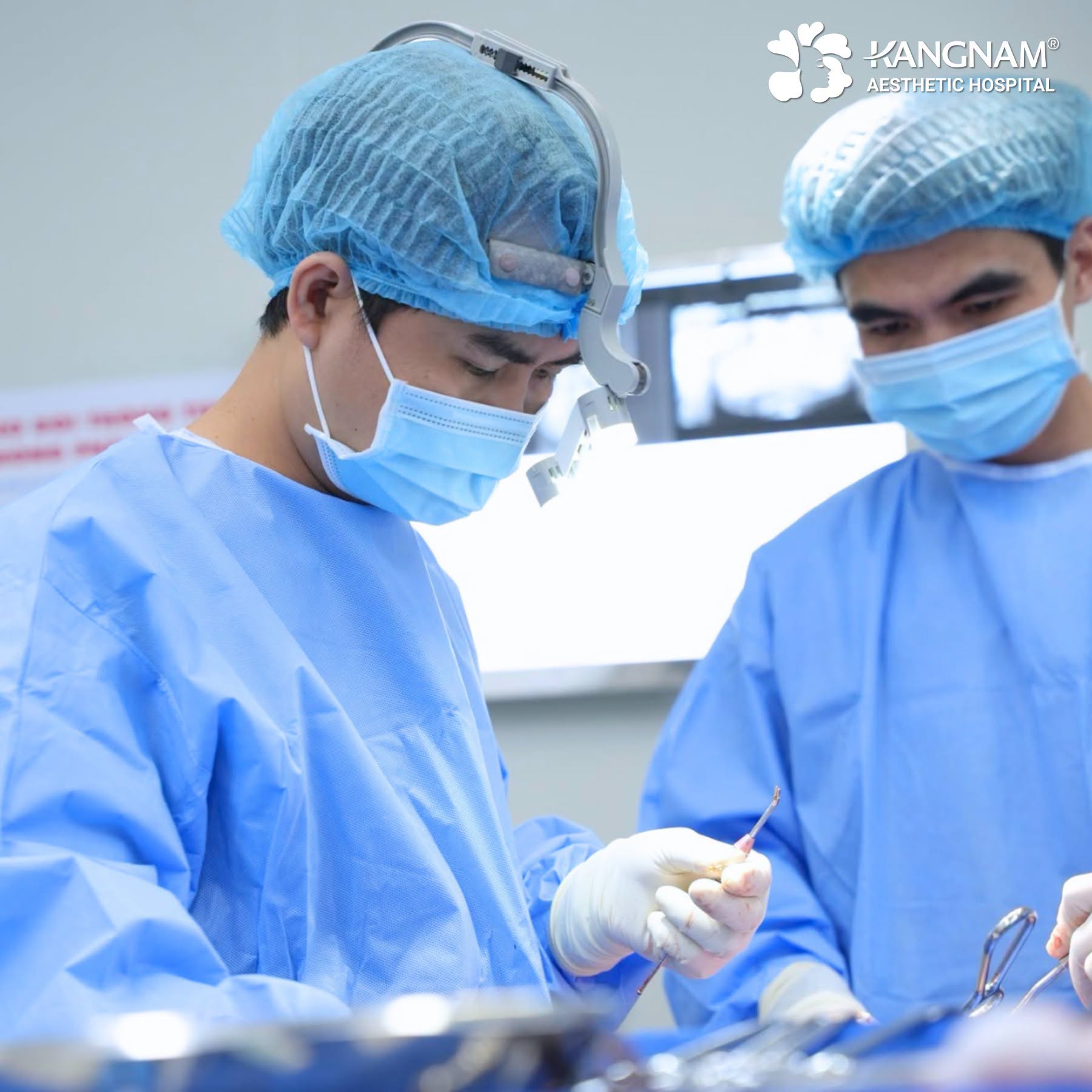
6. Frequently Asked Questions About Anesthesia Safety in Vietnam
Is general anesthesia safe?
General anesthesia is performed using various monitoring and safety measures, but no medical procedure can guarantee zero risk. The level of safety depends on the patient’s health condition, type of surgery, anesthesia method, medical personnel, equipment, and monitoring protocols.
Is a pre-anesthesia assessment required?
Pre-anesthesia assessment is an important part of the safety process because it helps identify risk factors and develop an appropriate anesthesia plan. Emergency procedures may follow different protocols from elective surgery.
What should patients ask about anesthesia safety before surgery?
Patients should ask who will be responsible for anesthesia, how their health will be assessed before surgery, which parameters will be monitored during the procedure, where they will be monitored after anesthesia, and what resuscitation and emergency measures are available if a complication occurs.
Top 5 Leading Aesthetic Plastic Surgeons in Vietnam
Top 3 most reputable plastic surgery clinics in Vietnam