Date posted: 27-07-2026 | Last updated : 28-07-2026
Post-operative care following breast augmentation is a critical stage that determines the softness, natural feel, and long-term durability of breast shape. For overseas Vietnamese clients, understanding proper care procedures is essential to ensure safe recovery during a short stay in Vietnam. Following doctor instructions and applying a scientific care routine will help maintain long-lasting aesthetic results while minimizing post-surgical complications.
Post-operative care after breast augmentation is an essential step to help reduce pain and swelling, prevent complications, and ensure the breasts settle into a natural shape. Specifically:
Promotes Fast Pain and Swelling Relief: After surgery, the chest area often experiences tightness or mild swelling. Proper care, combined with adequate rest and appropriate cold compression, reduces inflammation and shortens recovery time.
Prevents Complications: Properly cleaning suture sites and following doctor instructions limits the risk of infection, fluid accumulation (seroma), or capsular contracture formation around the implants.
Ensures Breasts Settle into Natural Shapes: Post-operative care helps implants stabilize into position while breast tissue becomes softer and more uniform. As a result, breast contours achieve balance, naturalness, and long-lasting aesthetic appeal.
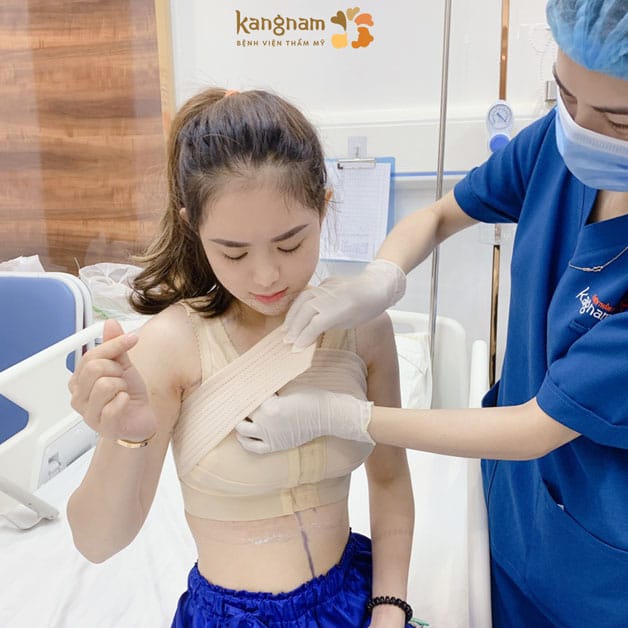
Suture care, appropriate rest and movement, wearing surgical compression bras, cold and warm compresses for swelling reduction, a healthy diet, and regular follow-up visits are crucial post-operative care steps that accelerate recovery. Below is a detailed guide:
Suture Care: Clean suture sites using saline solution or prescribed antiseptic solutions, then gently wipe dry with clean gauze to keep the skin area dry and ventilated. During the first 24 hours post-surgery, change dressings as directed, then perform periodic bandage changes according to your doctor’s appointment schedule to protect the wound. Additionally, avoid touching, scratching, or putting heavy pressure on the chest area to prevent bleeding or fluid accumulation.
Rest and Movement Guidelines: Complete rest is required during the first 5–10 days post-surgery; sleep on your back with elevated pillows to reduce swelling and pressure on the chest. During the first 4–6 weeks, avoid all strenuous activities such as swinging arms, lifting heavy objects, or playing sports to prevent impacting implant positions.
Wearing Surgical Compression Bras: Wear specialized shaping bras continuously 24/7 for the first 6–8 weeks, taking them off only during bathing or bandage changes. Using compression bras correctly immobilizes implants, minimizes displacement, and helps breast contours settle into soft, natural shapes quickly.
Cold and Warm Compresses: During the first 2 days, apply gentle cold compresses using ice packs wrapped in clean gauze to relieve swelling, pain, and tightness. Starting from day 4 onwards, switch to warm compresses to enhance blood circulation, helping bruises resolve faster and accelerating recovery. Note: Do not place hot or cold packs directly on bare skin to avoid thermal burns.
Nutritional Diet: In the initial period, avoid foods prone to causing keloids or irritation, such as water spinach, chicken, beef, seafood, and sticky rice. Drink 2–3 liters of water daily to cleanse the body and support swelling reduction. Supplement foods rich in protein, vitamins, fiber, and healthy fats from green vegetables, fruits, salmon, or whole grains to promote healing.
Regular Follow-Up Visits and Monitoring: Adhere to follow-up schedules made with your doctor to have sutures checked, stitches removed, and overall recovery monitored. If unusual signs appear, such as prolonged pain/swelling, discharge, fever, or breast shape distortion, contact your operating surgeon immediately for prompt evaluation and management.
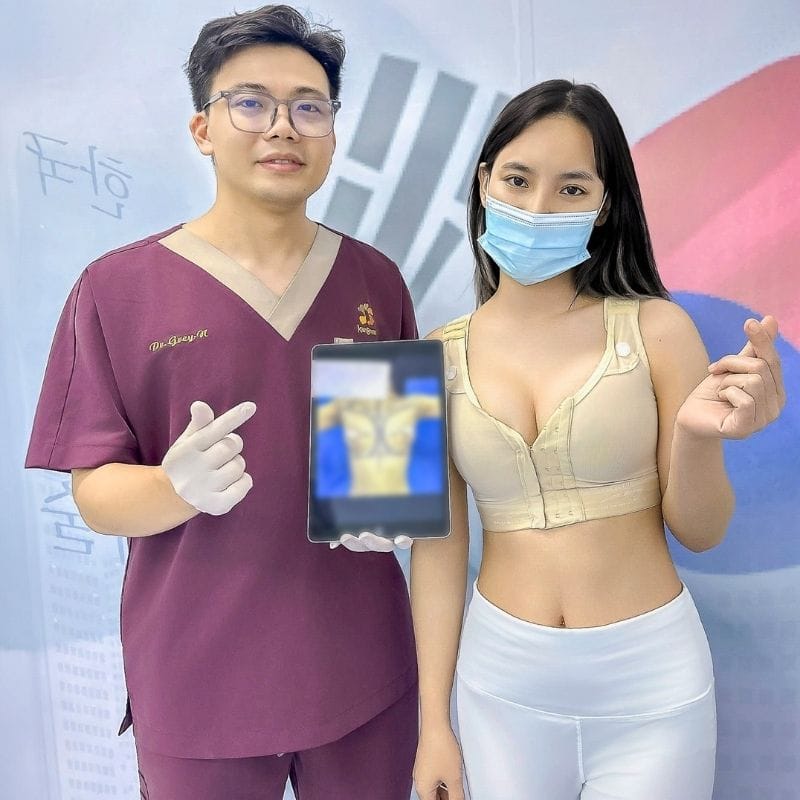
Removing compression bras too early, arbitrarily removing bandages, taking unprescribed medications, exercising prematurely, and skipping regular follow-up appointments are common mistakes many clients make during post-augmentation care.
Removing surgical compression bras too early while breasts have not stabilized makes breast tissue prone to shifting, leading to asymmetry or deformation.
Some clients have the habit of changing dressings on their own or taking pain relievers and anti-inflammatory drugs without medical prescription. This can increase infection risks, delay incision healing, and compromise aesthetic outcomes.
Resuming athletic workouts too early—especially movements involving arms and chest like weightlifting, swimming, or yoga—when breasts are unstable can tear tissue, displace implants, or cause internal bleeding. Clients should only engage in light exercise after receiving medical clearance.
Skipping scheduled follow-up visits can cause prolonged swelling, fluid accumulation, or capsular contracture to become more severe (if present).
Kangnam Aesthetic Hospital is recognized as one of the few aesthetic facilities in Vietnam offering 5-star standard post-operative care services, helping clients recover rapidly and comfortably after surgery.
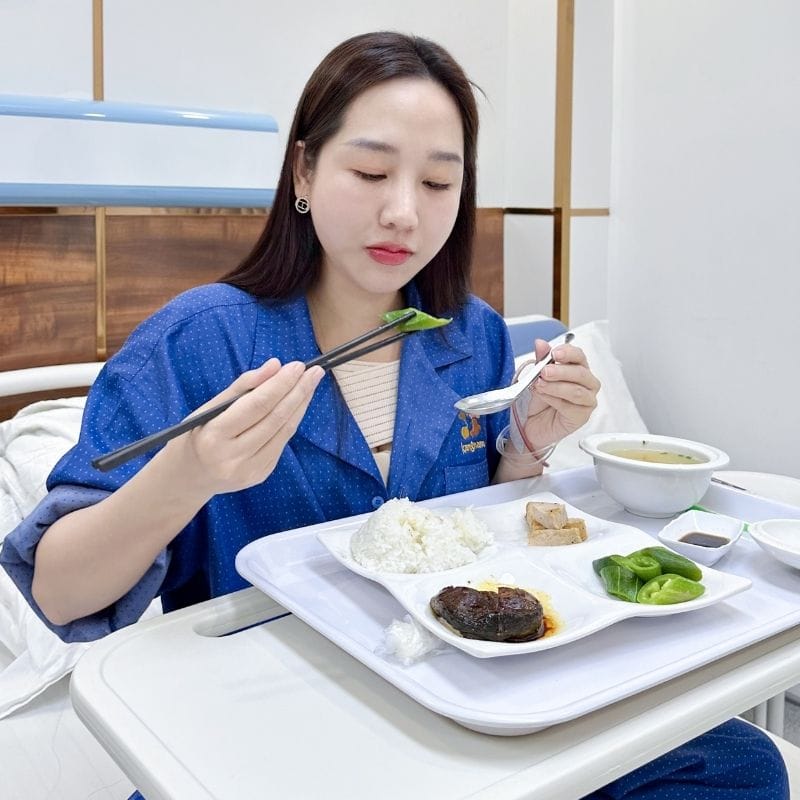
At Kangnam, every breast augmentation client is accommodated in a fully equipped recovery room. The hospital also designs specialized post-operative nutritional menus featuring soft, easy-to-digest, vitamin- and protein-rich meals to help the body heal quickly, reduce pain and swelling, minimize scars, and boost immune resistance.
In particular, a dedicated nursing team on duty 24/7 accompanies clients throughout their stay—assisting with bandage changes, monitoring suture lines, guiding light movements, and supporting personal hygiene care. Every task is carried out gently according to standard medical protocols, ensuring maximum safety and comfort during recovery.
For overseas Vietnamese clients, Kangnam provides specialized care packages featuring private dedicated nurses and online medical consultations with doctors even after returning abroad. As a result, clients can enjoy a complete, comfortable, and world-class beauty transformation journey with total peace of mind.
Areola Reduction Surgery: For Smaller, Balanced Areolas