Date posted: 27-07-2026 | Last updated : 18-11-2026
Whether getting pregnant is possible after breast augmentation is a common query among women both before and after undergoing cosmetic breast surgery. A clear understanding of the relationship between breast augmentation and pregnancy helps clients plan appropriate care schedules and ensure a safe journey to motherhood.
Following breast augmentation, women can completely become pregnant and breastfeed normally because the surgery only impacts the pocket where the implant is placed, without affecting milk glands or reproductive hormones. In particular, with advanced endoscopic submuscular breast augmentation techniques, mammary glands are preserved to the maximum extent, ensuring safety during pregnancy and child-rearing.
However, surgeons recommend waiting at least 6 to 12 months post-augmentation before becoming pregnant to allow breast tissue and implants to fully stabilize. Becoming pregnant too early—while suture lines have not healed or implants have not adapted—can lead to capsular contracture, infection, or breast shape distortion caused by hormonal fluctuations and mammary gland expansion.

Breast augmentation does not affect breastfeeding because implants are placed beneath the milk glands and do not damage milk ducts. However, highly invasive surgical procedures or improper techniques performed by inexperienced doctors may reduce milk supply. Therefore, clients should discuss techniques and safe timelines with their surgeon prior to undergoing breast augmentation.
Additionally, selecting modern endoscopic breast augmentation methods plays a crucial role in minimizing impacts on glandular tissue and nerves surrounding the areola. This technique allows surgeons to clearly view internal anatomical structures and place implants accurately underneath the muscle layer, reducing risks to milk glands. After childbirth, clients can still nurse their children with breast milk normally provided they follow recovery and care guidelines correctly.
Getting pregnant too early after breast augmentation can increase the risk of surgical complications—such as infection, bleeding, capsular contracture—and compromise overall aesthetic outcomes due to structural breast changes during pregnancy.

After breast augmentation, women should wait at least 6 months to 1 year before becoming pregnant to allow the body and implants to heal completely. During pregnancy, follow doctor instructions regarding breast care, nutrition, and exercise, while attending regular check-ups to safeguard the health of both mother and baby.
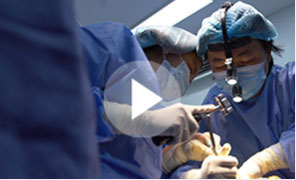
At Kangnam Aesthetic Hospital, clients can feel completely confident about their ability to become pregnant and breastfeed after breast augmentation thanks to the application of endoscopic submuscular implant placement techniques. The surgical procedure is conducted in sterile operating rooms with a specialized team of body contouring surgeons.

Following surgery, clients receive comprehensive care instructions, scheduled follow-ups, and 1-on-1 online consultation support even when residing abroad. With dedicated companionship from Kangnam, women can confidently possess naturally beautiful busts while fully experiencing the journey of motherhood.
Can you get pregnant after breast augmentation? Many women ask this before and after breast surgery. Understanding how breast augmentation relates to pregnancy helps you plan safe aftercare and childbirth.
After breast augmentation, women can get pregnant and breastfeed normally, because the surgery only affects the implant pocket and does not affect the milk glands or reproductive hormones. In particular, with endoscopic augmentation placing the implant under the muscle, the breast glands are preserved as much as possible, ensuring safety during pregnancy and breastfeeding.
However, doctors recommend waiting at least 6–12 months after breast augmentation before getting pregnant so the breast tissue and implants can fully settle. Getting pregnant too early, before the incisions have healed or the implants have settled, can cause capsular contracture, infection or changes in breast shape due to hormonal changes and milk gland expansion.
Women can get pregnant after breast augmentation
Breast augmentation does not affect breastfeeding, because the implant is placed beneath the milk glands and does not damage the milk ducts. However, highly invasive operations or incorrect technique can reduce milk supply, so you should discuss the technique and safe timing with your surgeon before surgery.
Choosing a modern endoscopic technique also plays an important role in minimising the impact on glandular tissue and the nerves around the areola. This technique lets the surgeon see the internal structures clearly and place the implant precisely under the muscle, reducing the risk of affecting the milk glands. After giving birth, you can breastfeed normally if you follow the recovery and care instructions.
Getting pregnant too soon after breast augmentation can increase the risk of surgical complications such as infection, bleeding and capsular contracture, and can affect the aesthetic result because of breast changes during pregnancy.
Asymmetrical breasts
After breast augmentation, women should wait at least 6 months to 1 year before getting pregnant so the body and implants can fully recover. During pregnancy, follow your doctor’s advice on breast care, diet and exercise, and attend regular check-ups to protect the health of both mother and baby.
At Kangnam Aesthetic Hospital, clients can feel confident about pregnancy and breastfeeding after breast augmentation thanks to the endoscopic under-the-muscle implant technique. Surgery is performed in a sterile operating room by a team of doctors specialising in body contouring.

Safe surgical procedure
After surgery, clients receive detailed aftercare instructions, regular follow-ups and online consultation support even if they live abroad. With Kangnam’s dedicated support, women can enjoy naturally beautiful breasts while fully preserving their ability to become mothers.
See more
When Can You Massage After Breast Augmentation? Safe Breast Massage Techniques
Top 3 Reputable Breast Augmentation Facilities in Vietnam