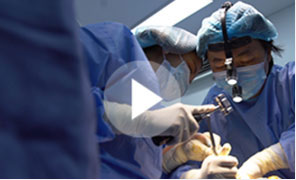
Complications after breast augmentation represent an unwanted scenario that can still occur if the procedure is performed at an unaccredited facility or if post-operative care is handled improperly. Post-augmentation complications not only impact aesthetics but also affect a client’s health and emotional well-being. A clear understanding of the causes, warning signs, and timely management options ensures safety and preserves an alluring bustline.
1. Are There Complications Associated with Breast Augmentation?
Breast augmentation surgery carries certain inherent risks due to bodily reactions or technical factors. Potential complications include infection, bleeding, seroma (fluid accumulation), capsular contracture, implant displacement or rupture, adverse scarring, and changes in nipple sensation.
Among these, capsular contracture is the most common issue, occurring when scar tissue tightens around the implant, making the breast feel firm and look distorted. However, with modern technology, high-quality implants, and highly skilled surgeons, complication risks are minimized to ensure safety and preserve long-term aesthetic outcomes.
2. Potential Complications After Breast Augmentation
Capsular contracture, bleeding, infection, implant deformation, implant rupture, altered nipple sensation, and poor scarring are complications that may occur due to improper surgical technique or the use of sub-standard breast implants.
- Capsular Contracture: This is the most common post-augmentation complication, occurring when scar tissue forms and tightens around the implant, causing the breast to become firm, distorted, or painful. Causes typically stem from natural bodily reactions to foreign material or prolonged low-grade inflammation.
- Bleeding: This complication usually appears early post-surgery when blood vessels are damaged and blood accumulates around the implant, causing swelling and pain. If not managed promptly, hematomas can delay recovery and compromise aesthetic outcomes.
- Infection: Bacteria entering the surgical site can cause swelling, redness, pain, and abnormal discharge. In severe cases, temporary implant removal may be necessary for thorough medical treatment.
- Implant Deformation (Rippling, Sagging): When implants are mispositioned or breast tissue is overly thin, the implant surface may exhibit rippling or unevenness. Additionally, oversized implants or inadequate tissue support can lead to premature breast sagging.
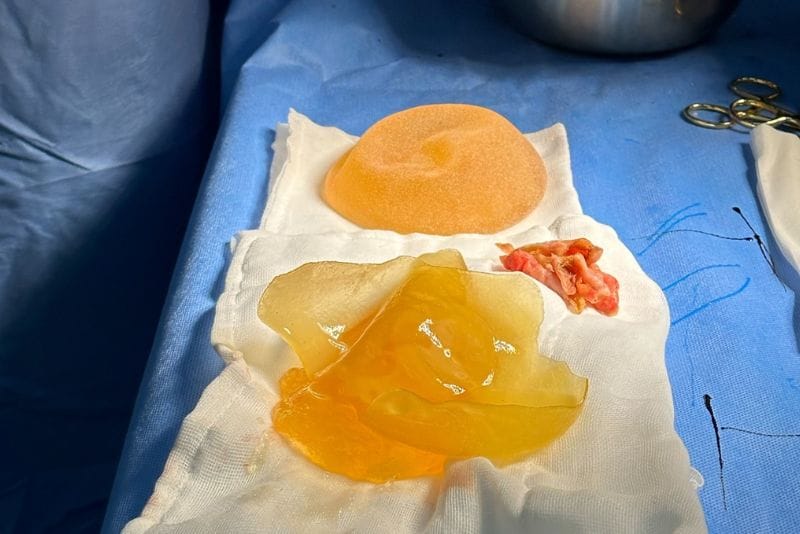
- Implant Rupture: Implants may rupture due to trauma, pressure, or material degradation over time. With cohesive gel implants (such as Motiva or Mentor), the gel typically remains contained, but replacement is required to avoid tissue inflammation.
- Altered Nipple Sensation: Some clients may experience numbness or heightened sensitivity in the nipple area post-surgery. This phenomenon is usually temporary and gradually resolves over several months.
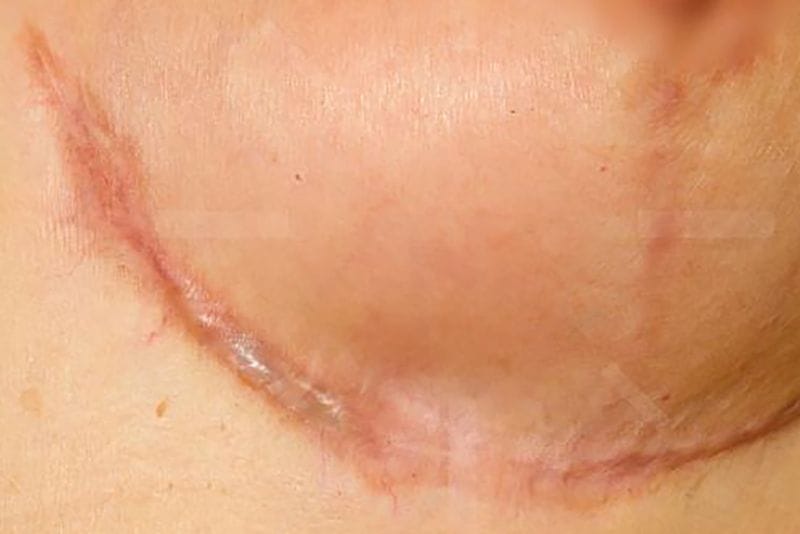
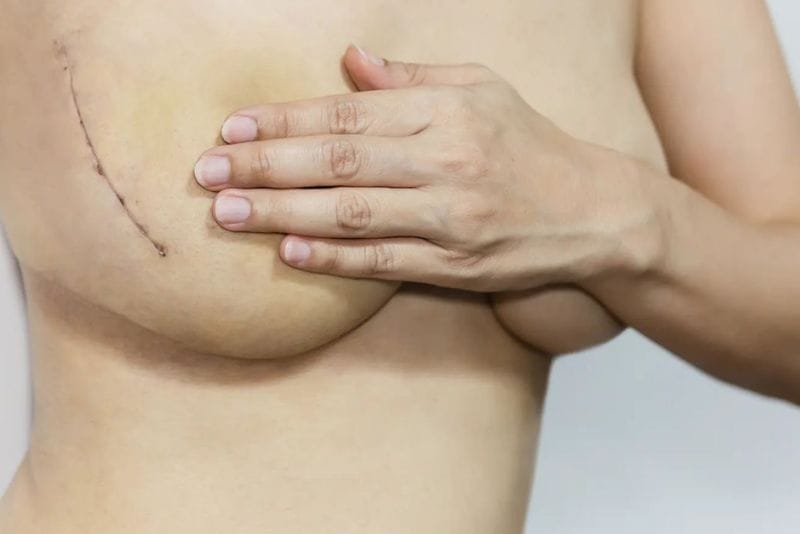
- Poor Scarring: In cases of keloid-prone constitutions or improper wound care, surgical sites may leave thick, hyperpigmented, or unsightly scars. Doctors may prescribe scar gels or laser therapy to improve skin appearance.
3. Warning Signs Requiring Immediate Medical Evaluation
Clients must seek immediate medical evaluation if they experience high fever, severe chest pain, shortness of breath, heavy or purulent suture discharge, spreading redness or burning sensations in the breast area, or implants that feel hard, displaced, misshapen, or abnormally rippled.
Unusual high fever following breast augmentation surgery
Severe chest pain that does not subside despite taking prescribed medication
Shortness of breath or feeling breathless
Heavy, purulent, or foul-smelling discharge from the incision site
Spreading redness, swelling, or burning warmth across the breast area
Implants feeling hard, misaligned, misshapen, or showing abnormal rippling
4. Causes of Post-Breast Augmentation Complications
Causes of post-augmentation complications include surgeon-related factors, implant selection, improper post-operative care, and individual physical constitutions.
- Surgeon-Related Factors: A surgeon’s skill and experience directly determine accurate implant positioning, minimal tissue trauma, and reduced complication risks. An inexperienced surgeon may cause implant misalignment, sagging, or capsular contracture. Choosing a seasoned specialist is critical to safety.
- Implant Selection: Quality, material, size, and shape of implants influence biological compatibility and long-term durability. Sub-standard or ill-fitted implants elevate risks of rupture, contracture, or shape distortion.
- Improper Post-Operative Care: Failing to adhere to guidelines regarding rest, shaping bra wear, incision hygiene, or nutritional restrictions increases risks of inflammation, infection, or poor scarring. Careful post-operative care enables rapid stabilization and minimizes complications.
- Individual Physical Constitution: Age, existing breast tissue condition, skin elasticity, health status, and personal constitution directly affect healing timelines. Individuals prone to keloids, slow healing, or thin breast tissue face higher risks of implant deformation or contracture.
5. Managing Complications After Breast Augmentation
When encountering post-augmentation complications, prompt and correct intervention determines recovery success and aesthetic outcome.
- Mild Cases: For minor issues like mild swelling, bruising, or early-stage capsular contracture, doctors may prescribe home monitoring combined with anti-inflammatory medication, antibiotics (if required), and targeted massage routines. This improves blood circulation, reduces swelling, and helps implants stabilize without surgical intervention.
- Severe Cases: For serious complications such as severe infection, significant implant displacement, rupture, or high-grade capsular contracture, surgical intervention is required to remove the old implant, treat surrounding tissue, and insert a new implant if appropriate. Timely surgery prevents long-term tissue damage and preserves aesthetic integrity.
In all instances, clients should visit reputable aesthetic hospitals with experienced specialists for safe evaluation and treatment. Attempting self-treatment at home or choosing unaccredited facilities can worsen complications and ruin surgical results.
6. Safe Breast Augmentation Facilities: Saying NO to Complications
Kangnam Aesthetic Hospital is highly rated by numerous overseas Vietnamese clients as a trusted choice for breast augmentation in Vietnam. Kangnam earns strong client confidence by featuring a medical team with over 15 years of experience in body contouring alongside minimally invasive endoscopic surgical techniques. Every procedure is executed with precision by specialist doctors in sterile operating rooms, minimizing complication risks like capsular contracture, displacement, or infection.
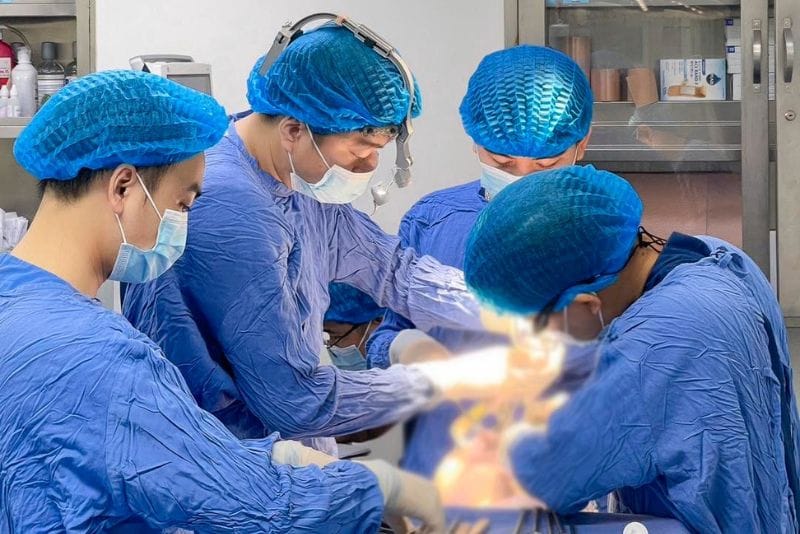
The hospital utilizes 6D endoscopic breast augmentation technology paired with the modern Keller Funnel, guiding implants into pockets without direct hand-to-tissue contact, reducing friction and tissue trauma. All breast implants used at Kangnam are genuine products imported from top-tier brands like Motiva and Mentor, complete with safety certifications.
Furthermore, Kangnam emphasizes comprehensive post-operative care for overseas Vietnamese clients. Clients receive clear instructions regarding suture hygiene, shaping bra usage, and scientific nutrition to help breasts become soft and stable quickly. Overseas clients also enjoy exclusive privileges: pre- and post-surgery online consultations, airport pickup services, and 1-on-1 post-operative care, ensuring close recovery tracking even after returning abroad.
7. How to Prevent Complications After Breast Augmentation
Choose a reputable aesthetic facility, use high-quality implants, adhere to standardized surgical techniques, maintain proper post-operative care, and attend regular follow-up visits to minimize complications.
- Choose a Reputable Aesthetic Facility: Select a hospital with highly experienced surgeons specializing in breast augmentation who understand breast anatomy and ideal placement techniques. This minimizes surgical errors and complication risks.
- Use High-Quality Implants: Select genuine imported implants from trusted brands like Motiva or Mentor with safety certifications. High-quality implants reduce risks of rupture, contracture, and implant-related issues.
- Adhere to Standard Surgical Techniques: Surgeons must execute precise incisions, handle tissue gently, minimize trauma, and use endoscopic tech paired with Keller Funnels for accurate placement.
- Maintain Proper Post-Operative Care: Keep surgical incisions clean, wear prescribed shaping bras, rest appropriately, refrain from strenuous activity, perform massages, and follow scientific dietary guidelines.
- Attend Regular Follow-up Visits: Re-visit doctors as scheduled to detect abnormalities early and intervene promptly if signs of complications emerge.
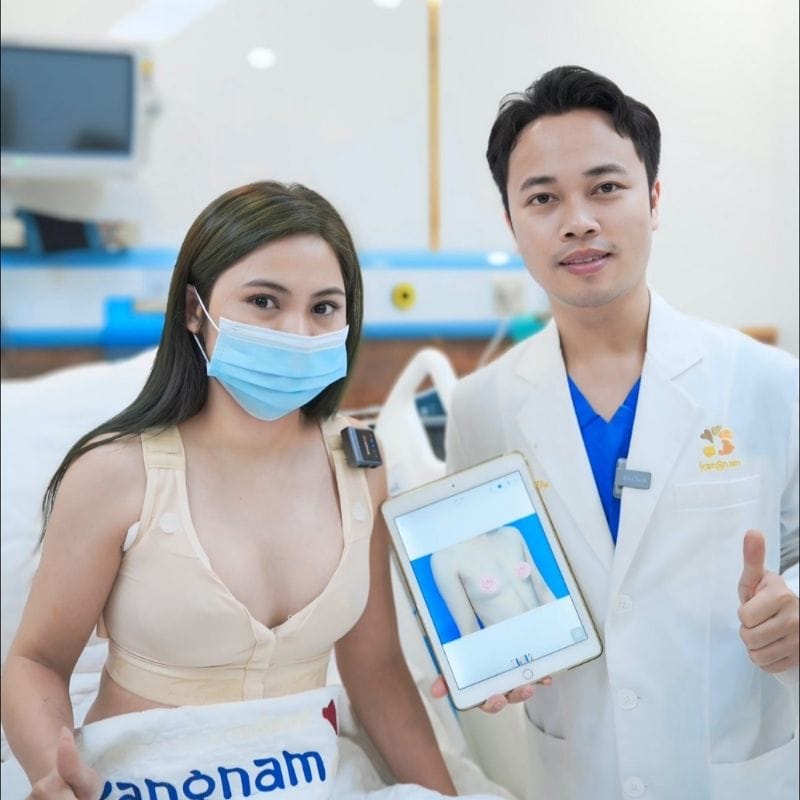
Breast augmentation is an aesthetic procedure that brings beauty and confidence; however, it carries inherent complication risks if not performed properly. Therefore, clients must select reputable facilities, experienced doctors, quality implants, and adhere strictly to scientific post-operative care to ensure safety and long-lasting, beautiful outcomes.
Areola Reduction Surgery: For Smaller, Balanced Areolas
Body Contouring Solutions to Restore Your Figure
How Long After Breast Augmentation Do Breasts Look Natural?