Date posted: 16-11-2026 | Last updated : 18-11-2026
Breast augmentation in Vietnam costs approximately VND 60,000,000–150,000,000 ($2,331 – $5,829) for the implant-based packages listed below, depending on the implant model, surgical technique, and individual breast anatomy. Options include Nano, Nano Chip, Mentor Extra, PERLE, and SmoothSilk Pro packages, but implant quality and a higher price alone do not guarantee better results.
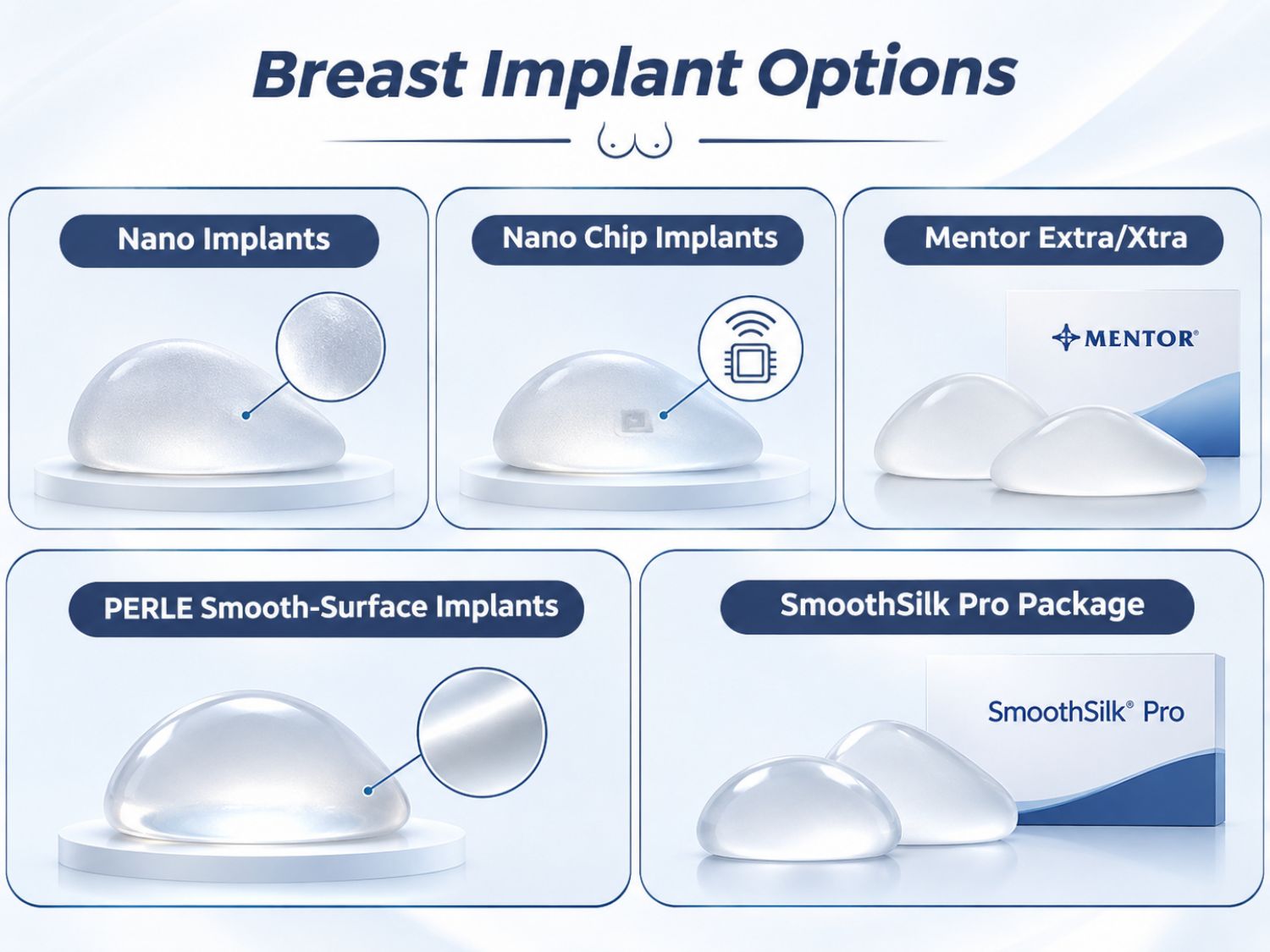
Implant options: Nano, Nano Chip, Mentor Extra, PERLE, and SmoothSilk Pro are among the advertised options; exact manufacturers and models should be verified.
Safety: Breast augmentation should be performed by a qualified surgeon in a facility authorized to carry out the procedure, with appropriate anesthesia and emergency support.
Breast augmentation prices in Vietnam vary according to the implant type, surgical complexity, and procedures included in the treatment package. The following Kangnam pricing schedule covers implant-based augmentation, breast lifts, and breast reshaping procedures.
| edure | Main purpose | Price (VND) | Estimated Price (USD) |
|---|---|---|---|
| 4D Breast Augmentation (Nano) | Breast enlargement with Nano implants | 60,000,000 | $2,331 |
| Breast Lift + Areola Reduction | Lifts sagging breasts and reduces areola size | 70,000,000 | $2,720 |
| 6D No-Touch Breast Augmentation (Nano Chip) | Implant augmentation using a minimal-handling insertion approach | 79,000,000 | $3,070 |
| Smooth Tissue-Enhanced Breast Augmentation | Augmentation with an enhanced soft-tissue support approach; technique to be confirmed | 88,000,000 | $3,419 |
| Breast Reshaping Package (Reduction + Lift + Areola Reduction) | Reduces breast size and reshapes sagging breasts | 95,000,000 | $3,691 |
| Breast Lift + Areola Reduction + 4D Augmentation | Restores breast position and adds volume | 98,000,000 | $3,808 |
| 6D VIP Augmentation (Flexible Nano Chip / Mentor Extra) | Advanced implant selection for fuller breast volume | 105,000,000 | $4,080 |
| PERLE Smooth Breast Augmentation | Augmentation using PERLE smooth-surface implants | 120,000,000 | $4,663 |
| 6D SmoothSilk Pro Breast Augmentation | Premium implant-based augmentation package | 150,000,000 | $5,829 |
Important pricing notes:
Breast augmentation in Vietnam commonly uses silicone gel implants, with differences in surface design, gel consistency, shape, and projection. The specific implant should be selected according to breast anatomy and the patient’s desired appearance, rather than package names alone.
The listed treatment options include:
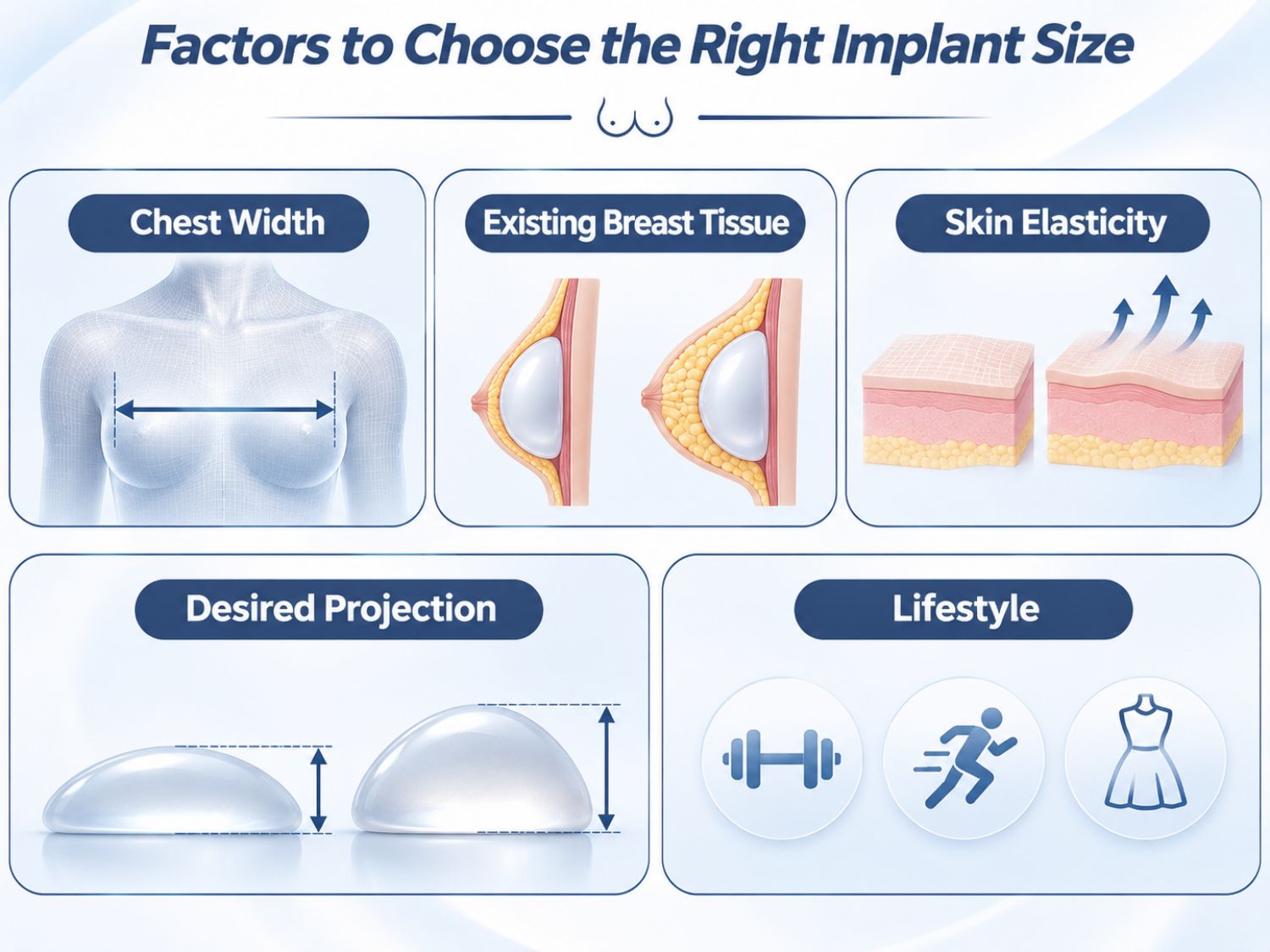
A natural-looking breast augmentation depends primarily on implant dimensions, existing breast tissue, skin elasticity, and chest proportions. Choosing the most expensive implant or the largest available size does not necessarily produce the most attractive or comfortable outcome.
The surgeon should assess several factors:
For example, a slim woman with a narrow chest may achieve a balanced result with a moderate-sized implant that has appropriate projection. Choosing a much larger implant may increase tissue stretching or make the edges more noticeable.
In contrast, a woman who has lost breast fullness after pregnancy may benefit from implants that restore upper-breast volume without creating excessive tension on the skin.
The best implant is the one that fits the patient’s anatomy and aesthetic goals while respecting tissue limitations.
Breast augmentation in Vietnam can be performed with appropriate medical safeguards when the procedure takes place at an authorized surgical facility under a suitably qualified medical team. However, safety depends on the actual surgeon, facility, clinical protocols, and postoperative care—not the country or the advertised technology alone.
International patients should verify the following before booking:

Breast augmentation is a major surgical procedure and carries risks including infection, bleeding, implant-related complications, and adverse reactions to anesthesia. These risks cannot be completely eliminated, even when surgery is performed by an experienced medical team.
Important complications include:
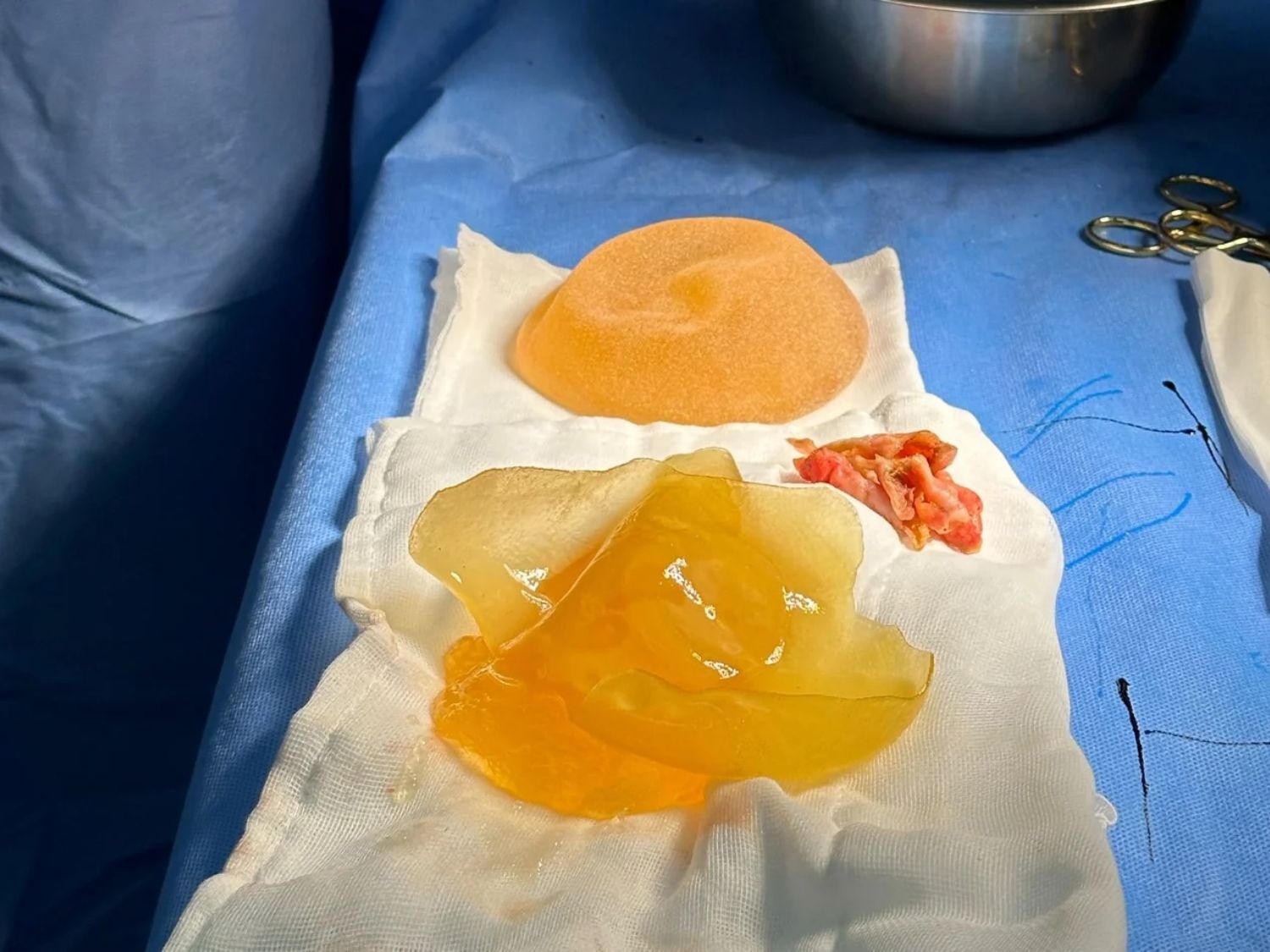
International medical reference: The U.S. Food and Drug Administration (FDA) explains that breast implants are not lifetime devices and that complications may require further surgery. Its guidance also describes rupture, capsular contracture, changes in sensation, and rare implant-associated cancers, emphasizing the importance of informed consent and long-term monitoring.
Source: U.S. FDA – Risks and Complications of Breast Implants
Most patients need several weeks for early recovery, although swelling, breast position, and softness may continue improving for several months. Recovery varies according to implant placement, the extent of surgery, general health, and individual healing.
A typical recovery pattern is:
| Recovery period | What to expect |
| First 24–72 hours | Tightness, soreness, swelling, and limited arm movement; close monitoring and rest are important |
| Days 4–7 | Discomfort often begins to improve; gentle everyday movement usually becomes easier |
| Weeks 2–3 | Many patients can resume light, non-strenuous daily activities with their surgeon’s approval |
| Weeks 4–6 | Some normal activities and exercise may gradually resume after medical review |
| Months 2–3 | Swelling continues decreasing, and the breasts gradually settle |
| Months 3–6 | Breast contour and softness become more stable, although healing and scar maturation can continue beyond this period |
These timeframes are general guidance rather than guaranteed milestones.
Breast augmentation combined with a lift or reduction may require additional healing time because more tissue is reshaped and there are more surgical incisions.
Patients should wear a recommended support bra, avoid lifting heavy objects during early recovery, and follow their surgeon’s individualized instructions.
International patients should allow enough time for initial recovery, postoperative examinations, and medical clearance before flying home. Returning immediately after breast augmentation is not advisable because early complications can develop after surgery.
As a practical planning buffer, consider allowing approximately 10–14 days in Vietnam, with extra time for combined or more complex procedures. This is not a universal medical clearance standard; some patients need longer.
Before arranging a return flight, consider:

For Emily, traveling from Australia to Vietnam solely for a short holiday and scheduling surgery immediately before departure would create unnecessary difficulties.
A safer approach is to arrange an online consultation first, complete an in-person medical assessment after arriving, and reserve sufficient time for recovery and medical clearance before returning home.
Kangnam Aesthetic Hospital offers several breast augmentation options, from 4D Nano and 6D Nano Chip packages to premium implant selections and combined breast reshaping procedures. International patients can contact Kangnam to arrange a surgical consultation, compare implant models, review the applicable treatment costs, and discuss the proposed surgical plan and postoperative care before making a decision.
Some internationally marketed implant brands are also available in Vietnam, but the exact models and regulatory authorizations may differ between countries. Patients should verify the manufacturer, model number, and applicable medical-device registration instead of assuming every implant has identical approval worldwide.
Breast implants do not automatically require replacement after 10 years, but they are not lifetime devices. Replacement may be necessary because of rupture, capsular contracture, changes in breast appearance, or other complications, and silicone implants require appropriate long-term monitoring.
Many women can breastfeed after breast augmentation, but milk production and nipple sensation may be affected by the surgical approach and individual anatomy. Patients planning future pregnancies should discuss incision placement, tissue preservation, and possible breastfeeding limitations with their surgeon.
Breast augmentation requires an incision and therefore leaves a permanent scar, although scars often become less noticeable over time. Their location and appearance depend on the surgical technique, skin characteristics, wound healing, and whether additional procedures such as a breast lift are performed.
Contact your original surgical team and seek assessment from a qualified local doctor if you develop unusual pain, swelling, firmness, or changes in breast shape. Before leaving Vietnam, obtain your complete medical records and confirm the hospital’s follow-up arrangements; serious symptoms such as breathing difficulties or rapidly worsening swelling require immediate medical care.