Date posted: 21-07-2026 | Last updated : 27-07-2026
Double-eyelid suture surgery is a popular aesthetic procedure for creating a clearer, more balanced, and natural-looking eyelid crease.
However, many patients still wonder whether the procedure is painful, what the eyelids feel like afterward, and how long recovery takes. The following article explains the expected experience, particularly for patients considering treatment at Kangnam Aesthetic Hospital.
Double-eyelid suture surgery is generally performed under local anaesthesia, so patients should not feel significant pain during the procedure.
They may still experience:
Therefore, the procedure should not be described as completely painless. Most discomfort is usually brief and manageable.
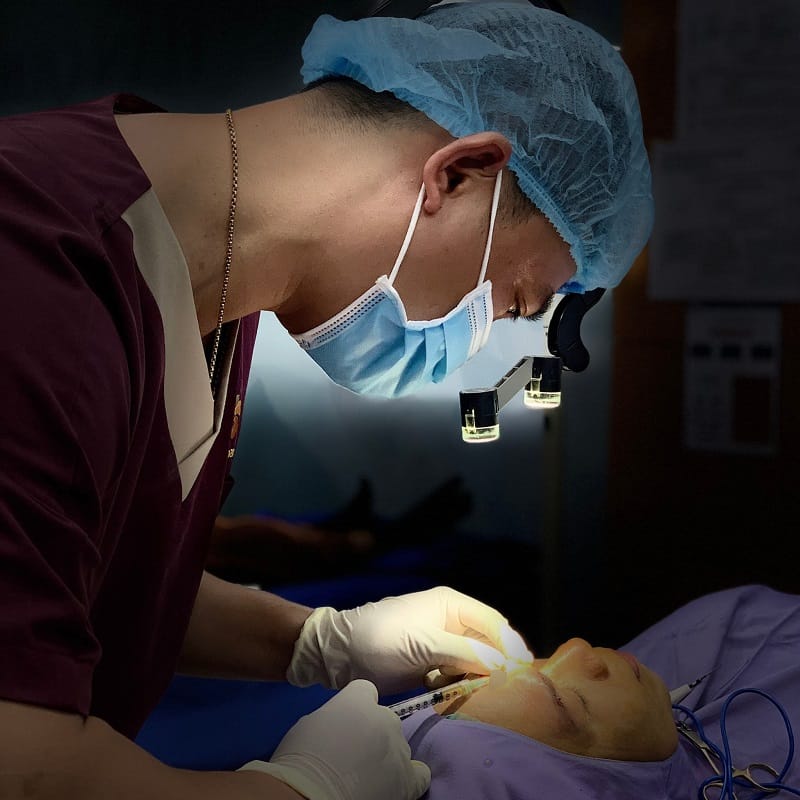
Local anaesthesia helps control pain during double-eyelid suture surgery.
The doctor injects local anaesthetic into the eyelid area to reduce pain.
The injection may cause:
Once the anaesthetic takes effect, the eyelids should feel numb.
The surgeon creates the eyelid crease by placing fine sutures through selected eyelid tissues.
Patients may notice:
They should inform the doctor immediately if they feel significant pain so that additional anaesthetic can be considered.
When the anaesthetic wears off, the eyelids may feel:
These symptoms commonly improve over several days.
Mild to moderate swelling may be most noticeable during the first one to three days.
Bruising may also occur, depending on:
The doctor may prescribe:
Patients should use medication only as prescribed and should not take additional products without medical approval.
Recovery generally progresses through several stages, although the timeline varies between patients.
During the first several days, patients may experience:
These symptoms are commonly most noticeable after the anaesthetic wears off.
Cold compresses may be recommended to help control swelling. They should be wrapped in a clean cloth and applied gently without pressing on the eyelids.
Swelling and bruising usually begin to decrease during this stage.
The puncture sites heal, and the eyelid crease gradually becomes clearer.
Mild itching may occur as the skin heals, but patients should not:
The original content states that swelling and bruising disappear completely within 4–14 days. In practice, many patients improve substantially during this period, but mild puffiness or asymmetry may remain.
The eyelid crease usually becomes softer, more natural, and more balanced over the following one to two months.
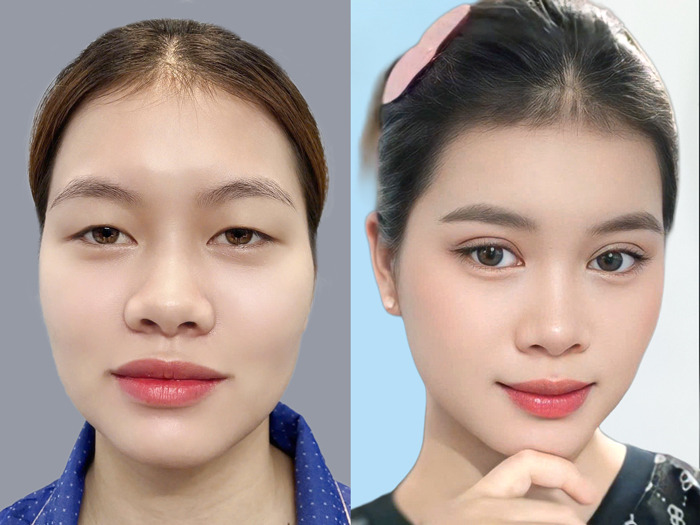
The eyelid crease generally appears more stable and natural after several weeks.
Some patients may notice continued subtle changes for several months.
Patients can review the broader recovery timeline in How Long Does It Take for Eyelid Surgery to Look Natural?.
The experience after double-eyelid suture surgery varies according to several factors.
An experienced doctor can place the fixation points accurately while limiting unnecessary tissue trauma.
Precise technique may help reduce:
However, no doctor can guarantee a completely painless procedure or immediate recovery.
Each person has a different:
Some patients may feel comfortable after several days, while others require more time.
A technique involving more fixation points may create a more defined crease but can also cause more temporary swelling or tenderness.
The doctor should select the method according to the patient’s eyelid anatomy rather than automatically using the greatest number of sutures.
Recovery may differ in people with:
Patients with substantial excess skin, fat, or true ptosis may not be suitable for suture-only treatment and may require incisional eyelid surgery.
Kangnam Aesthetic Hospital provides several eyelid treatments designed according to each patient’s anatomy and aesthetic goals.
Kangnam applies multipoint suture techniques to suitable patients who want a clearer eyelid crease without a long incision.
Potential benefits may include:
The original claim that the procedure causes no swelling is not medically accurate. Swelling and bruising can still occur, although they may be less significant than after incisional surgery.
Kangnam states that its eyelid procedures are performed by doctors with extensive experience in eye aesthetics.
Before treatment, the doctor should evaluate:
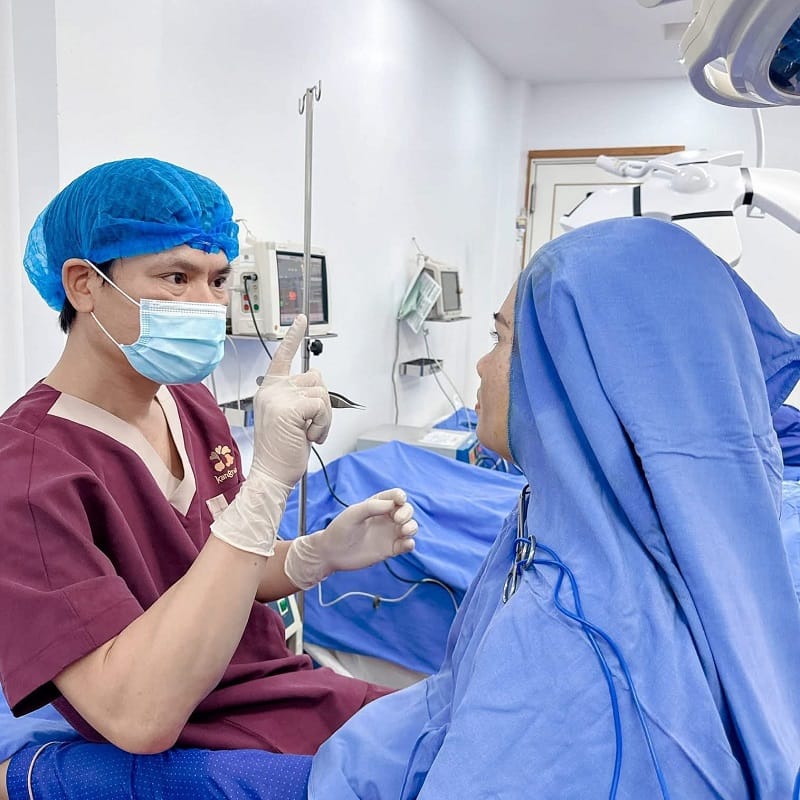
Double-eyelid suture surgery at Kangnam is performed by doctors experienced in eyelid aesthetics.
Experience may reduce avoidable risks, but it cannot guarantee absolute safety or a perfect result.
The treatment process may include:
The hospital states that its procedures follow applicable Ministry of Health requirements.
No medical process can guarantee complete freedom from infection, pain, swelling, or complications.
Kangnam may provide:
Patients should confirm the actual communication channels and support hours included in their package.
Kangnam provides consultation and scheduling support for overseas Vietnamese patients who have limited time in Vietnam.
Patients may submit clear photographs and speak with a doctor before travelling.
The preliminary consultation may cover:
An online consultation cannot replace the in-person examination required before treatment.
Kangnam may coordinate:
Patients should allow sufficient time in Vietnam for the doctor to assess early healing before they return overseas.
Patients who cannot remain in Vietnam for an extended period may receive remote guidance after returning home.
This may include:
Remote care cannot replace an in-person medical examination if complications are suspected.
Kangnam may offer follow-up or warranty policies for selected eyelid procedures.
Patients should request written details regarding:
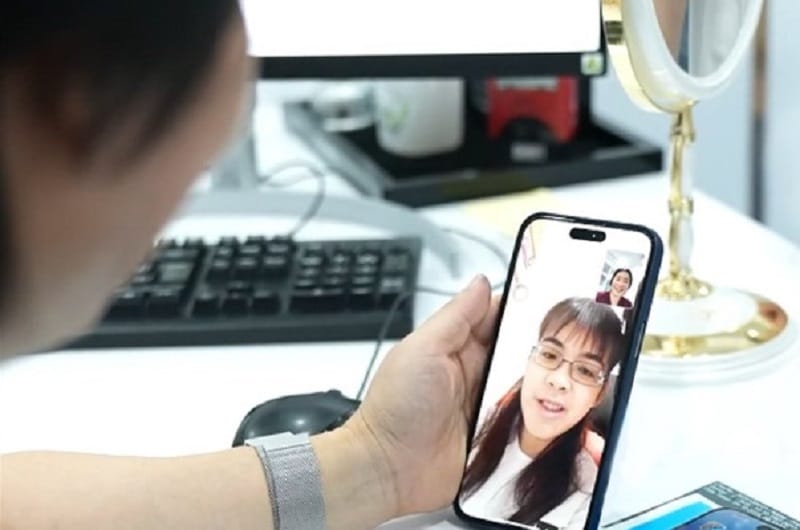
A preliminary online consultation may help overseas Vietnamese patients plan treatment before returning to Vietnam.
Patients should contact the medical team promptly if they develop:
Sudden visual changes or severe eye pain require urgent medical assessment.
Double-eyelid suture surgery is generally not severely painful because local anaesthesia is used during the procedure.
Patients may feel brief stinging during the anaesthetic injection, followed by pressure or tightness during suture placement. Mild aching, swelling, and bruising may occur during the first several days.
Most patients improve noticeably within one to two weeks, while the eyelid crease may require one to two months or longer to settle fully.
Choosing a qualified doctor, following postoperative instructions, and attending scheduled follow-up appointments help support a safer recovery and a more natural result.
When Can You Wear Makeup After Double-Eyelid Suture Surgery?