Date posted: 17-07-2026 | Last updated : 17-07-2026
A crooked nose after rhinoplasty can be manually adjusted; however, the effectiveness depends on the cause and the severity of the deviation. If detected early within the first 1–2 weeks post-surgery when the nasal tissues and cartilage are still soft, a doctor can perform a manual alignment combined with fixation bandaging to bring the nose back to a balanced position.
Feasibility of Aligning a Crooked Nose: A deviated nose after rhinoplasty can be adjusted if detected early within the first 1–2 weeks (approximately 70% of cases handled within the first 10 days are successful without requiring surgery). Once the nose has passed 3–4 weeks and the cartilage tissue has firmly healed or become fibrotic, intervention via revisional structural surgery is mandatory.
Manual Alignment (Non-Surgical): Applicable when the nose is newly operated on (under 14 days), slightly crooked due to uneven swelling, or when tissue retraction has not yet formed fibrous tissue. The doctor will perform manual alignment, apply fixation bandaging, massage, or apply cold plasma therapy (absolutely do not attempt to manually adjust at home).
Structural Revisional Surgery: Applicable when the nose has passed 3–4 weeks, the cartilage is deeply displaced/deviated from the axis, crooked due to the septum/base bone, or caused by infection and cartilage rejection. The doctor will remove the old cartilage, clean the cavity, and rebuild the axis using new cartilage (typically autologous cartilage).
Safe Handling Approach: Do not arbitrarily adjust at home; it is necessary to immediately contact a specialized doctor for an examination.
A crooked nose that is newly operated on, or crooked due to uneven swelling or uneven tissue retraction, can be adjusted and aligned. According to rhinoplasty specialists at Kangnam, 70% of crooked nose cases after rhinoplasty within the first 10 days can be adjusted without requiring re-operation, provided they are detected and handled early.
If the nose is newly operated on (under 14 days) and fibrous tissue has not yet formed around the cartilage, the doctor can use manual adjustment techniques to bring the cartilage back to its correct position.
When the deviation is due to uneven swelling or tissue edema, applying cold compresses combined with follow-up observation can help the nose gradually return to balance.
If the deviation is caused by uneven tissue retraction, the doctor can perform massage or apply cold plasma therapy to soften the tissue, helping the cartilage “settle into form” more naturally.
However, all procedures must be performed by a rhinoplasty specialist; patients should not handle it themselves at home to avoid tissue and cartilage damage.
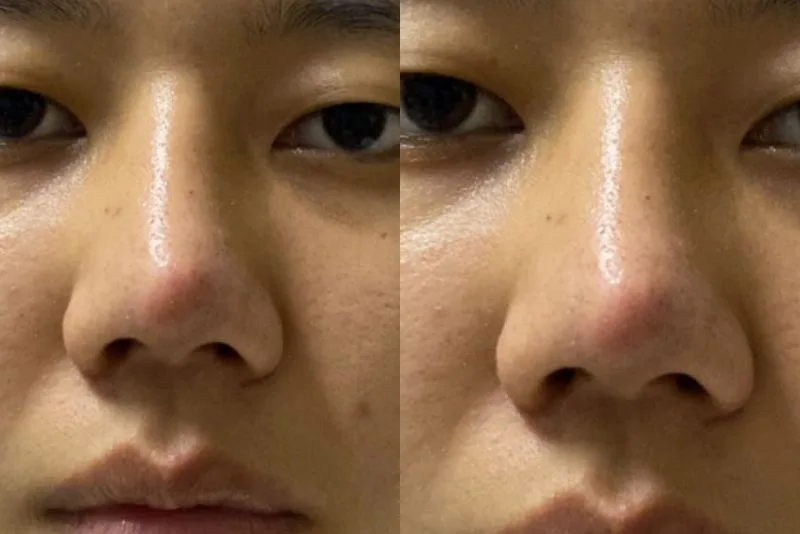
In cases where the cartilage has fixed into place, fibrous tissue has developed, or the nasal structure is misaligned from its axis, surgical revision is a mandatory solution to restore a balanced and safe nose shape.
Below are the cases requiring surgical intervention:
The nose has passed 3–4 weeks post-surgery, and the cartilage tissue and soft tissue have begun to heal firmly together.
The cartilage is axially deviated or deeply displaced.
Deviation due to infection or cartilage rejection.
Deviation caused by an asymmetrical septum or nasal bone base.
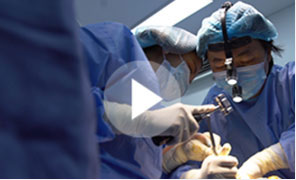
Kangnam Aesthetic Hospital is a destination specializing in receiving cases of flawed, damaged, and crooked noses after surgery, which is trusted and chosen by many overseas Vietnamese clients. Kangnam applies 3D simulation technology to analyze the nose shape and predict the results before performance, helping clients feel at ease when choosing an appropriate revision plan while ensuring safety and aesthetics.

The doctor performing the wrong technique, low-quality nasal cartilage, thin nasal skin tissue, incorrect aftercare, infection, or strong external impacts are the causes that can make the nasal bridge crooked after surgery.
Doctor Performing the Wrong Technique: If the doctor does not fix the cartilage securely or dissects the tissue unevenly on both sides, the nasal columella can easily deviate from the axis. A misalignment of just 1–2 degrees during the maneuvers can cause the nose shape to lose balance after recovery.
Low-Quality Cartilage: Cartilage placed in the wrong tissue layer or not fixed at enough anchor points is prone to slipping when swelling subsides. In addition, low-quality cartilage can shrink or warp over time, causing the nasal bridge to become crooked.
Thin Nasal Skin Tissue: Individuals with a congenitally crooked bone or nasal septum, if not axially adjusted before augmentation, will cause the cartilage to tilt according to the base bone. With thin nasal skin and weak tissue adhesion, the cartilage easily moves or exposes the implant bridge.
Infection: Incorrect hygiene or an unsterile operating room can allow bacteria to enter, causing inflammation of the cartilage tissue. When the nasal area experiences uneven inflammatory swelling, the cartilage axis is pushed out of alignment, and the nose becomes deformed and aching.
Strong External Impacts: Impacts such as falls, bumps, or strong massage of the nasal area within the first 1–3 months can easily cause the cartilage to displace. This is a phase where the nose is not completely stable yet, so exerting force must be particularly avoided.
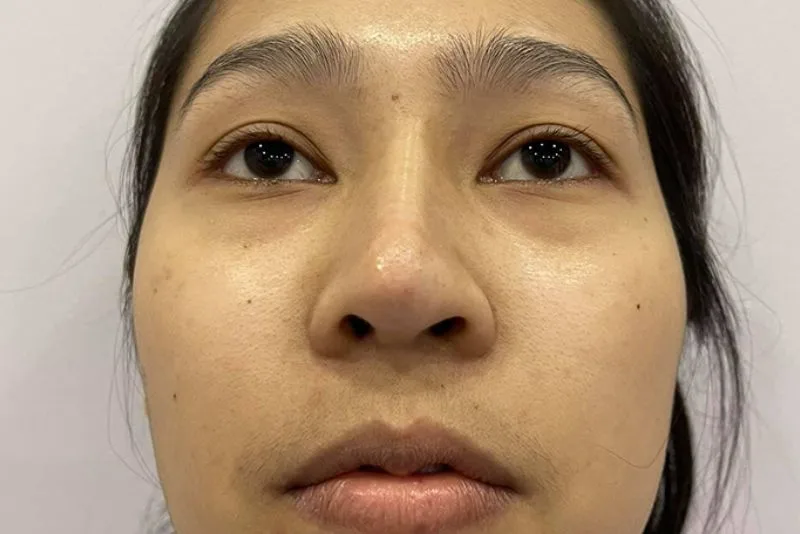
A crooked nose after rhinoplasty can mostly be corrected if detected early and handled properly. Adjustment or re-operation should only be performed by a rhinoplasty specialist in a sterile medical environment to ensure safety and long-term effectiveness.
When detecting that the nose is crooked after augmentation, the important thing is not to manually adjust it at home, as this can cause the cartilage to displace deeper or induce infection. First, carefully observe the degree of deviation; if it is only slightly crooked due to swelling, you can apply cold compresses, sleep on your back, and monitor it for a few more days.
In cases of clear deviation, pain, or redness, you need to contact the surgeon immediately for an examination. Within the first 10–14 days, the doctor can gently adjust or fix the nose shape again without needing a re-operation. If the nose has stabilized but remains crooked, structural revision of the cartilage is required to regain balance.
Specifically, the doctor will:
Remove the old cartilage portion (artificial or autologous) that is deviated, retracted, or deformed.
Handle, clean, and reconstruct a new nasal cavity, ensuring the nasal axis is rebuilt in the correct position.
Re-structure using autologous cartilage (typically harvested from the septum, ear cartilage, or costal cartilage) to fix a firm and natural nose shape.

At Kangnam Aesthetic Hospital, overseas Vietnamese clients can receive online evaluations and have appropriate handling plans arranged, ensuring safety and optimal aesthetic effectiveness.