Date posted: 14-04-2026 | Last updated : 15-04-2026
Facelift procedures are among the most popular rejuvenation solutions, but not everyone is suited to the same method. Today, there are various techniques ranging from non-invasive treatments to advanced surgical procedures, each with its own advantages and limitations. Understanding these differences will help you choose the right solution, optimize results, and ensure safety.
A facelift is not a single technique but includes multiple methods with varying levels of intervention, effectiveness, and longevity. Understanding each method helps you select the right solution based on your aging condition and avoid repeated procedures with unsatisfactory results.
Reasons to research carefully:
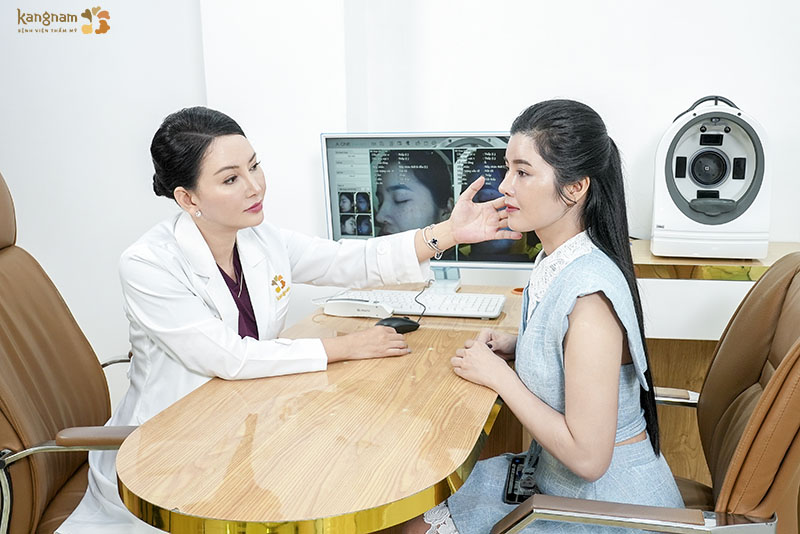
| Criteria | Full Facelift | Mini Facelift |
| Level of intervention | Comprehensive treatment of face and neck, addressing both skin and muscle layers | Limited intervention in the cheeks and lower jaw |
| Suitable candidates | Severe aging, significant sagging, deep wrinkles | Mild to moderate aging |
| Effectiveness | Deep lifting, removal of excess skin, significant overall improvement | Mild improvement, more natural results |
| Recovery time | 2–4 weeks or longer | 7–14 days |
| Duration of results | 7–10 years | 3–5 years |
If you have clear signs of aging (significant sagging, deep folds), a full facelift is recommended for comprehensive correction. If aging signs are mild and you prefer natural results with minimal downtime, a mini facelift is more suitable.
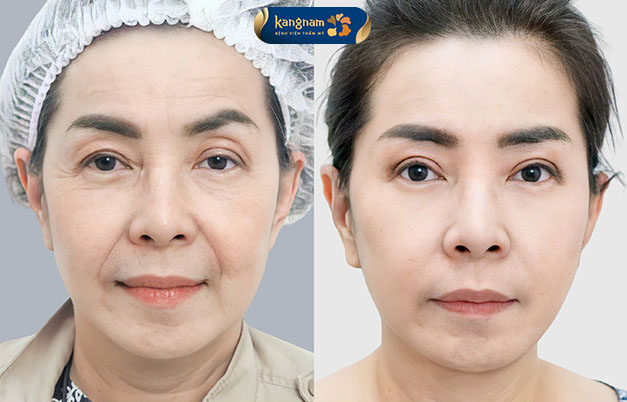
| Criteria | Surgical Facelift | Thread Lift |
| Level of intervention | Invasive, deep intervention into muscle layers | Minimally invasive, threads inserted under the skin |
| Effectiveness | Comprehensive lifting of skin and muscle, strong improvement | Mild lifting, suitable for moderate sagging |
| Suitable candidates | Moderate to severe aging | Mild aging |
| Duration of results | 5–10 years | 1–2 years |
| Recovery time | 2–4 weeks | 3–7 days |
If you want long-lasting, significant, and stable results, a surgical facelift is the optimal choice. If you prefer a subtle lift with quick results and minimal downtime, thread lifting is more suitable but temporary.
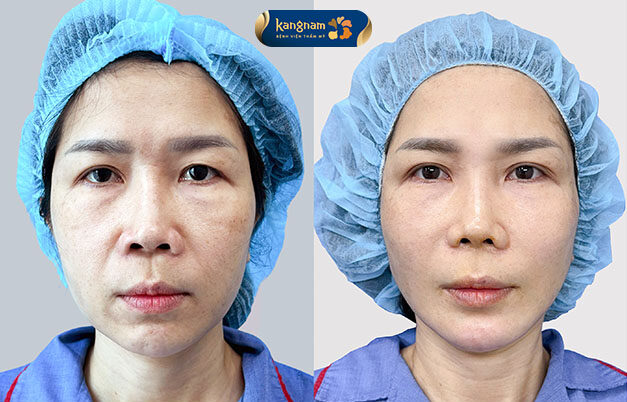
| Criteria | Surgical Facelift | Filler Injection |
| Mechanism | Lifts muscles, tightens skin, removes excess skin | Adds volume to hollow areas |
| Target concerns | Sagging skin, deep wrinkles | Volume loss (sunken cheeks, hollow temples) |
| Effectiveness | Comprehensive rejuvenation | Localized improvement |
| Duration of results | 3–10 years | 6–18 months |
| Level of intervention | Moderate to high | Non-invasive |
If aging is caused by sagging, a surgical facelift is needed. If it is due to volume loss, fillers are more appropriate. In many cases, doctors may combine both methods for optimal results.
The longevity of facelift results varies from 1 to 10 years depending on the method and individual factors. Surgical procedures generally provide the longest-lasting results.
Factors affecting longevity:
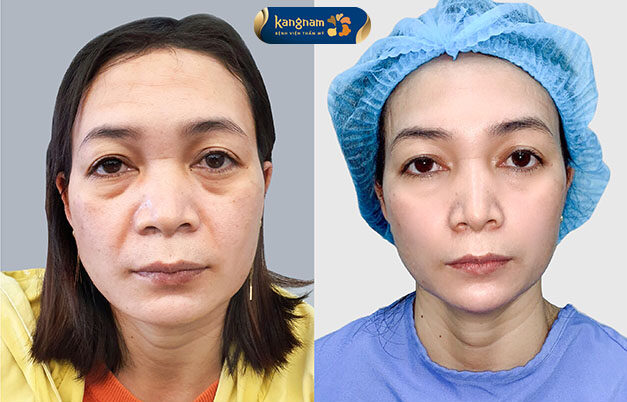
Long-term studies show that approximately 68% of facelift patients maintain noticeable rejuvenation results after 10 years.
A facelift is recommended when there is clear sagging, deep wrinkles, loss of firmness, and when non-invasive methods are no longer effective. Conversely, it is not recommended for mild aging, when the skin still has good elasticity, or when health conditions are not suitable for cosmetic procedures.
Benefits of a facelift:

Choosing the right facelift method should be based on personalized assessment rather than trends. Each individual has different levels of aging, skin conditions, and expectations.
A facelift is a worthwhile option when aging becomes noticeable and comprehensive improvement is desired. However, it must be performed at the right time with proper medical indication to ensure safety and optimal results.