Date posted: 15-04-2026 | Last updated : 25-05-2026
The recovery process after a facelift typically takes 2–4 weeks for swelling and bruising to subside, and 3–6 months for the final results to fully stabilize. During the first 48 hours, cold compresses, keeping the head elevated while sleeping, and avoiding strenuous activity are essential. Sutures are usually removed after 5–10 days, normal activities can resume after 2–3 weeks, and foods that may cause scarring (such as water spinach and beef) should be avoided.
Recovery time can be shortened if post-operative instructions are followed correctly. However, each individual heals at a different pace depending on their condition and the technique used.
Common changes after surgery:
Factors affecting recovery speed:

Recovery progresses in stages, with gradual improvement over time.
First 3 days
This is the peak period for swelling and bruising, often accompanied by mild tightness. Some cases may require drainage to reduce fluid buildup. Complete rest and close monitoring are necessary.
Days 4–7
Swelling and bruising remain but gradually decrease. Light daily activities can resume, but pressure on the face should be avoided. Follow-up visits are important during this stage.
Days 7–10
Sutures are removed if healing is adequate. The surgical area becomes more stable, and tightness significantly decreases. Basic daily activities can resume with caution.
Weeks 2–4
Swelling continues to subside, and facial appearance becomes more natural. Stiffness decreases, and patients can return to light work or office activities.
Months 1–3
Soft tissues fully stabilize, and aesthetic results become more defined. Scars gradually fade, and the face reaches a natural appearance, although the natural aging process continues.

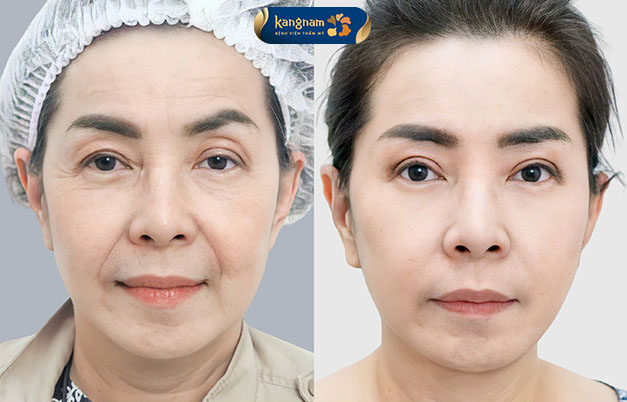
Swelling is a normal response, most noticeable in the first 2–3 days and gradually decreasing within 1–2 weeks. Mild swelling may persist for several weeks depending on the individual and the extent of the procedure.
If swelling does not improve after two weeks or is accompanied by increased pain, redness, warmth, or unusual discharge, patients should contact their doctor promptly.
Sutures are typically removed 7–10 days after surgery, depending on the procedure and healing progress.
Post-suture removal care:
Most patients can return to light office work within 7–14 days. Normal daily activities can resume after 2–3 weeks, while strenuous activities or exercise should be avoided for at least 4–6 weeks.
Signs you are ready to return to work:
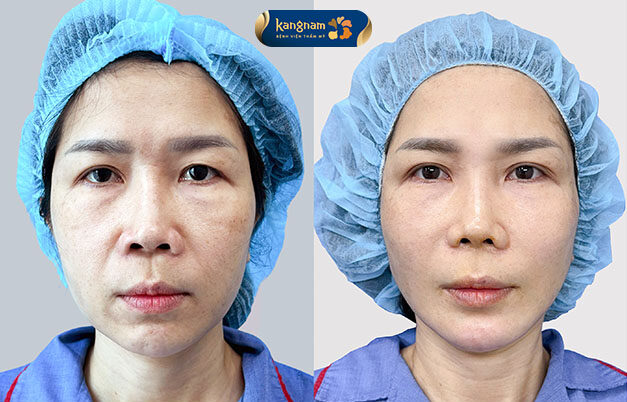
It is recommended to wait at least 1–2 weeks before flying to avoid increased swelling, bruising, or infection risk due to cabin pressure changes. The safest time, especially for long flights, is 14–21 days after surgery when healing is more stable.
Risks of flying too early:
Patients are advised to stay in Vietnam for 7–14 days after a facelift to allow for suture removal and initial stabilization. For thread lifts, a shorter stay of 2–3 days may be sufficient. During this time, swelling decreases significantly, and doctors can assess healing before travel.
Following your doctor’s instructions, avoiding strenuous activity too early, monitoring for unusual symptoms, and preparing a post-care plan after leaving Vietnam are essential considerations after a facelift.
Careful preparation and adherence to medical guidance ensure a safe and smooth recovery process. Choosing the right facility means your recovery is supported every step of the way.

Still planning your facelift trip to Vietnam? Our international patient team can help you build a recovery-friendly schedule: