Date posted: 15-04-2026 | Last updated : 15-04-2026
Facelift surgery is one of the most advanced rejuvenation solutions, chosen by many when signs of aging become more apparent. Beyond improving appearance, this method also helps restore confidence in communication and daily life.
A facelift is a cosmetic surgical procedure aimed at improving signs of aging by removing excess skin, lifting sagging tissues, and repositioning facial structures. This technique not only works on the surface of the skin but also targets the superficial musculoaponeurotic system (SMAS), providing comprehensive support and long-lasting results.
The main goal of a facelift is to restore firmness, reduce wrinkles, and recreate a more youthful facial contour. The principle of the procedure is “lift – tighten – secure,” ensuring that the skin and muscles are repositioned naturally, avoiding an overly tight or expressionless appearance.
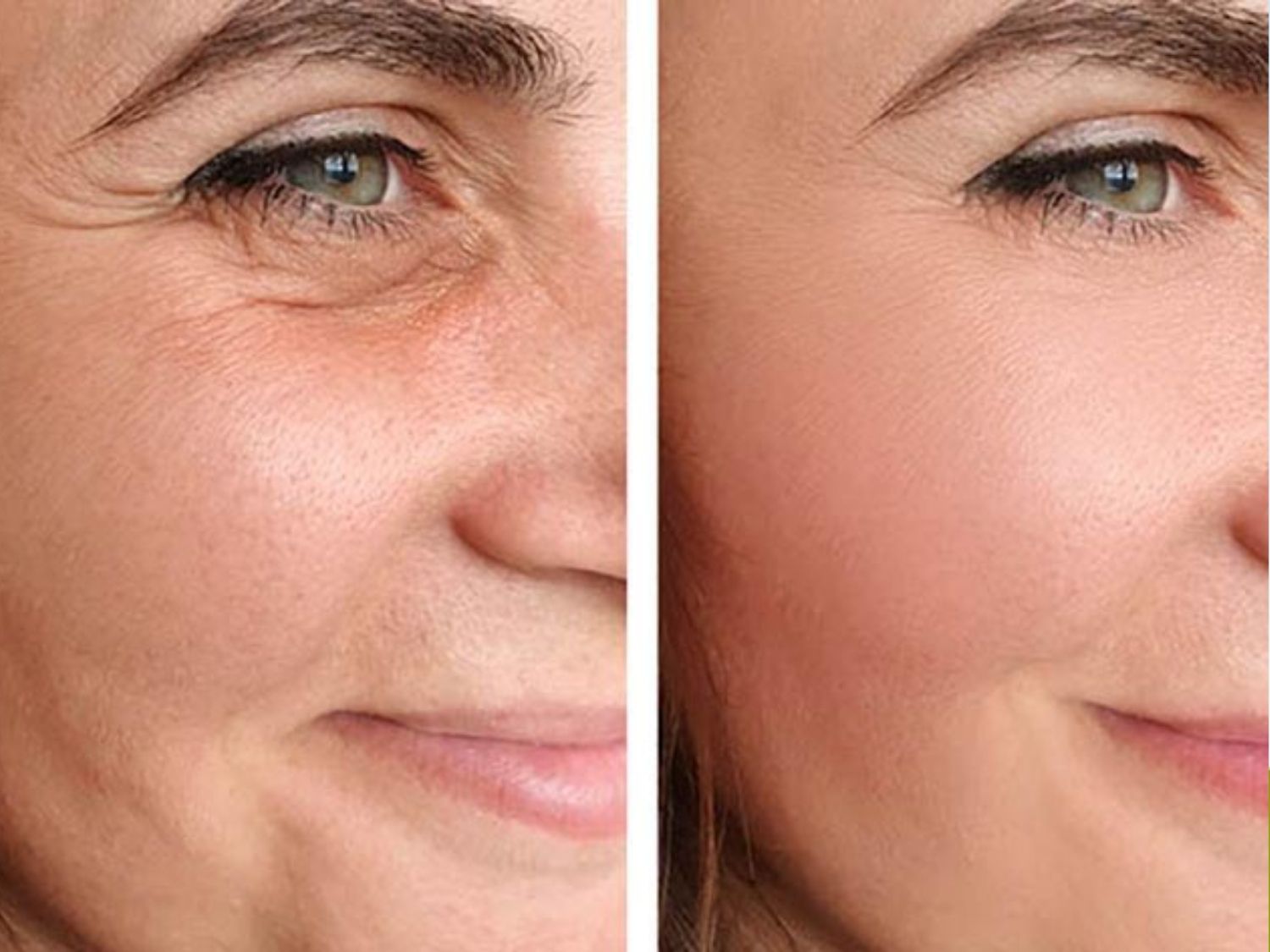
A facelift improves sagging skin in the cheeks and jawline, deep wrinkles, an undefined jawline, and loose skin in the neck area.
Sagging skin in the cheeks and jawline
Over time, skin and soft tissues lose elasticity, causing the cheeks and jawline to droop. A facelift lifts these tissues back to their original position while removing excess skin, resulting in a more defined and youthful appearance.
Deep wrinkles
Deep wrinkles, especially around the nasolabial folds and corners of the mouth, are often difficult to improve with conventional methods. A facelift smooths these wrinkles by tightening and redistributing the skin, delivering noticeable and long-lasting results.
Undefined jawline
When the skin sags, the jawline becomes less defined. Surgery helps reshape the lower face, creating a sharper and more structured contour. This is a key factor in achieving a youthful and balanced appearance.
Loose neck skin
In addition to the face, the neck is also prone to aging, with wrinkles and sagging skin. A full facelift can include treatment of the neck area, tightening the skin and creating a more uniform appearance with the face, resulting in comprehensive rejuvenation.
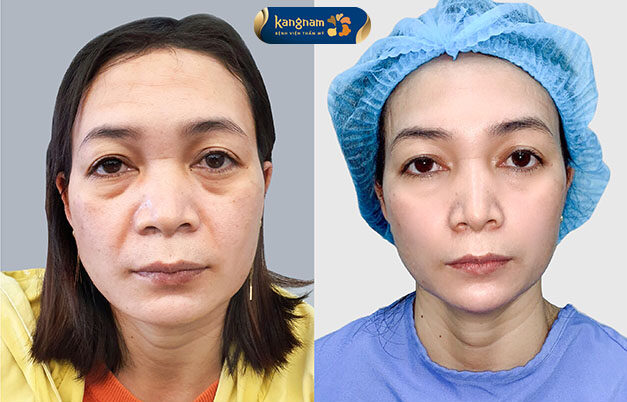
Facelift surgery is divided into two main types: full facelift and mini facelift, depending on the level of aging and individual needs.
Full Facelift
This is a comprehensive procedure involving incisions that extend from the temple area down to the front and behind the ears. The surgeon lifts the deep muscle layer (SMAS), removes excess skin, and repositions the entire face and neck. This method is suitable for individuals with severe aging, significant sagging, and deep wrinkles.
A full facelift is ideal for those seeking noticeable improvement and long-lasting results.
Mini Facelift
The mini facelift uses smaller incisions and focuses mainly on the cheeks and jawline. With a lower level of intervention, recovery is faster and swelling is reduced. This method is suitable for individuals with mild to moderate aging.
A mini facelift is ideal for those seeking subtle, natural improvements with minimal downtime.
Facelift surgery is typically considered when signs of aging are clearly visible and affect the overall facial appearance. Choosing the right timing helps achieve optimal results and avoids unnecessary intervention.
Suitable cases include:
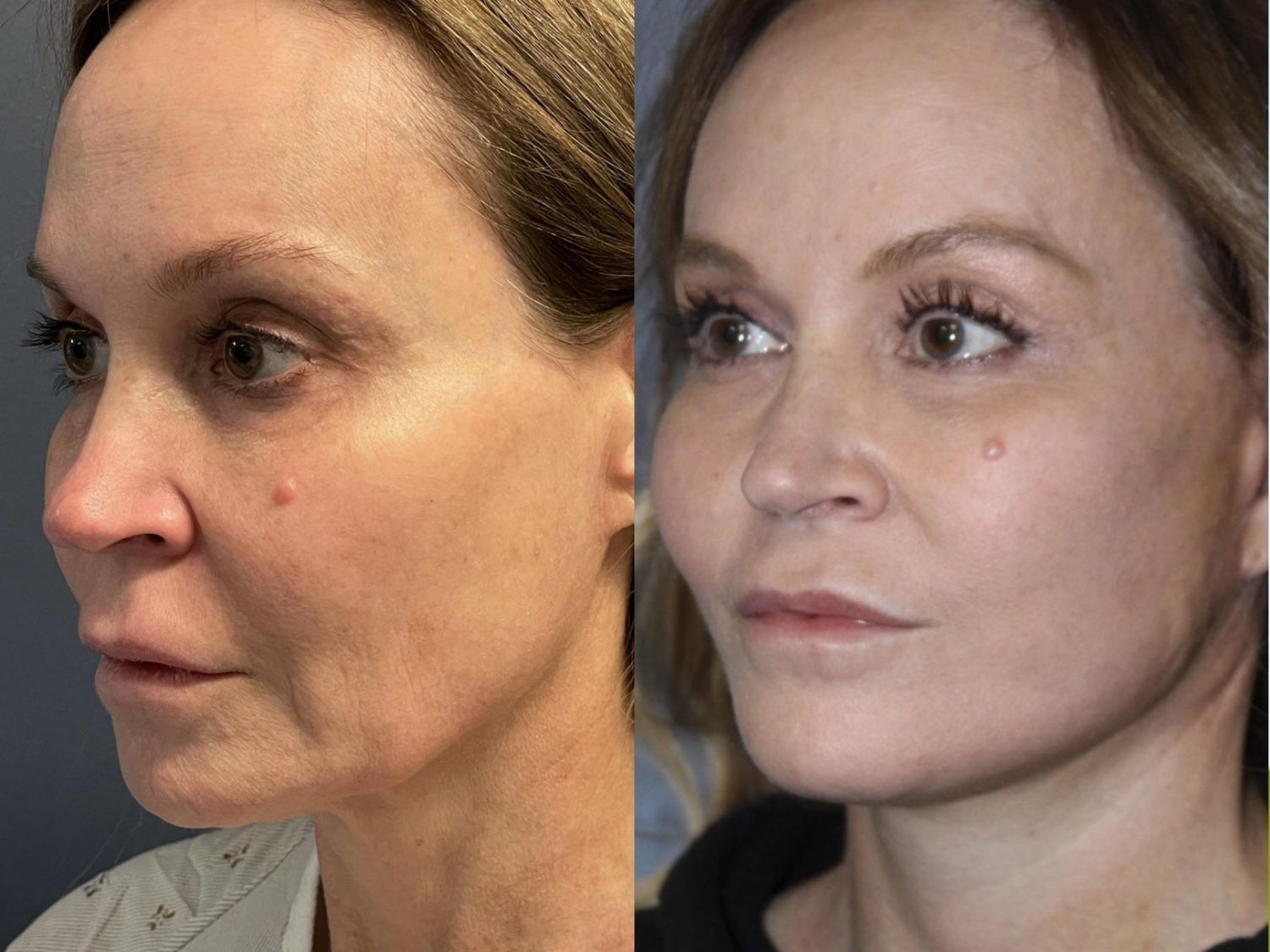
Not everyone needs or is suitable for facelift surgery. Choosing the wrong candidate may lead to unsatisfactory results or potential risks.
Cases to reconsider include:
Before a facelift, the doctor will conduct an examination to determine the appropriate method, followed by health checks and pre-operative preparation.
The facelift surgery process consists of five steps: consultation and assessment, anesthesia, surgical procedure, fixation and wound closure, and post-operative monitoring.
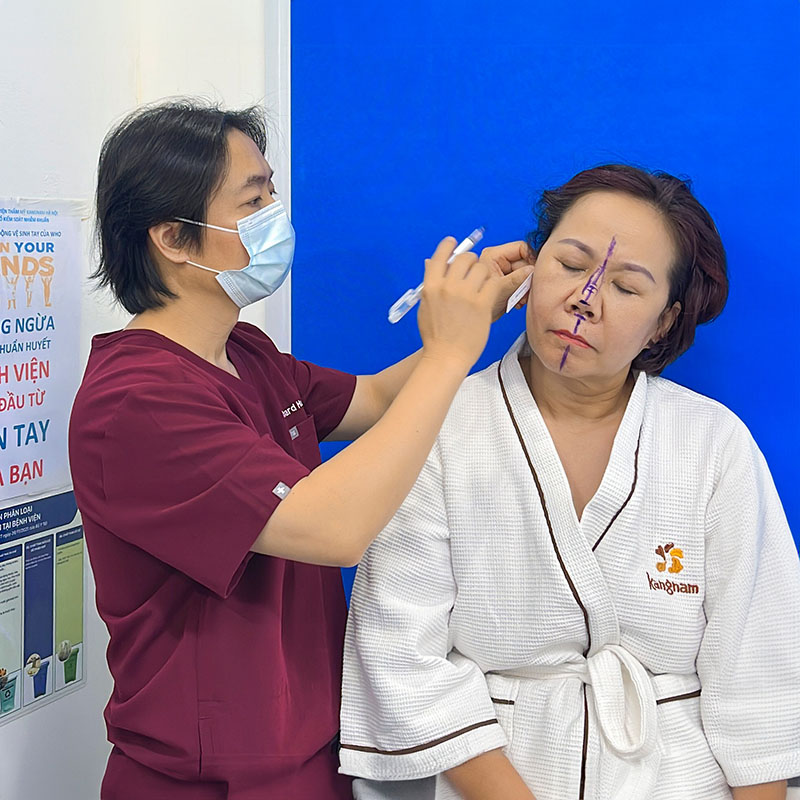
Step 1: Consultation and assessment
The doctor evaluates the degree of aging, skin elasticity, and the structure of soft tissues in the face and neck. At the same time, the client discusses their desired results to develop an appropriate plan. This is a fundamental step that helps personalize the procedure and minimize risks.
Step 2: Anesthesia
The procedure is typically performed under general anesthesia or sedation, depending on the case. The anesthesiologist monitors vital signs throughout the surgery. Proper anesthesia management ensures the client remains pain-free and safe.
Step 3: Surgical procedure
The surgeon makes incisions along predetermined lines, usually in the temple area and around the ears to conceal scars. The SMAS layer is then dissected and lifted, excess skin is removed, and soft tissues are repositioned. This technique provides comprehensive facial support rather than simply tightening the skin surface.
Step 4: Fixation and wound closure
After reshaping, tissues are secured in their new position to ensure stability. The surgeon uses aesthetic sutures to close the incisions, minimizing visible scarring. Compression dressings are applied to reduce swelling and maintain facial contour.
Step 5: Post-operative monitoring
Clients are monitored at the medical facility in the initial period to control swelling, pain, and post-surgical reactions. The doctor provides instructions on medication, care, and follow-up schedules. Monitoring helps detect any abnormalities early.
Keeping the incision clean, applying cold compresses, resting, taking medications, limiting movement, and attending follow-up visits are essential for proper recovery.
Recovery typically takes 1–2 weeks for basic healing. After that, the skin and soft tissues continue adapting, and scars gradually fade.
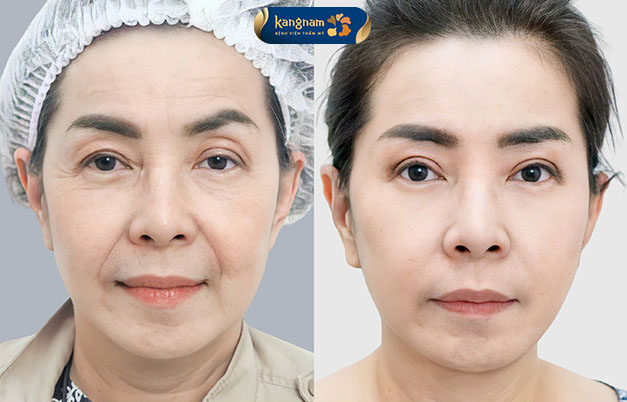
Most clients can return to near-normal activities after 2–4 weeks, depending on individual conditions.
After a facelift, the face becomes firmer, wrinkles are significantly reduced, and the jawline appears more defined. The overall appearance is more youthful and balanced.
Initial results can be seen after a few weeks, with optimal results appearing after 1–3 months. Results can last from 5–10 years depending on the method and individual factors, although natural aging continues.
Although generally safe, facelift surgery may carry risks if not performed properly, including anesthesia-related risks, infection, scarring, asymmetry, and rare nerve complications.
| Service | Price (USD) |
| 3D Facelift | ~$2,461.54 |
| Facelift + Neck Combo | ~$3,423.08 |
| Forehead Lift | ~$1,923.08 |
| Neck Lift | ~$1,923.08 |
| Temple Lift | ~$1,346.15 |
For major surgical procedures, an additional 5% fee applies, while minor procedures are subject to a 10% surcharge.
Costs vary depending on:
The 3D facelift at Kangnam Aesthetic Hospital is highly regarded for its comprehensive anti-aging results. The technique focuses on lifting the SMAS layer, removing excess skin, and repositioning tissues in a three-dimensional structure while maintaining natural expressions. The procedure is performed in a sterile environment with anesthesiology support, ensuring safety.
Leading the team is Dr. Richard Huy (PhD, MD), Medical Director of the Kangnam system, with over 20 years of experience in plastic surgery, known for handling complex aging cases.
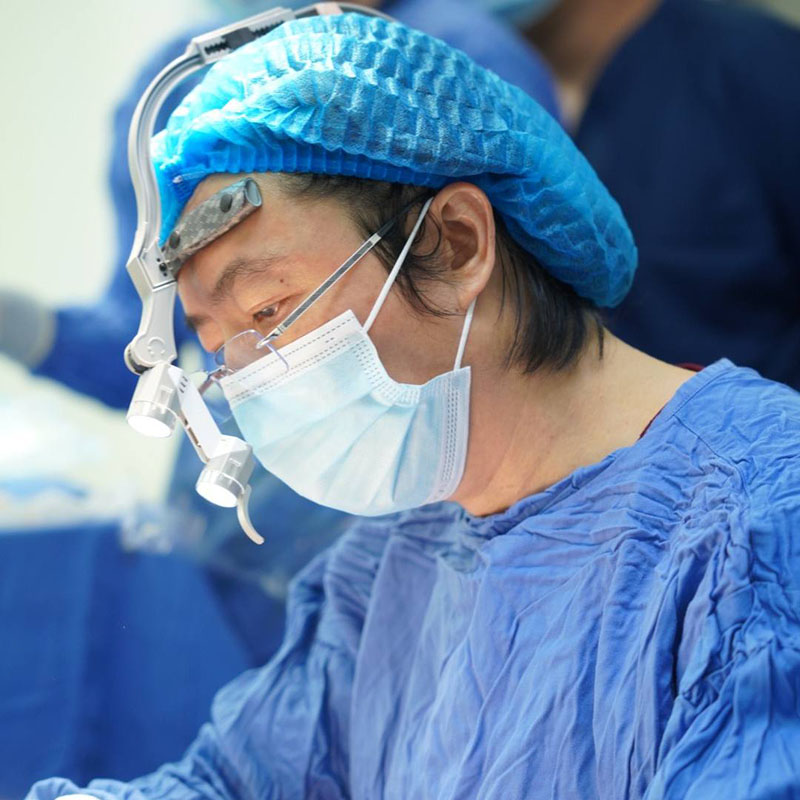
Additionally, Dr. Mark Nguyen, Deputy Head of Korean Aesthetic Department at Kangnam Saigon, has over 10 years of experience and international training in Korea and Taipei. He actively participates in conferences such as PRS Korea and VSAPS.
In recent years, facelift surgery in Vietnam has been considered relatively safe when performed according to medical standards. Safety depends not only on technique but also on the surgeon, facility, and adherence to protocols.
A facelift is safe when patients are thoroughly evaluated, properly indicated, and treated at reputable facilities. The process must follow all steps from health checks to post-operative care. Patient compliance with aftercare instructions also plays a crucial role in achieving optimal results.