Date posted: 17-07-2026 | Last updated : 17-07-2026
Rhinoplasty is a significant cosmetic decision. It is essential to know how long to restrict certain foods and how to properly take care of your nose after surgery. Avoiding hard foods, seafood, alcohol, and stimulants is necessary to ensure a smooth recovery process. Let’s explore the dietary guidelines after rhinoplasty to achieve the best results!
Austin Pham (an overseas Vietnamese residing in Singapore) who underwent rhinoplasty at Kangnam asked: “How long do I need to restrict my diet after rhinoplasty to reduce swelling and speed up recovery, Doctor?”
“The dietary restriction period after rhinoplasty surgery usually lasts from 1 to 2 months, depending on each individual’s recovery progress. This diet must be maintained until the nose is completely healed, ensuring safety for the tissue regeneration process and achieving optimal aesthetic results.”
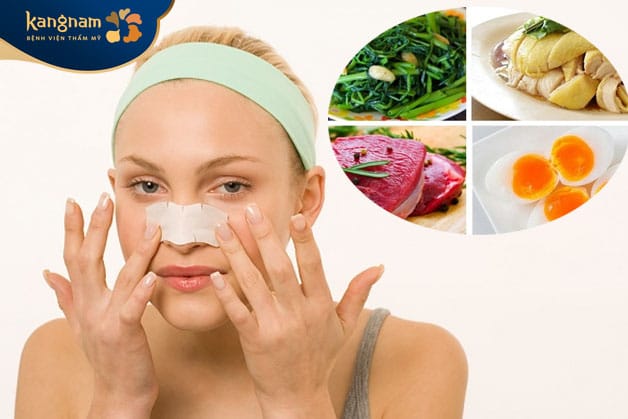
Seafood, chicken, glutinous rice, water spinach, beef, alcoholic beverages, fermented foods, and certain hard fruits are items you should not consume after rhinoplasty to ensure a smooth recovery and optimize aesthetic results.
Avoid consuming seafood during the initial stage after rhinoplasty for about 1 month because it contains high fat content, easily causes inflammation, and affects the recovery process.
Chewy or inflammatory foods like chicken and glutinous rice should be avoided during the restriction period to limit impacts on the newly operated nasal area. Please avoid seafood for 2 to 3 weeks before consuming it again.
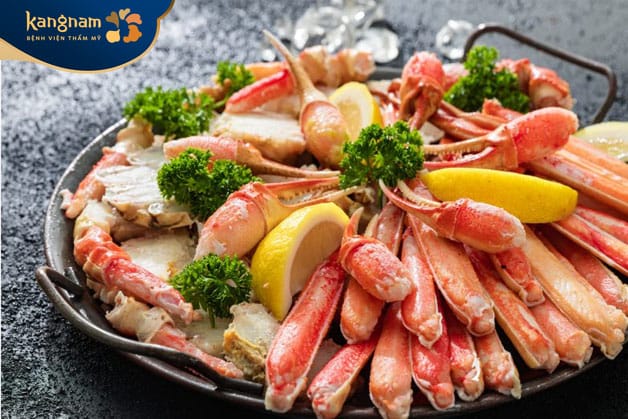
Water spinach and beef should also be limited in your daily meals because they can cause swelling and pain after rhinoplasty surgery. You should only consume water spinach and beef after about 2 weeks post-surgery.
How long should you restrict food and drinks after rhinoplasty? You must absolutely avoid drinking alcoholic beverages and stimulants like caffeine for about 1 month after rhinoplasty because they will affect the recovery process and increase the risk of swelling in the nasal area.
Fermented foods such as fish sauce and various dipping sauces should be limited because they can cause irritation and increase the risk of inflammation after surgery.
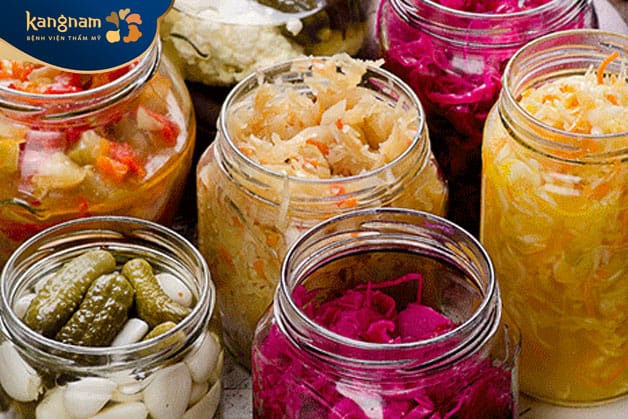
Foods high in cholesterol, such as animal fat and egg yolks, should be avoided during this stage to reduce the risk of congestion and limit negative impacts on the recovery process.
Certain fruits like pineapples and mangoes should be avoided because they can cause irritation and affect the recovery process. Hard fruits like guavas and sugarcanes should also be restricted.
Natalie Tran (26 years old, an overseas Vietnamese from Canada) asked: “I just had a rhinoplasty at Kangnam, and the doctor advised me to avoid alcohol for about 1 month after surgery. However, at a friend’s birthday party the other day, I accidentally drank a glass of beer. Will it cause any issues?”
“Accidentally drinking a single glass of beer during the restriction period after rhinoplasty will not cause a major impact on the recovery process. However, if this becomes a habit or occurs frequently, it will affect the recovery progress and the surgical outcome.
If you accidentally eat an avoided food after rhinoplasty, try to limit it and strictly adhere to the dietary restrictions for the remainder of the recovery process. Ensure that your nutrition and daily habits do not interfere with the tissue regeneration process and the final surgical results.”
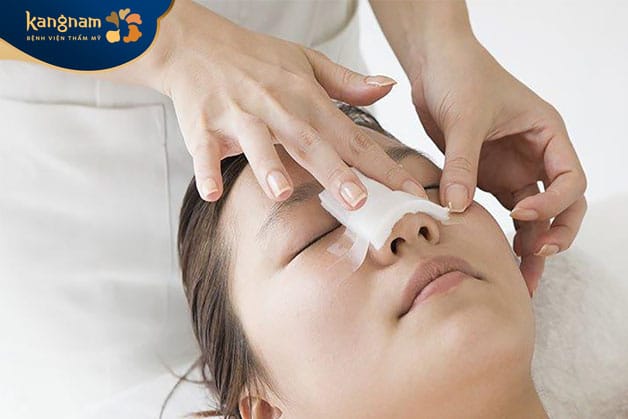
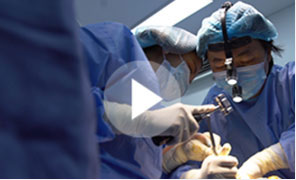
Kangnam Aesthetic Hospital is a trusted destination chosen by many Vietnamese living and working abroad for rhinoplasty, thanks to its medical-standard post-operative care protocols, 24/7 doctor companionship even after patients return to their home countries, and safe rhinoplasty procedures utilizing high-grade implants.
Immediately after rhinoplasty, patients are closely monitored for swelling, bruising, wound healing capacity, and signs of inflammation. Every recovery stage comes with specific instructions: from cleaning the nose, using medication, applying cold and warm compresses, to attending follow-up check-ups at the correct milestones. This protocol minimizes complications while shortening recovery time for clients who only have a limited amount of time in Vietnam.
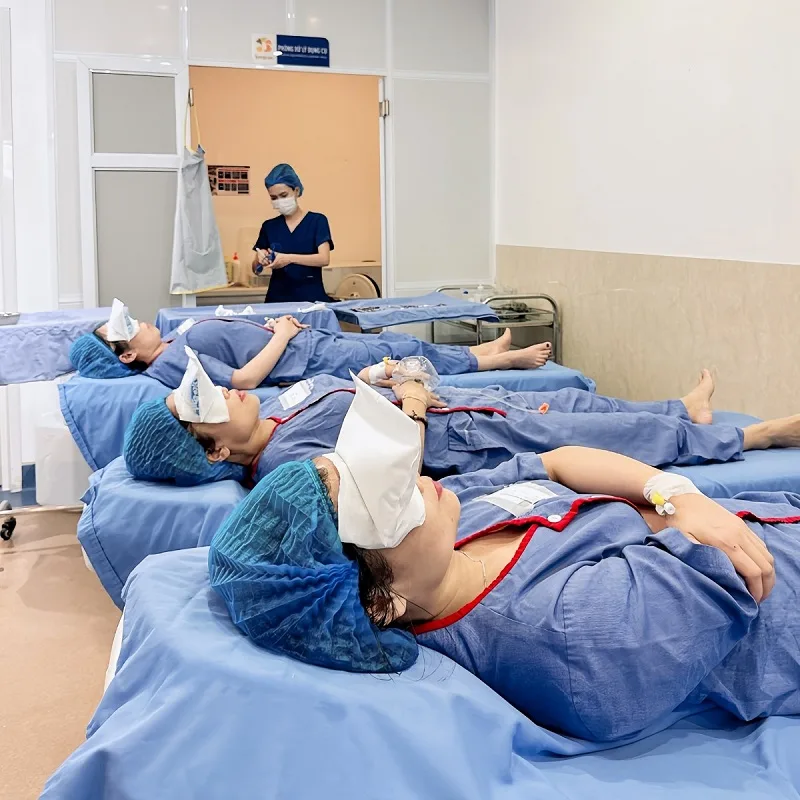
At Kangnam, doctors and the customer care team are always available 24/7 through online channels. Clients can send photos and videos of their nasal condition to receive timely evaluations and guidance from the doctor.
Kangnam applies a closed rhinoplasty procedure, ensuring strict sterility throughout the surgical process. The implants used are all high-grade options like Nanoform and Surgiform, which have clear origins and excellent biocompatibility with the body, such as premium synthetic cartilage combined with autologous cartilage. This helps the nose shape stay stable long-term, limiting rejection, redness, or exposed implant outlines.
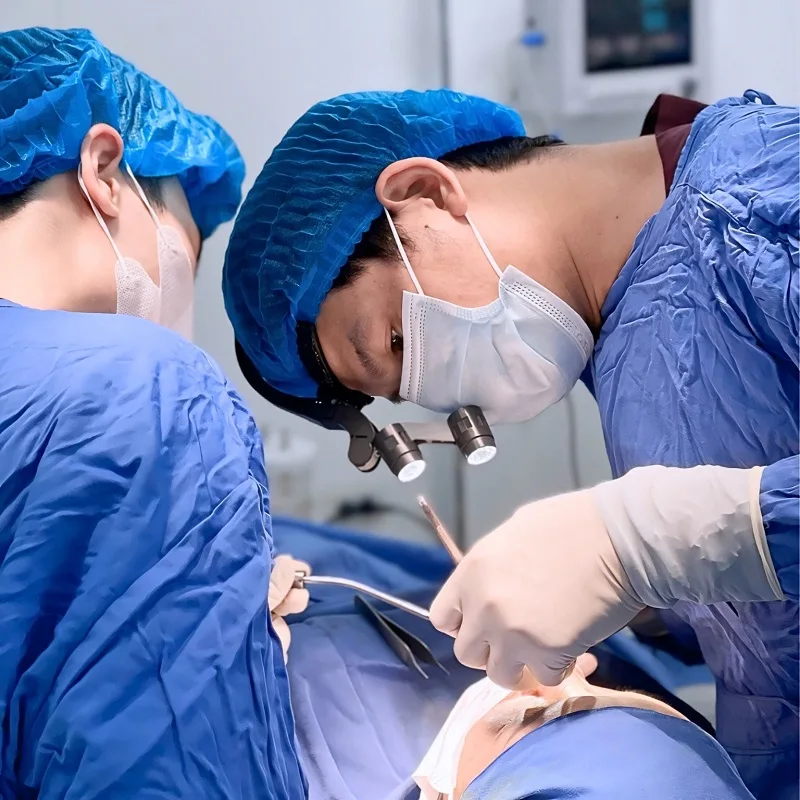
Kangnam develops personalized care regimens based on each individual’s physical traits, health status, and lifestyle habits. The doctor will provide detailed advice on a suitable diet, lists of foods to avoid or supplement, as well as how to perform daily activities and rest so that the nose heals quickly and looks naturally beautiful.
Before deciding on rhinoplasty, clients can view actual photos and videos of many successful cases from overseas Vietnamese. Information regarding the methods, implant materials, costs, and recovery times is all advised clearly and transparently without ambiguity.
In addition to knowing how long to restrict certain foods after rhinoplasty, pay close attention to the nutritional elements that need to be supplemented to help the nasal area heal quickly and achieve the desired aesthetic result.
Foods rich in vitamins, various nuts, protein, and water are critical nutrients to supplement after rhinoplasty surgery.
Foods rich in Vitamin A (such as carrots, pumpkins, and avocados) and foods containing Vitamin C (such as oranges, tangerines, kiwis, and pineapples) all function to enhance the recovery of the skin and nasal tissue. Vitamin A boosts the skin cell regeneration process, while Vitamin C supports scar healing and reduces inflammation.
To maintain hydration for the skin and nasal tissue throughout the recovery process, drinking enough water is crucial. This helps prolong the recovery efficiency. Try to drink at least 8 glasses of water per day, and increase your intake of filtered water and natural fruit juices to keep the body well-hydrated.
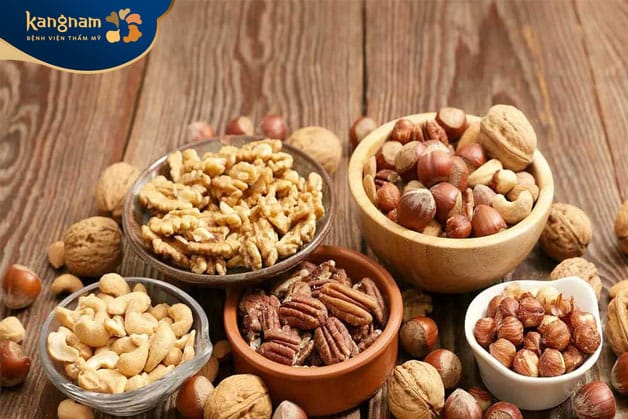
Nuts such as flaxseeds, chia seeds, and sunflower seeds contain many beneficial nutrients like Omega-3, fiber, and protein. They help provide energy for the body and support the recovery process after rhinoplasty surgery.
Protein is an important component that helps regenerate cells and restore muscles. Seafood like fish, chicken, beef, beans, and other protein-rich food sources should be included in your daily diet to support the post-surgical recovery process.
After rhinoplasty surgery, experts recommend limiting the consumption of spicy foods, especially hot and spicy items. This is because spicy foods can irritate the wound, increase the risk of inflammation, and negatively affect the recovery process.
To ensure a smooth and effective recovery, adhere to the dietary regimen guided by your doctor and limit foods that easily cause irritation to the wound.
After rhinoplasty, it is best not to eat salmon because salmon is classified as a seafood item with a strong fishy nature, which can easily cause irritation and inflammation in the nasal area, negatively impacting the recovery process after sustaining open wounds from rhinoplasty surgery.
This article provides you with more information about the post-rhinoplasty diet and details which foods should be supplemented after surgery. Hopefully, this will help you experience a fast, safe recovery process and attain your desired beautiful nose shape.
If you are living abroad and want to know the appropriate care and dietary regimen for your specific physical traits after rhinoplasty, you can send photos of your current condition for a doctor to evaluate and guide you before returning to Vietnam.