Date posted: 02-01-2026 | Last updated : 25-05-2026
“How long after a rhinoplasty can I fly?” is a common question among international patients who plan to travel by air. Knowing the appropriate and safe timeline helps the nose stabilize better and avoids negatively affecting the aesthetic outcome after surgery.
I. How long after rhinoplasty can you fly?
After rhinoplasty, you should wait at least 7–14 days before flying, when swelling has decreased, tissues are more stable, and breathing is clear. The exact timing can vary depending on your individual healing, so always consult your surgeon to ensure safety, reduce the risk of bleeding or infection, and avoid affecting your recovery.
Recovery stages after rhinoplasty and your ability to fly:
- Days 1–3: The nose is significantly swollen; tissues are still fragile and prone to bleeding. Changes in cabin pressure may cause pain and tightness, so air travel is not recommended.
- Days 5–7: Swelling begins to subside, but the nasal structure is not fully stable yet. Only short trips should be considered if absolutely necessary—and only with your doctor’s approval.
- Days 7–14: Nasal tissues are relatively more stable, breathing is clearer, and the body adapts better to cabin pressure—flying is generally possible.
- After 14 days: The nose enters a noticeably more stable phase and can tolerate longer pressure changes, making it more convenient for long international flights without disrupting recovery.
Here’s the full picture of what your nose goes through:
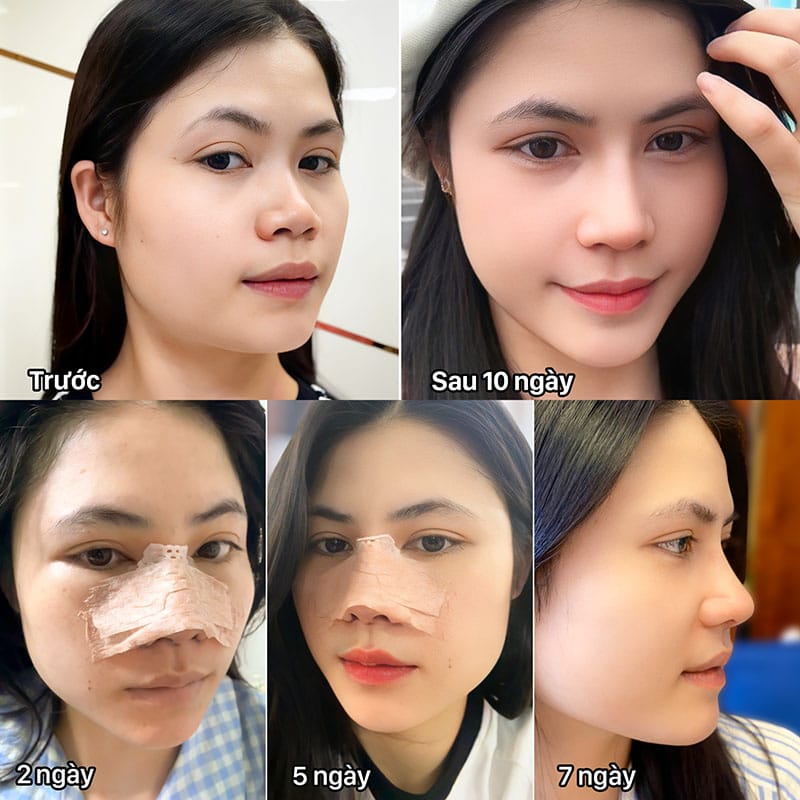
Depending on each individual’s body condition, the safe time to fly after rhinoplasty may vary.
II. Why shouldn’t you fly too soon after rhinoplasty?
Flying too early after rhinoplasty can increase swelling and pain, prolong recovery, and affect the nasal shape—especially while the nasal tissues are still unstable and exposed to cabin pressure changes.
- Air pressure changes: During takeoff and landing, cabin pressure can place direct pressure on the nose, causing tightness, discomfort, and prolonged swelling.
- Sensitive healing tissues: In the first days after surgery, soft tissues and the incision have not fully healed. Air travel may increase the risk of bleeding, fluid buildup, or disruption to the nasal structure.
- Higher risk of infection: Airplane cabins are enclosed, the air is dry, and you’re exposed to many people—making the nose more prone to irritation, especially when the wound is not yet stable.
- Limited care and monitoring: On long flights, it’s harder to keep the nose clean, take medications properly, and respond quickly to any unusual symptoms.
- Greater risk on long-haul flights: International flights or journeys lasting many hours can cause fatigue and expose the nose to prolonged pressure changes compared to short domestic flights, which may affect recovery more significantly.
III. Factors that affect when you can fly after rhinoplasty
The time when you can safely fly after rhinoplasty is not the same for everyone. It depends on the surgeon’s skill, the surgical technique used, your individual healing response, and how well you follow post-op care instructions.
- Surgeon’s expertise: When the surgeon uses proper technique, minimizes invasiveness, and controls tissue trauma well, swelling and bruising are reduced and recovery is faster—so flying may be possible sooner.
- Type of rhinoplasty: Simpler procedures typically stabilize earlier than structural rhinoplasty or complex revision surgery.
- Individual healing (your body’s response): People who heal quickly with minimal swelling tend to recover sooner, while those who bruise or swell easily usually need more time.
- Post-operative care: Following your doctor’s instructions, keeping the nose clean, taking medications correctly, and avoiding impact or pressure helps the nose stabilize faster and makes air travel safer.
Minimally invasive technique means faster stabilization and an earlier, safer flight home. Kangnam’s rhinoplasty basics take just 45 minutes under local anesthesia, with no hospitalization required.

The type of rhinoplasty performed can influence how soon a patient is able to fly.
IV. Advice for international patients flying after rhinoplasty
International patients need to prepare more carefully when flying after rhinoplasty, due to long flight durations, frequent pressure changes, and limited comfort and care options on board.
- Make sure your condition is stable before flying: Only travel when you’ve recovered reasonably well and no longer experience dizziness, fatigue, or significant nasal pain.
- Consult and recheck with your surgeon: Before scheduling an international flight, your surgeon should assess nasal stability and provide specific guidance for the entire journey.
- Prepare essential supplies and medications: Bring medical gauze, clean cotton pads, saline solution, and all prescribed medications to manage dryness, mild swelling, or discomfort promptly.
- Choose a convenient seat: An aisle seat allows easier movement, reduces the need to bend forward, and helps avoid accidental contact with the nose in a confined space.
- Keep the nose clean and well-hydrated: Cabin air is usually dry, so gently clean the nose and maintain proper moisture as medically advised to prevent dryness and irritation.
- Monitor pain and swelling: If discomfort occurs due to cabin pressure changes, use medications prescribed by your doctor and rest appropriately.
- Ask for assistance when needed: If you feel unwell during a long flight, inform the cabin crew so they can provide timely support.
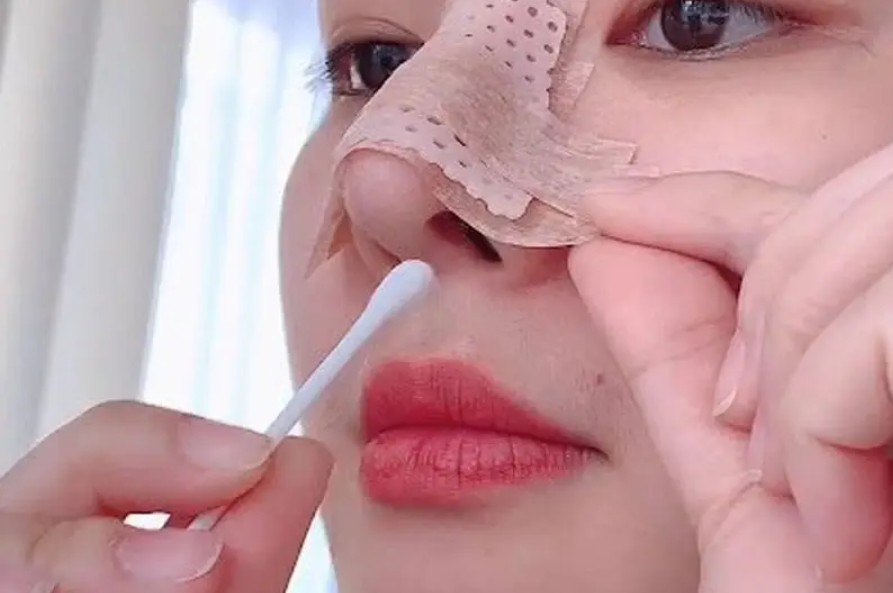
Maintain proper nasal hygiene and limit unnecessary contact with the nose.
From airport pickup on arrival to remote post-op monitoring after you fly home, Kangnam’s end-to-end concierge care travels with you, every step of the way.
V. Cases where flights should be postponed after rhinoplasty
International patients should delay air travel after rhinoplasty in the following situations:
- Increasing swelling or significant pain: Swelling does not subside, or pain persists or worsens over time.
- Unstable incision site: Ongoing fluid discharge, bleeding, or the incision has not fully healed.
- Signs of inflammation or infection: The nose appears red, warm, painful, produces abnormal discharge, or is accompanied by fever.
- Revision or complex rhinoplasty: Structural or corrective procedures require a longer recovery period than simple rhinoplasty.
- No medical clearance yet: You have not received confirmation from your surgeon that your nose is stable enough for air travel.
Experiencing unusual symptoms before your flight? Kangnam’s surgeons offer remote consultations to assess your recovery and confirm whether it’s safe to travel.
VI. FAQ – Frequently Asked Questions from International Patients
1. How long after rhinoplasty can I take an international flight?
In general, international flights are recommended after 10–14 days, when swelling has significantly reduced, nasal tissues are relatively stable, and the nose can better adapt to pressure changes during long flights. The exact timing may vary depending on individual healing and the type of rhinoplasty, so it’s important to consult your surgeon before traveling.
2. Can I fly after 7 days?
It may be considered in some cases with good recovery, minimal swelling, and clear medical approval from your surgeon. However, this is usually only suitable for short flights.
3. Can flying too early cause the nose to shift?
Flying too soon may increase the risk of affecting the nasal shape, especially when the tissues are not yet stable. Cabin pressure changes and prolonged swelling can cause discomfort and slow recovery, which may indirectly impact the nasal form if not properly cared for and monitored.
4. Does cabin pressure affect the nose?
Yes. Cabin pressure during takeoff and landing can cause tightness, mild pain, and increased swelling in a recently operated nose—particularly when tissues are still healing. That’s why flying is recommended only after the swelling phase has passed and recovery has begun to stabilize.
5. Do I need a medical certificate to fly?
A medical certificate is usually not required. However, if you are flying soon after rhinoplasty or traveling internationally, carrying a clearance note from your surgeon can be helpful during check-in or if any issues arise.
6. What should I do if I must fly early for work?
If early travel is unavoidable, you should consult your surgeon for a thorough check-up and fly only after receiving medical clearance. Prepare prescribed medications and nasal care supplies, choose shorter flights if possible, limit physical activity, and closely monitor any unusual symptoms throughout the journey.
International patients can feel confident choosing Kangnam for rhinoplasty, with medically standardized procedures and close post-operative monitoring by experienced surgeons. Clear guidance on safe flying timelines helps ensure smooth international travel while maintaining a stable and natural nasal shape.
Planning your rhinoplasty trip to Vietnam? Get a personalized quote that includes surgery, recovery support, airport transfer, and remote follow-up!