Date posted: 12-01-2026 | Last updated : 14-01-2026
Natural-looking rhinoplasty is a growing trend among international patients seeking aesthetic treatments in Vietnam. However, achieving a balanced nasal shape without obvious signs of cosmetic intervention requires proper medical indications and professional surgical planning based on individual facial anatomy.
I – What Is Considered a Natural-Looking Nose?
A natural-looking nose is one that is harmonious with the overall facial proportions, with balanced alignment between the nasal bridge, nasal tip, and columella. It should not appear overly high or show visible signs of surgical intervention. Below are common clinical criteria used to evaluate a natural and aesthetically pleasing nasal shape:
- A nasal bridge with natural height, not overly concave or excessively straight.
- A nasal tip with gentle projection, refined yet maintaining a soft, natural contour.
- Slim nasal alae with discreet, teardrop-shaped nostrils, contributing to a delicate appearance.
- The angle between the glabella (the area between the eyebrows) and the nasal bridge typically ranges from 120° to 135°, which is considered aesthetically balanced.
- Nasal length accounting for approximately one-third of the total facial length, supporting overall facial harmony

A natural-looking nose should harmonize with the facial features
II – Why Do Some Rhinoplasty Results Look Unnatural?
Some rhinoplasty outcomes appear unnatural due to excessive implant height or improper surgical techniques. Below are common factors that can lead to an unnatural appearance after surgery:
- Over-augmentation of the nasal bridge: Intentionally placing an implant too high to achieve a more “Western-style” nose can make the nose look rigid, cause implant visibility, and place excessive tension on the nasal tip skin.
- Disharmonious nasal proportions: If the surgeon does not individualize the nasal design and instead applies a standard template, the nose may appear mismatched with the patient’s natural facial features, creating an artificial look.
- Overuse of synthetic implants at the nasal tip: Using only synthetic materials for tip augmentation can result in a sharp, hooked, or stiff nasal tip, especially noticeable during facial expressions.
- Inaccurate surgical technique: Improper tissue dissection or incorrect implant placement may lead to nasal deviation, asymmetry, or contracture during the healing process.
III – Techniques for Designing a Natural and Long-Lasting Nasal Shape
To achieve a natural-looking nose with long-term stability, modern rhinoplasty techniques focus on comprehensive structural reconstruction and the use of highly biocompatible materials.
- Structural rhinoplasty: This technique reshapes the entire nasal framework, including the nasal bridge, nasal tip, and columella. Surgeons typically combine premium synthetic implants to enhance the nasal bridge with autologous cartilage (such as ear cartilage or septal cartilage) to support and cover the nasal tip. This approach creates a softer, more natural contour and helps reduce the risk of complications such as tip redness or skin thinning.
- Rib cartilage rhinoplasty: This method uses the patient’s own rib cartilage to reconstruct the nasal support structures and shape the nasal tip. It is considered one of the most durable and biocompatible techniques, making it especially suitable for revision cases, nasal contracture, or patients who are sensitive to synthetic materials.
- Semi-structural rhinoplasty: This technique focuses on correcting specific nasal imperfections and is suitable for patients who already have a relatively good nasal foundation. It involves minimal surgical intervention while still delivering refined and natural-looking results.

Structural rhinoplasty corrects all nasal imperfections
At reputable aesthetic hospitals in Vietnam, such as Kangnam Aesthetic Hospital, structural rhinoplasty and rib cartilage rhinoplasty are performed according to standardized medical protocols to ensure stable and natural outcomes. As a result, many international patients choose Kangnam for rhinoplasty with expectations of both safety and long-term aesthetic effectiveness.
IV – The Surgeon’s Role in Creating a Harmonious Nasal Shape
The surgeon plays a critical role in examining facial proportions, recommending appropriate materials, designing the nasal shape, and performing the surgery—factors that directly determine both aesthetic outcomes and patient safety.
- Clinical assessment: The surgeon measures key facial parameters such as nasal width, facial length, and inter-canthal distance (distance between the eyes) to calculate the most suitable nasal proportions.
- Consultation and material selection: Based on the patient’s tissue characteristics and nasal skin condition, the surgeon will recommend synthetic implants, autologous cartilage, or a combination of both. Proper material selection is essential for long-term stability and natural results.
- Personalized nasal design: Rather than applying a standardized template, the surgeon designs the nasal shape (such as S-line or L-line) according to each patient’s anatomical structure and aesthetic expectations.
- Precise surgical technique: During surgery, the surgeon carefully controls each step of tissue dissection and implant placement to ensure accurate positioning and minimize the risk of deviation or asymmetry.
At Kangnam Aesthetic Hospital, every rhinoplasty case is personally evaluated by surgeons, and an individualized treatment plan is developed before selecting the appropriate technique, ensuring the most harmonious results for each patient.

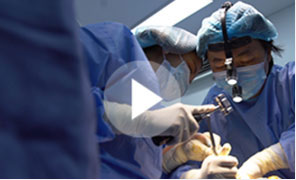
The surgeon performs precise rhinoplasty techniques
V – Important Tips for International Patients Seeking Natural-Looking Rhinoplasty in Vietnam
Rhinoplasty requires careful preparation to ensure both natural results and patient safety. For international patients traveling to Vietnam for nasal surgery, the following considerations are especially important:
- Online consultation before traveling to Vietnam: A video consultation allows the surgeon to accurately assess your current nasal structure and understand your aesthetic goals, helping to propose a harmonious and suitable nasal design in advance.
- Choose a reputable aesthetic medical facility: Priority should be given to licensed aesthetic hospitals with transparent operating credentials and operating rooms equipped with sterile air filtration systems to minimize the risk of infection.
- Plan an appropriate length of stay: International patients are advised to remain in Vietnam for approximately 7–10 days so the surgeon can closely monitor wound healing and perform suture removal before departure.
- Select facilities with airport transfer and nursing support: Hospitals that provide airport pickup services and on-site nursing care can significantly reduce stress and ensure better postoperative support in an unfamiliar environment.
Kangnam Aesthetic Hospital meets essential safety standards for international patients, from preoperative online consultations to sterile operating rooms and comprehensive postoperative support. As a result, the rhinoplasty and recovery process in Vietnam becomes more convenient and reassuring.
VI – Frequently Asked Questions
1. Does structural rhinoplasty help the nose look more natural?
Yes. Structural rhinoplasty tends to produce more natural-looking results because it reconstructs the entire nasal support framework, including the columella, nasal tip, and nasal bridge, rather than only augmenting the bridge as in simpler techniques. This allows the nose to be shaped in harmony with overall facial anatomy.
2. How long does it take for the nose to look natural after surgery?
Typically, noticeable swelling subsides within 7–10 days, allowing patients to resume light daily activities. However, achieving a more natural and stable appearance usually takes about 1–3 months, during which soft tissues and blood vessels heal, internal scar tissue remodels, and the nasal shape becomes fully stabilized.
3. Is autologous cartilage necessary for natural-looking rhinoplasty?
Not every natural-looking rhinoplasty case requires autologous cartilage; however, it is often recommended for nasal tip support to improve safety and softness. Autologous cartilage has high biocompatibility and helps reduce the risk of redness and implant visibility, especially in patients with thin nasal skin or those who have undergone previous nasal surgery.
To achieve a harmonious and natural nasal appearance, patients should undergo proper medical evaluation and receive appropriate surgical indications from qualified surgeons. At reputable facilities such as Kangnam Aesthetic Hospital, consultation and surgical procedures follow standardized protocols aimed at safe and long-lasting results.