Date posted: 31-12-2025 | Last updated : 02-01-2026
Revision rhinoplasty is an advanced aesthetic solution for cases where a previous nose job did not achieve the desired result or where complications occurred after surgery. With the development of modern aesthetic technology, Vietnam is becoming a destination chosen by many international clients for safe, effective revision rhinoplasty at a more affordable cost.
I/ What is revision rhinoplasty?
Revision rhinoplasty is a procedure that corrects complications, defects, or unsatisfactory outcomes from a previous rhinoplasty. Unlike a first-time rhinoplasty, revision surgery requires the surgeon to work on nasal tissues that have already been operated on—often with scar tissue, soft-tissue damage, or changes in the cartilage structure.
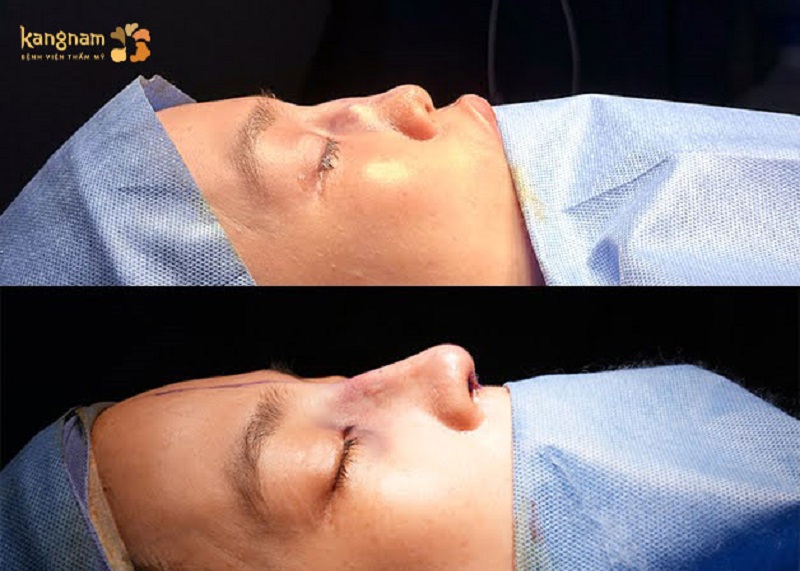
Correcting a botched nose surgery involves fixing flaws from previous procedures.
II/ Common cases that often require revision rhinoplasty
Revision rhinoplasty is suitable for cases where the nose becomes crooked or deviated, cartilage becomes visible, the nose contracts, or complications occur after surgery.
- Crooked, deviated, or curved nose after rhinoplasty: This is a common issue when the nasal support is unstable, the implant/cartilage is placed incorrectly, or the patient has weak soft tissue. The nose may shift slightly or bend noticeably, making the face look unbalanced.
- Visible nasal bridge, shiny/red nasal tip: Thin nasal skin, overly rigid cartilage, or an unsuitable implant can cause redness and a shiny appearance, making the bridge show through the skin—and may even lead to skin perforation if not treated promptly.
- Capsular contracture and progressive shortening over time: Some older augmentation materials can trigger fibrous capsule formation, causing the nose to contract, the tip to rotate upward, and deformities to develop after a few years.
- Bulky, stiff, or unnatural nasal tip: Outdated tip-shaping techniques or lack of experience may result in a tip that feels hard, looks large, and lacks softness—especially noticeable at close distance.
- Results that don’t match the face: Many clients feel their nose looks too high, too long, or not harmonious with their facial features after surgery, leading to a desire for a more natural, balanced revision.
- Severe complications (inflammation, infection, persistent pain): These cases require early revision to protect the nasal structure and overall health. Delaying treatment can cause serious damage and make recovery more difficult.

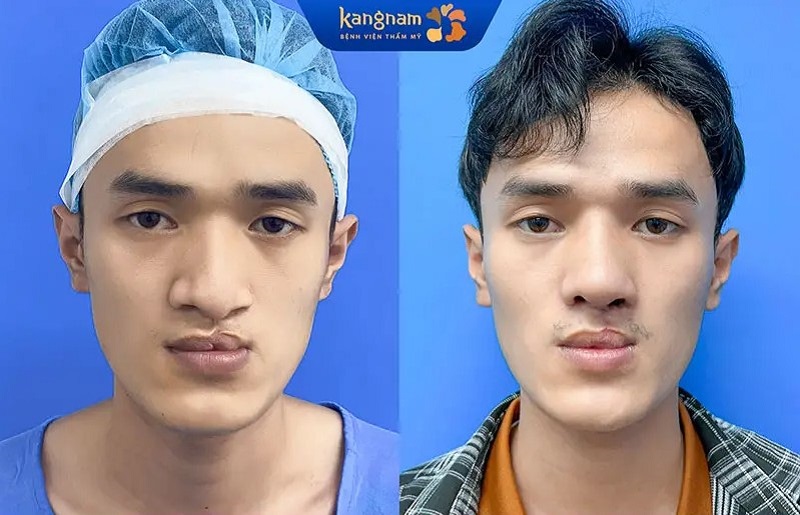
A crooked, deviated, or bumpy nose needs to be corrected.
III/ Why is revision rhinoplasty more complex than a first-time rhinoplasty?
Revision rhinoplasty is more complex than a primary rhinoplasty because the nasal tissues already contain scar tissue, the cartilage framework may have been altered, and available grafting materials can be more limited. The surgeon not only needs to remove the old implant/cartilage but also reconstruct the entire nasal shape—requiring advanced technique, extensive experience, and a highly personalized treatment plan.
- Scar tissue and soft-tissue damage: After a previous surgery, internal nasal tissues may develop adhesions, a fibrous capsule, or weakened soft tissue. This makes dissection and reshaping more difficult, increases the risk of bleeding, and can lengthen operating time.
- Cartilage framework and nasal support may be deformed: In some cases, incorrect placement or unsuitable materials can weaken the nasal support, cause tip contracture, and lead to a deviated bridge.
- More limited material options: In complex revision cases, autologous cartilage (ear cartilage, septal cartilage, or rib cartilage) is often preferred for safety and long-term stability. Harvesting, processing, and sculpting autologous cartilage requires high-level skill and a very experienced surgeon.
The nose surgery process will be more complicated.
IV/ Common revision rhinoplasty methods today
Depending on the condition of the nose and the severity of complications, the surgeon will recommend the most appropriate revision approach. Below are the revision rhinoplasty techniques most commonly used today—especially at major aesthetic centers serving international clients:
- Removal of the old implant/cartilage and reshaping the nose: Used for cases such as a deviated nose, an overly high or rigid-looking bridge, visible implant/cartilage, or an unsuitable nasal shape. The surgeon removes the previous material, addresses scar tissue, and recreates a new nose shape that looks more balanced and natural.
- Revision using autologous (self) cartilage: This is often the preferred method for revision, especially in difficult cases. Ear cartilage, septal cartilage, or rib cartilage may be used to rebuild nasal support and protect the tip, helping the nose look softer and reducing the risk of redness, shine-through, and long-term complications.
- Comprehensive structural revision rhinoplasty: Suitable for severe deformities such as capsular contracture, a shortened nose, weak nasal support, or multiple prior surgeries. This method focuses on reconstructing the entire nasal framework—from the septal support and tip to the bridge—for more stable, long-lasting results.
- Revision combined with high-grade biocompatible materials: In some cases, the surgeon may combine autologous cartilage with highly compatible biomedical materials to achieve a natural-looking bridge height while maintaining safety and minimizing the risk of rejection.
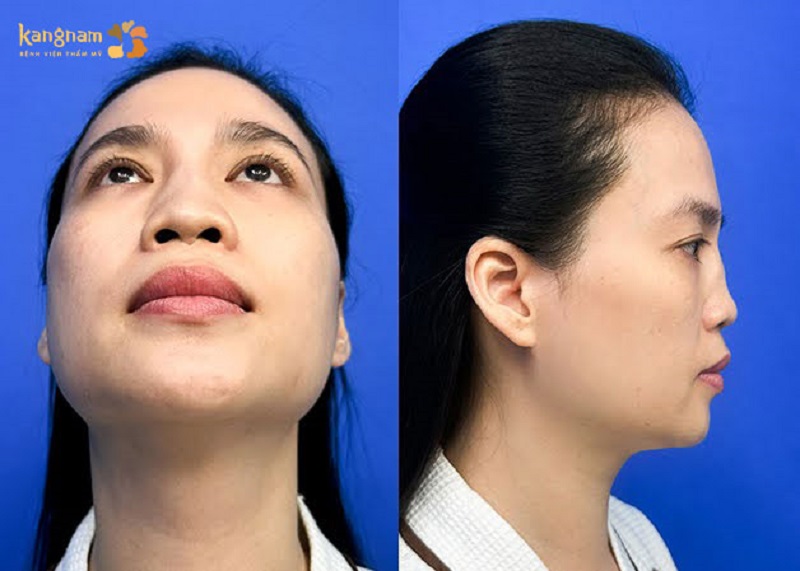
Reconstructive rhinoplasty to completely reshape a damaged nose.
V/ What factors affect the cost of revision rhinoplasty?
The cost of revision rhinoplasty depends on the complexity of the case, the revision technique, the materials used, and the surgeon’s expertise. In addition, the clinic’s standard of care and international patient support services can also influence the total cost.
- Case complexity: Simpler revisions—such as minor correction of deviation or replacing the bridge implant—usually cost less than cases involving capsular contracture, a shortened nose, severe deformity, or multiple previous revisions.
- Revision method: Comprehensive structural reconstruction, rebuilding nasal support, or using autologous cartilage (especially rib cartilage) tends to be more expensive due to the advanced technique and longer operating time.
- Materials used: Autologous cartilage, premium biocompatible materials, or imported high-compatibility materials can improve safety and long-term stability, but typically increase the overall cost compared to standard materials.
- Surgeon expertise and clinic standards: Large, reputable centers with revision rhinoplasty specialists, sterile operating rooms, and international-standard post-op care often have higher fees that reflect quality and safety.
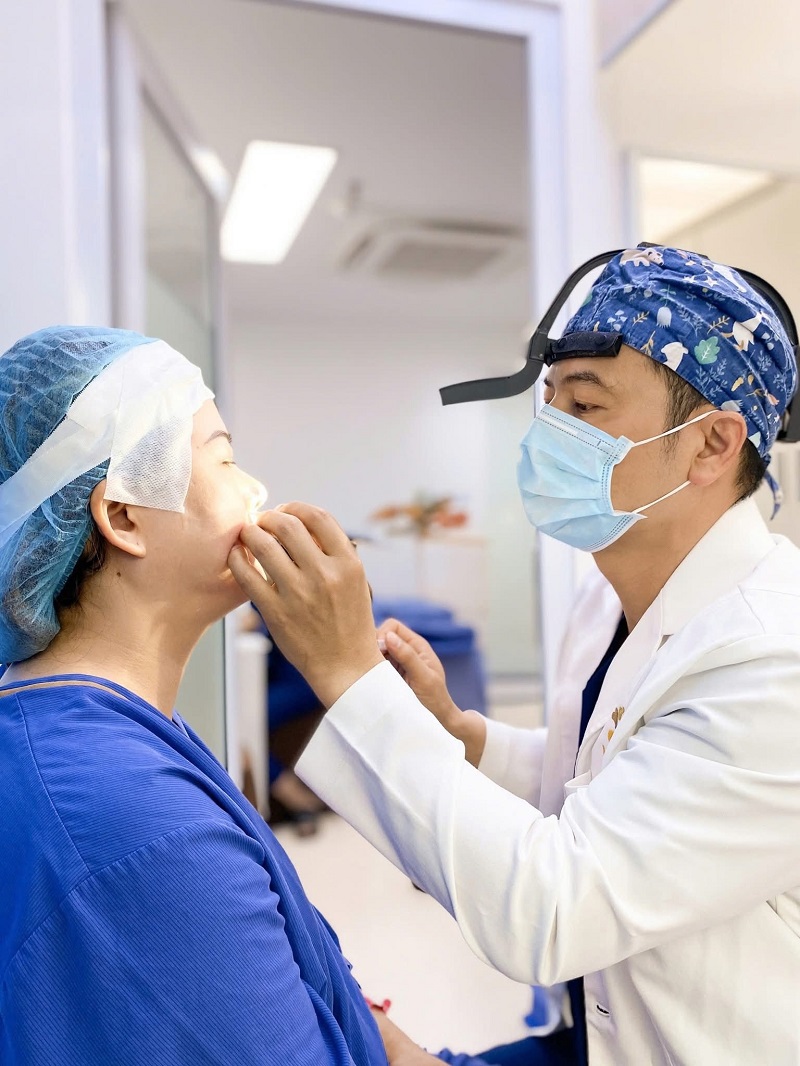
It is important to choose a rhinoplasty surgeon with many years of experience.
VI/ Revision rhinoplasty price list in Vietnam
The cost of revision rhinoplasty currently ranges from USD 1,700 – 3,600 USD depending on the surgical method, each individual’s condition, the clinic/hospital, and the surgeon’s expertise.
Below is the revision rhinoplasty price list at Kangnam Aesthetic Hospital:
| Service | Estimate (USD) |
| Rhinoplasty – Standard | 1700 |
| Rhinoplasty – Advanced | 2300 |
| Rhinoplasty – Perfect | 3600 |
VII/ Recovery time after revision rhinoplasty
Recovery after revision rhinoplasty typically takes 7–14 days for swelling to subside, redness to resolve, and for daily activities to return to normal. The nose becomes noticeably more stable in shape after 1–3 months. For a fully refined result, it may take 3–6 months, depending on individual healing and the extent of the procedure.
- First 5–7 days: Swelling, bruising, and a tight/pressure sensation are common and are considered normal. Stitches are usually removed and the nose is checked after about 7 days.
- Weeks 2–4: Swelling decreases significantly, the nose shape begins to stabilize, and daily routines can generally return to normal.
- After 1–3 months: Most healing has occurred; soft tissues adapt to the new structure, and the nose looks more natural. However, complete stabilization and optimal aesthetic results may take 3–6 months, depending on the patient’s biology and the level of surgical intervention.

A botched or complicated nose job will cost more.
VII/ Where to get revision rhinoplasty in Vietnam for international clients
Kangnam Aesthetic Hospital is a reputable aesthetic medical facility in Vietnam, well known for rhinoplasty and especially for correcting complex failed nose surgeries.
The hospital has received over 2,000 cases involving severe complications and errors from previous surgeries and has successfully treated many clients.
At Kangnam Aesthetic Hospital, every revision rhinoplasty plan for international clients is built as a personalized treatment roadmap, based on the patient’s actual nasal condition and individual aesthetic goals.
- Personalized nose design: Doctors apply AI Face Design technology to analyze facial structure, nasal proportions, and soft-tissue characteristics with high precision.
- 360° nasal reconstruction: The Idol Revision Rhinoplasty approach uses a comprehensive 360° structural reconstruction technique to thoroughly correct defects and complications from prior procedures. Surgeons flexibly combine autologous cartilage with authentic imported biocompatible materials, rebuilding the tip, bridge, and nasal support in a synchronized way.
- Advanced pain-control techniques: Kangnam uses modern pain-management methods so clients feel minimal to no pain. Ultra-fine microsurgical sutures help minimize tissue trauma, support faster recovery, and avoid visible scarring.
- Premium implants/materials: Kangnam prioritizes high-grade implant options such as Nanoform and Surgiform, known for being lightweight, highly biocompatible, and capable of creating a soft, natural-looking shape.
- Directly performed by revision rhinoplasty specialists: Revision cases at Kangnam are performed by specialist surgeons who serve as department heads or deputy heads, such as PhD, MD Richard Huy, Dr. Henry Nguyen, and Dr. Louis Truong, each with at least 10 years of experience handling complex cases. As a result, international client satisfaction is consistently maintained at over 98%.
- Professional post-operative care: International clients receive a dedicated post-op care protocol, including advanced anti-swelling and anti-inflammatory regimens and specialized supportive medication to help the nose stabilize faster and shorten recovery time.
- Long-term warranty policy: Warranty coverage ranges from 10 years to lifetime, depending on the revision method and cartilage/materials used—helping clients feel confident about long-term outcomes and benefits.
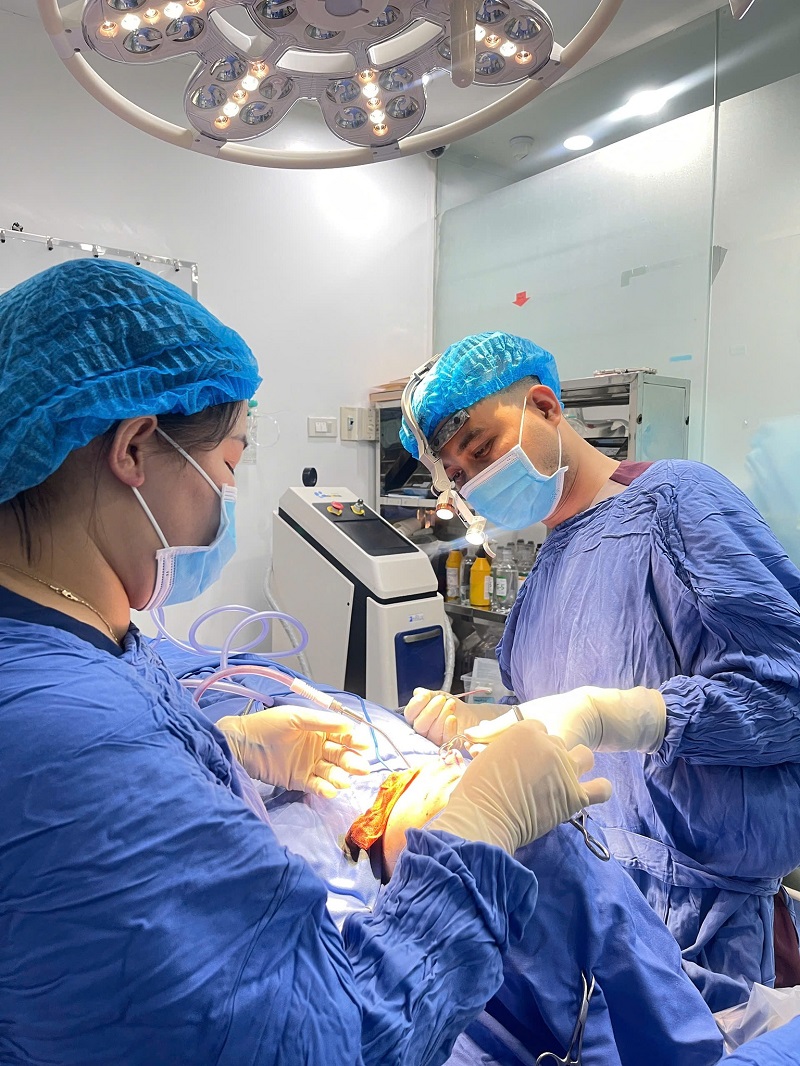
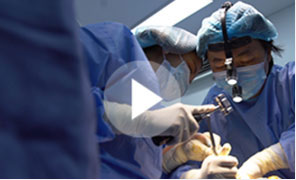
Kangnam Plastic Surgery Hospital has a team of skilled doctors and applies advanced rhinoplasty techniques.
VIII/ Frequently Asked Questions
1/ Is revision rhinoplasty painful?
- Revision rhinoplasty is not painful during the procedure because it is performed using safe pain-control/anesthesia methods.
- After the medication wears off, clients may feel tightness or mild soreness for the first few days, but discomfort is usually manageable and decreases quickly when following the surgeon’s aftercare instructions.
2/ When is the right time for revision rhinoplasty?
- The appropriate timing is typically 6–12 months after the previous rhinoplasty, when nasal tissues have fully stabilized.
- However, in severe complication cases—such as inflammation, infection, implant exposure, or persistent pain—revision may be needed sooner, based on the surgeon’s professional assessment.
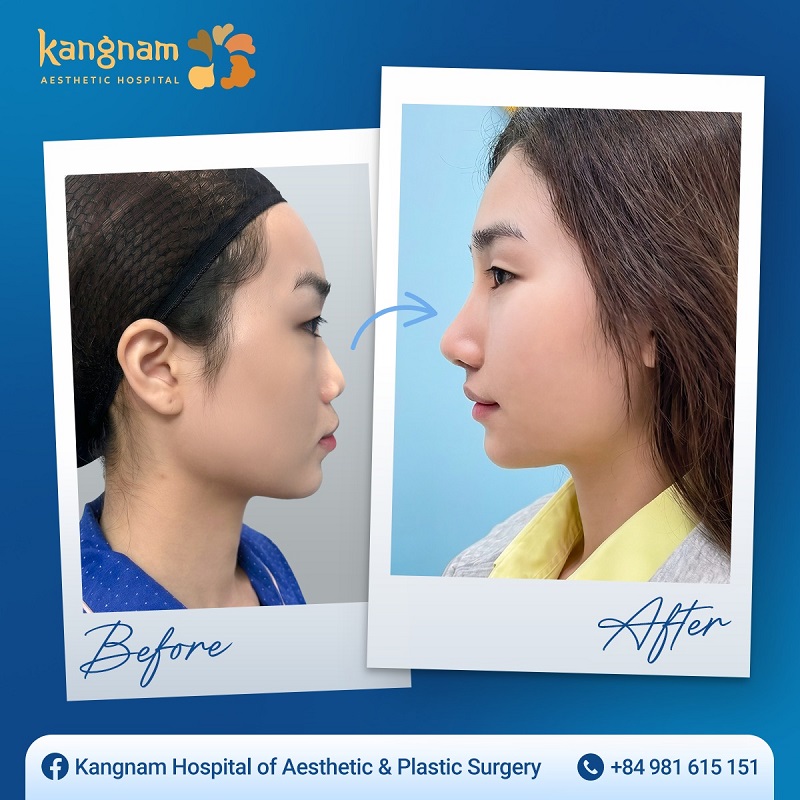
It’s best to wait until the nose has stabilized before performing any corrective surgery.
3/ How long should international clients stay in Vietnam after revision rhinoplasty?
- In general, international clients should stay in Vietnam for 7–10 days after revision surgery for follow-up visits, stitch removal, and monitoring of early healing.
- After returning home, the surgeon will continue to provide remote guidance and follow-up to ensure stable, long-term results.
Revision rhinoplasty should be done at a trusted facility from the beginning to ensure safety and long-lasting results. If you are looking for a specialized revision rhinoplasty center in Vietnam with experienced surgeons and modern technology, Kangnam Aesthetic Hospital is a reliable choice. Contact us today for online consultation and a personalized revision rhinoplasty treatment plan tailored to you.