Date posted: 29-12-2025 | Last updated : 25-05-2026
Facial cosmetic surgery has become a popular trend among international patients, helping to enhance facial features, improve overall harmony, and achieve a more youthful appearance. In Vietnam, these procedures are performed safely by highly experienced surgeons, utilizing advanced medical technologies.
I – What Is Facial Cosmetic Surgery?
Facial cosmetic surgery refers to medical procedures designed to alter facial contours, adjust structural features, or improve skin quality. The primary goal is to create a more harmonious and balanced appearance, as well as to correct imperfections caused by congenital conditions, accidents, or the natural aging process.
Benefits of facial cosmetic surgery include:
- Enhancing facial balance and overall harmony
- Improving self-confidence while maintaining a natural appearance
- Correcting congenital defects, trauma-related issues, or age-related changes
- Combining aesthetic improvement with functional correction, such as protruding jaws, underbite, or drooping eyelids.

Eyelid surgery adds a refined focal point to the face, enhancing overall balance and expressiveness.
II – Why Are More People Choosing Facial Cosmetic Surgery?
An increasing number of individuals are opting for facial cosmetic surgery because the face plays a crucial role in creating first impressions and expressing personal beauty and individuality. In addition, modern facial aesthetic procedures offer fast, safe, and long-lasting improvements.
Key reasons facial cosmetic surgery continues to gain popularity include:
- The desire to achieve balanced and harmonious facial features
- The need to correct imperfections caused by congenital factors, accidents, or aging
- Increased self-confidence in both professional and personal life
- The application of advanced technologies that minimize discomfort and shorten recovery time.
The growing confidence in facial cosmetic surgery is backed by thousands of documented outcomes. At Kangnam, real patient results demonstrate what modern facial surgery in Vietnam can achieve:
III – Top 7 Most Popular Facial Aesthetic Procedures
Rhinoplasty, eye surgery, maxillofacial contouring, facial rejuvenation, fat grafting, and revision surgery are among the most commonly performed facial aesthetic procedures.
1. Rhinoplasty (Nose Cosmetic Surgery)
- Objective: To reshape the nasal bones, cartilage, and soft tissues in order to achieve a higher, straighter nose that enhances facial balance and corrects abnormalities such as deviation, a dorsal hump, or previous surgical complications.
- Candidates: Individuals with a low or flat nasal bridge, wide nose, deviated nose, or those who are dissatisfied with their current nasal shape.
- Common techniques: Nasal bridge augmentation, alar reduction, tip refinement, structural rhinoplasty, autologous cartilage rhinoplasty, and synthetic implant rhinoplasty.
- Results: A refined, well-proportioned nasal shape that harmonizes with the face and delivers long-lasting stability.

Rhinoplasty helps create a well-defined, elegant facial profile.
2. Eye Cosmetic Surgery
- Objective: These procedures target the eyelid area to create defined eyelid creases, remove excess skin and fat, and restore a brighter, more youthful eye appearance.
- Candidates: Individuals with monolids, ptosis (drooping eyelids), eye bags, or signs of aging around the eyes.
- Common techniques: Upper blepharoplasty, ptosis correction, and upper/lower eyelid fat removal.
- Results: Well-balanced double eyelids with improved expressiveness, enhancing the overall facial aesthetics.

The face appears more youthful after eyelid surgery.
3. Maxillofacial Contouring Surgery
- Objective: To modify the jawbone, cheekbones, or chin structure in order to achieve a slimmer, more balanced facial contour while improving chewing function.
- Candidates: Individuals with a wide jaw, prominent cheekbones, asymmetrical chin, or severe protrusion or retrusion of the jaws.
- Common techniques: V-line jaw reduction, chin contouring, cheekbone reduction, chin augmentation (including autologous options), and corrective surgery for protruding or recessed jaws.
- Results: A more harmonious facial proportion with improved aesthetics and functional balance.

Correcting jaw asymmetry helps restore facial balance and harmony.
4. Facial Rejuvenation and Facelift Surgery
- Objective: To eliminate sagging skin and deep wrinkles by lifting and stabilizing the skin and underlying facial muscles, resulting in a more youthful appearance.
- Candidates: Individuals over the age of 40 with visible signs of facial aging.
- Common techniques: Full facelift, mid-face lift, and neck lift.
- Results: A rejuvenated appearance, typically making the face look 5–10 years younger with naturally firm skin.

A facelift can help patients look up to 10 years younger.
5. Autologous Fat Grafting to the Face
- Objective: To harvest fat from the body and transfer it to hollow or sunken areas of the face, enhancing facial volume and improving skin quality.
- Candidates: Individuals with hollow cheeks, sunken temples, deep nasolabial folds, or a gaunt facial appearance.
- Common techniques: Fat grafting to the cheeks, temples, smile lines, and under-eye hollows.
- Results: A fuller, softer, and more radiant facial appearance.

Autologous fat grafting restores a youthful, fuller appearance to the face.
6. Revision (Corrective) Cosmetic Surgery
- Objective: To correct complications or unsatisfactory outcomes from previous cosmetic procedures, restoring both aesthetics and safety.
- Candidates: Individuals experiencing nasal deviation, eyelid deformities, implant exposure, or noticeable scarring.
- Common techniques: Revision rhinoplasty, eyelid revision surgery, and reconstruction of damaged soft tissue and structural components.
- Results: Restoration of a natural appearance with long-term stability.

Successful revision rhinoplasty restores a natural, aesthetically pleasing appearance.
IV – Who Is Suitable for Facial Cosmetic Surgery?
Facial cosmetic surgery is not only for those seeking ideal beauty, but also an effective solution for individuals who wish to correct imperfections and gain greater self-confidence. Below are the groups of candidates who may be suitable for facial cosmetic surgery:
- Individuals with imbalanced facial structures, such as a flat nose, monolids, protruding or recessed jaws, prominent cheekbones, or a receding chin
- Those who have experienced trauma or facial deformities due to accidents, burns, or reconstructive surgeries for medical conditions
- Individuals with sagging skin, drooping eyelids, sunken cheeks, or pronounced wrinkles
- People in stable overall health
- Individuals with psychological readiness and realistic expectations regarding surgical outcomes
- Adults aged 18 and above, when facial bone development has fully matured
V – Key Factors to Consider When Choosing Facial Cosmetic Surgery
The surgeon’s expertise, surgical techniques and technology, safety protocols, personalized facial assessment, and realistic expectations are essential factors to carefully consider before undergoing facial cosmetic surgery.
- Surgeon expertise: This factor determines up to 80% of the success of the procedure. A skilled surgeon not only possesses advanced technical proficiency but also a refined aesthetic sense. Patients should choose surgeons with valid medical licenses and extensive clinical experience.
- Techniques & technology: The support of modern technologies, such as 3D simulation, allows patients to visualize potential outcomes in advance and minimizes the risk of inaccuracies. Advanced surgical techniques also enable minimally invasive procedures, reducing discomfort and trauma.
- Safety standards: All procedures should be performed under strict sterile conditions at fully equipped hospitals with comprehensive emergency support systems. Proper post-operative care and adherence to medical guidelines promote faster healing and help prevent complications.
- Personalized facial assessment: Each individual has a unique facial bone structure, soft tissue composition, and facial proportions. A thorough analysis is necessary to determine the most appropriate surgical approach.
- Realistic expectations: Facial cosmetic surgery enhances facial features based on the existing foundation rather than creating a completely different appearance. Understanding the limitations of aesthetic procedures and maintaining realistic expectations helps patients feel more comfortable and achieve greater satisfaction with the results.

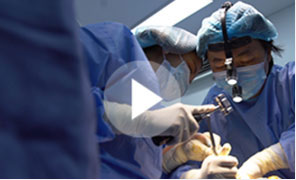
The surgeon is a crucial factor in the success of cosmetic surgery.
VI – What Are the Risks of Facial Cosmetic Surgery?
Although facial cosmetic surgery can bring significant aesthetic improvements, it is still an invasive medical intervention and therefore carries certain inherent risks.
- Infection: Infections may occur at the incision site if sterile protocols are not strictly followed or if post-operative care is inadequate, potentially causing prolonged swelling, pus formation, and pain.
- Adverse reactions to anesthesia: Some individuals may experience allergic reactions to local or general anesthesia, which can lead to anaphylactic shock or respiratory complications during surgery.
- Hematoma and bruising: Blood may accumulate beneath the skin, resulting in severe swelling and bruising. In some cases, additional procedures may be required to drain the accumulated blood.
- Nerve damage: Deep surgical procedures, such as jaw contouring or facelifts, carry a risk of nerve injury, which may cause numbness, loss of sensation, or temporary or permanent facial muscle paralysis.
- Unfavorable scarring: Depending on individual healing tendencies and suturing techniques, incisions may result in hypertrophic scars, dark scars, or uneven pigmentation, affecting overall aesthetics.
- Asymmetrical results: After recovery, certain facial features may appear misaligned or disproportionate, potentially requiring revision surgery to achieve better balance and harmony.
VII – Why Do International Patients Choose Facial Cosmetic Surgery in Vietnam?
Vietnam is increasingly attracting international patients and overseas Vietnamese seeking facial cosmetic surgery, thanks to highly qualified surgeons, advanced techniques, reasonable costs, time efficiency, and the ability to combine aesthetic treatments with travel.
- Highly qualified surgeons: Plastic surgeons in Vietnam receive formal training in leading medical countries such as South Korea, Thailand, and the United States. With experience performing thousands of clinical cases each year, they demonstrate exceptional technical skill and aesthetic precision.
- Advanced techniques: Vietnamese surgeons have a deep understanding of Asian facial bone structures and skin characteristics. As a result, eye, nose, and maxillofacial procedures are designed to achieve natural-looking results without rigidity or artificial appearance.
- Reasonable costs: Compared to countries such as the United States, Australia, or South Korea, cosmetic surgery costs in Vietnam are typically 30–50% lower while maintaining comparable quality standards.
- Time efficiency: Scheduling and treatment processes at aesthetic facilities in Vietnam are fast and efficient, eliminating the need for months-long waiting periods common in many developed countries.
- Combining beauty treatments with travel: Vietnam offers a wide range of scenic destinations and a rich culinary culture, making it an ideal location for patients to relax and recover while enjoying a memorable travel experience.

International patients traveling to Vietnam for cosmetic surgery enjoy a wide range of exclusive privileges
VIII – Facial Cosmetic Surgery Services at Kangnam Aesthetic Hospital
Kangnam Aesthetic Hospital is a leading and reputable aesthetic medical center in Vietnam, equipped with a comprehensive system of specialized departments that meet international standards. Kangnam continuously updates advanced technologies and offers a wide range of aesthetic services, from minimally invasive procedures to complex surgeries, catering to diverse beauty needs.
In particular, Kangnam’s facial cosmetic surgery services are highly trusted and chosen by international patients for their harmonious results and professional care programs.
- Rhinoplasty services: Idol Structural Rhinoplasty, 6D Structural Rhinoplasty, revision rhinoplasty, alar base reduction, and dorsal hump reduction.
- Eye aesthetic surgery: Plasma eyelid surgery, 6D eyelid surgery, Perfect Eyes blepharoplasty, under-eye fat removal, medial/lateral canthoplasty, and eyebrow lifting for rejuvenation.
- Maxillofacial contouring: 3D V-line jaw reduction, cheekbone reduction, complex corrective surgery for protruding or recessed jaws, and V-line chin augmentation.
- Autologous fat grafting: Full-face fat grafting, correction of sunken cheeks, temples, and nasolabial folds using Biofat technology.
- Other minimally invasive procedures: Dimple creation, heart-shaped lip contouring, double chin liposuction, and temple augmentation.
IX – Frequently Asked Questions
Can multiple facial cosmetic procedures be combined??
Yes. Multiple facial cosmetic procedures can be safely combined if the patient’s overall health allows and the treatment plan is carefully evaluated by a qualified surgeon. This approach helps enhance overall facial harmony, reduce the number of surgical sessions, and optimize recovery time.
How long is the recovery period after facial cosmetic surgery?
Recovery time depends on the extent of the procedure. In most cases, swelling and bruising significantly subside within 1–2 weeks, allowing patients to resume light daily activities. Final, stable results are typically achieved within 1–3 months once the soft tissues have fully healed.
Facial cosmetic surgery is a safe and effective solution for improving appearance when performed under proper medical indications. Choosing a reputable facility and highly qualified surgeons plays a crucial role in achieving natural, long-lasting aesthetic results.
For a comprehensive consultation covering all facial cosmetic surgery options available at Kangnam, please submit your details below. Our international client care team will prepare a tailored treatment plan and respond within 24 hours.