Date posted: 21-07-2026 | Last updated : 27-07-2026
Proper eye and incision care after eyelid surgery plays an important role in helping the eyelids heal, reducing the risk of complications, and allowing the new crease to settle naturally.
For overseas Vietnamese patients or those who live far from the treating hospital, postoperative care should be planned carefully and followed according to the surgeon’s instructions.
Cleaning the eyelid area correctly may help:
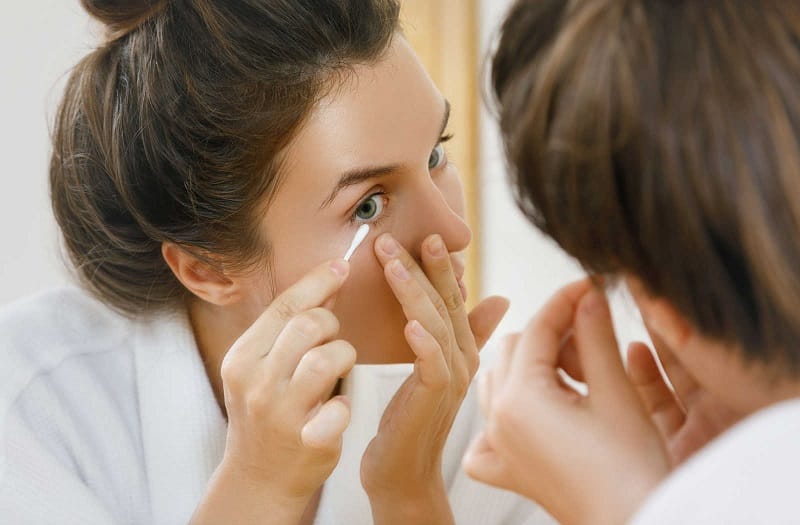
Proper eyelid cleaning supports wound healing after blepharoplasty.
Incorrect care may contribute to:
Gentle and regular cleaning may also prevent dried discharge from accumulating along the incision.
However, cleaning the eyelids more frequently or more aggressively does not make them heal faster. Excessive rubbing or repeated use of unsuitable antiseptic products may irritate the skin and delay recovery.
Patients can review broader postoperative restrictions in What Should You Avoid After Eyelid Surgery?.
The exact cleaning method should follow the instructions provided by the treating surgeon.
Patients may be advised to use sterile gauze or a clean cotton swab moistened with sterile saline to gently clean the eyelid area.
Cleaning may be recommended once or twice daily, but the frequency depends on:
A general cleaning process may include the following steps.
Wash your hands thoroughly with soap and clean running water before touching the eyelid area.
Dry them with a clean disposable towel or allow them to air-dry.
Use only supplies recommended by the medical team, such as:
Do not allow the bottle opening or cotton-swab tip to touch an unclean surface.
Moisten the gauze with saline and gently wipe the skin around the eyelid.
Avoid pressing firmly on the incision or pulling the eyelid.
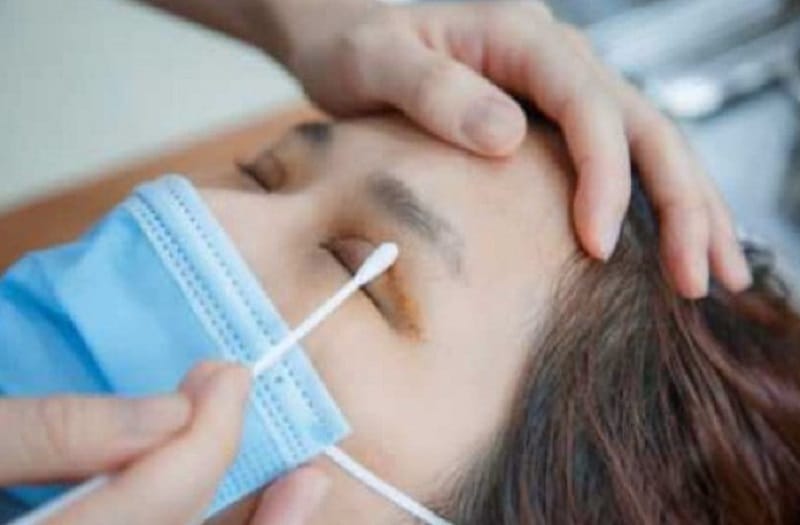
Sterile saline and a clean cotton swab may be used to remove dried discharge around the incision.
If the surgeon has permitted direct incision cleaning, use a moistened cotton swab to soften and gently remove dried blood or discharge.
Do not scrape off firmly attached scabs.
Scabs should normally be allowed to loosen naturally unless the medical team provides different instructions.
Do not:
These actions may increase pain, reopen the incision, or affect healing.
Allow the area to air-dry or gently blot moisture with sterile dry gauze.
Do not use a hair dryer or fan directly on the wound.
An antibiotic ointment or another topical medication may be applied when prescribed by the doctor.
Patients should use only the recommended amount and duration.
Routine antibiotic ointment is not necessary for every patient, and prolonged use may cause irritation or allergic contact dermatitis in some people.
Several common mistakes may affect recovery after eyelid surgery.
During the early recovery period, patients may be instructed to avoid washing the incision directly with tap water.
The appropriate advice depends on local water quality, wound condition, and the surgeon’s protocol.
Patients should use sterile saline when specifically instructed and should not soak the incision.
Reusable towels, cotton pads, or cloths may contain bacteria, cosmetic residue, or detergent.
Avoid using:
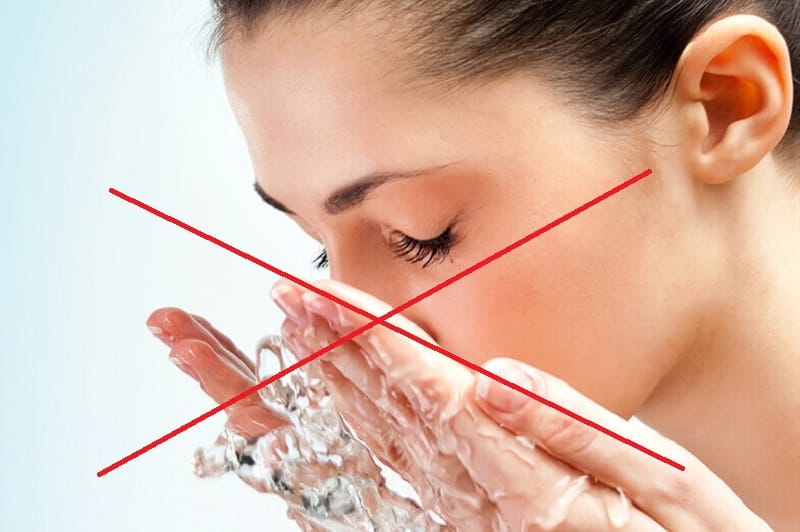
Do not use unclean tap water or reusable cloths directly on a fresh eyelid incision.
Forceful cleaning may:
Cleaning should be gentle and limited to what is necessary.
Patients should not independently apply:
Unsuitable products may cause irritation, delayed healing, allergic reactions, increased eye pressure, or other complications.
Repeated cleaning throughout the day may dry and irritate the eyelid skin.
Unless otherwise advised, patients should not clean the area every few hours simply to make it feel “more sterile.”
Alcohol, hydrogen peroxide, concentrated iodine, and other strong antiseptics may damage healing tissue and irritate the eyes.
They should not be used unless specifically prescribed and demonstrated by the medical team.
Patients can learn more about the expected recovery timeline in How Long Does It Take for Eyelid Surgery to Heal?.
Overseas Vietnamese patients, people living far from the hospital, or those planning to travel soon after surgery should prepare their postoperative supplies and follow-up arrangements in advance.
Before leaving Vietnam, patients should confirm that they have:
Medication should remain in its original packaging, particularly during international travel.
Patients should not assume that it is safe to fly immediately after eyelid surgery.
The surgeon should assess:
Cabin pressure does not usually damage a normally healing eyelid incision, but long-distance travel may worsen swelling, dryness, fatigue, and access to urgent care.
Patients who are cleared to fly may be advised to:
Ordinary sunglasses or glasses may protect against dust and accidental touching, but they do not replace wound care.
Patients may remain in contact through channels such as:
Clear photographs may help the medical team assess swelling or wound appearance.
Remote follow-up does not replace urgent in-person care when serious symptoms develop.
Patients may benefit from staying in Vietnam for at least seven to ten days to allow time for:
Some sutures may need to be removed earlier or later depending on the surgical technique.
Patients are often advised to avoid eye makeup and contact lenses for approximately one to two weeks or until the surgeon confirms that the incision has healed adequately.

Eye makeup should not be applied while the incision remains open or irritated.
Applying makeup too early may introduce bacteria, cause irritation, or require rubbing during removal.
Contact lenses may increase dryness and require manipulation of the eyelids.
Patients should continue following the surgeon’s instructions even after returning home.
They should not stop wound care simply because swelling has improved.
Patients who follow appropriate postoperative instructions may experience a smoother eyelid recovery.
Kangnam provides individual postoperative instructions based on the patient’s procedure and condition.
Selected services may include:
The original content states that Plasma treatment disinfects the wound and reduces complications by 90%. This should not be treated as a guaranteed clinical result unless supported by evidence for the exact device and protocol.
Plasma-assisted care may be used to support comfort or wound management, but it cannot replace:
Patients should contact the hospital or seek urgent medical care if they experience:
Cleaning the eyes correctly after eyelid surgery helps protect the incision and support normal healing.
Patients should use clean hands, sterile supplies when recommended, gentle movements, and only medication prescribed by the treating doctor.
They should avoid forceful rubbing, repeated cleaning, unclean towels, strong antiseptics, and unapproved eye products.
Overseas Vietnamese patients should prepare enough supplies, arrange follow-up care, and remain in Vietnam long enough for an early postoperative examination whenever possible.
What Should You Avoid After Eyelid Surgery?