
Date posted: 21-07-2026 | Last updated : 25-07-2026
“How long does it take for filler to dissolve completely?” is a common concern among people who want to correct or remove an unsatisfactory aesthetic result. With advances in modern aesthetic medicine, filler dissolution has become easier to control and is generally associated with fewer complications when performed correctly.
Hyaluronidase begins working immediately, and hyaluronic acid filler commonly dissolves within approximately 24–48 hours after the injection.
The exact timeframe depends on:
Although many fillers can naturally break down over approximately 6–24 months, hyaluronidase injection is a faster and more controlled method of removing hyaluronic acid filler when correction or complication management is required.
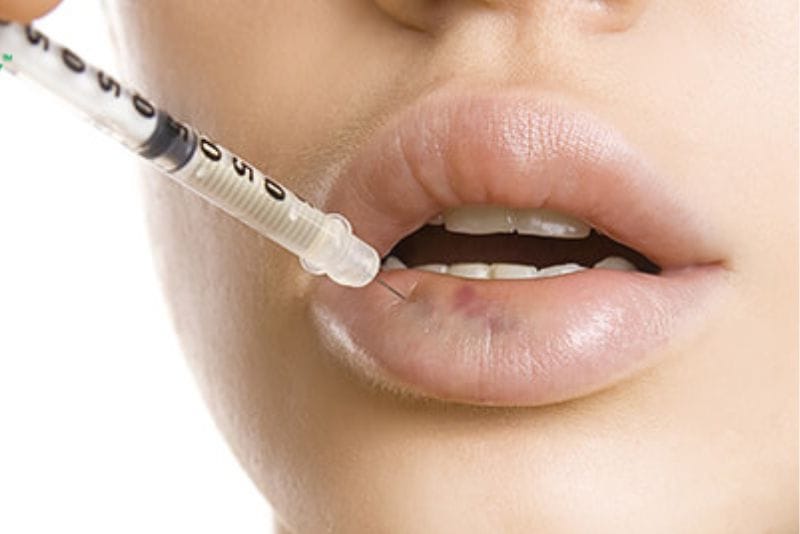
Filler-dissolving injections commonly begin working within 24–48 hours.
After injection, hyaluronidase breaks down the hyaluronic acid molecules in the filler into smaller components, allowing the body to absorb and eliminate them more easily.
As the filler dissolves, the treated area gradually loses volume. This may reveal the original concerns that were present before filler treatment, such as:
Additional information about filler breakdown is available in How Long Until Filler Fully Dissolves?.
Filler can be injected again after the previous filler has dissolved and the treated tissue has recovered.
Filler dissolution is sometimes performed to remove an unsuitable or poorly positioned product before a new filler treatment is planned.
Patients are commonly advised to wait approximately two to four weeks after hyaluronidase injection before receiving new filler. This allows time for:

Filler may be injected again once the treated area has fully recovered.
Important considerations include:
The exact waiting period should be determined by the doctor based on the condition of the treated area.
Filler-dissolving injections may cause a mild stinging or burning sensation. Topical or local anaesthesia may be used to reduce discomfort.
After the injection, some patients may experience:
These symptoms are usually mild to moderate and often improve within several days when appropriate aftercare is followed.
However, the degree of discomfort varies between patients. Hyaluronidase may occasionally cause a more significant allergic reaction, so patients should report any previous allergy to insect stings, medications, or hyaluronidase before treatment.

Topical anaesthesia may help reduce discomfort during filler-dissolving injections.
Hyaluronidase injection is generally considered safe when performed correctly by a qualified medical practitioner.
Temporary side effects may include:
These reactions may occur because the body is responding to the injection or the hyaluronidase enzyme. They commonly improve within a few days.
In rare cases, patients may develop an allergic reaction. Warning signs may include:
These symptoms require urgent medical attention.
Incorrect injection technique, poor infection-control standards, or treatment at an unqualified facility may increase the risk of complications, including:
It is important to distinguish between complications caused by the original filler injection and those related to the dissolving procedure. Hyaluronidase is commonly used to manage hyaluronic acid filler complications, including suspected vascular occlusion.
Patients concerned about serious filler complications may refer to Signs of Filler Necrosis.
Many overseas Vietnamese patients choose Kangnam Aesthetic Hospital for filler treatment because of its filler products, medical team, and treatment process.
Kangnam uses filler products such as Juvéderm, Xcelens, and E.P.T.Q. Patients should be shown clear information regarding:
Claims regarding FDA approval should apply only to the exact product and indication listed by the relevant regulatory authority. Not every filler brand, product line, or treatment area has the same regulatory status.
Filler injections at Kangnam are performed by experienced doctors who assess the patient’s facial anatomy and aim to create a natural-looking result that remains balanced with the overall facial structure.
For overseas Vietnamese patients with a limited period of stay in Vietnam, filler treatment may be suitable because:
However, filler injections are not completely painless or risk-free, and swelling or bruising may occur.

Kangnam uses traceable filler products selected according to each treatment plan.
The combination of appropriately selected filler, qualified doctors, sterile treatment conditions, and follow-up care is important for reducing risks and achieving a suitable aesthetic result.
Patients should register for a consultation so that a Kangnam dermatologist or qualified doctor can examine the treatment area and develop an appropriate filler plan.
The time required for filler to dissolve completely depends not only on the number of hours or days after treatment, but also on the type of filler, amount injected, condition of the tissue, dose of hyaluronidase, and the practitioner’s technique.
Patients should receive a detailed consultation before deciding whether filler dissolution is necessary and when repeat filler treatment may be performed safely.
How Long Until Filler Fully Dissolves?