Date posted: 22-07-2026 | Last updated : 29-07-2026
Signs of tissue necrosis after filler injection may appear following the procedure and can lead to dangerous complications. Recognizing these symptoms early allows timely intervention and helps protect the patient’s health.
Tissue necrosis after filler injection occurs when filler injected into the soft tissue obstructs a blood vessel, interrupting blood circulation and reducing oxygen supply. As a result, skin tissue cells gradually die, causing serious damage to the treated area.
This condition mainly occurs when filler is injected near major blood vessels or when the injection technique is incorrect. It may lead to severe complications if not treated promptly.
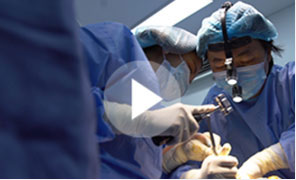
Tissue necrosis after filler injection affects both health and appearance.
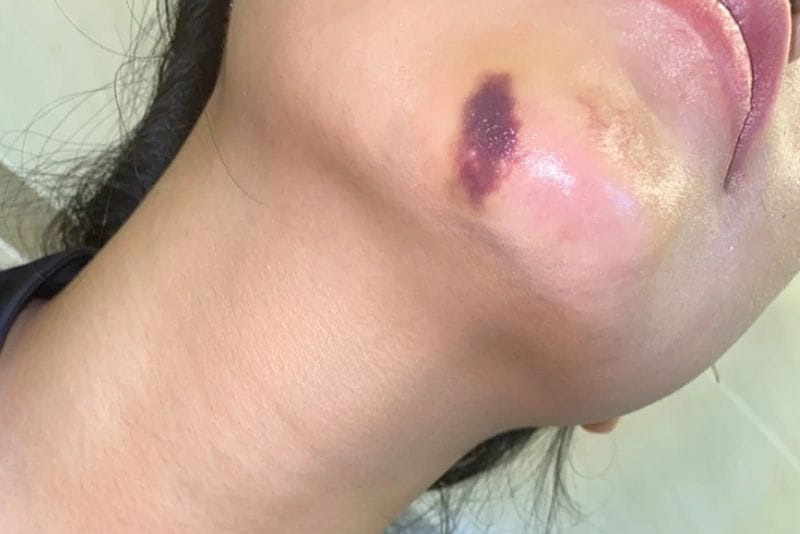
Signs of tissue necrosis after filler injection include severe pain, swollen and red skin, bruising, uneven contours, hard lumps, ulceration, bleeding, discharge, purple discoloration, and numbness. Specific symptoms include:
When tissue necrosis occurs after filler injection, the treated area may develop severe and persistent pain that does not improve even after pain medication is taken.
The pain may appear immediately after injection or several days later and often indicates oxygen deprivation and tissue damage.
A clear sign of tissue necrosis is swelling, redness, and bruising in the treated area. This swelling may not simply be a normal reaction but could indicate blood vessel obstruction and insufficient blood supply to the affected tissue.
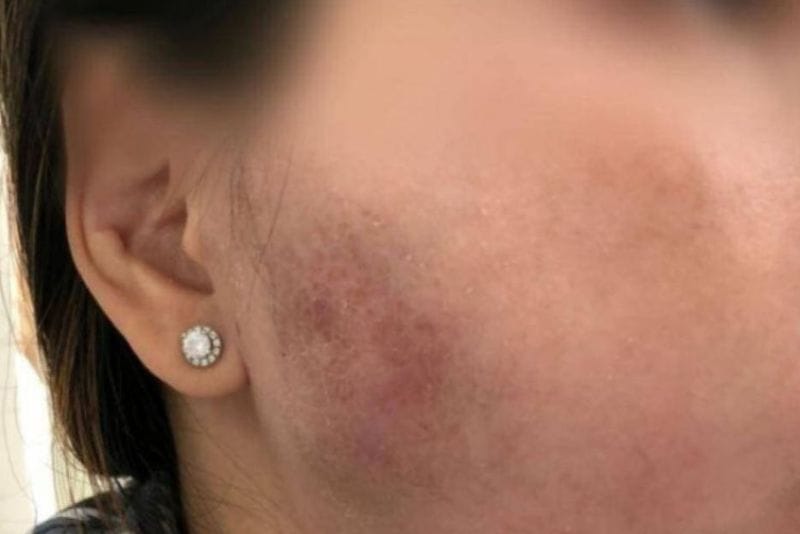
Swelling and redness after filler injection may indicate a dangerous complication.
Hard nodules or uneven contours may appear in the filler-treated area. This may result from filler being distributed unevenly, forming small lumps, or reacting with surrounding tissue because of an inadequate blood supply.
Tissue necrosis may severely damage the skin, leading to ulceration, bleeding, or wounds that do not heal. This is a serious warning sign that requires immediate medical intervention.
When skin tissue becomes necrotic, mucus-like fluid or pus may be discharged from the injection area. This indicates infection and tissue breakdown and requires immediate treatment to prevent the infection from worsening.
The affected skin may turn purple or bluish-black because of insufficient blood and oxygen supply to the tissue. This is a clear sign of tissue necrosis and a warning that immediate treatment is required.
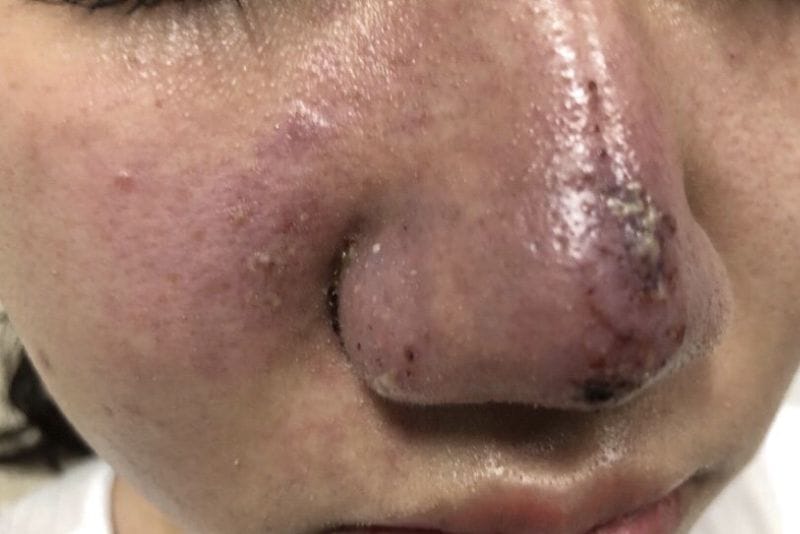
Purple or discolored skin after filler injection.
When a blood vessel becomes obstructed, the treated area may become numb or lose sensation. This indicates serious damage to the nerves or blood vessels and requires prompt treatment to prevent long-term injury.
Common causes of tissue necrosis after filler injection include incorrect injection techniques, unsuitable filler selection, allergic reactions, and infection.
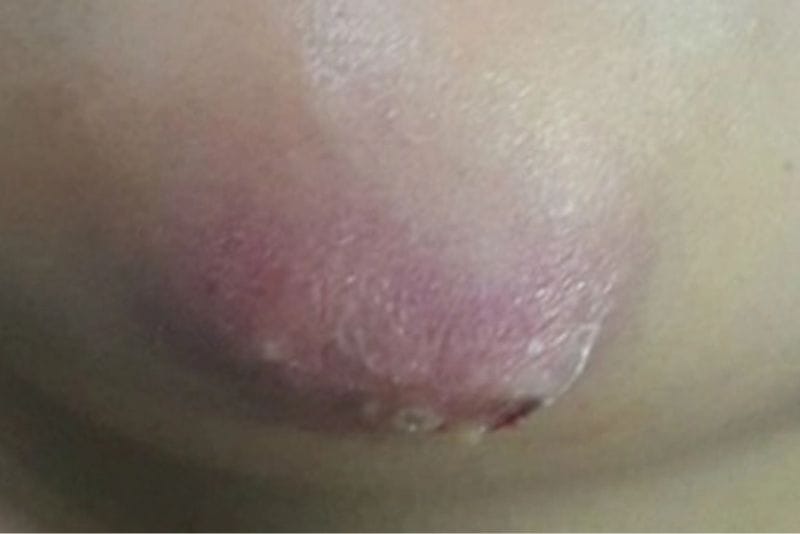
The body may react to the filler, causing swelling, redness, pain, and discharge.
To prevent tissue necrosis after filler injection, selecting a reputable aesthetic facility and qualified doctor is extremely important. A highly trained and experienced doctor understands human anatomy, blood vessel locations, and safe filler injection techniques.
A reputable aesthetic facility also ensures that licensed, high-quality fillers are used and that appropriate equipment and facilities are available to meet safety requirements.

Choose a reputable aesthetic facility to ensure safe filler injections.
The doctor needs to examine the patient’s skin condition, facial structure, medical history, and allergies. This helps determine whether the patient is suitable for filler injection and whether any modifications to the injection procedure are required to minimize risks.
A thorough examination also allows potential problems to be detected early so that an appropriate treatment plan can be recommended.
Following the doctor’s post-treatment care instructions is essential for preventing complications, including tissue necrosis.
Patients should avoid massaging or applying pressure to the recently treated area, minimize external pressure on the injection site, and follow an appropriate diet and rest schedule.
Safe filler injection services at Kangnam Aesthetic Hospital are chosen by many overseas Vietnamese patients because of the experienced dermatology team, the use of genuine quality-certified fillers, and injection techniques designed to minimize the risk of vascular obstruction.
At Kangnam, examinations and procedures are performed directly by dermatology and aesthetic medicine specialists with many years of experience in dermal filler injections.
Doctors accurately assess the patient’s skin structure, degree of aging, and individual needs. This is particularly important for overseas Vietnamese patients because their time in Vietnam is often limited, requiring an accurate treatment plan from the beginning to minimize risks and avoid repeated corrections.
Kangnam is committed to using 100% genuine fillers licensed for circulation by the Ministry of Health, with complete labels and clearly verified origins.
Common filler brands used include Juvederm from the United States, Restylane from Sweden, Teosyal from Switzerland, and E.P.T.Q.
These are reputable global brands with high purity and good biocompatibility, helping reduce the risk of lump formation, inflammation, infection, and unwanted reactions after injection.
Doctors at Kangnam apply precise injection techniques, inject into the correct tissue layer, carefully control the dosage, and prioritize the use of cannulas in high-risk areas.
Before injection, the doctor performs aspiration to check for blood vessels, helping minimize the risk of filler entering the vascular system.

Precise injection techniques and carefully controlled dosages.
To optimize their length of stay, overseas Vietnamese patients may receive an online consultation with a Kangnam doctor before returning to Vietnam.
Based on photographs and health information, the doctor recommends suitable treatment areas, filler types, and a treatment schedule. Therefore, after arriving in Vietnam, patients only need to attend an in-person examination and can proceed with the service quickly and safely, saving time while still achieving excellent aesthetic results.
Patients should contact a doctor immediately in the following situations:
Contacting a doctor immediately after abnormal symptoms appear helps prevent serious complications and protects the patient’s health.
Signs of tissue necrosis after filler injection need to be recognized early so that timely intervention can be provided. Understanding the warning signs allows patients to proactively protect their health and ensure safer aesthetic outcomes.
If you live abroad and have previously received filler injections but are experiencing unusual symptoms, or would like to assess the safety of receiving another injection, you may send photographs of the treated area for a doctor to evaluate and recommend an appropriate course of action.