
Date posted: 22-07-2026 | Last updated : 29-07-2026
Filler injections are increasingly chosen for their ability to rejuvenate the skin and provide rapid aesthetic improvements. However, whether fillers can be harmful remains a concern for many people, particularly as reports of complications following filler injections are increasingly shared. Are filler injections dangerous, and what precautions are necessary to ensure safety when choosing this aesthetic treatment?
Filler injections do not cause long-term harm or negatively affect a patient’s health when the correct procedure is followed. Hyaluronic acid is the most common type of filler and is a substance naturally found in the human body, meaning that it carries a low risk of serious complications. HA may even help stimulate collagen and elastin production, making the skin firmer, fuller, healthier, and more revitalized.

Receiving filler injections at a reputable aesthetic facility helps ensure patient safety.
In contrast, choosing an unreliable filler provider, having the procedure performed by someone without sufficient expertise and experience, or using fillers of unknown origin can result in serious consequences. Potential complications include facial asymmetry, lumps beneath the skin, or sagging caused by excessive filler injection.
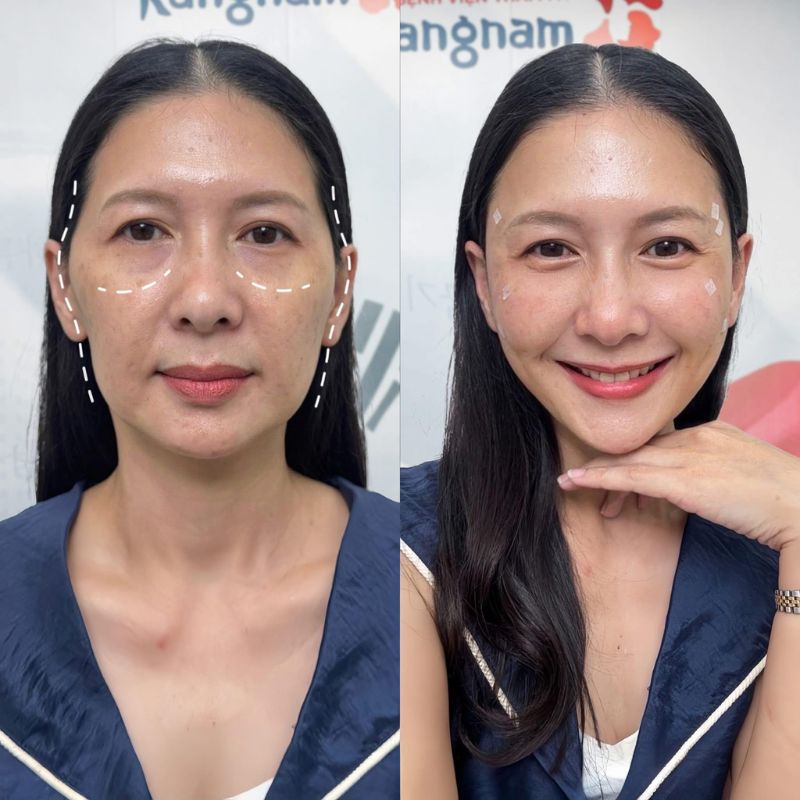
Smile lines and hollow facial areas are filled after filler injection.
Although filler injection is non-invasive and can provide visible results, it may still involve certain side effects or risks, as with any aesthetic procedure.
Most side effects following filler injections are relatively mild and disappear after several days. Common symptoms include swelling, redness, mild pain at the injection site, bruising, and tightness.
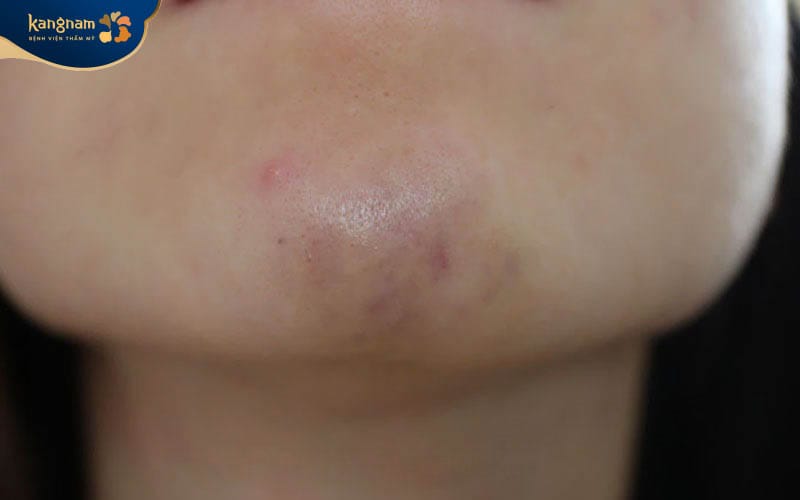
The treated area may become swollen and bruised after filler injection.
Although uncommon, serious risks may still occur when the injection technique is incorrect or poor-quality filler is used:
To ensure effective results and minimize the risks associated with filler injections, patients should consider the following important factors:
A highly qualified doctor can select the appropriate filler for each specific case, accurately identify the injection site and required dosage, and promptly manage any complications that may arise.
Therefore, to ensure maximum safety, filler injections should only be performed at reputable aesthetic facilities that hold valid operating licenses. Patients should avoid spas and aesthetic establishments that do not meet these standards.

Qualified doctors with many years of experience help ensure patient safety.
To ensure safety and effectiveness, fillers used for aesthetic treatment must be genuine products with clearly verified origins and authorization for circulation from the Ministry of Health.
In contrast, poor-quality fillers may cause unwanted side effects such as skin irritation and lump formation and may even lead to serious health complications.
After filler injection, patients should follow the doctor’s care instructions to allow the filler to stabilize and achieve the best possible results.
Patients should avoid touching, massaging, or applying strong pressure to the treated area for at least 24–48 hours. They should also avoid using cosmetics, consuming alcoholic beverages, or engaging in strenuous physical activity during the first few days after injection.
If abnormal symptoms occur, such as prolonged swelling, persistent pain, or bruising that does not resolve, patients should visit a doctor immediately for an examination.

The injection area should be carefully cared for after filler treatment.
Patients considering filler injection services should prioritize licensed aesthetic facilities with highly qualified medical teams. At these facilities, patients receive careful examinations and can experience aesthetic treatments performed according to appropriate safety standards.