Date posted: 26-07-2026 | Last updated : 27-07-2026
Here is the complete English translation of the text, tailored for international clients, strictly adhering to the original content, formatting, table structures, shortcodes, and image captions:
Thread nose lifting is considered a relatively safe method because it requires no surgery, features a low level of invasiveness, and offers a fast recovery time. Bio-threads are naturally dissolvable and highly biocompatible with the body, resulting in minimal risk of allergies or complications.
Performing thread nose lifting with incorrect techniques or low-quality threads can lead to infection, necrosis, crooked or deviated noses, redness, exposed threads, prolonged swelling, pain, and bleeding.
Prolonged swelling, bruising, or aching: Typically common during the first 1–3 days, but if symptoms persist beyond 7 days, it may indicate a tissue inflammation reaction.
Deviated or broken threads: Occurs when the doctor places threads in the wrong tissue layer or when clients touch, press, or rub the nose during the recovery phase.
Exposed threads or exposed needle points: Especially in individuals with thin nasal skin, rigid threads, or excessively elevated bridges.
Infection or subcutaneous tissue inflammation: Caused by unsterilized instruments or non-medical-grade threads.
Nasal skin necrosis (rare): Commonly encountered at unlicensed thread-lifting clinics that accidentally damage nasal blood vessels.
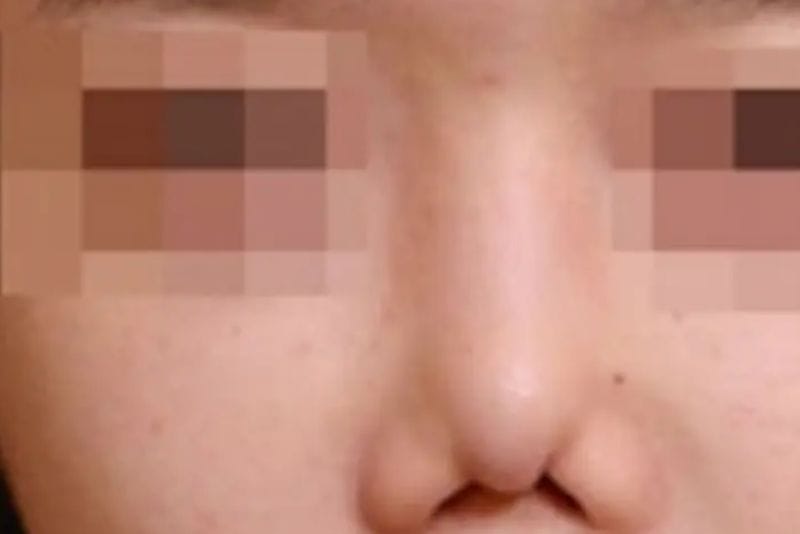
Thread nose lifting is not suitable for every nasal profile. This method should only be considered when clients have minor flaws, desire moderate enhancement, and accept limited result longevity.
A only slightly low nasal bridge.
A nasal tip that is not overly large.
Nasal skin that is not excessively thin.
A nose free from deviation, crookedness, or deformation.
Clients who only wish for a sleeker nasal shape over a short period.
Clients who prefer not to undergo surgery.
Clients who clearly understand that this is a temporary improvement method.
A severely flat or low nasal bridge.
A large, wide nasal tip or thick tip skin.
A short or upturned nose.
A deviated or crooked nose.
Extremely thin nasal skin prone to showing underlying materials.
A history of failed rhinoplasty.
A history of undergoing multiple thread implants.
A desire for a distinctly high, long-lasting nasal shape.
A need to correct the bridge, tip, columella, or nostrils simultaneously.
In unsuitable cases, forcing multiple threads to elevate the nose can increase the risk of thread exposure, thread bumps, shape deviation, prolonged pain, tissue fibrosis, rapid collapse of form, and difficulty in future revision surgeries.
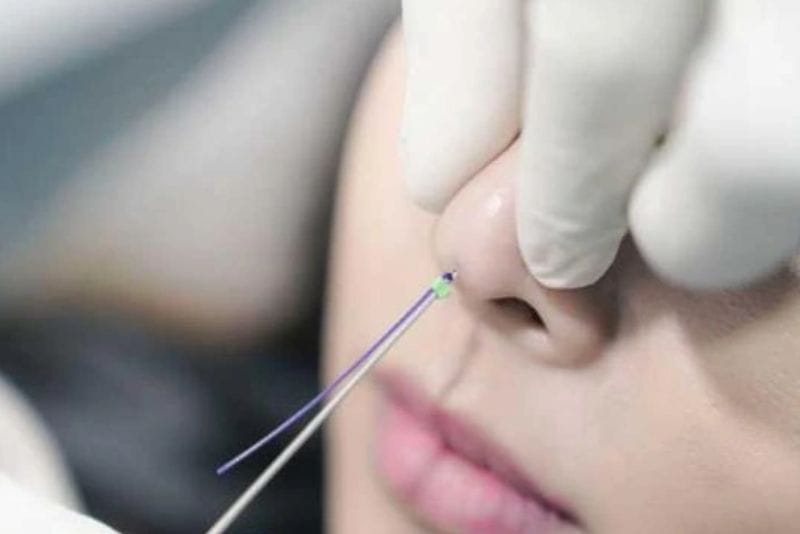
A doctor’s solid skill set, premium thread quality, and a medically standardized thread-lifting protocol are the decisive factors for safety in thread nose lifting.
Executing Doctor’s Skill: A highly specialized doctor will accurately identify the correct tissue layer, insertion orientation, and appropriate thread tension. Incorrect technical execution can cause nose deviation, inflammation, or even necrosis.
Quality of Bio-Threads: PDO and PCL threads certified by the US FDA and South Korea’s KFDA possess high biocompatibility, ensuring safe nasal elevation and stimulating natural collagen production. Conversely, low-quality threads easily trigger inflammation, fibrous tissue formation, or bridge deformity.
Medically Standardized Sterile Protocol: The operating environment is a key factor determining the safety of thread nose lifting. If instruments or steps fail to guarantee sterility, bacteria can easily invade, causing inflammation, swelling, or tissue necrosis.
The case of Phuong Nguyen—an overseas Vietnamese living in Germany—is a prime example helping clients understand why a thorough examination is necessary before selecting a nasal enhancement method.
The client’s initial condition included: A low nasal bridge, a large and short tip, a face lacking focal highlights, and an unharmonious side profile. After clinical examination, the doctor evaluated multiple factors: bridge height, tip shape, initial nasal base, skin quality, and overall facial proportion, alongside the required level of improvement for the bridge and tip.
As a result, the client was indicated for Idol Surgiform Rhinoplasty instead of minor thread refinement. The reason was that her nasal condition required not only bridge elevation but also comprehensive structural refinement to create overall facial harmony.
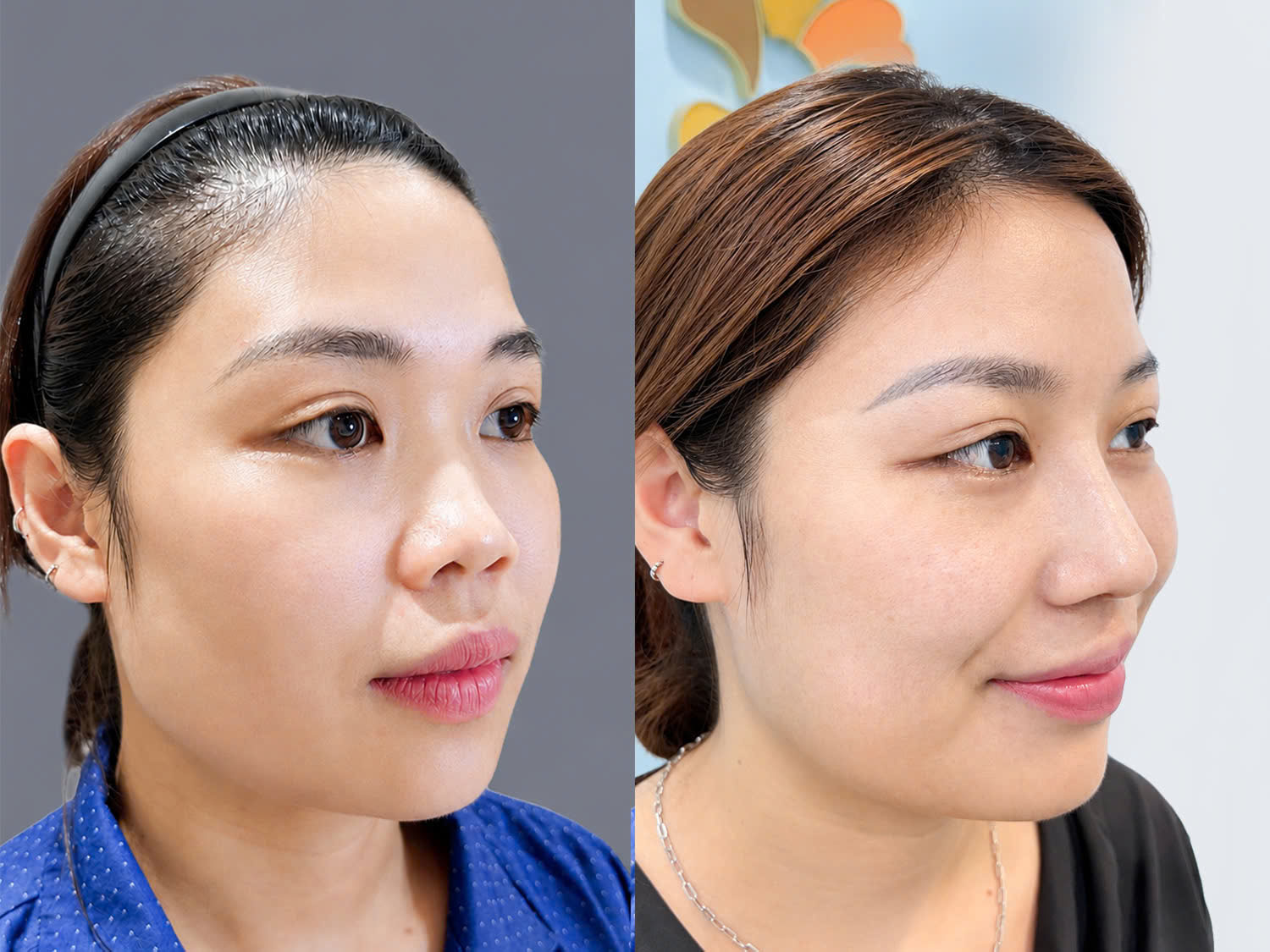
Read more: Overseas Vietnamese from Germany takes time returning home for rhinoplasty to transform appearance
This is a common question among overseas Vietnamese clients, especially those looking for quick cosmetic enhancements during short visits to Vietnam. Both methods carry their own pros and cons depending on nasal structure and aesthetic expectations.
Below is a comparison table between thread nose lifting and surgical rhinoplasty:
| Criteria | Thread Nose Lifting | Structural Surgical Rhinoplasty |
|---|---|---|
| Invasiveness Level | Minimally invasive, no tissue dissection | Deep intervention, total nasal restructuring |
| Safety Level | Relatively safe if performed at standard medical facilities | High safety when performed by nasal subspecialists in standard operating suites |
| Recovery Time | 1–3 days | 7–10 days |
| Duration of Results | 1–2 years (threads gradually dissolve) | 10–20 years (depending on cartilage type) |
| Reshaping Capability | Minor adjustments mainly to the bridge area | Comprehensive correction: tip, columella, nostrils, and bridge |
| Cost | Lower, suitable for short-term cosmetic goals | Higher, but durable and stable over the long term |
If you only wish to make subtle, short-term enhancements to your nose profile, thread lifting can provide temporary results. However, to achieve a beautifully sustainable, balanced, and natural nasal contour, surgical rhinoplasty at Kangnam Aesthetic Hospital stands as the superior choice.
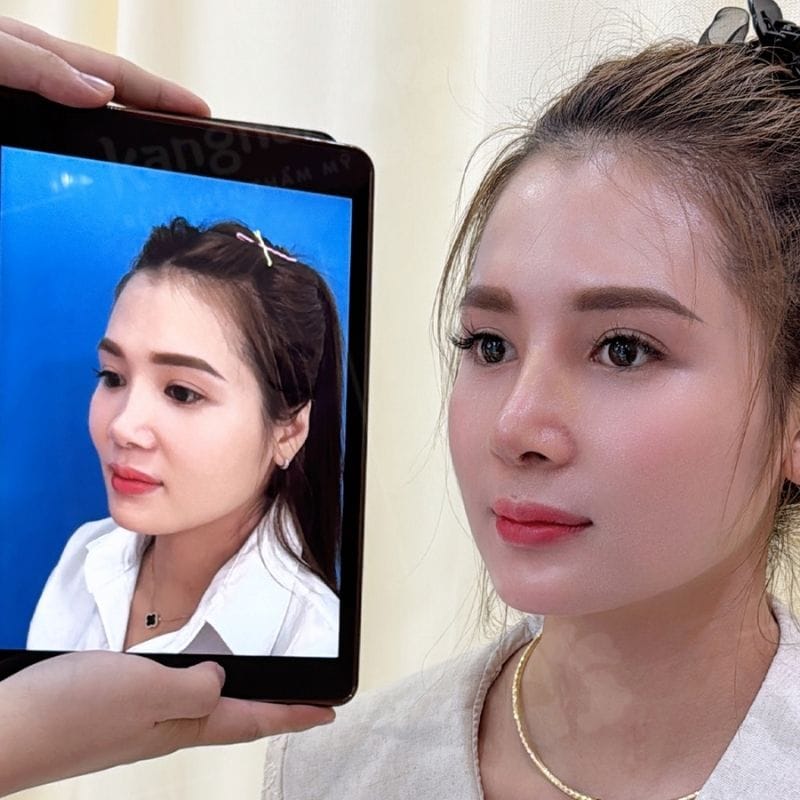
At Kangnam, exclusive technologies such as Idol Rhinoplasty or 6D Surgiform Rhinoplasty are directly performed by a team of specialized Rhinoplasty Doctors with over 10 years of experience, using ePTFE cartilage imported from the United States. The procedures feature long-term warranties and a gentle, pain-free anesthesia protocol, enabling recovery times twice as fast.
Schedule a consultation with a rhinoplasty specialist at Kangnam today to diagnose your nasal structure and preview your new profile through exclusive 3D AI Face Design technology.
Brow Bone Lift: Reshaping the Brow for a Brighter Look
Non-Incisional Double Eyelid (Eyelid Tucking): A No-Cut Solution