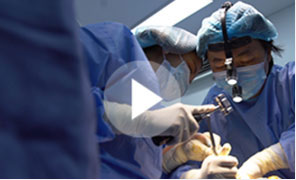
Date posted: 27-07-2026 | Last updated : 28-07-2026
Alar base reduction is becoming an increasingly popular cosmetic procedure for people who want narrower nostrils and a more balanced nasal appearance.
At Kangnam Aesthetic Hospital, the procedure is planned according to the patient’s nasal anatomy and performed by doctors experienced in nasal aesthetics. The following article explains the available techniques, treatment process, recovery, expected results, and cost of alar reduction.
Alar base reduction is a surgical procedure designed to reduce the width or bulk of the nostril wings.
Depending on the patient’s anatomy, the surgeon may remove or reposition a small amount of tissue around the alar base to create:
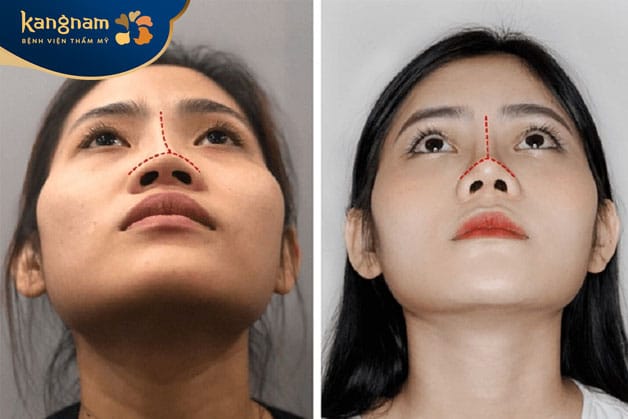
Alar base reduction is intended to make the lower part of the nose appear narrower and more proportionate.
The procedure may improve concerns such as:
Alar reduction does not automatically make the nasal bridge higher or correct every nasal deformity.
Alar reduction may be considered for patients with specific concerns involving the nostril wings or nasal base.
Potential candidates include:

Wide, thick, or uneven nostrils may be considered for surgical reduction after an individual examination.
Patients should understand that reducing the nostrils too aggressively may create:
An in-person examination is necessary to determine whether surgery is appropriate and how much tissue can be safely removed.
A typical alar base reduction process at Kangnam may include the following stages.
The doctor discusses:

The doctor also explains the possible techniques, limitations, and risks.
Before treatment, the medical team reviews the patient’s health.
Assessment may include:
Patients should disclose smoking, nicotine use, bleeding disorders, and all prescription medication or supplements.
The doctor measures and marks the areas to be reduced.
Planning should consider:
The areas requiring correction are marked carefully before surgery.
Preoperative markings guide the procedure but cannot guarantee perfect symmetry.
The medical team prepares sterilised instruments and cleans the treatment area using appropriate antiseptic techniques.
These measures reduce infection risk but cannot guarantee a completely sterile or complication-free procedure.
The surgeon may:
The method depends on the anatomy and desired correction.
The surgeon should use a conservative approach because excessive tissue removal may be difficult to reverse.
After surgery, the medical team monitors:
Most uncomplicated cases are performed as day procedures.
Before discharge, patients receive instructions regarding:

Postoperative instructions and follow-up are important for monitoring wound healing.
Patients undergoing alar reduction may experience:
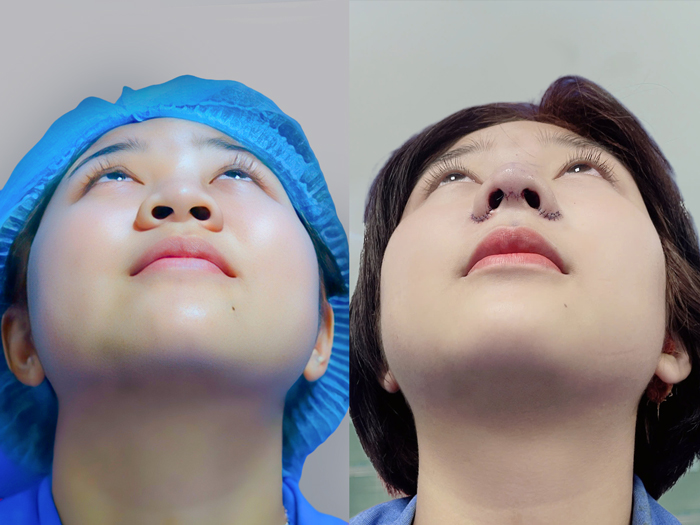
Alar reduction may create a narrower and more balanced nasal base.
The final result varies according to:
Before-and-after photographs and patient feedback represent individual experiences and do not guarantee the same outcome for everyone.
Two commonly described techniques are direct tissue excision and inward alar repositioning.
This technique removes a selected amount of tissue from the nostril base.
It may be suitable when the patient has:
The incision may be positioned within or near the natural crease where the nostril meets the cheek.
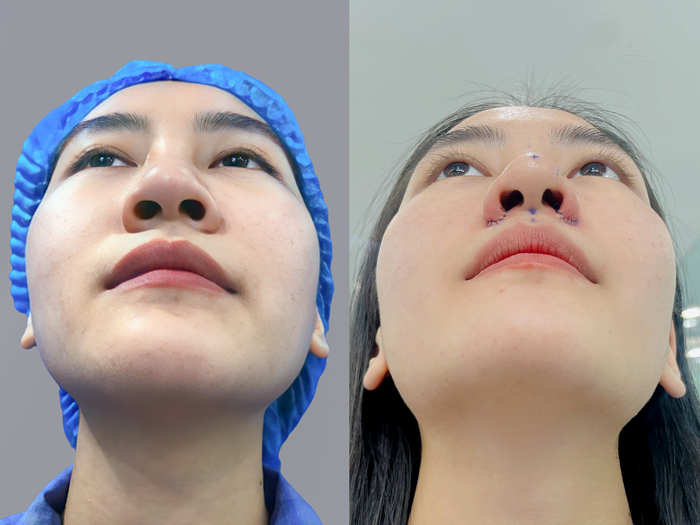
Direct alar excision requires careful planning to avoid excessive narrowing or visible scarring.
Possible risks include:
In selected cases, the surgeon may reposition or tuck a portion of soft tissue inward rather than removing a large amount.
This may help refine:
The technique is not suitable for every patient, and the exact method may involve internal sutures, tissue repositioning, or limited excision.
The choice between techniques depends on nostril shape and tissue thickness.
Initial healing commonly takes approximately seven to ten days, but the nose is not fully healed at this stage.
Patients may experience:
A general recovery timeline may include:
Overseas patients may benefit from remaining in Vietnam for approximately seven to fourteen days for:
Patients should not assume they are automatically ready to fly after exactly seven days. Travel timing depends on healing and the doctor’s assessment.
Remote video follow-up may support routine monitoring after the patient returns home, but it cannot replace in-person treatment when complications occur.
Alar reduction does not physically increase the height of the nasal bridge.
The procedure mainly changes:
Because the lower nose becomes narrower, the nose may appear more projected or refined from the front. This is a visual effect rather than an actual increase in bridge height.
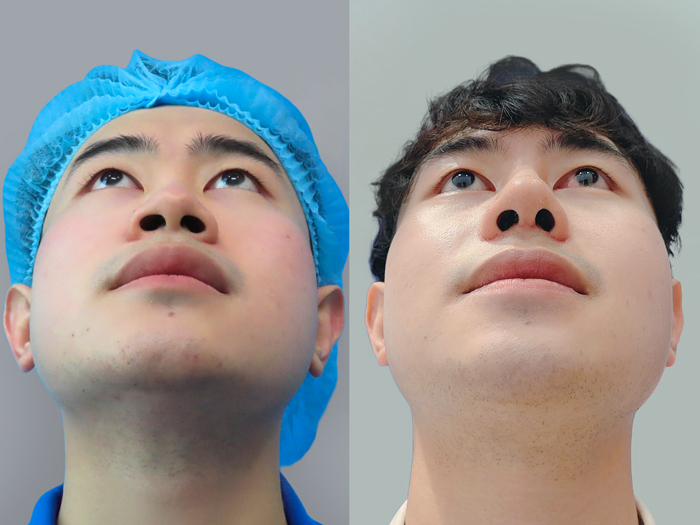
Alar reduction may create the impression of a more defined nose but does not raise the nasal bridge.
Patients with both a low bridge and wide nostrils may need to discuss whether rhinoplasty and alar reduction should be combined.
Combined surgery is not automatically necessary for everyone and should only be recommended after examination.
Alar reduction creates an incision, so some degree of scarring is unavoidable.
The scar may become less noticeable when:
It is not accurate to guarantee that the procedure leaves no scar.
Scar visibility depends on:
Some procedures use removable sutures, while others may use absorbable sutures. The choice depends on the surgeon’s technique.
Patients should not apply scar cream until the incision has closed and the doctor confirms that it is appropriate.
The tissue removed during alar reduction does not normally grow back, so the structural change is generally considered long-lasting.
However, the result should not be described as guaranteed to remain unchanged forever.
The appearance may change because of:
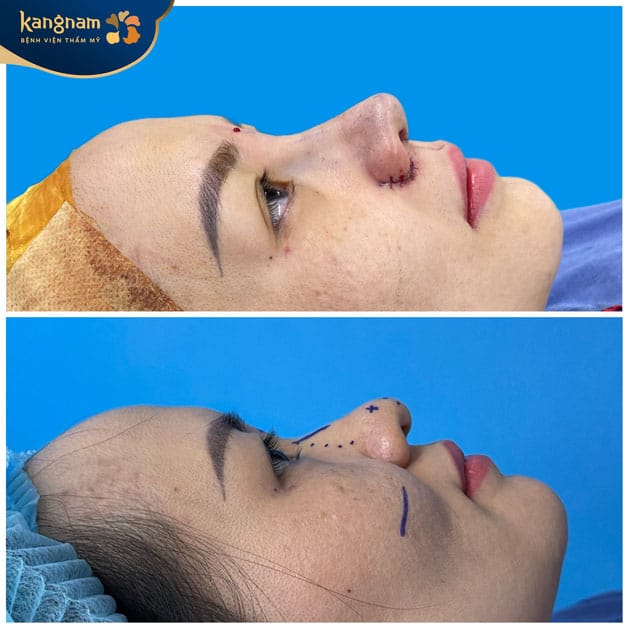
Alar base reduction usually creates a long-lasting change, although the nose continues to age.
Revision surgery may be considered if the patient develops:
Revision can be more complex because removed tissue may be difficult to replace.
The stated cost of alar reduction at Kangnam is approximately equivalent to about USD 228.
| Service | Approximate Cost in USD |
|---|---|
| Alar base reduction | 228 |
The quoted fee is stated to include:
Patients should still request a written quotation confirming whether the price includes:
When alar reduction is combined with rhinoplasty, the total price will be higher and depends on:
The stated price may change over time, so patients should confirm the current fee directly before booking.
Possible risks of alar reduction include:
Patients should contact the medical team if they develop:
Breathing difficulty, uncontrolled bleeding, or severe allergic symptoms require urgent medical assessment.
Patients may be advised to:
Patients should not remove sutures or attempt to reshape the nostrils at home.
S-Line Rhinoplasty: Benefits, Procedure, Recovery, and Aftercare
Autologous Cartilage Rhinoplasty: Techniques, Benefits, Risks, and Cost